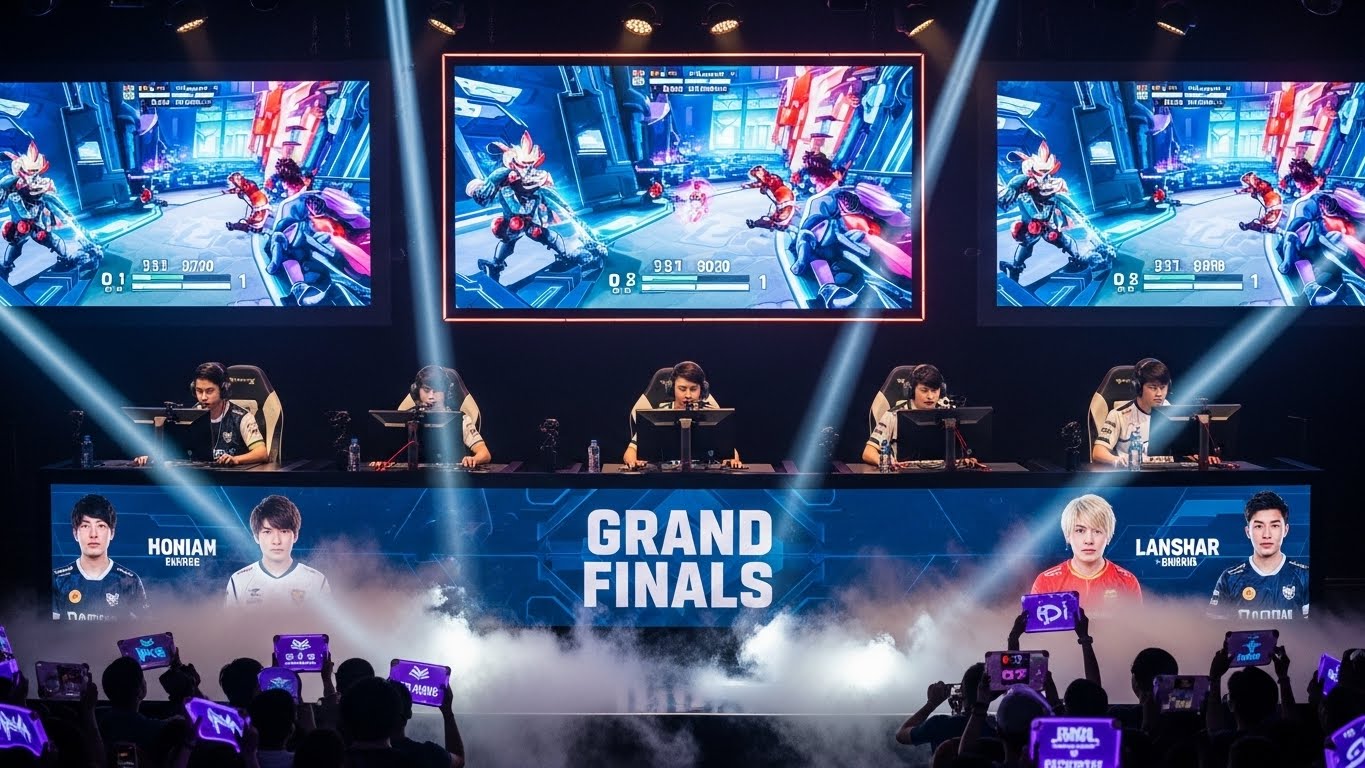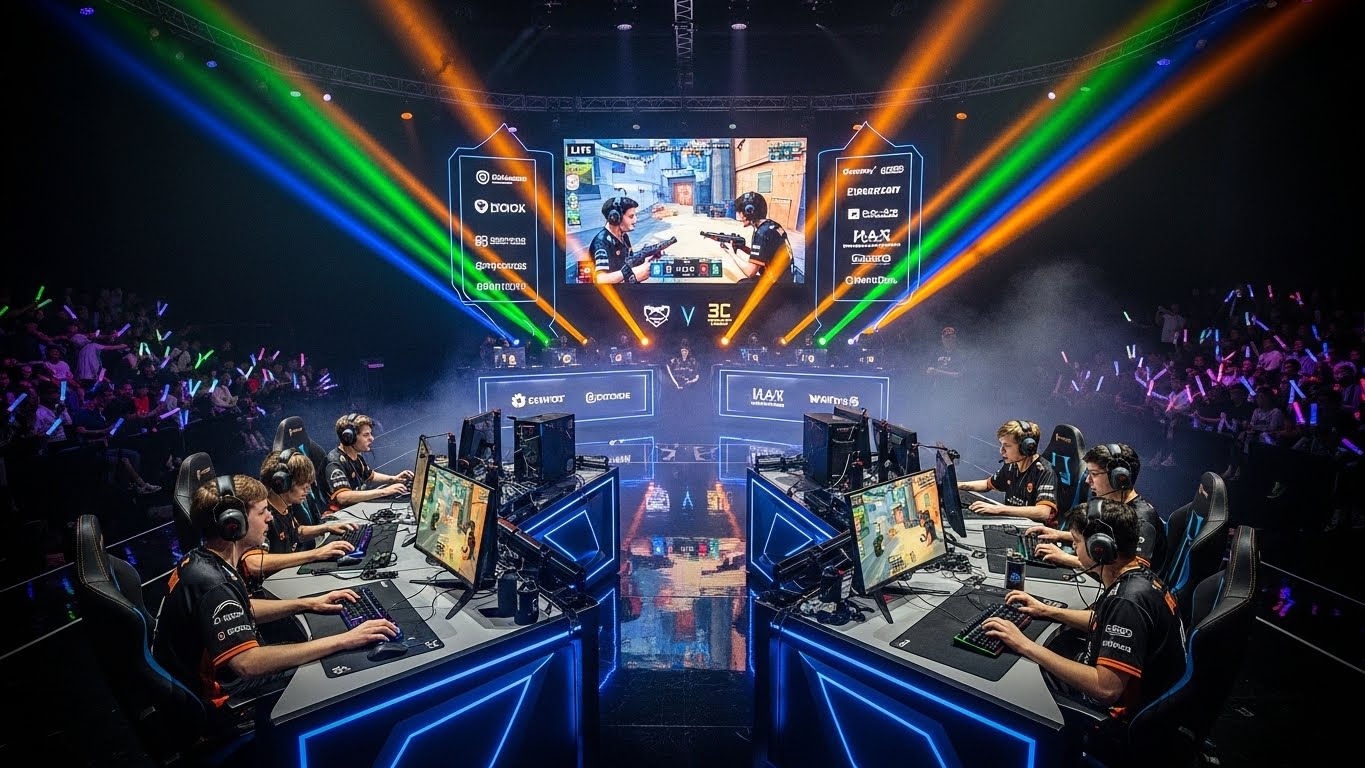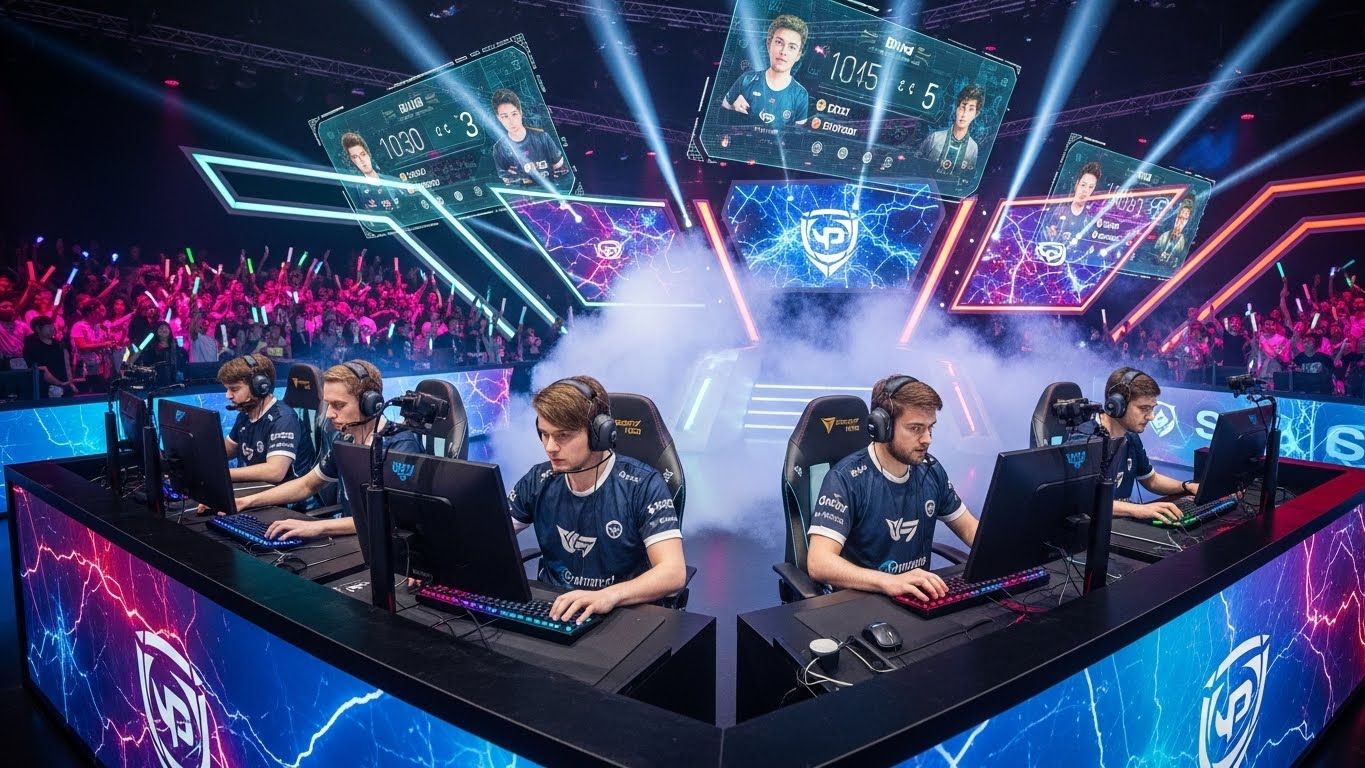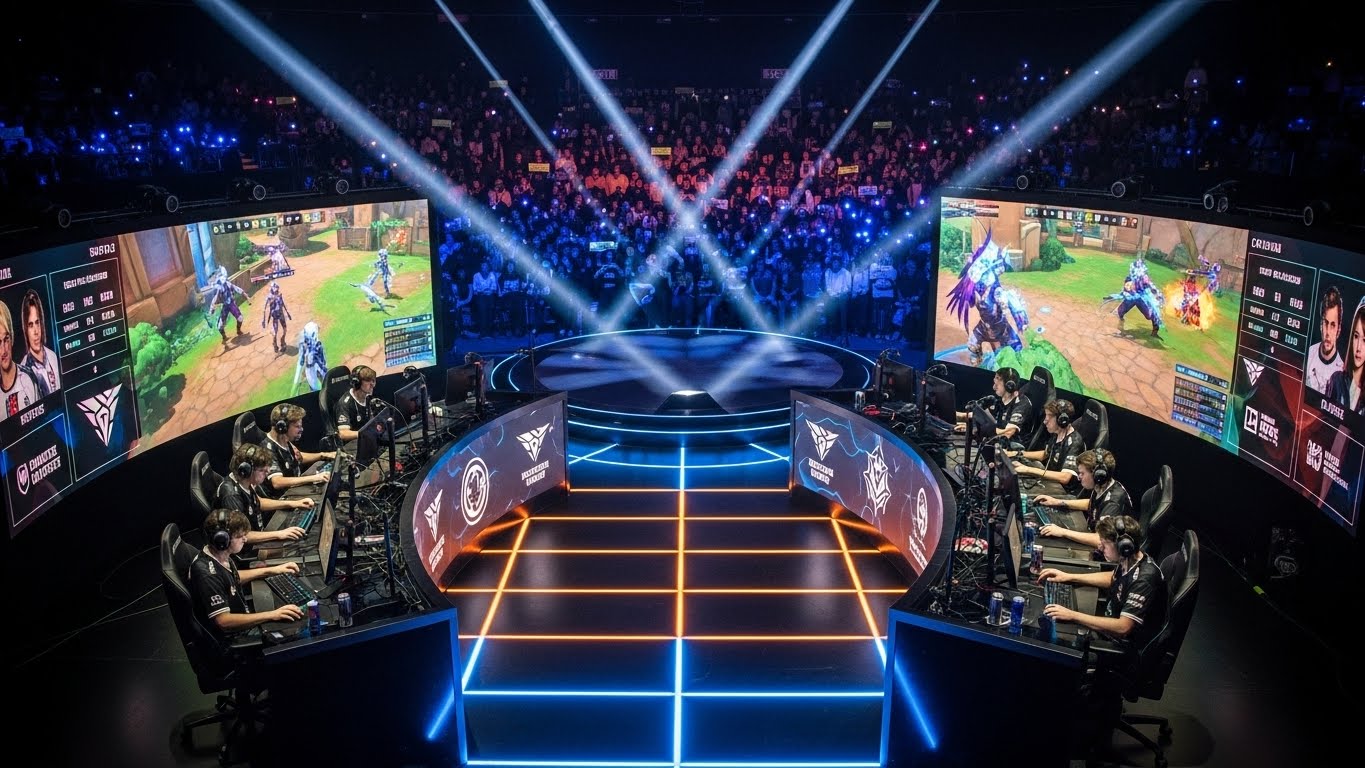
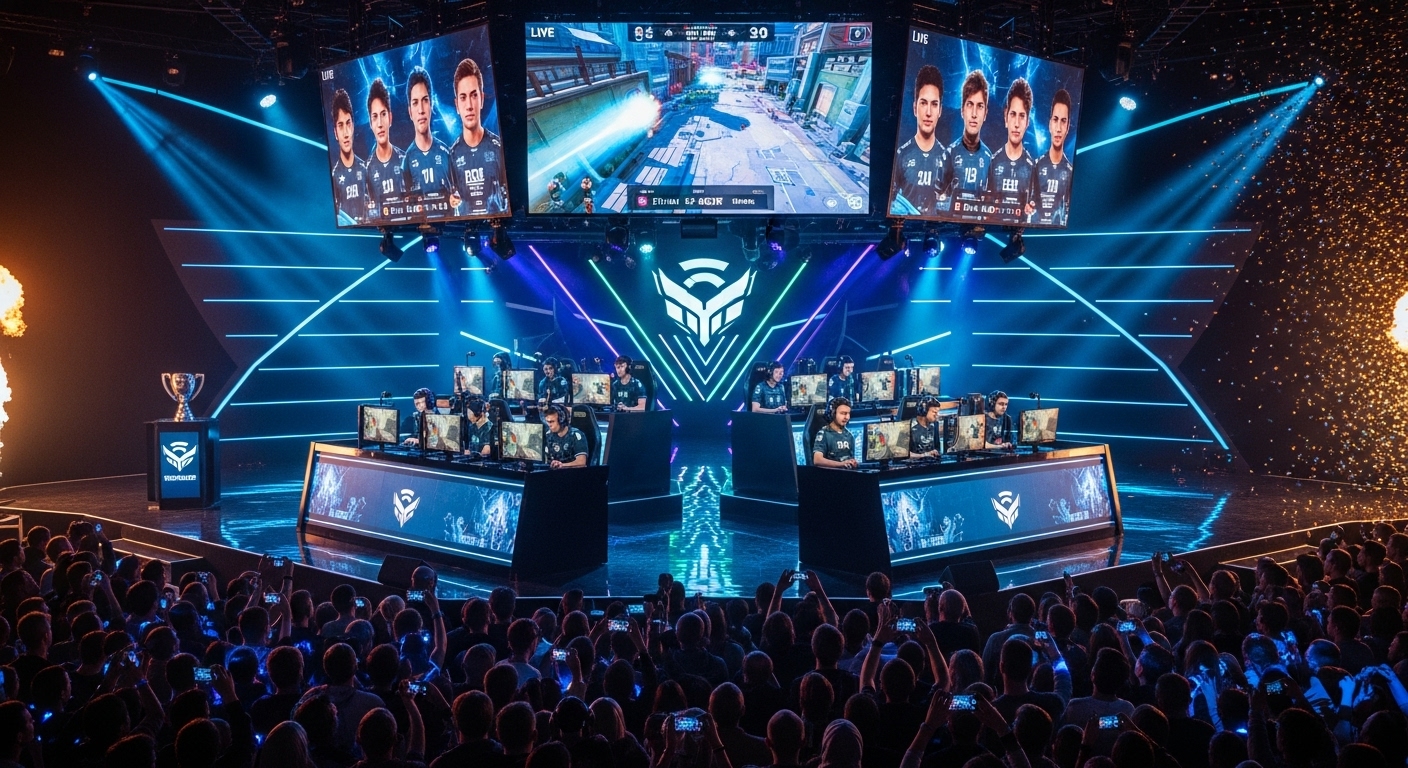
In the past two decades, esports has transformed from a small, underground activity into a worldwide entertainment and professional industry. The term “esports,” short for electronic sports, refers to competitive video gaming where players and teams compete at various levels, from local tournaments to international championships. Once considered a niche hobby, esports is now a multi-billion-dollar industry attracting millions of viewers and players globally. This blog explores the journey of esports, its growth, key games, professional scene, impact on culture, technology, and the future of competitive gaming.
The Origins of Esports
Esports traces its roots back to the 1970s and 1980s, when simple arcade games and early home consoles started gaining popularity. Games like Space Invaders, Pac-Man, and later Street Fighter and Mortal Kombat created competitive communities in arcades, where players would challenge each other for high scores. The first widely recognized esports tournament was the 1980 “Space Invaders Championship,” held in the United States, which attracted thousands of participants and set a precedent for competitive gaming events.
With the rise of the internet in the 1990s, competitive gaming expanded beyond arcades. Games like Quake, StarCraft, and Counter-Strike became foundational titles for esports, enabling players to compete online. South Korea, in particular, embraced esports as a professional endeavor, creating the first professional leagues in StarCraft. This period laid the groundwork for esports as a legitimate career path and spectator sport.
Evolution of Competitive Gaming
Competitive gaming has undergone tremendous evolution over the years. Early competitions were modest, often held in small venues or online forums. However, as technology advanced, so did the scope of esports. Broadband internet, streaming platforms, and high-performance gaming hardware allowed players to compete at a global level, and fans to watch matches in real-time.
Games diversified into genres like first-person shooters (FPS), real-time strategy (RTS), multiplayer online battle arenas (MOBA), and sports simulation games, each attracting different audiences. FPS games such as Counter-Strike and Call of Duty emphasized precision, reflexes, and teamwork, while MOBA titles like League of Legends and Dota 2 focused on strategy, coordination, and long-term planning.
Key Esports Titles and Their Impact
Esports thrives on games that offer competitive balance, strategic depth, and spectator appeal. Some of the most influential titles include:
League of Legends (LoL)
Released in 2009, League of Legends became one of the most iconic esports titles globally. Its combination of team-based strategy, diverse champions, and complex mechanics created an engaging competitive environment. Riot Games, the developer, invested heavily in professional leagues, such as the League of Legends Championship Series (LCS) in North America and the League of Legends European Championship (LEC), creating a structured ecosystem for professional players.
Dota 2
Valve’s Dota 2, launched in 2013, elevated esports prize pools with its annual The International tournament. The event set records for esports winnings, reaching tens of millions of dollars in prize money, showcasing the potential for competitive gaming to rival traditional sports in terms of revenue and prestige.
Counter-Strike: Global Offensive (CS:GO)
CS:GO has remained a cornerstone of esports since its release in 2012. Its skill-based gameplay, tactical depth, and team coordination make it a favorite for both players and spectators. Major tournaments like the CS:GO Major Championships draw global audiences, highlighting the game’s long-lasting impact.
Fortnite and Battle Royale Games
Fortnite revolutionized esports by merging casual and competitive gaming. Epic Games organized massive tournaments with significant prize pools, attracting younger audiences and bringing new energy to the esports scene.
The Professional Esports Scene
The professional esports scene mirrors traditional sports in many ways. Players are scouted, signed by teams, trained rigorously, and compete in scheduled tournaments. Esports teams, such as Fnatic, Cloud9, Team Liquid, and T1, operate with structured management, coaching staff, analysts, and even sports psychologists.
Esports players often specialize in a single game, dedicating hours to perfecting mechanics, strategies, and teamwork. Professional leagues operate on seasonal structures, with regular matches, playoffs, and championships. High-profile events are broadcast live, attracting millions of viewers worldwide through streaming platforms like Twitch, YouTube Gaming, and Huya.
The Role of Streaming Platforms
Streaming platforms are central to esports’ growth. They allow fans to watch professional matches, follow their favorite players, and engage with communities. Platforms like Twitch have turned esports into spectator entertainment, similar to football or basketball. Viewers can interact with chat, participate in events, and even contribute to revenue through subscriptions and donations, creating a symbiotic relationship between players and audiences.
Live streaming also offers aspiring players a pathway to fame and professional opportunities. Many esports stars, such as Ninja and Shroud, began as streamers before transitioning into competitive careers, blurring the line between content creation and professional esports.
Esports and Traditional Sports Integration
Traditional sports organizations increasingly recognize esports as a viable extension of their brand. Football clubs like Paris Saint-Germain, Manchester City, and Real Madrid have launched esports divisions, competing in popular games and leveraging their fanbase. Similarly, the NBA has its own esports league, the NBA 2K League, bridging basketball and gaming communities.
Esports also attracts sponsorships from major brands, including technology companies, energy drinks, and lifestyle products. Sponsorship deals provide financial stability to teams and players while boosting the industry’s visibility.
The Cultural Impact of Esports
Esports has become a cultural phenomenon influencing lifestyle, fashion, entertainment, and social interactions. Gaming conventions, fan meetups, and esports expos bring communities together, while popular players become influencers and role models. Merchandise, apparel, and branded content contribute to a culture that merges gaming with mainstream entertainment.
Esports also promotes inclusivity, allowing players from different backgrounds, genders, and regions to compete on equal footing. While challenges remain regarding representation and diversity, the global nature of esports encourages cross-cultural collaboration and understanding.
Technology Driving Esports Growth
Advancements in technology have accelerated esports’ development. High-performance gaming PCs, specialized peripherals, virtual reality (VR), augmented reality (AR), and low-latency internet have all contributed to better gameplay and viewing experiences. Artificial intelligence and analytics tools help teams optimize strategies, analyze opponents, and enhance player performance.
Virtual production and broadcasting technologies also allow tournament organizers to create immersive viewing experiences with real-time statistics, dynamic cameras, and interactive features, making esports more engaging for spectators.
Esports Education and Career Opportunities
Esports has opened new career opportunities beyond professional play. Universities and colleges now offer esports programs, degrees, and scholarships, focusing on game design, broadcasting, team management, and analytics. Careers in esports include roles in coaching, content creation, event management, marketing, and technology development.
The industry encourages innovation and entrepreneurship, with opportunities to start esports teams, develop gaming platforms, or organize tournaments. The ecosystem continues to expand as more industries recognize esports’ potential.
Challenges Facing Esports
Despite its growth, esports faces several challenges. Mental and physical health issues, such as burnout, repetitive strain injuries, and stress, affect professional players. Regulatory concerns, including fair play, cheating, and gambling, require careful oversight. Additionally, monetization and sustainability are ongoing issues, as teams and organizers must balance prize money, sponsorships, and operational costs.
Public perception also remains a hurdle in some regions, with esports still struggling for recognition as a legitimate sport or career path. Education, awareness, and cultural acceptance are vital to overcoming these barriers.
The Future of Esports
The future of esports looks promising, with projected growth in audience, revenue, and technological integration. Virtual reality and augmented reality games may redefine competition, while AI-driven analytics could enhance player development and strategy. Mobile esports is also on the rise, particularly in Asia, where games like Mobile Legends and PUBG Mobile dominate competitive scenes.
Esports could further integrate with mainstream entertainment, collaborating with movies, music, and fashion. Crossovers between esports and traditional sports may lead to hybrid events, expanding reach and engagement. The industry is poised to become a major player in global entertainment, rivaling established sports leagues.
Conclusion
Esports has come a long way from its humble beginnings in arcades and early internet competitions. Today, it is a global phenomenon that combines skill, strategy, entertainment, and culture. With millions of fans, professional players, and significant economic impact, esports is more than just a pastime—it is an industry shaping the future of competition, entertainment, and technology. As the ecosystem evolves, esports will continue to break barriers, inspire new generations, and redefine what it means to compete in the digital age.