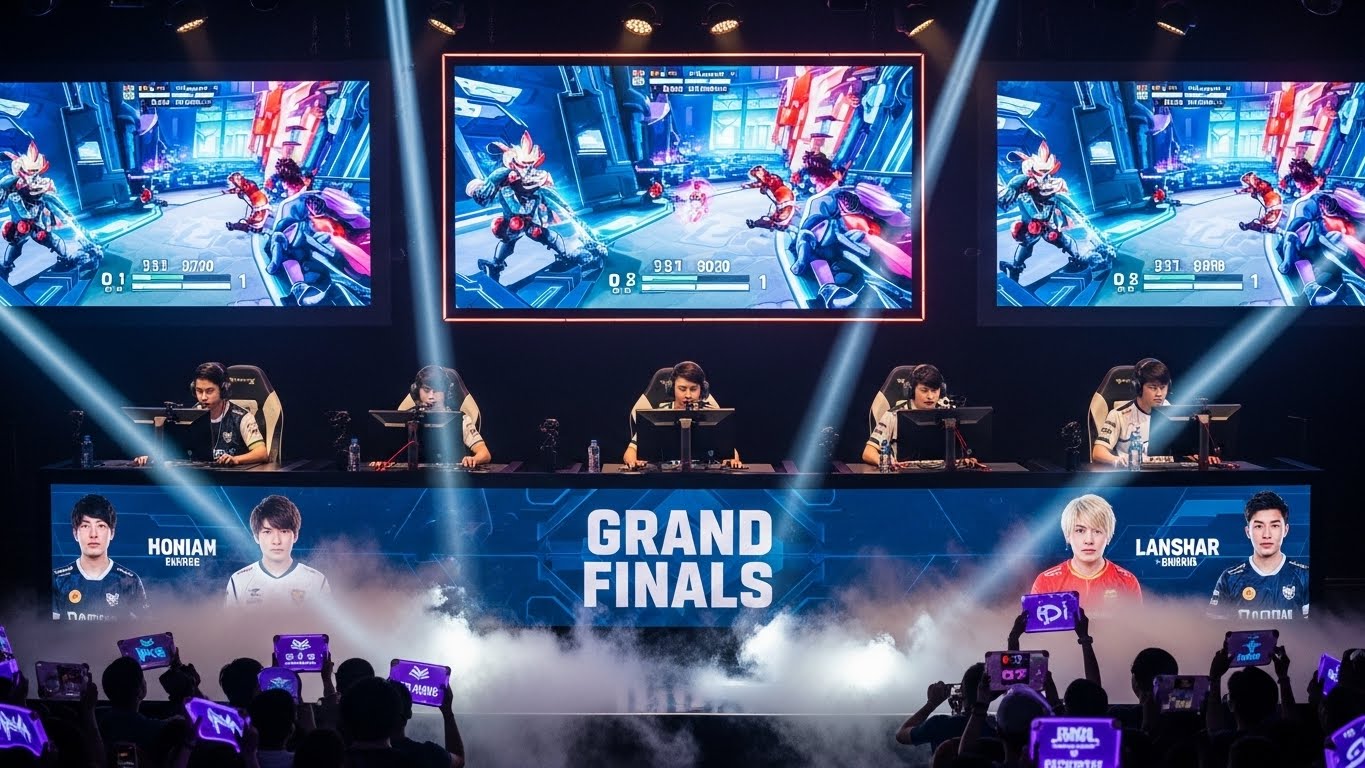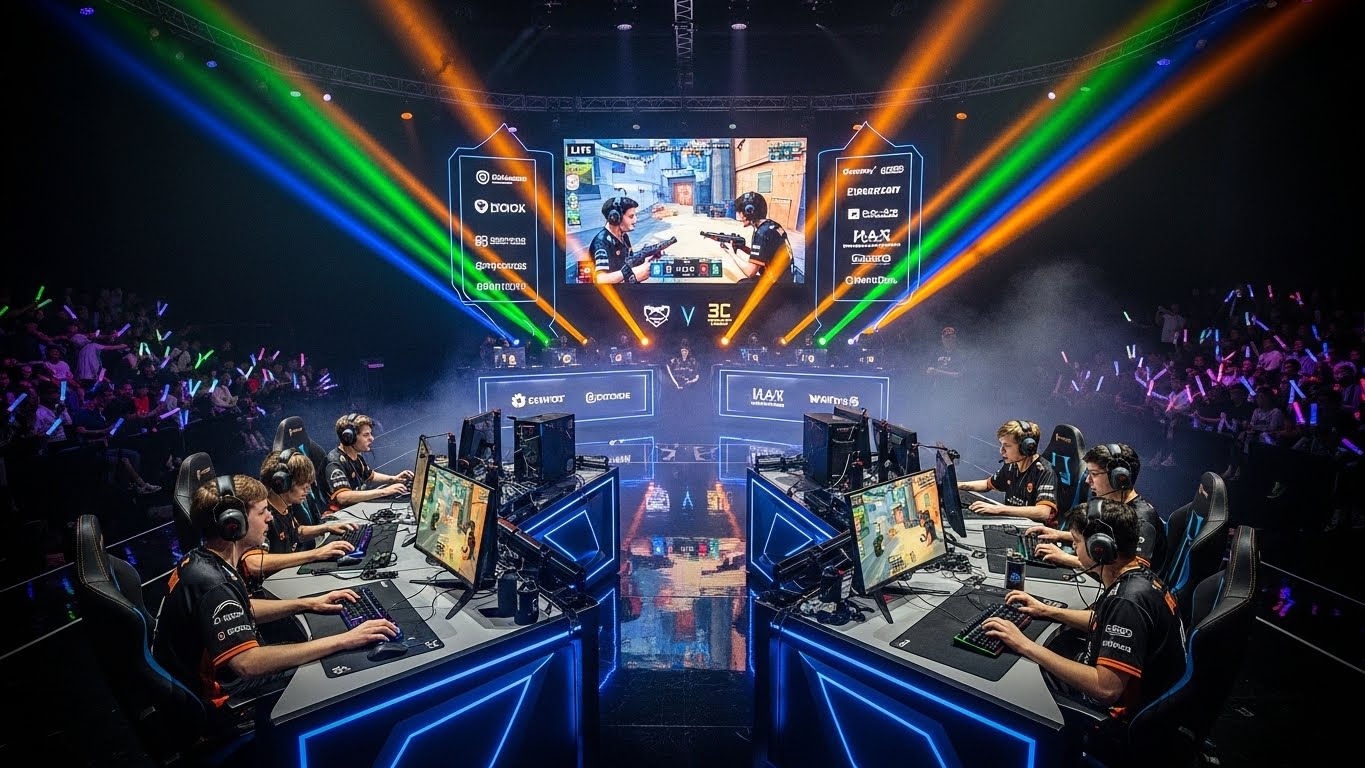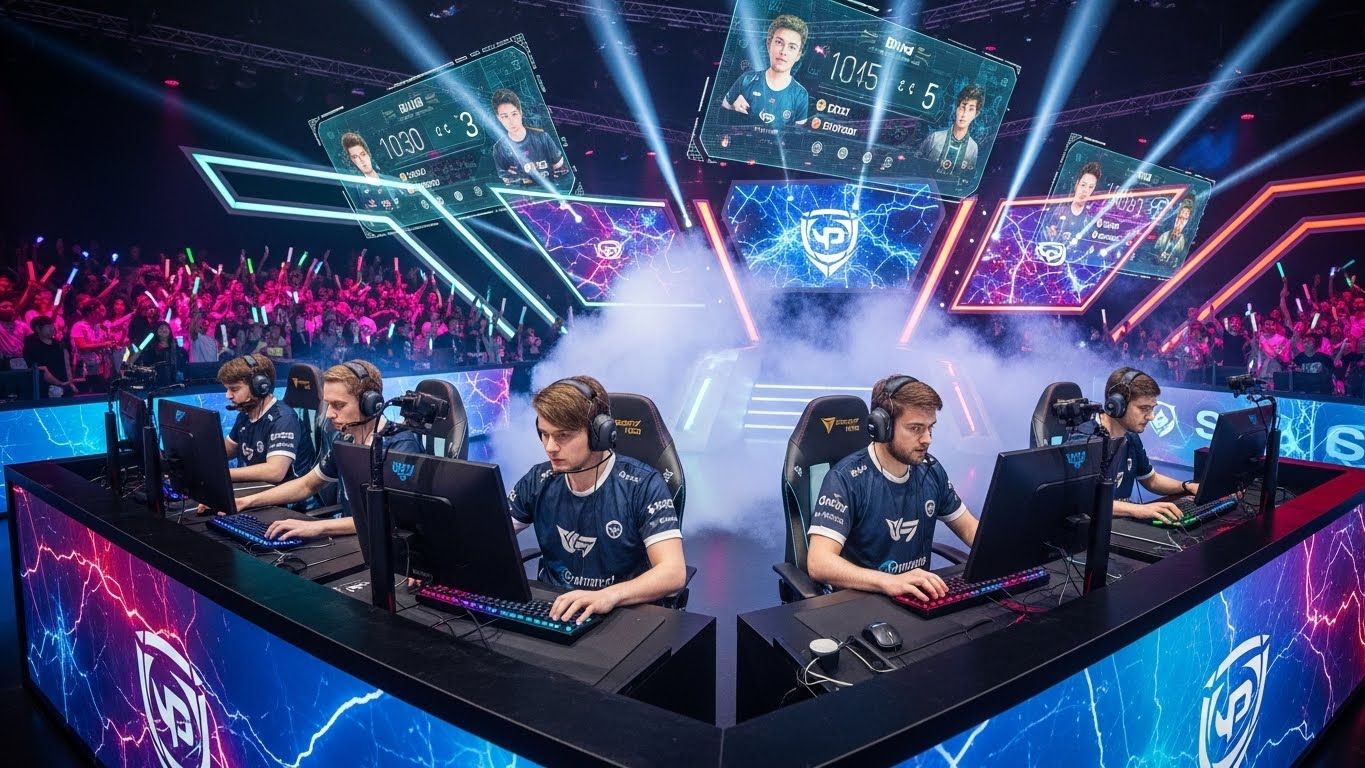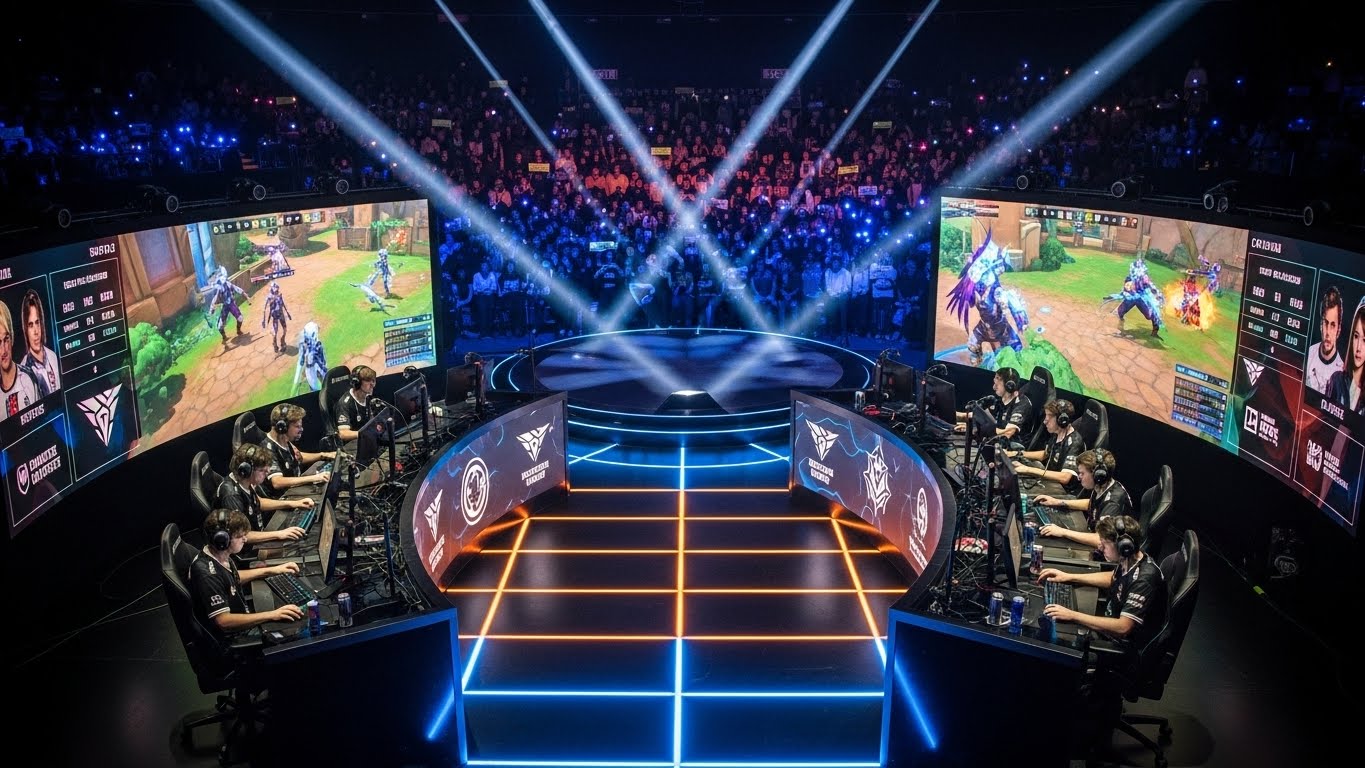
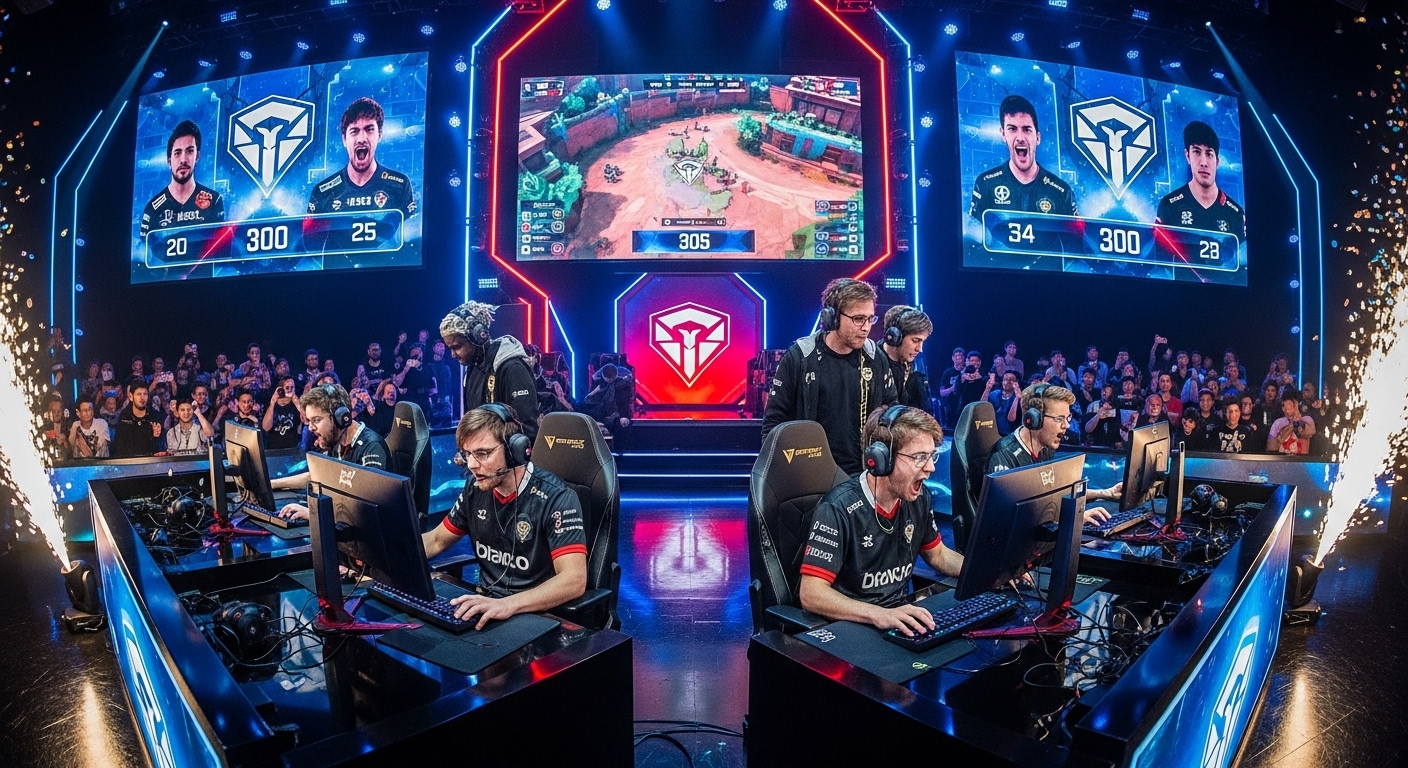
In the past decade, esports has exploded in popularity, transforming from a niche hobby into a global entertainment powerhouse. What was once a passion for a small group of gamers has now evolved into a multi-billion-dollar industry that draws millions of viewers and provides new career opportunities in gaming. As more and more people embrace competitive video gaming, esports has emerged as an undeniable force, creating new avenues for professional gaming, sponsorships, media, and even mainstream recognition. This blog explores the origins of esports, its rapid growth, its current impact, and what the future holds for this ever-evolving industry.
The Birth and Evolution of Esports
Esports, or electronic sports, refers to competitive video gaming, often in the form of multiplayer tournaments. While the term “esports” is relatively new, competitive gaming has existed for decades. The first recorded esports tournament took place in 1972 with the Intergalactic Spacewar Olympics at Stanford University. Although small and short-lived, this event marked the beginning of a new kind of competition where video games were played for prestige and, in some cases, prizes.
However, it wasn’t until the late 1990s that esports truly began to gain traction. The rise of high-speed internet and improved gaming technology made it possible for players to compete in online multiplayer games, paving the way for larger, more organized events. Games like StarCraft and Warcraft III became the foundation of early esports competitions, with players from around the world battling each other in organized tournaments.
The true turning point came in the early 2000s with the rise of games like Counter-Strike and Quake. These games introduced organized competitions, leagues, and sponsorships, setting the stage for the modern esports landscape. In 2000, the Cyberathlete Professional League (CPL) became one of the first esports leagues to offer cash prizes and corporate sponsorships. This laid the groundwork for the commercialization of esports, bringing it closer to becoming the global phenomenon it is today.
Esports in the Modern Era: A Global Phenomenon
As technology advanced, so did the scale and reach of esports. The development of games such as League of Legends, Dota 2, and Counter-Strike: Global Offensive (CS:GO) in the 2010s led to the formation of large-scale tournaments and leagues. One of the most significant milestones in esports history came in 2011 when Valve Corporation launched The International, an annual Dota 2 tournament. The tournament’s prize pool, which started at $1 million, grew exponentially through crowdfunding, reaching over $40 million by 2021. This massive prize pool not only highlighted the commercial potential of esports but also demonstrated its ability to captivate millions of fans.
Around the same time, League of Legends (LoL) solidified its place as one of the most successful esports titles. Riot Games, the developer behind LoL, created a structured competitive league system that included professional teams, sponsorships, and global tournaments. The League of Legends World Championship has become one of the biggest esports events in the world, attracting millions of viewers annually and further proving the legitimacy of esports as a mainstream form of entertainment.
Esports began to expand beyond just a handful of games, reaching new audiences through titles like Fortnite, Overwatch, Call of Duty, and Hearthstone. These games offered unique competitive experiences, from battle royales to team-based first-person shooters, allowing a variety of player skill sets to flourish.
The Esports Industry: A Multi-Billion Dollar Enterprise
Esports has grown into a massive industry with a wide range of revenue streams. In 2020, the global esports industry was valued at over $1 billion, with projections indicating that it could surpass $2 billion in the coming years. A large portion of this revenue comes from sponsorships, which are crucial for the growth of professional esports teams and events.
Corporate sponsorships have played a pivotal role in the development of esports. Major brands like Coca-Cola, Intel, Red Bull, and Nike have entered the esports market, sponsoring tournaments, teams, and individual players. These sponsorships not only provide financial backing but also bring mainstream attention to esports. For example, Red Bull has been involved in the sponsorship of various esports events and players, and Coca-Cola has partnered with multiple tournaments to bring esports into the spotlight.
Media rights have also become a significant source of revenue. Major esports events are now broadcast on popular platforms like Twitch, YouTube Gaming, and Facebook Gaming, attracting millions of viewers worldwide. In addition, traditional TV networks such as ESPN and TBS have begun broadcasting major esports events, expanding esports’ reach beyond digital platforms.
Merchandise sales, ticket sales to live events, and streaming revenue also contribute to the financial success of esports. The rise of streaming platforms has allowed esports fans to watch live gameplay, interact with their favorite players, and even contribute financially through donations and subscriptions. This fan engagement has created a vibrant ecosystem where esports communities thrive, and players have direct access to their supporters.
The Rise of Esports Careers: Beyond Playing
While playing professionally is the most visible career path in esports, there are numerous other opportunities within the industry. The demand for esports professionals has surged, leading to the emergence of a wide range of roles, from team coaches to event organizers and analysts.
Coaching and Management: Just like traditional sports, esports teams employ coaches and managers to help players improve their skills and ensure the smooth operation of the team. Coaches help players with game strategies, mental preparation, and team coordination. Managers handle logistics, sponsorships, and public relations for the teams. These roles have become essential as esports organizations grow in size and sophistication.
Esports Commentators and Analysts: Esports commentary, known as “casting,” has become an integral part of the viewing experience. Much like sports commentators, esports casters provide live commentary on matches, offering insights, strategies, and excitement. Analysts also play a critical role by breaking down gameplay and offering in-depth analysis of strategies, tactics, and player performance.
Content Creators and Streamers: Many professional esports players transition into content creation after their competitive careers wind down. Platforms like Twitch and YouTube allow players to engage with their fanbase by streaming games, creating tutorials, and producing other entertainment content. Some of the most successful content creators in esports, like Ninja, Shroud, and Pokimane, have built massive audiences and turned their gaming passion into profitable businesses.
Event Organizers and Production Teams: Behind every successful esports tournament is a dedicated team of event organizers, production staff, and technical crews. These professionals handle the logistics of organizing events, broadcasting the tournaments, and ensuring that everything runs smoothly. The production quality of esports events has improved dramatically in recent years, with high-definition broadcasts, live commentary, and even virtual reality elements being incorporated into major events.
The Esports Audience: A New Age of Spectatorship
Esports has also redefined the way people watch and engage with competitive sports. Unlike traditional sports, where the focus is primarily on physical skill, esports emphasizes strategy, reflexes, and teamwork. This has made esports appealing to a broader audience, especially younger generations who are already heavily immersed in digital environments.
The rise of live-streaming platforms like Twitch, YouTube Gaming, and Facebook Gaming has given fans unprecedented access to esports events. Fans can watch live streams of professional tournaments, interact with players via chat, and even participate in community events. Esports has fostered a sense of community where fans and players can bond over their shared love of gaming.
Moreover, esports has enabled new forms of fan engagement. Unlike traditional sports, where fans are limited to attending physical events or watching televised broadcasts, esports fans can engage with players directly through social media, live streams, and even participate in fan-run tournaments. This level of interactivity has created a more personalized and immersive experience for fans, further driving the growth of the esports industry.
The Global Impact of Esports: Connecting Cultures
One of the most remarkable aspects of esports is its ability to transcend geographical boundaries. In traditional sports, international competitions are limited by physical and cultural factors. In contrast, esports allows players from any part of the world to compete against one another, regardless of location.
Major esports tournaments like The International and League of Legends World Championship attract players and fans from every corner of the globe. This global connectivity has helped esports become a truly universal phenomenon, with millions of fans tuning in from countries like the United States, South Korea, China, Brazil, and Europe. Esports provides an international platform where people can come together to celebrate their shared passion for gaming.
Esports also fosters cross-cultural exchange. Through online competitions, gamers from different cultures can interact, learn from one another, and develop mutual respect. The global nature of esports has contributed to the creation of a more inclusive and diverse gaming community, breaking down language and cultural barriers in the process.
The Future of Esports: Trends to Watch
The future of esports looks bright, with several emerging trends likely to shape its trajectory. One of the most exciting developments is the integration of virtual reality (VR) and augmented reality (AR) into competitive gaming. As technology continues to evolve, esports could become even more immersive, with fans able to watch tournaments in VR or participate in AR-based competitions.
Another trend is the growing interest in college esports programs. Many universities are now offering esports scholarships, creating opportunities for young gamers to pursue both education and competitive gaming. This trend is expected to continue as more institutions recognize the potential of esports as a legitimate career path.
As esports continues to grow, it is likely to attract even more corporate sponsorships, media attention, and government investment. This could lead to the creation of more professional leagues, better funding for teams, and increased visibility for the industry as a whole.