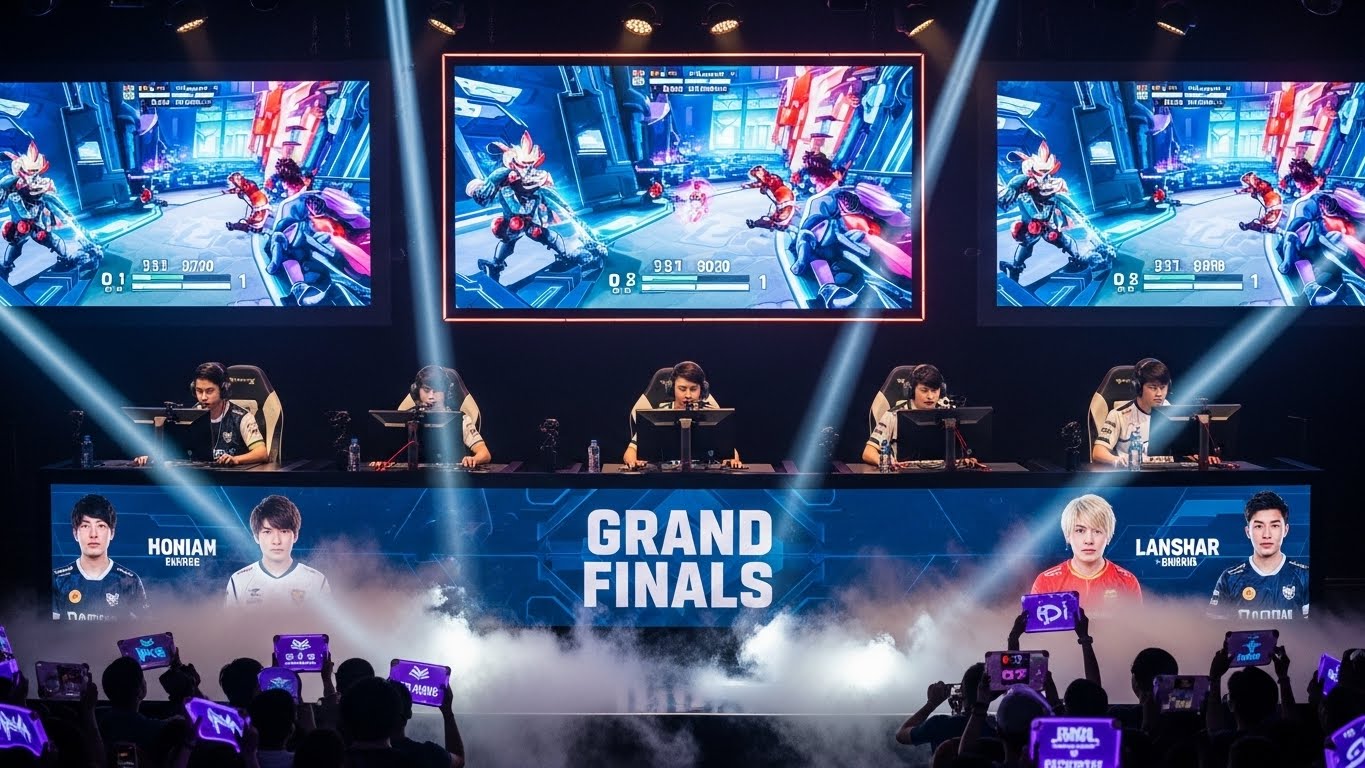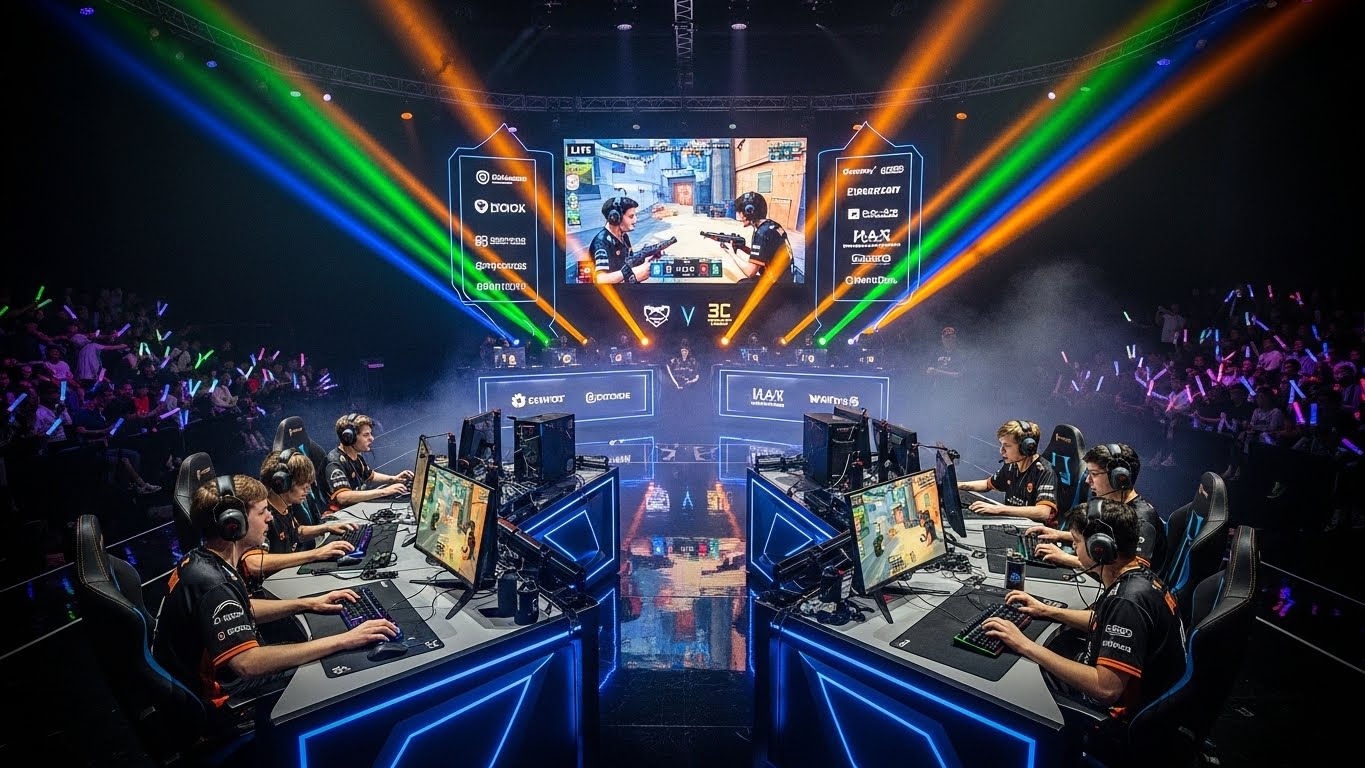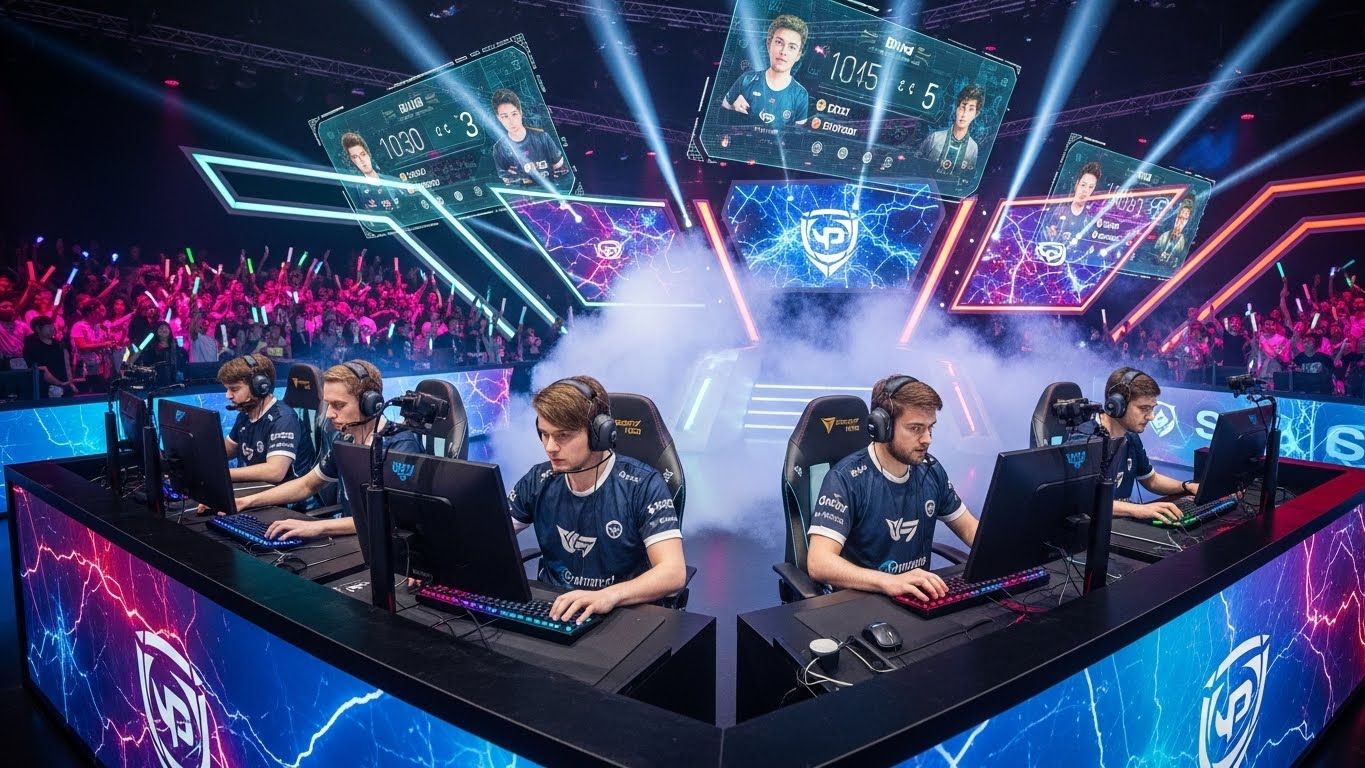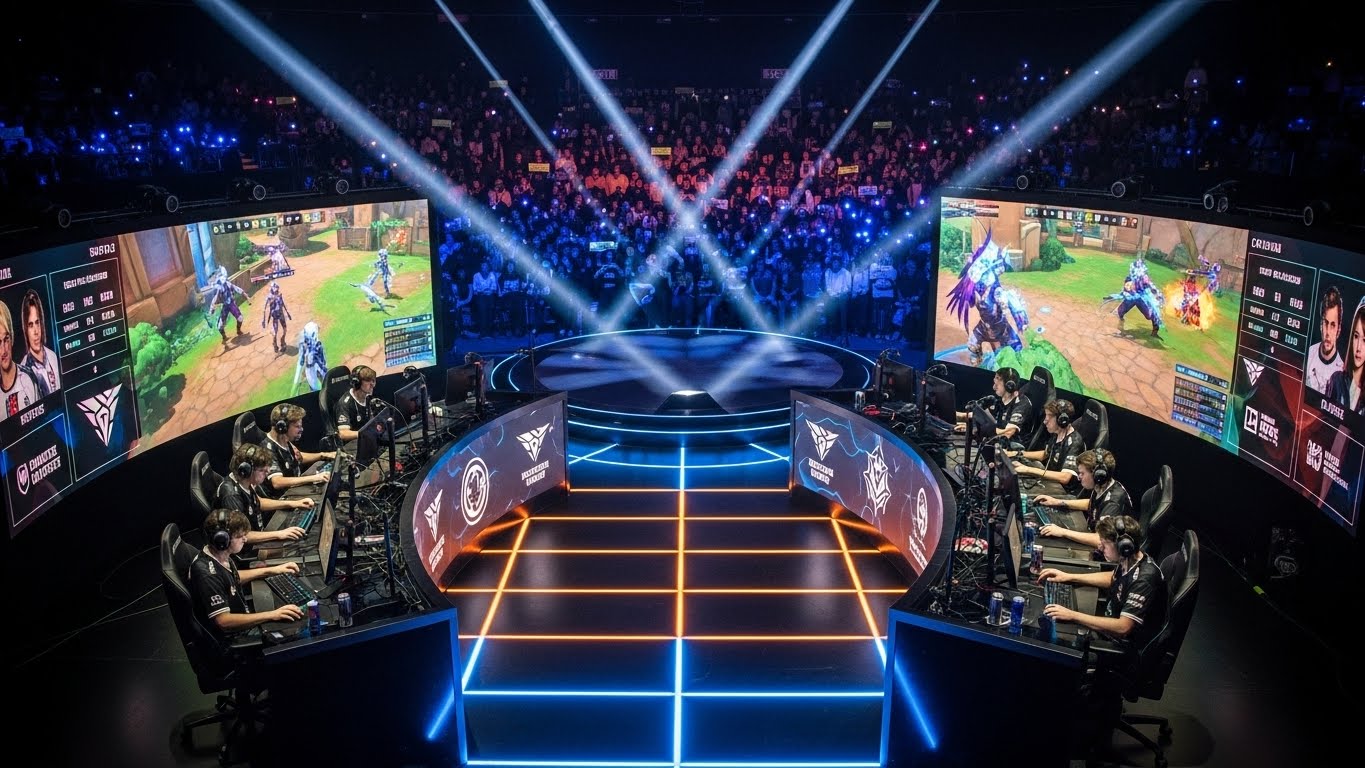
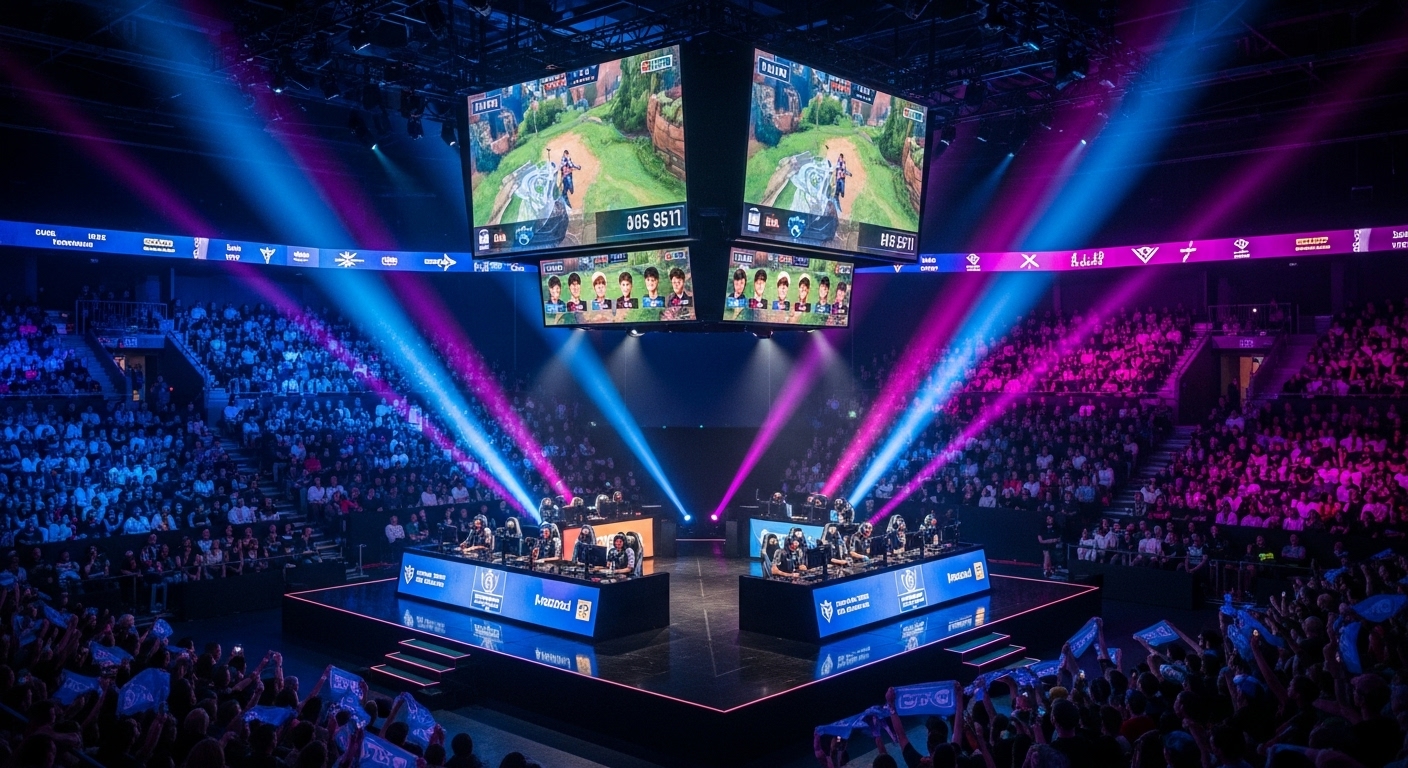
In recent years, a new form of competition has taken the world by storm—esports. What once seemed like a hobby for gamers has now grown into a multi-billion-dollar industry that attracts millions of fans globally. With professional players, massive tournaments, and a rapidly expanding ecosystem, esports is proving to be much more than just playing video games. It’s reshaping how we view competition, entertainment, and even traditional sports. In this post, we’ll explore the rise of esports, the reasons behind its success, and what the future holds for this digital revolution.
The Origins of Esports: From Casual Play to Global Phenomenon
Esports has humble beginnings, tracing its origins back to the 1970s when arcade games like Space Invaders first sparked competitive interest. However, it wasn’t until the 1990s and the advent of online gaming that the concept of esports began to take shape. Early online multiplayer games like Quake and Warcraft provided the first platforms for gamers around the world to compete against one another, paving the way for more organized competitive play.
The true birth of esports, however, occurred in South Korea during the early 2000s. With its advanced internet infrastructure and a strong gaming culture, South Korea became a hotspot for professional gaming. Tournaments like StarCraft and Warcraft III were broadcast on national television, and gamers began to gain celebrity status. This marked the turning point for esports—what was once a hobby became a professional sport with national recognition.
As the internet grew more accessible globally, competitive gaming spread to other parts of the world. The rise of streaming platforms, such as Twitch, and online tournaments made esports accessible to a broader audience, eventually turning it into a global phenomenon. What began as a niche activity now attracts millions of viewers and players worldwide.
Esports Today: A Multi-Billion Dollar Industry
Today, esports is a booming industry worth billions. In 2023, the global esports market was valued at over $1.5 billion and is projected to grow exponentially in the coming years. A large portion of this revenue comes from sponsorships, media rights, merchandise sales, ticket sales, and advertising. The industry has attracted major investors, including global brands like Coca-Cola, Intel, and Nike, who recognize the value of tapping into the large, engaged audience of esports fans.
One of the most significant contributors to esports’ growth is its digital nature. Esports isn’t restricted by geographic limitations—anyone with an internet connection can join in. This accessibility has allowed the esports community to thrive across the world, from North America and Europe to Asia and Latin America. Major esports tournaments now draw in millions of viewers both live and online, with fans tuning in to watch top-tier teams compete for prestigious titles and massive cash prizes.
Esports has also become a prime opportunity for advertisers and marketers. With a young, tech-savvy demographic, companies have embraced esports as a way to reach consumers in a way that traditional media cannot. This has led to the sponsorship of teams, tournaments, and individual players, further bolstering the economic viability of the industry.
The Players: From Gamers to Professional Athletes
A major factor behind the success of esports is the skill and dedication of its players. Much like traditional athletes, professional esports players spend countless hours refining their skills, developing strategies, and competing in high-pressure environments. Esports players are often considered elite athletes, with the mental and physical stamina required to perform at the highest level.
In popular games like League of Legends, Dota 2, Counter-Strike: Global Offensive, and Overwatch, players train like professional athletes, participating in intense practice sessions, team strategies, and scrims (practice matches). Many players sign contracts with professional esports organizations, which support them with salaries, training facilities, coaches, and travel arrangements for tournaments.
Players often develop a strong following, with many fans watching their streams, keeping track of their in-game performances, and supporting them through sponsorships or merchandise purchases. As a result, esports has created new opportunities for gamers to turn their passion into a profitable career. Some of the top players in the world earn millions of dollars annually through tournament earnings, sponsorships, and streaming revenue.
Esports organizations also hire coaches, analysts, and support staff to help their players perform at the highest level. This has created an entire ecosystem around competitive gaming, where not only players but also coaches, team managers, and analysts have become integral parts of the team. With the rising popularity of esports, it’s clear that competitive gaming is now a legitimate career option for many talented players.
The Spectators: A New Era of Entertainment
One of the most unique aspects of esports is its ability to captivate millions of fans, turning a gaming competition into a global spectator event. While traditional sports require physical stadiums and arenas, esports has made use of online streaming platforms to reach a massive audience without geographical limitations. Services like Twitch, YouTube Gaming, and Facebook Gaming allow fans to watch live streams of tournaments and follow their favorite players in real-time.
Esports tournaments like The International (Dota 2), League of Legends World Championship, and Overwatch League Finals have become major cultural events. These tournaments attract millions of viewers, often surpassing the viewership of traditional sports events. For example, the 2019 League of Legends World Championship Finals had over 100 million viewers, making it one of the most-watched esports events of all time.
Fans engage with the content in real-time, participating in live chats, donating to their favorite streamers, and supporting players through social media. This interactivity helps create a community where fans feel personally connected to the players and events they follow. In fact, many esports events have become social occasions, with fans gathering online or in person to watch the matches and share their excitement with others.
Technology and Innovation: The Backbone of Esports
The rapid growth of esports is closely tied to advancements in technology. Esports players rely on high-performance gaming hardware, including specialized computers, peripherals, and ultra-fast internet connections to compete at the highest levels. Modern esports competitions also utilize cutting-edge broadcasting technology to ensure that fans experience the action in the best possible way.
Esports streaming platforms like Twitch and YouTube Gaming offer high-definition broadcasts with low latency, allowing viewers to experience the action almost in real-time. These platforms also offer features like live chat, fan interaction, and integrated social media that make watching esports more engaging than traditional forms of entertainment.
Additionally, innovations like virtual reality (VR) and augmented reality (AR) are beginning to play a role in esports. VR esports is still in its early stages, but it has the potential to revolutionize the way we experience competitive gaming. Imagine being able to view a match from the perspective of a player, or even stepping into the game itself. While VR esports is still developing, it holds the promise of providing fans with an even more immersive experience in the future.
The Cultural Impact: Esports as a Global Movement
Esports has not only transformed entertainment but also shaped global culture. It has brought gaming into the mainstream and changed how we view video games. No longer seen as an isolated activity, gaming is now a social and professional pursuit that brings people together across the globe. Esports communities have created a space for gamers to bond over their shared interests and collaborate in new and exciting ways.
Esports has also been instrumental in breaking down the stereotypical image of gamers as reclusive or antisocial. Many players now serve as role models, showcasing the positive aspects of gaming—teamwork, perseverance, and dedication. The rise of female players, content creators, and diverse teams has also helped challenge gender and cultural norms, making esports more inclusive than ever before.
Moreover, esports has inspired the creation of educational programs and scholarships. Many universities and high schools now offer esports as part of their curricula, providing students with the opportunity to compete professionally while also obtaining an education. This has opened doors for young gamers who aspire to make esports their career.
The Future of Esports: Endless Possibilities
The future of esports looks incredibly promising. With its rapid growth, increasing investment, and the rising popularity of mobile gaming, esports is set to expand even further. The inclusion of esports in major sporting events such as the Asian Games and the ongoing discussions about its potential inclusion in the Olympics are signs that esports is gaining recognition as a legitimate and important part of the global sports ecosystem.
As technology continues to evolve, esports will likely see even more immersive experiences for fans and players alike. The integration of AI, VR, and AR could make esports events more interactive and engaging, pushing the boundaries of what we consider traditional sports entertainment. We may also see new games rise to prominence, offering fresh opportunities for players to compete and for fans to enjoy.
Additionally, the rise of mobile esports is expanding the accessibility of competitive gaming. With games like PUBG Mobile and Clash Royale leading the charge, esports is becoming more accessible to gamers across the globe, particularly in regions where PC gaming is less common. Mobile esports opens the door to millions of new players and fans, making esports an even more global phenomenon.
Conclusion: Esports—A New Era of Digital Entertainment
Esports has rapidly evolved from a hobbyist activity to a global cultural and economic force. From its early days in South Korea to its current status as a multi-billion-dollar industry, esports has shown no signs of slowing down. With dedicated players, passionate fans, and a growing professional scene, esports is now a cornerstone of the global entertainment landscape.