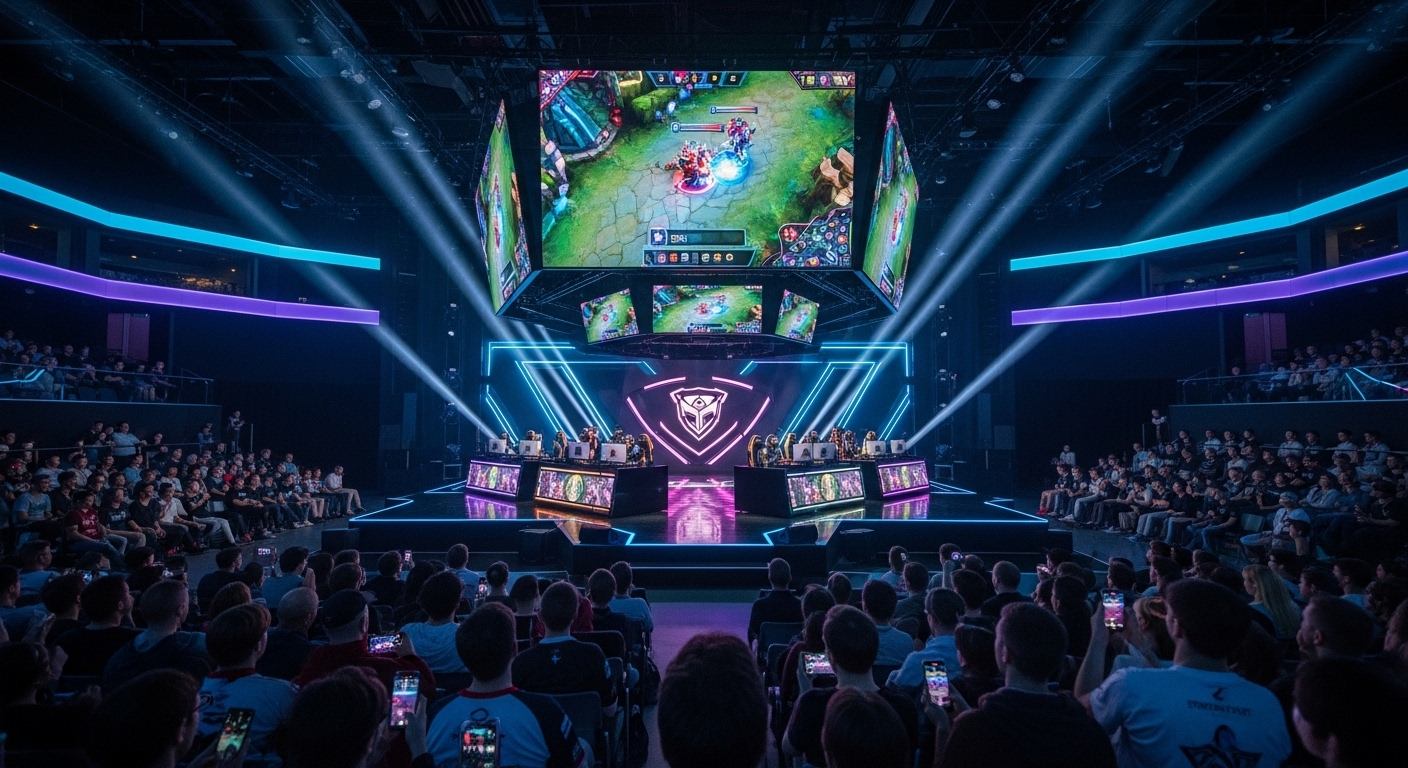
Introduction: The Surge of Esports in the Digital Age
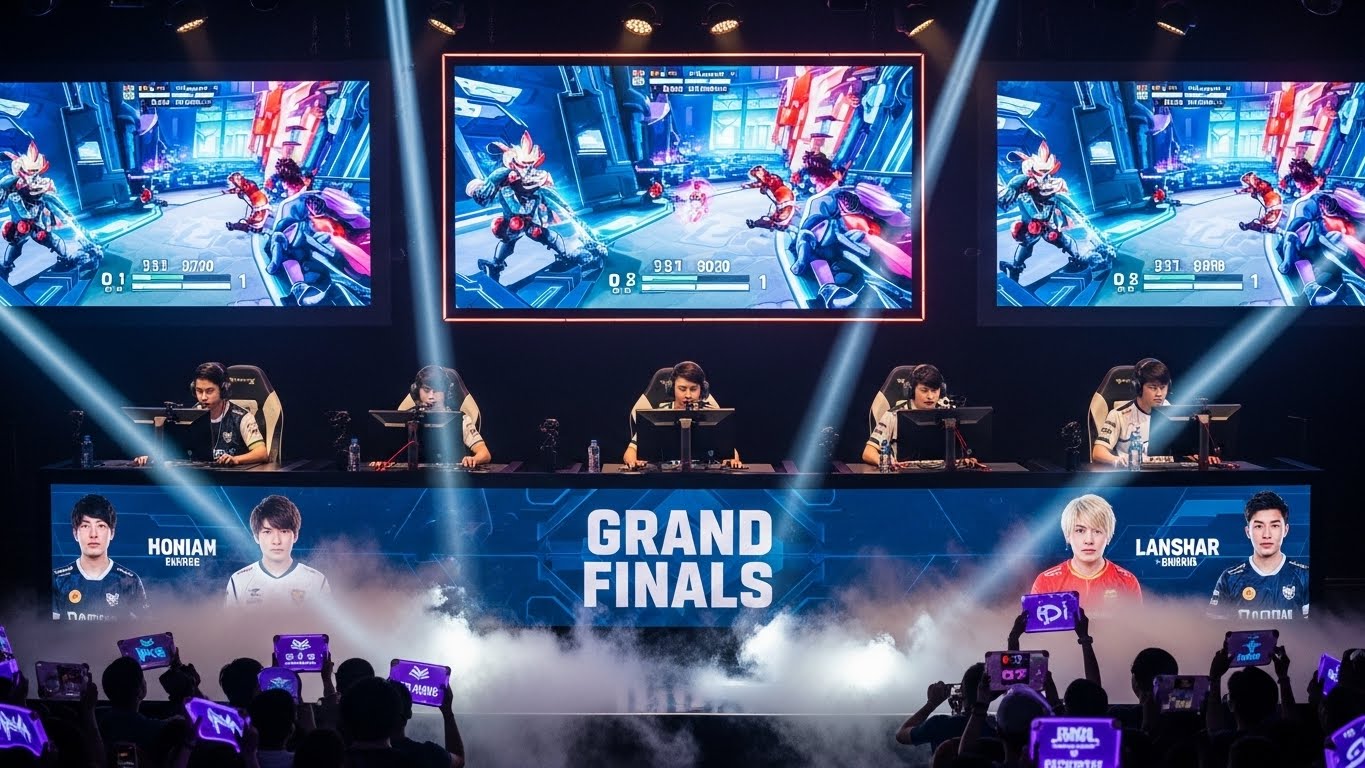
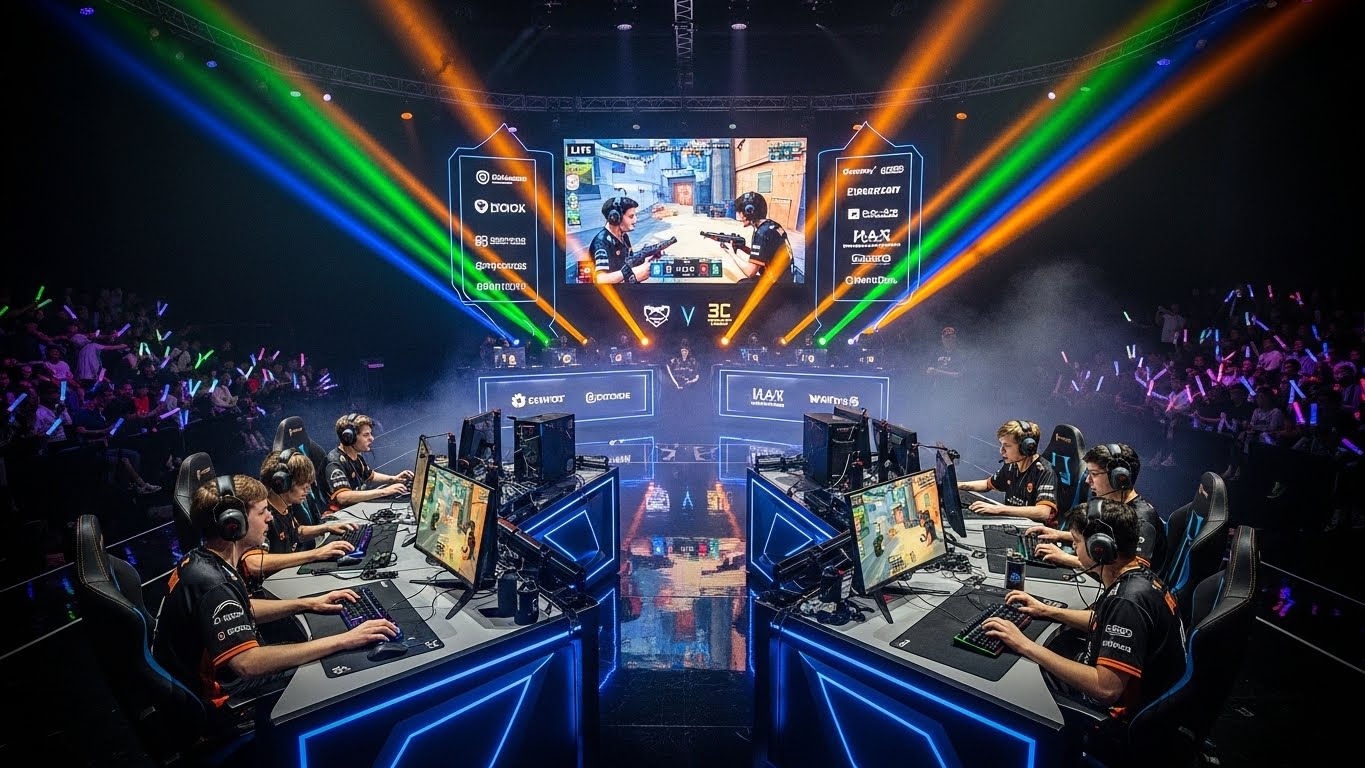
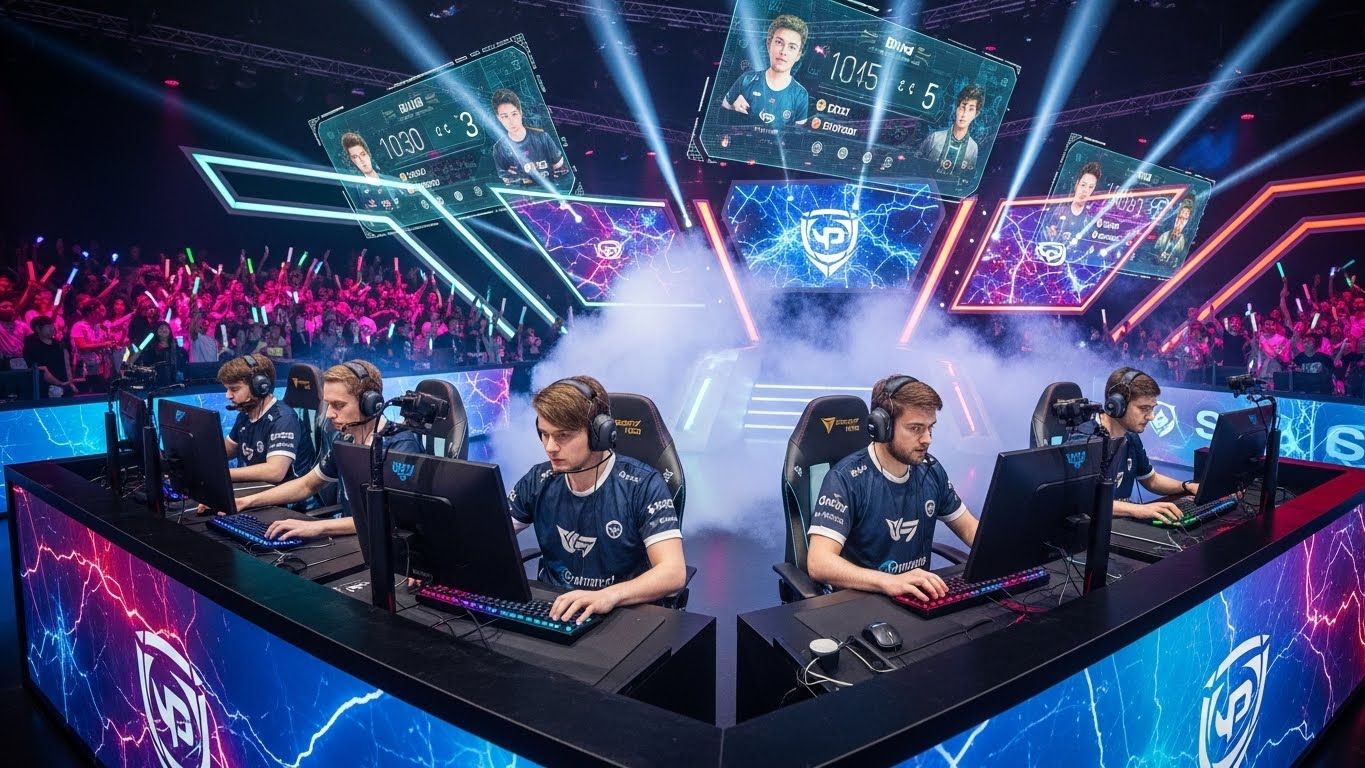
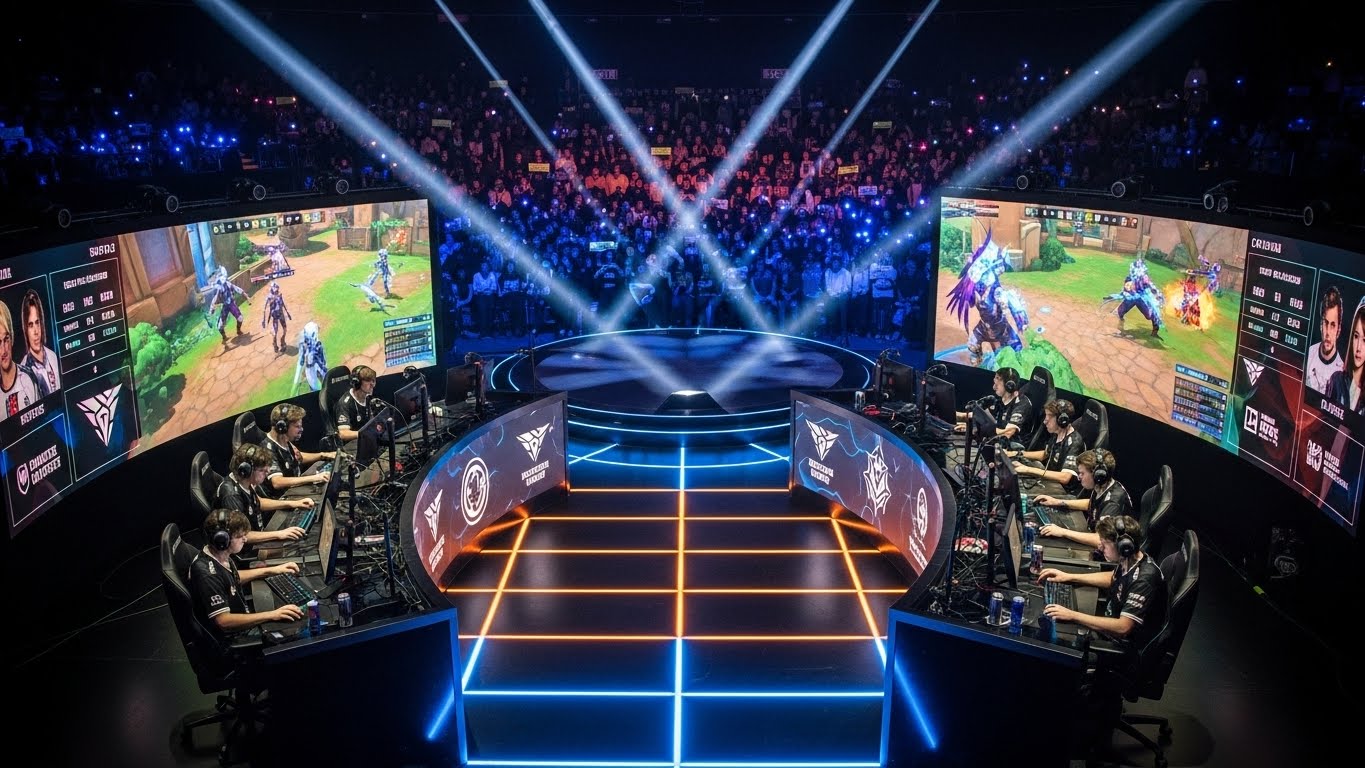
In the modern era, esports has transformed from a niche pastime into a dominant force in the world of entertainment. Once confined to small, local tournaments and online multiplayer matches, esports is now a global phenomenon that attracts millions of players and viewers from around the world. With prize pools soaring into the millions and a professional ecosystem that rivals traditional sports, esports has carved out its place as one of the most exciting and fastest-growing industries of the 21st century.
As technology advances and digital connectivity continues to improve, the esports landscape is evolving rapidly. Professional players, organized leagues, and massive live-streaming platforms have propelled competitive gaming to new heights, turning it into a multi-billion dollar business. This blog post will explore the rise of esports, the factors contributing to its success, and the future prospects of competitive gaming in a world that is increasingly digital.
What Exactly is Esports?
Esports, short for electronic sports, refers to competitive video gaming where individuals or teams face off in various popular video games. These games are often played professionally and follow specific formats, rules, and leagues. Unlike casual gaming, esports requires a level of expertise, strategy, and dedication that elevates it to a professional sport. Some of the most well-known esports titles include League of Legends, Dota 2, Counter-Strike: Global Offensive, Fortnite, and Overwatch.
Esports competitions can take many forms, from individual matches to massive team-based tournaments. The most prominent events are often broadcasted live on streaming platforms, with commentary from analysts, adding a layer of excitement and depth for viewers. These tournaments offer large cash prizes and attract sponsors from global brands, making them a highly lucrative avenue for players and organizers alike.
The History of Esports: From Arcade Games to Global Tournaments
The origins of esports can be traced back to the early days of gaming in the 1970s and 1980s, when arcade games like Pong and Space Invaders introduced competitive gameplay in local environments. However, it wasn’t until the 1990s that esports began to take shape in a more recognizable form. One of the earliest examples of competitive gaming was the Red Annihilation tournament for Quake in 1997, which marked one of the first large-scale competitions in the esports scene.
During the late 1990s and early 2000s, as internet connectivity improved, online multiplayer games like StarCraft and Warcraft became central to the competitive gaming scene. South Korea played a pivotal role in the development of esports culture, establishing dedicated television channels and esports leagues, which helped elevate professional gaming to new heights. In the United States and Europe, tournaments began to gain traction, leading to the formation of major international events like the World Cyber Games and the Electronic Sports World Cup.
However, it wasn’t until the mid-2000s that esports started to truly gain mainstream attention. The launch of games like League of Legends and Dota 2 changed the landscape of competitive gaming, with these titles becoming central to the esports ecosystem. Esports began to attract not only gamers but also a broader audience, with live streams and broadcasts drawing millions of viewers around the world.
The Professionalization of Esports: A New Industry Emerges
As esports grew, it underwent a process of professionalization. In the early years, competitions were largely community-driven and often took place in small venues or online. However, as the industry expanded, esports organizations began to form, offering contracts, sponsorships, and salaries to players. This shift turned esports into a legitimate career for skilled gamers, and the structure of the industry began to mirror traditional sports.
Esports organizations established their own teams, with players signing contracts to compete in tournaments around the world. Some games, like League of Legends and Overwatch, introduced franchised leagues that operate much like traditional sports leagues. These leagues offer players a steady income and the opportunity to compete in highly organized tournaments with significant cash prizes. Additionally, many esports teams employ coaches, analysts, and other support staff to help players improve their gameplay and performance.
With the increase in professionalization came greater attention from sponsors and investors. Major global brands such as Coca-Cola, Intel, and Red Bull began to invest in esports, sponsoring tournaments and teams. These partnerships brought significant funding into the industry and helped to further legitimize esports as a serious business. The growth of sponsorships and partnerships has helped ensure that esports remains financially sustainable and attractive to both players and investors.
Esports and Streaming: The Heart of the Spectator Experience
One of the key factors driving the growth of esports is the rise of live streaming platforms. Services like Twitch, YouTube Gaming, and Facebook Gaming have allowed fans to watch their favorite players and teams compete in real-time. These platforms also provide a space for gamers to interact with their audience, share strategies, and build a fanbase. Streaming has become an integral part of the esports ecosystem, offering fans a way to engage with competitions beyond traditional broadcasts.
Live streaming has also democratized access to esports, allowing anyone with an internet connection to watch professional competitions. With millions of viewers tuning in to watch events like The International (the annual Dota 2 tournament) or the League of Legends World Championship, esports has become a global spectator sport. Some of these events now rival traditional sports in terms of viewership, with the 2019 League of Legends World Championship final attracting over 100 million viewers.
The accessibility of streaming platforms has played a crucial role in the expansion of esports. Fans can watch their favorite teams and players live, follow updates, and even support content creators who stream games, providing new revenue streams for both creators and esports organizations. Additionally, streaming platforms allow fans to interact with each other, creating a sense of community around esports that fosters loyalty and engagement.
The Intersection of Esports and Traditional Sports
As esports continues to rise in popularity, it is increasingly intersecting with traditional sports. Many professional sports teams and leagues are investing in esports, seeing it as a valuable way to reach younger audiences who are more engaged with digital entertainment. For instance, football clubs like Paris Saint-Germain and Manchester City have created esports teams to compete in games like FIFA and Rocket League.
Some traditional sports organizations have even launched their own esports leagues. The NBA’s NBA 2K League, for example, allows players to compete in the NBA 2K video game, replicating the experience of the real NBA. In addition, major media outlets have begun to broadcast esports events, further integrating esports into mainstream entertainment. ESPN, for example, has started airing esports competitions, while sports networks like TBS and Fox Sports have included esports content in their programming.
These partnerships between esports and traditional sports are mutually beneficial. Esports allows traditional sports to engage with a younger, digitally native audience, while esports benefits from the legitimacy and credibility that comes with traditional sports’ backing. This convergence is a sign that esports is no longer just a passing trend but has established itself as a permanent fixture in the entertainment landscape.
The Future of Esports: Technology and Growth Opportunities
The future of esports looks incredibly promising. Technological advancements, such as the development of virtual reality (VR) and augmented reality (AR), are likely to shape the next phase of esports. VR could revolutionize the way games are played and watched, offering immersive experiences where players and fans alike can feel like they are part of the action. VR esports could allow viewers to step into the game and experience it from the perspective of the player, providing a new level of engagement and excitement.
Similarly, the rise of cloud gaming platforms has the potential to expand access to esports even further. With cloud gaming, players can participate in high-quality gaming experiences without the need for expensive hardware. This could lower the barriers to entry for new players and viewers, making esports more accessible to a global audience.
Furthermore, the integration of artificial intelligence (AI) and machine learning into esports is already underway. AI can help players improve their skills by providing insights into their gameplay, identifying weaknesses, and suggesting improvements. It can also be used to create more dynamic and unpredictable gaming environments, keeping tournaments fresh and exciting.
As esports continues to grow, there will be more opportunities for businesses and content creators to tap into this lucrative market. Sponsorships, merchandise sales, and live events will remain key revenue streams, and as the industry matures, new business models are likely to emerge.
The Economic Impact of Esports
Esports is not only a cultural phenomenon but also a significant economic force. In 2023, the global esports industry was valued at over $1 billion, and this number is expected to keep rising. Sponsorships and advertising play a major role in generating revenue, with companies from various industries eager to tap into the esports market.
Esports also creates jobs across a wide range of sectors, from professional players and coaches to event organizers and content creators. As the industry continues to expand, new career opportunities will arise in areas such as game design, marketing, streaming, and production. The growing popularity of esports is contributing to job creation and economic growth in regions where major tournaments and events are held.
Moreover, the rise of esports has spurred the development of specialized venues, such as esports arenas and training facilities, further contributing to local economies. These venues host live events, tournaments, and fan gatherings, providing additional opportunities for tourism and hospitality industries.