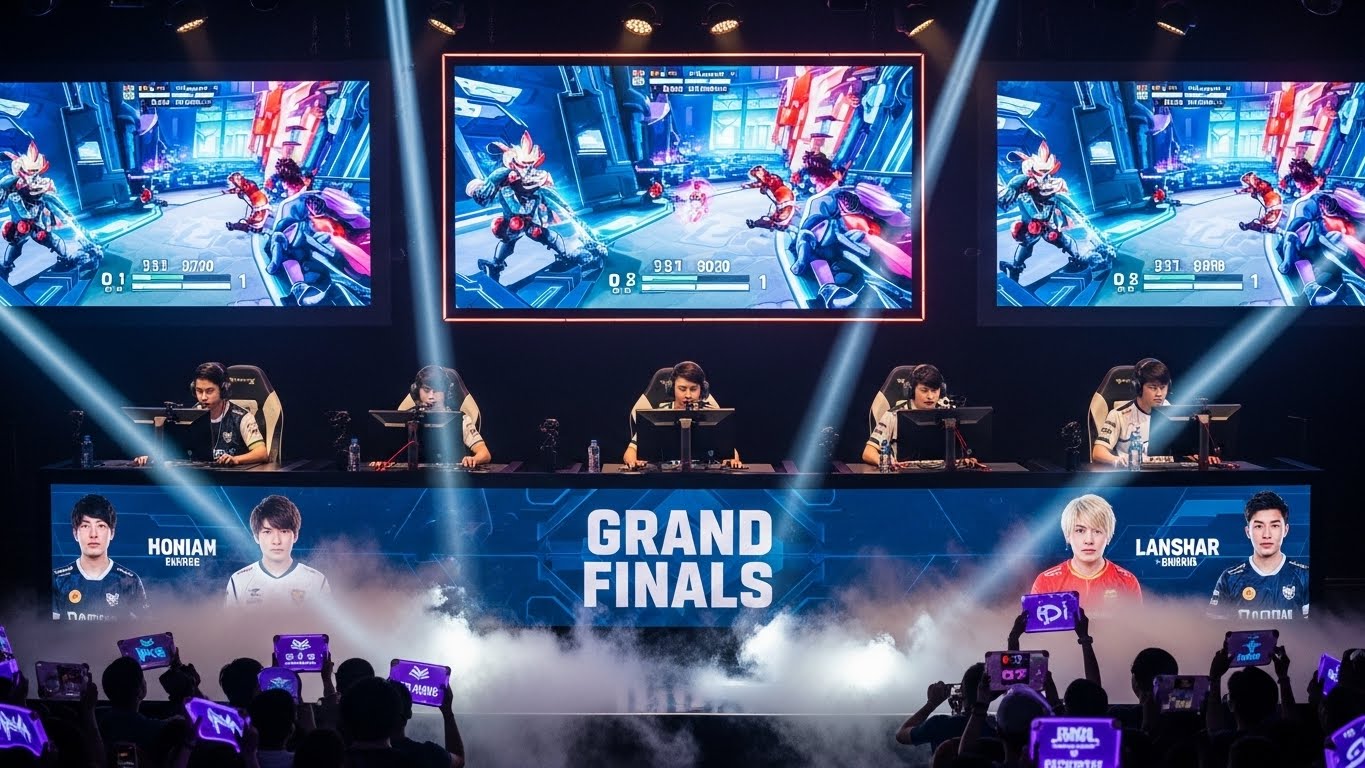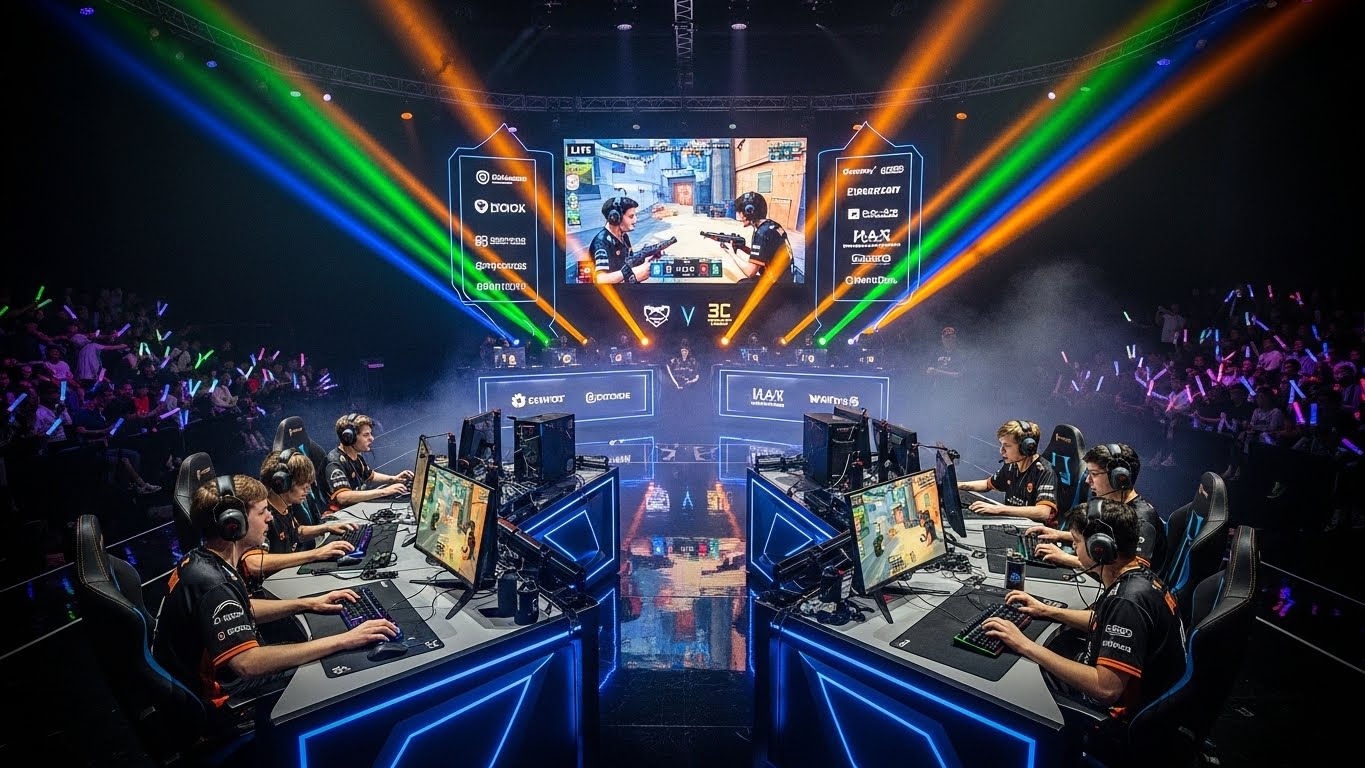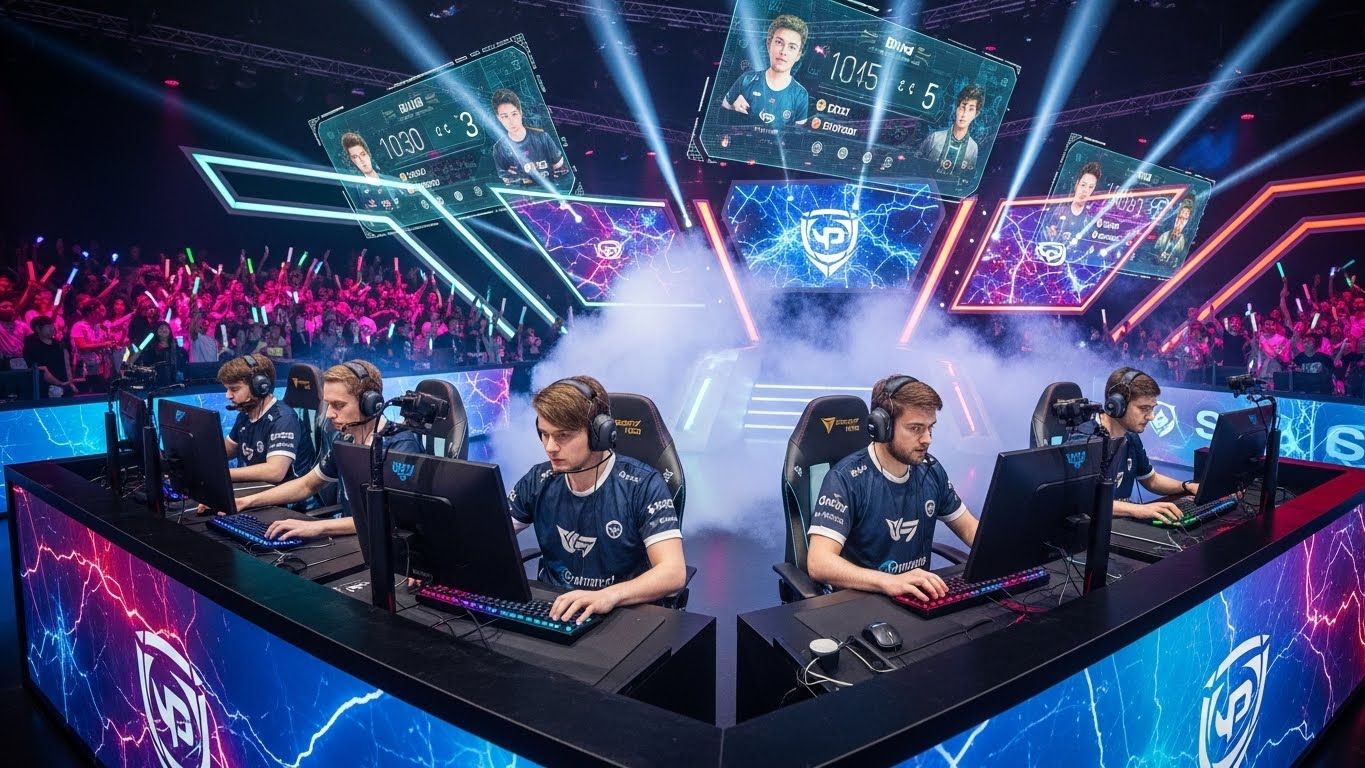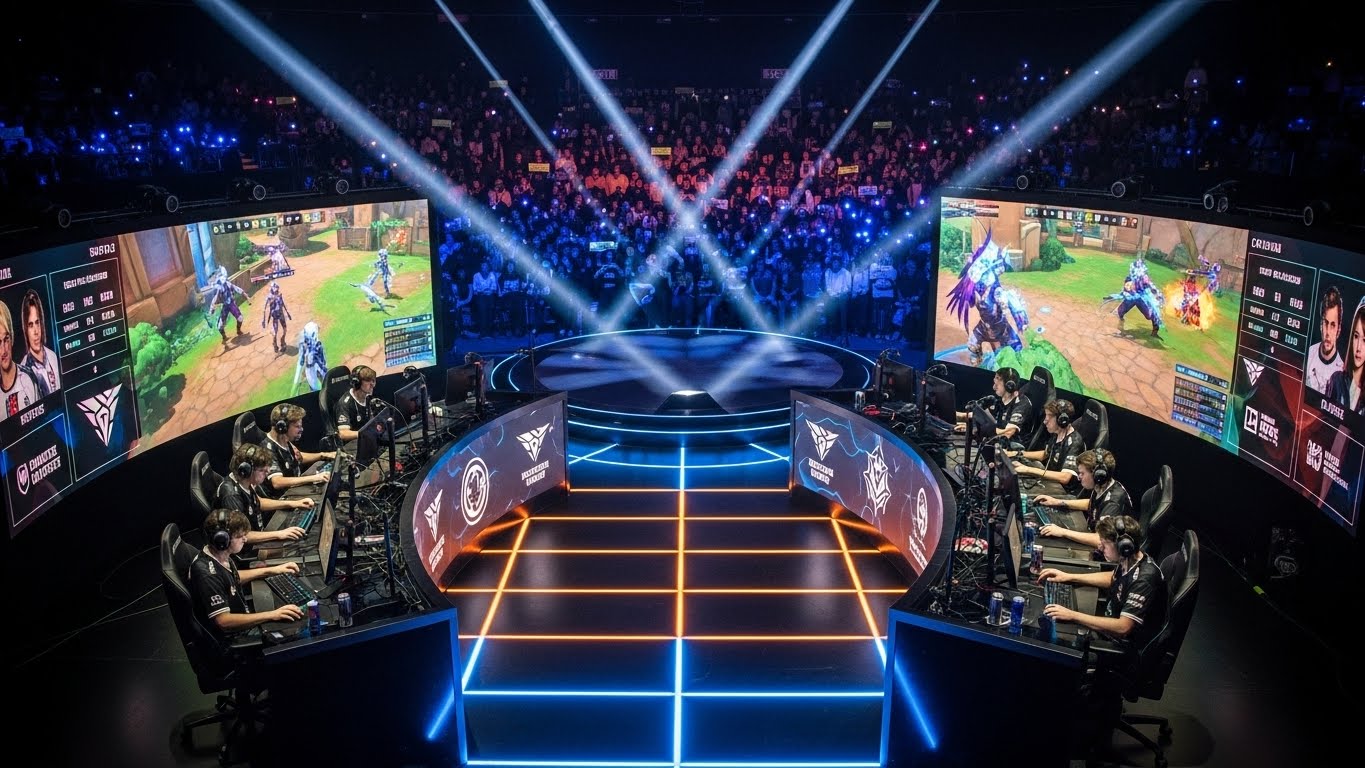
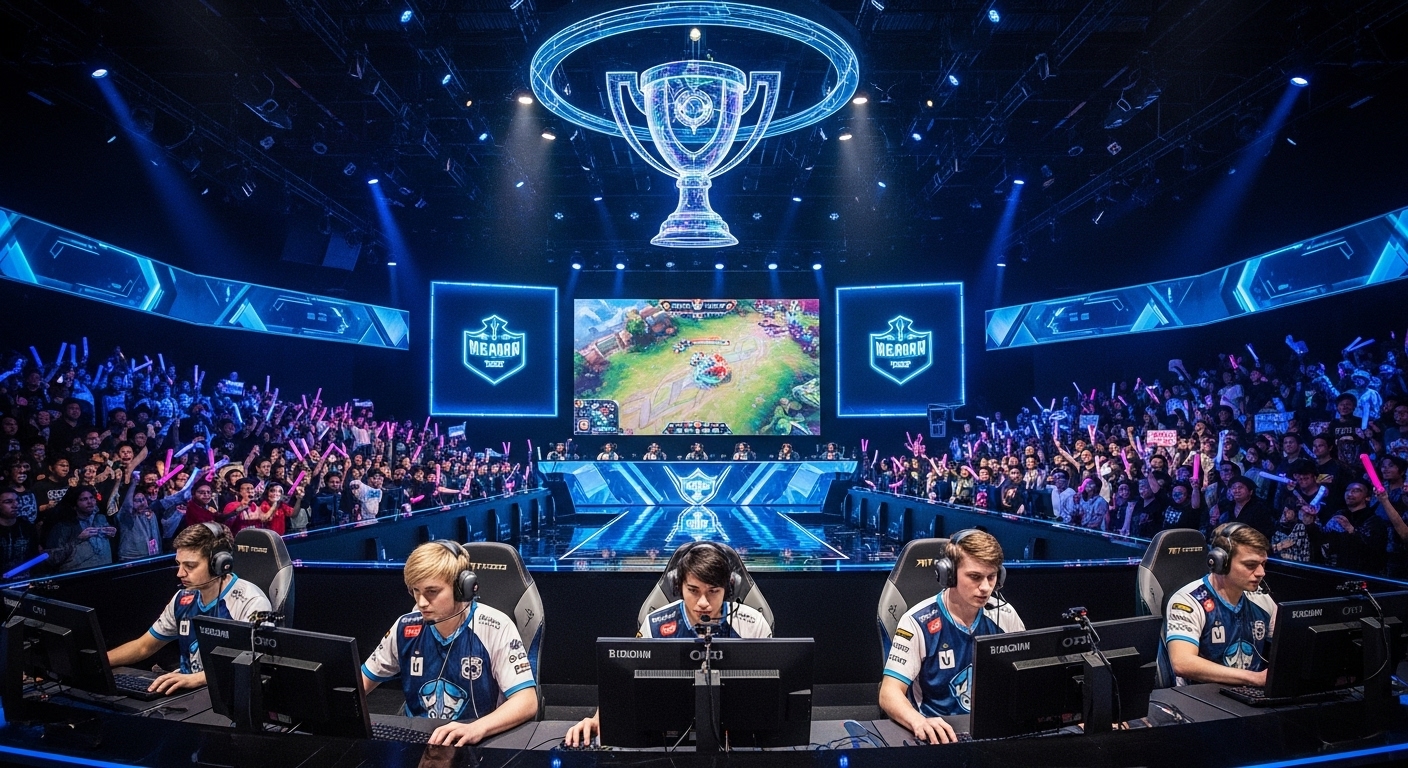
In a world where technology evolves at an exponential rate, one of the most exciting transformations has been the rise of esports. Once seen as a niche hobby for a small group of gamers, esports has exploded into a global industry, attracting millions of fans, enormous sponsorship deals, and prize pools that rival traditional sports. With its increasing presence in mainstream media, massive viewership numbers, and growing recognition as a legitimate form of competition, esports has proven that digital arenas can offer as much excitement, drama, and skill as physical sports.
This blog post delves into the world of esports: its history, growth, impact on traditional sports, and what the future holds for this exciting industry. If you’re new to esports or just curious about what makes this digital competition so captivating, this article will break it down for you.
The Birth of Esports: From Hobby to Global Phenomenon
The history of esports traces back to the early 1990s when competitive gaming was an underground activity among gamers, mostly confined to local tournaments. However, it wasn’t until the late 1990s and early 2000s that esports started to gain traction as a serious competitive scene. With the development of online multiplayer games and the rise of internet cafes, competitive gaming began to take on a more organized and professional format.
One of the first widely recognized esports tournaments was the Red Annihilation competition in 1997, which was held for the game Quake. It drew attention for being one of the first major esports events that offered both a significant cash prize and national recognition. Over the next few years, more games began to cultivate competitive scenes, and in the early 2000s, StarCraft, particularly in South Korea, helped catapult esports into mainstream culture.
However, the true turning point for esports came with the advent of streaming platforms like Twitch in 2011. The ability to broadcast live gaming events to a global audience through these platforms provided a level of accessibility and visibility that had never been seen before. Esports had officially gone global.
The Structure of Esports: From Players to Leagues
The growth of esports has led to the creation of professional leagues, tournaments, and organizations that mirror traditional sports in structure. Professional teams, coaches, analysts, and support staff now play an integral role in the ecosystem of esports. Today, esports teams are much like any other sports franchise, with their own facilities, team logos, sponsorships, and dedicated fanbases.
The esports industry is diverse, with many different games offering various competitive formats. Some games are played in a team format, while others are solo competitions. Some of the most notable esports games are League of Legends, Dota 2, Counter-Strike: Global Offensive (CS: GO), Fortnite, Overwatch, and Call of Duty. These games not only provide entertainment for players but also offer serious competition that can lead to professional careers.
Professional Players and Teams
In the early days of esports, most players competed for fun or small prizes. However, today’s professional esports players are full-time athletes, with salaries, endorsement deals, and contracts with major esports organizations. These players train just as hard as athletes in traditional sports, focusing on strategy, communication, and execution to win tournaments and championships.
Esports teams, like traditional sports teams, are composed of a mix of talent, with specialized roles depending on the game. In League of Legends, for instance, there are players specializing in areas like top lane, jungle, mid lane, bot lane, and support. Each role requires a different set of skills, and it takes incredible teamwork to succeed at the highest levels of play.
Esports Tournaments and Leagues
Esports tournaments have become the centerpiece of the industry, offering thrilling competitions that are broadcast worldwide. One of the largest and most prestigious esports tournaments is The International for Dota 2, which boasts prize pools in the tens of millions of dollars. League of Legends also holds its World Championship every year, which attracts millions of viewers from around the world.
In addition to these major events, there are a number of professional leagues for different games. The Overwatch League (OWL), the Call of Duty League (CDL), and the League of Legends Championship Series (LCS) are just a few examples of how esports has become as organized as traditional sports leagues. These leagues bring together top players from around the world to compete in a structured format, ensuring that fans can watch high-level competition regularly.
The Global Appeal of Esports
What sets esports apart from traditional sports is its accessibility. While traditional sports often require physical venues, expensive equipment, or specific locations (like stadiums or courts), esports can be played by anyone with access to a computer or gaming console. This has allowed esports to grow rapidly, particularly in regions where physical infrastructure for traditional sports may be lacking.
Esports in Asia
South Korea is considered the birthplace of modern esports. It was there that StarCraft tournaments first gained national recognition, and the government even supported esports by broadcasting tournaments on national TV. The country’s dedication to gaming culture has led to a thriving esports ecosystem, and players from South Korea are regarded as some of the best in the world.
Other countries in Asia, such as China and Japan, have also seen explosive growth in esports. In fact, China is home to some of the largest esports tournaments, with games like League of Legends and Dota 2 attracting massive local followings. The presence of major Chinese esports organizations, such as Invictus Gaming and FunPlus Phoenix, has further cemented Asia as a dominant region in competitive gaming.
Esports in North America and Europe
While esports initially grew in popularity in Asia, North America and Europe have since become major hubs for competitive gaming. In North America, major cities like Los Angeles and Toronto have become esports capitals, hosting tournaments and attracting top-tier teams. The rise of leagues like the Overwatch League and the Call of Duty League has helped make esports more accessible and attractive to fans in these regions.
In Europe, the gaming community has embraced esports, with countries like Sweden and the UK producing some of the most successful teams in the world. European players have historically dominated Counter-Strike tournaments, and the continent is home to several of the biggest esports organizations, such as Fnatic and G2 Esports.
Esports and Traditional Sports: A Growing Intersection
One of the most fascinating developments in esports is its growing intersection with traditional sports. For many years, esports was seen as separate from traditional athletics. However, this divide is starting to blur as more traditional sports teams invest in esports and view it as an opportunity to reach new, younger audiences.
Many professional sports organizations are now establishing their own esports teams. For example, the NBA launched the NBA 2K League, a competitive esports league based on the NBA 2K video game series. Similarly, football clubs like Paris Saint-Germain and Manchester City have entered the esports scene by acquiring teams to compete in games like FIFA and League of Legends.
Traditional sports figures are also increasingly involved in esports. Former NBA star Rick Fox founded his own esports organization, Echo Fox, which competed in League of Legends and Street Fighter. More recently, celebrities like David Beckham and Shaquille O’Neal have taken stakes in esports organizations, seeing the potential to expand their brand into the digital space.
The Financial Landscape of Esports
Esports has quickly become a multi-billion-dollar industry, with substantial revenue streams from sponsorships, media rights, merchandise, and ticket sales. In 2020, the global esports market was valued at over $1 billion, and this figure is expected to grow significantly in the coming years. Sponsorships play a massive role in the financial success of esports, with major brands like Intel, Coca-Cola, and Red Bull investing heavily in teams and tournaments.
Media rights are another crucial source of income for the esports industry. The rise of streaming platforms like Twitch and YouTube has given esports tournaments an unprecedented global audience, attracting companies willing to pay for exclusive broadcasting rights. This model mirrors that of traditional sports, where networks like ESPN pay millions to secure the rights to air events.
The Future of Esports: Where Is It Headed?
As esports continues to grow, it’s clear that the industry is far from reaching its peak. Several trends are likely to shape the future of competitive gaming:
1. Esports and Education
As esports becomes more mainstream, educational institutions are beginning to embrace it as both a sport and a field of study. Many colleges and universities are now offering esports programs, and some have even established competitive teams to compete in collegiate leagues. This trend is likely to continue, helping to develop a new generation of professional gamers, coaches, and analysts.
2. Technological Advancements
The future of esports will also be influenced by advances in technology. Virtual reality (VR) and augmented reality (AR) could provide entirely new ways for players to compete, offering more immersive and interactive experiences for both players and viewers. Additionally, innovations in artificial intelligence (AI) and machine learning may improve gameplay analysis and help players and teams refine their strategies.
3. Increased Global Reach
Esports will continue to expand into regions that have traditionally been underserved, such as Africa, the Middle East, and Southeast Asia. As internet infrastructure improves and gaming becomes more accessible, these regions will become integral parts of the global esports ecosystem.
Conclusion: The Unstoppable Rise of Esports
Esports has evolved from a niche hobby to a global industry with millions of fans, professional players, and massive financial backing. Its growth is a testament to the changing nature of entertainment and competition in the digital age. With its rapid expansion, increasing crossover with traditional sports, and the potential for new technological innovations, esports is set to continue