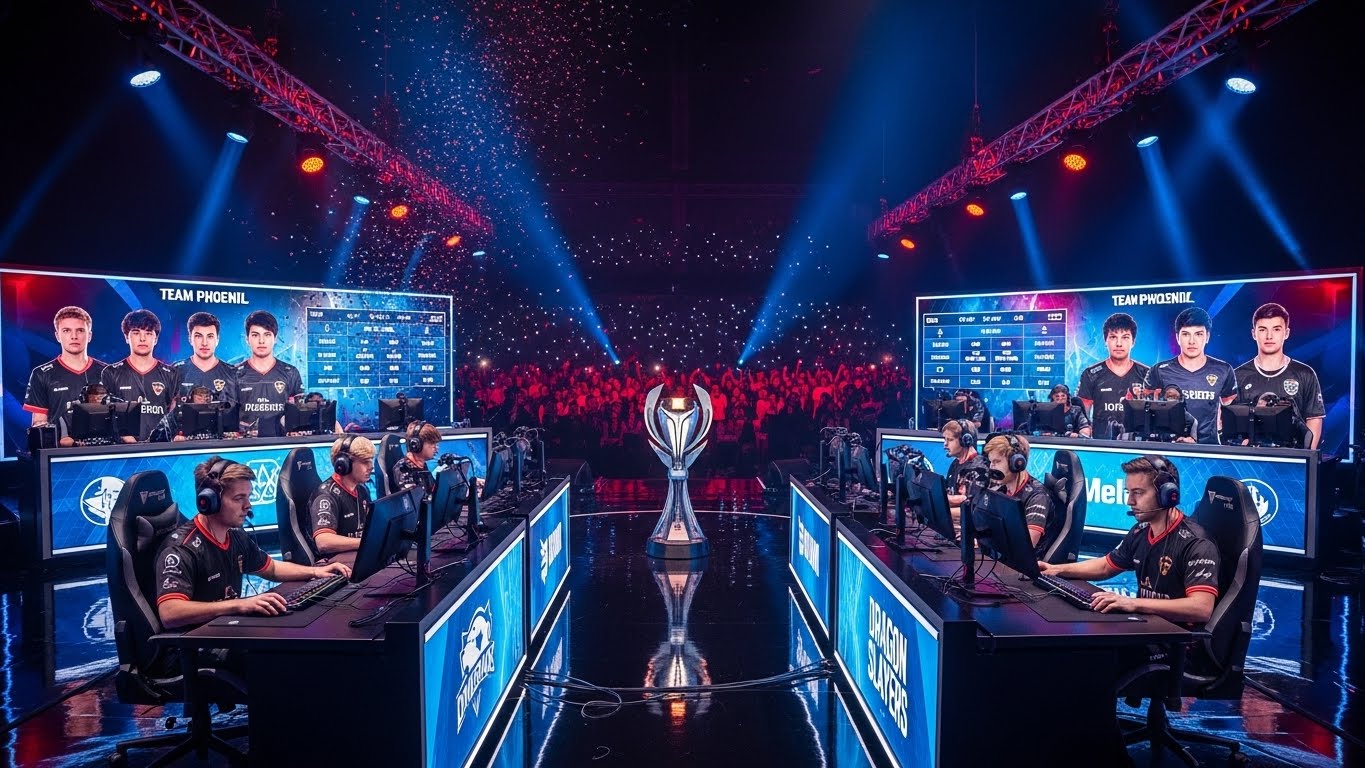
Introduction: The Rise of a Digital Phenomenon
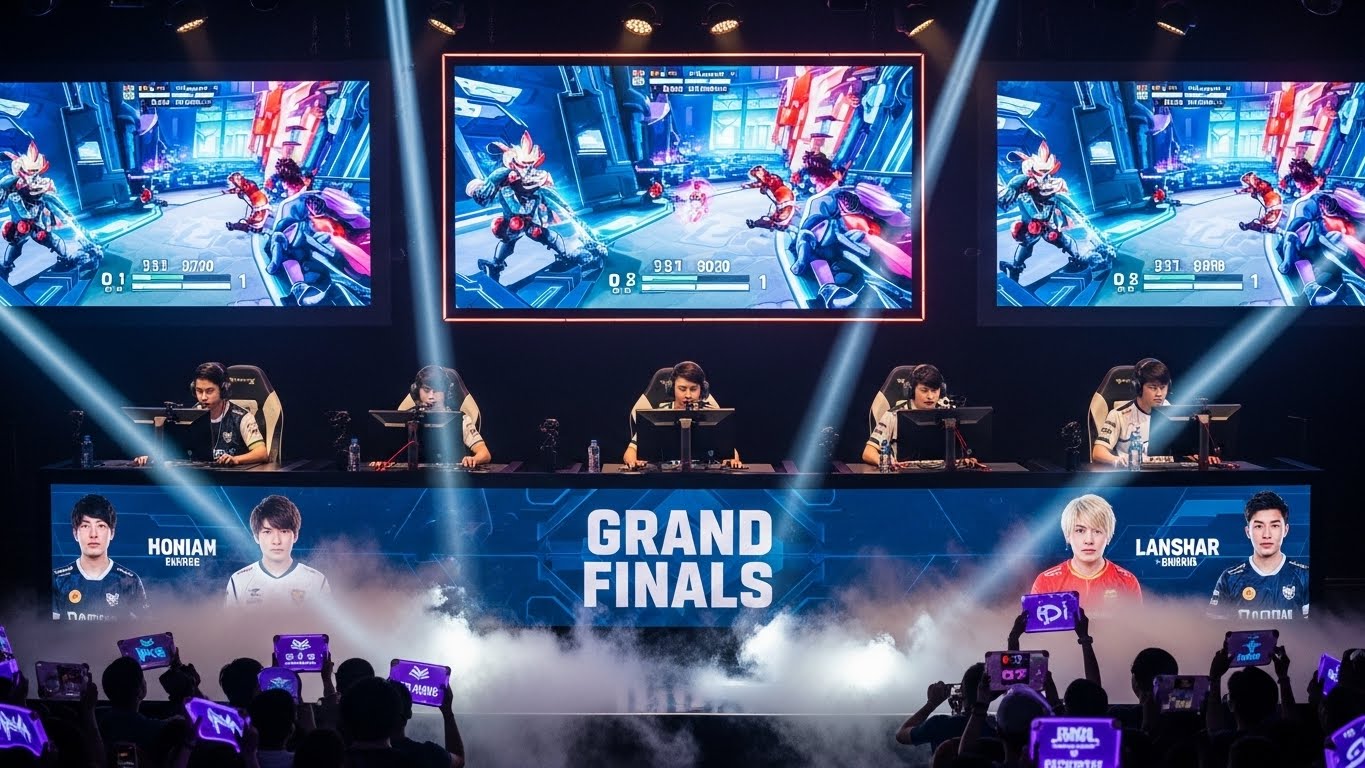
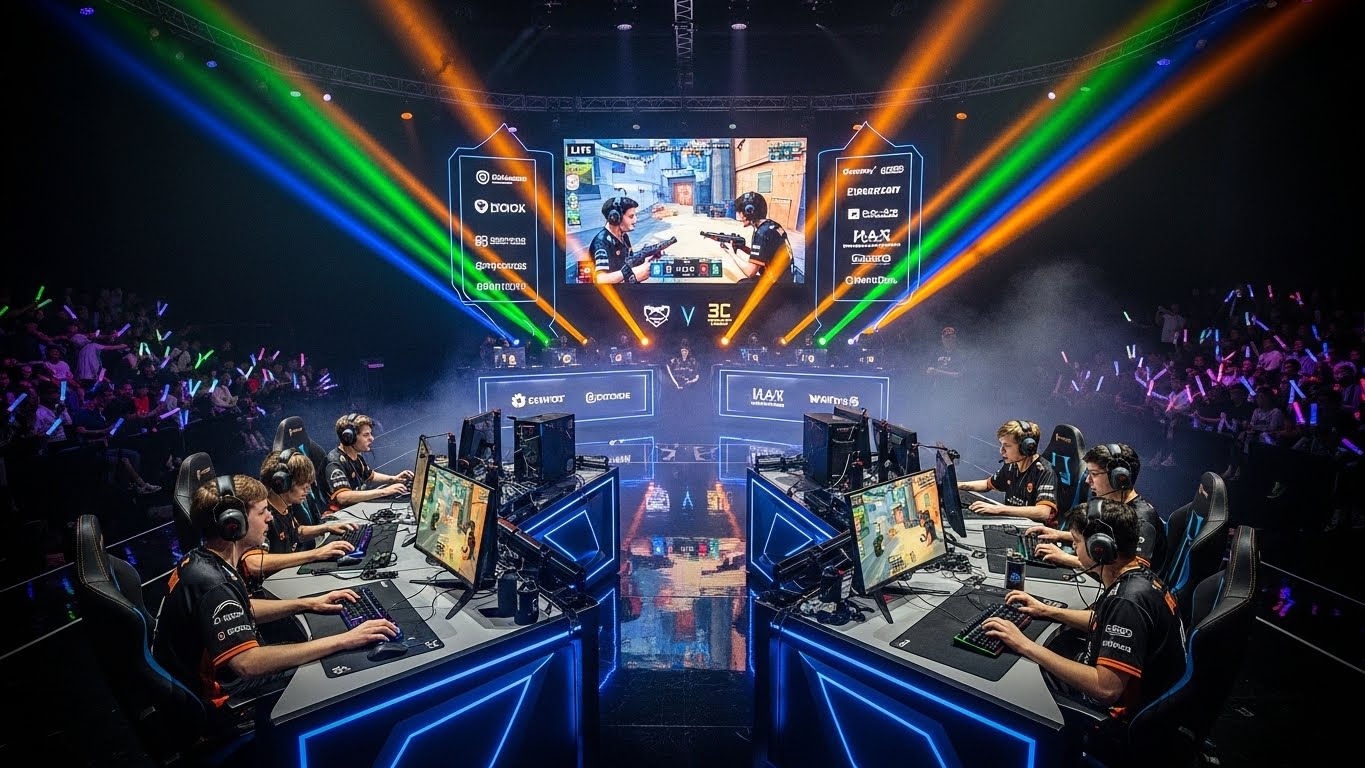
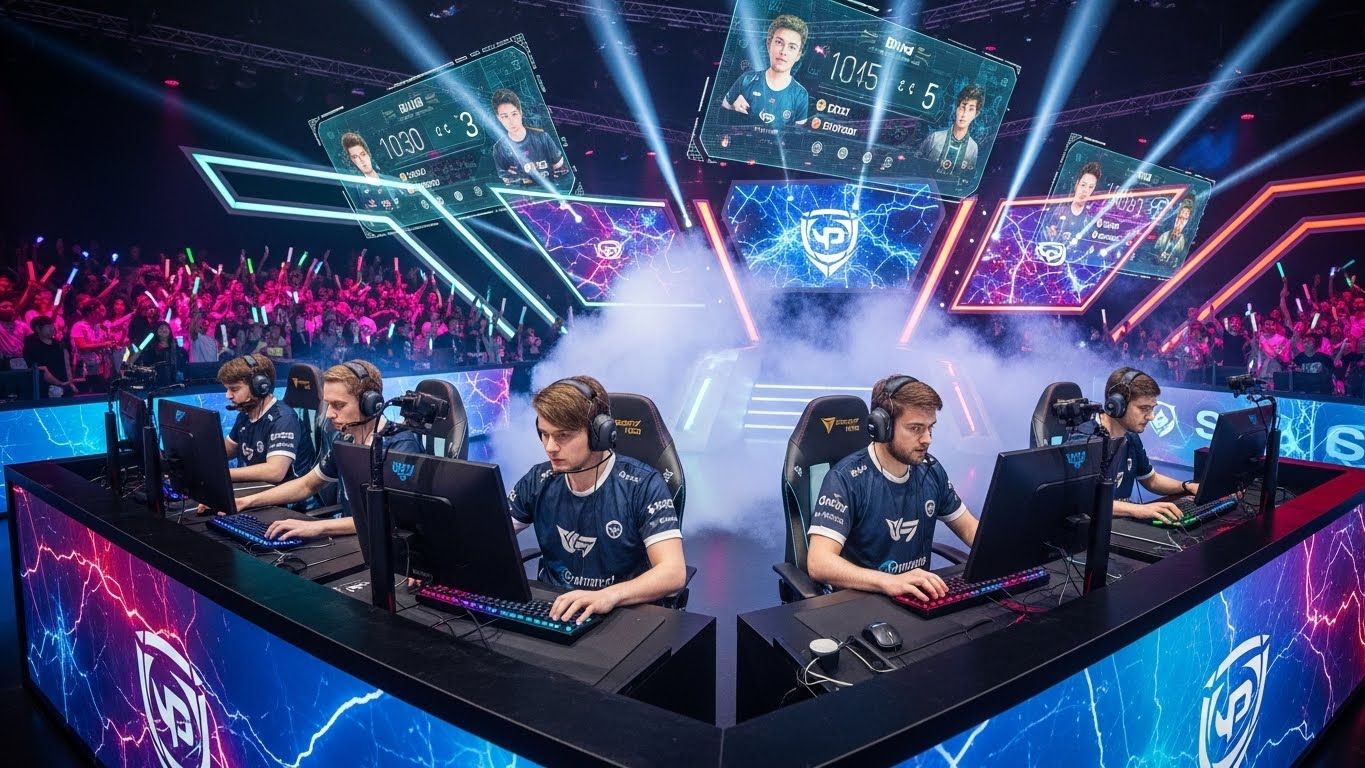
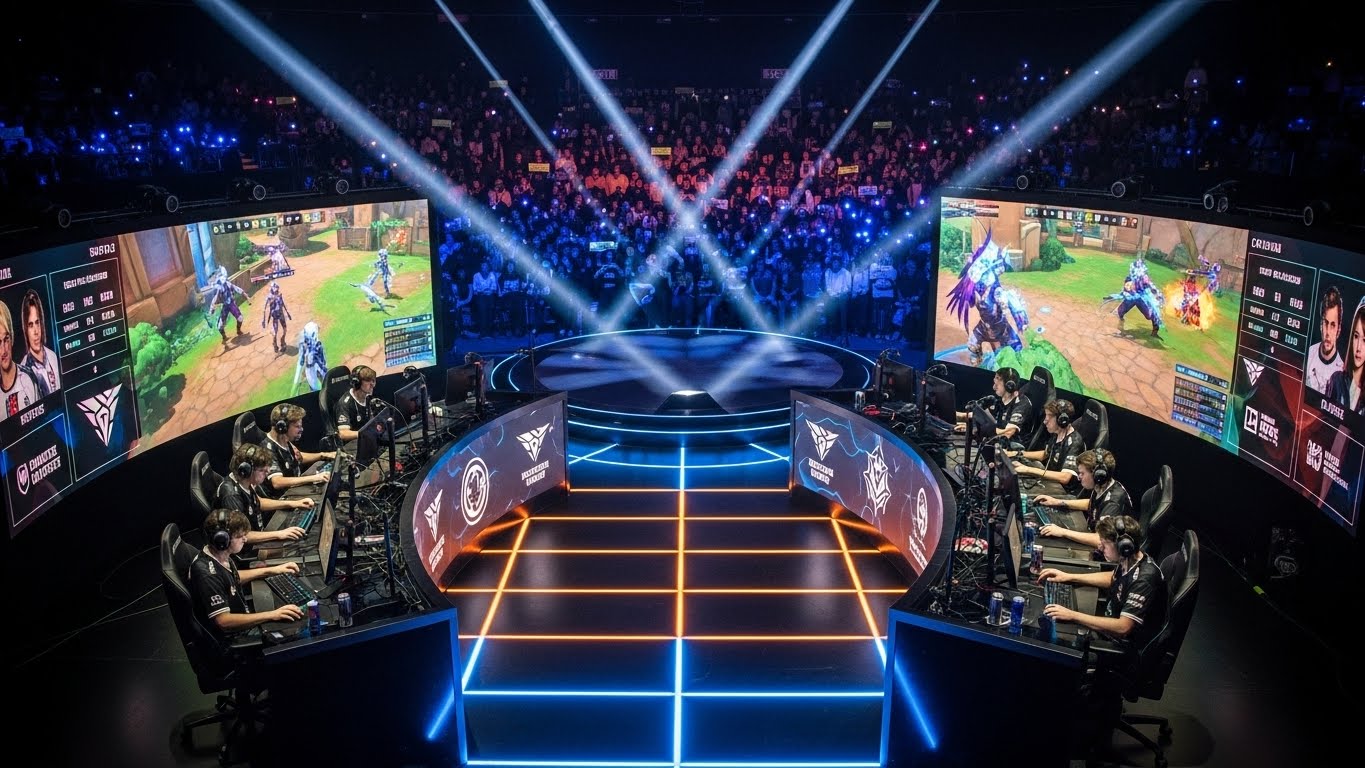
Esports, short for electronic sports, has grown from a niche hobby into a global cultural phenomenon. What began as casual video gaming in the homes of teenagers and college students has transformed into a professional, organized industry that rivals traditional sports in both scale and influence. Competitive gaming now features professional players, international tournaments, sponsorships, and streaming platforms that attract millions of viewers worldwide.
Esports represents more than just entertainment. It reflects changes in how people socialize, consume content, and pursue careers. The digital arena has become a space where strategy, skill, and teamwork converge, creating a form of competition that mirrors the intensity and excitement of traditional sports while embracing technology in a unique way.
A Brief History of Esports
The history of esports spans several decades, beginning with simple competitions in the 1970s and 1980s. One of the earliest recorded video game tournaments took place at Stanford University in 1972 for the game “Spacewar.” As video games became more popular, local arcade competitions emerged, featuring games like “Pac-Man” and “Street Fighter.” These early events laid the foundation for the organized competitive scenes that would follow.
The 1990s brought a significant shift with the rise of multiplayer PC games and the spread of the internet. Games such as “Quake” and “StarCraft” enabled players to compete across the globe, fostering the first international esports communities. In South Korea, professional gaming gained national recognition, particularly around StarCraft, demonstrating that competitive gaming could be taken seriously as a career and a spectacle.
By the 2000s, esports began to evolve into a structured industry with leagues, sponsorships, and streaming platforms. Today, esports is a multi-billion-dollar sector with tournaments, franchises, and professional players who have the same fame and influence as traditional athletes.
The Esports Ecosystem
Esports today is an interconnected ecosystem composed of players, teams, tournaments, organizers, sponsors, and fans. Professional players dedicate hours each day to practice, often focusing on teamwork, strategy, and individual skill. Teams operate like sports franchises, with coaches, analysts, and support staff helping players optimize performance.
Tournaments are the lifeblood of esports, ranging from small online competitions to massive global events with prize pools reaching millions of dollars. These tournaments are often broadcast live on streaming platforms, creating entertainment experiences that attract viewers worldwide.
Fans play a critical role in the ecosystem. They follow their favorite players and teams, engage in online communities, and participate in fan culture that parallels traditional sports fandom. Sponsorship and advertising further fuel the industry, with brands investing heavily to reach a young, engaged audience through esports content.
The Role of Technology in Esports
Technology is at the core of esports’ rapid growth. High-speed internet, powerful gaming hardware, and streaming platforms allow players to compete and audiences to watch in real-time. The development of advanced graphics and realistic game engines has made esports more visually engaging and strategically complex.
Emerging technologies, including virtual reality and augmented reality, are set to redefine esports further. VR competitions offer fully immersive gameplay experiences, while AR could enhance live spectator events with interactive overlays and real-time data. Additionally, artificial intelligence and analytics play an increasing role in training, strategy, and performance evaluation. Professional teams use data-driven insights to optimize gameplay, showing that esports is as much about mental agility and planning as it is about quick reflexes.
The Social Impact of Esports
Esports has a significant social impact, fostering global communities and providing opportunities for connection. Online platforms allow players to collaborate, compete, and socialize regardless of geography, creating diverse, international networks. Fans contribute to this community by discussing strategies, celebrating victories, and sharing experiences online.
Competitive gaming also teaches valuable life skills. It develops teamwork, strategic thinking, problem-solving, and resilience under pressure. Many players transition into careers as professional gamers, coaches, analysts, or content creators, demonstrating that esports can be a legitimate path to professional growth.
Furthermore, esports challenges outdated perceptions of gaming. It highlights that video games can require discipline, intelligence, and creativity, transforming gaming into a respected and recognized professional pursuit.
Challenges Facing the Industry
Despite its explosive growth, esports faces significant challenges. One major concern is the sustainability of professional gaming careers. The demands of rigorous practice schedules can lead to burnout, mental health issues, and physical strain. Unlike traditional sports, esports lacks standardized career transition programs, leaving players vulnerable once they retire from competition.
Inclusivity and diversity remain pressing issues. Certain groups, particularly women and minorities, are underrepresented in professional esports, and toxic behavior within gaming communities continues to be a challenge. Addressing these issues is essential for the long-term growth and reputation of the industry.
Legal and regulatory challenges also exist. Intellectual property rights, sponsorship contracts, and broadcasting agreements are complex, and disputes in these areas can disrupt teams and tournaments. Establishing clear regulations will be crucial as the industry matures and grows.
Cultural Significance of Esports
Esports is more than a competitive pursuit; it is a cultural phenomenon. It combines entertainment, technology, and artistry, creating narratives and experiences that resonate with audiences. The personalities of professional players, the rivalries between teams, and the excitement of tournaments contribute to a vibrant culture that extends beyond the games themselves.
Esports also intersects with other cultural areas such as music, fashion, and streaming entertainment. Collaborations between esports and these industries broaden the appeal of competitive gaming, creating hybrid experiences that attract diverse audiences. This cultural integration emphasizes that esports is not just a pastime but a defining element of modern digital culture.
Education and Esports
Education systems worldwide are beginning to recognize the value of esports. Schools and universities now offer esports programs, scholarships, and clubs. These initiatives provide students with opportunities to develop technical, strategic, and leadership skills. Students learn teamwork, communication, and problem-solving in highly competitive environments, preparing them for careers within and beyond the gaming industry.
Esports programs also promote digital literacy. By engaging with online platforms, understanding complex game mechanics, and navigating virtual communities, students develop essential skills for the digital age, making esports a valuable educational tool.
Economic Impact of Esports
The economic impact of esports is substantial. Professional leagues, tournaments, streaming platforms, and sponsorship deals generate billions of dollars globally. Cities hosting major tournaments benefit from tourism, event management, and related industries. Players earn salaries, prize money, and sponsorship income, while content creators monetize their influence through streaming and social media.
The industry also stimulates technological innovation. Hardware manufacturers, software developers, and analytics companies invest heavily in gaming-related research and development. This synergy between technology and entertainment drives economic growth and positions esports as a major player in the global economy.
The Future of Esports
The future of esports is filled with potential. As technology evolves, esports will likely integrate more immersive experiences, artificial intelligence-driven coaching, and global competitions with increasingly complex strategies. The industry may also influence traditional sports by adopting innovative approaches to fan engagement, analytics, and broadcasting.
Esports has the potential to foster social change by promoting collaboration, inclusivity, and global cultural exchange. As the industry continues to mature, it may become a cornerstone of modern entertainment, shaping how society perceives competition, media, and professional achievement.
Conclusion: The Digital Frontier of Competition
Esports has come a long way from its humble beginnings. It has grown into a global movement that blends competition, entertainment, and culture in unprecedented ways. The industry reflects the potential of digital platforms to create new forms of engagement, storytelling, and career opportunities.
Esports is redefining what it means to be an athlete, a fan, and a competitor. It demonstrates that skill, strategy, and mental fortitude are as essential as physical prowess. As technology advances and audiences expand, esports will continue to shape the landscape of competition, offering experiences that are immersive, inclusive, and globally impactful.
The digital arena is no longer just a space for recreation; it is a stage where the future of competition unfolds, where players rise to challenge limits, and where communities thrive around shared passions. Esports is not just a game—it is the next evolution of competitive culture.