Introduction: The Digital Revolution in Competitive Sports
Esports, short for electronic sports, has evolved from a niche hobby to a global entertainment juggernaut. What started as friendly competitions in arcades and basement tournaments has now transformed into a thriving multi-billion-dollar industry. Today, esports is not just about playing video games; it is a complex ecosystem that encompasses professional leagues, sponsorships, massive global audiences, and even college scholarships. This blog delves into the meteoric rise of esports, examining how it became a cultural and economic force, its impact on society, and what the future holds for this exciting industry.
The Birth of Esports: From Casual Gaming to Organized Competition
While competitive gaming has roots that trace back to the early 1970s with games like Space Invaders, it wasn’t until the late 1990s and early 2000s that esports truly began to take shape. Early competitive gaming tournaments were small-scale affairs, often held at LAN (Local Area Network) parties or in-person events where players could connect their computers for multiplayer matches. These gatherings were largely grassroots and had a very limited audience.
However, as internet speeds improved and broadband became more widespread, online gaming took off. Games like StarCraft, Warcraft III, and Quake helped usher in a new era of professional gaming. The turning point came in the late 2000s when League of Legends (LoL) launched. LoL’s development was a game-changer for esports, as it offered an accessible and highly competitive environment that attracted both players and spectators. Other games like Dota 2, Counter-Strike, and Overwatch followed suit, creating a rich tapestry of competitive gaming titles that catered to various play styles and genres.
Esports Today: A Multi-Billion Dollar Industry
Esports has transformed from an underground hobby to an industry worth billions of dollars. According to recent reports, the global esports market is projected to surpass $1.5 billion by the end of the decade. This rapid growth has been driven by multiple factors, including widespread access to high-speed internet, the proliferation of streaming platforms like Twitch and YouTube Gaming, and the growing acceptance of esports as a legitimate form of competition.
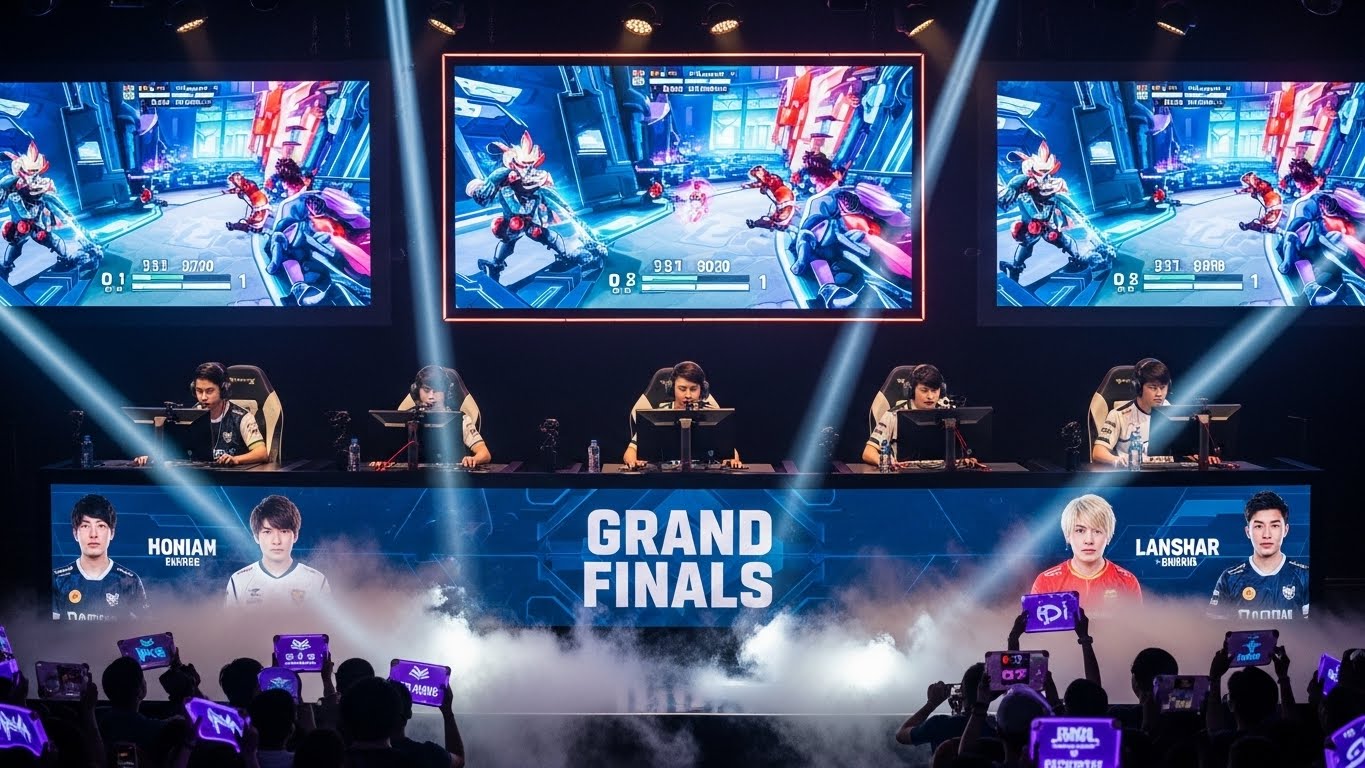
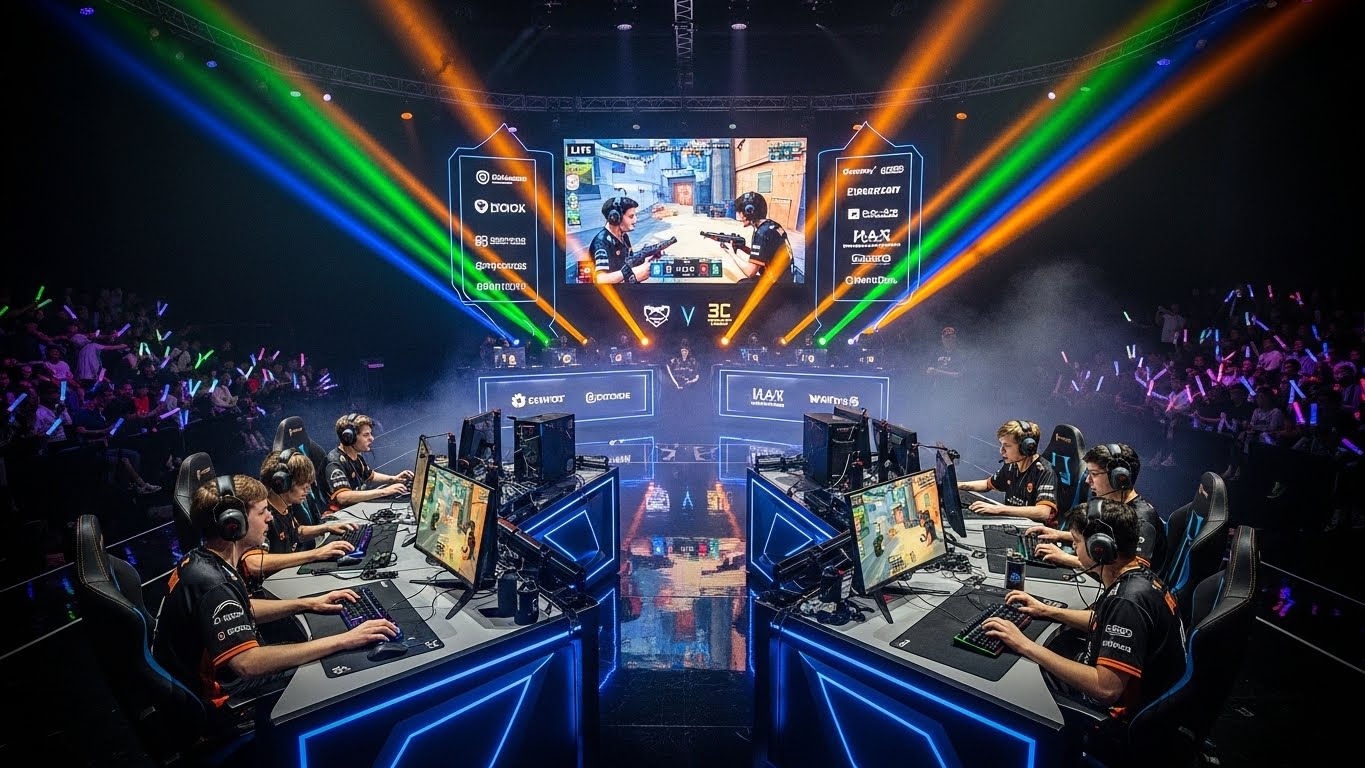
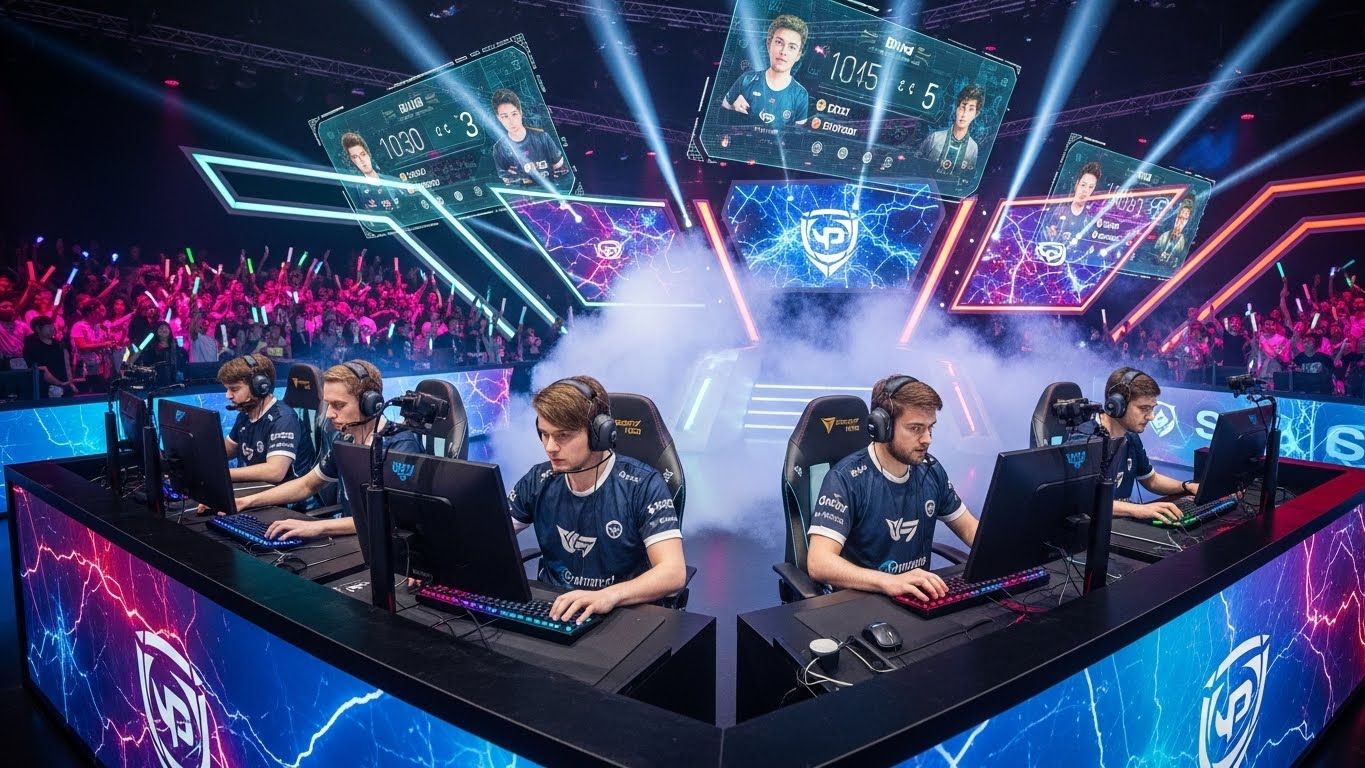
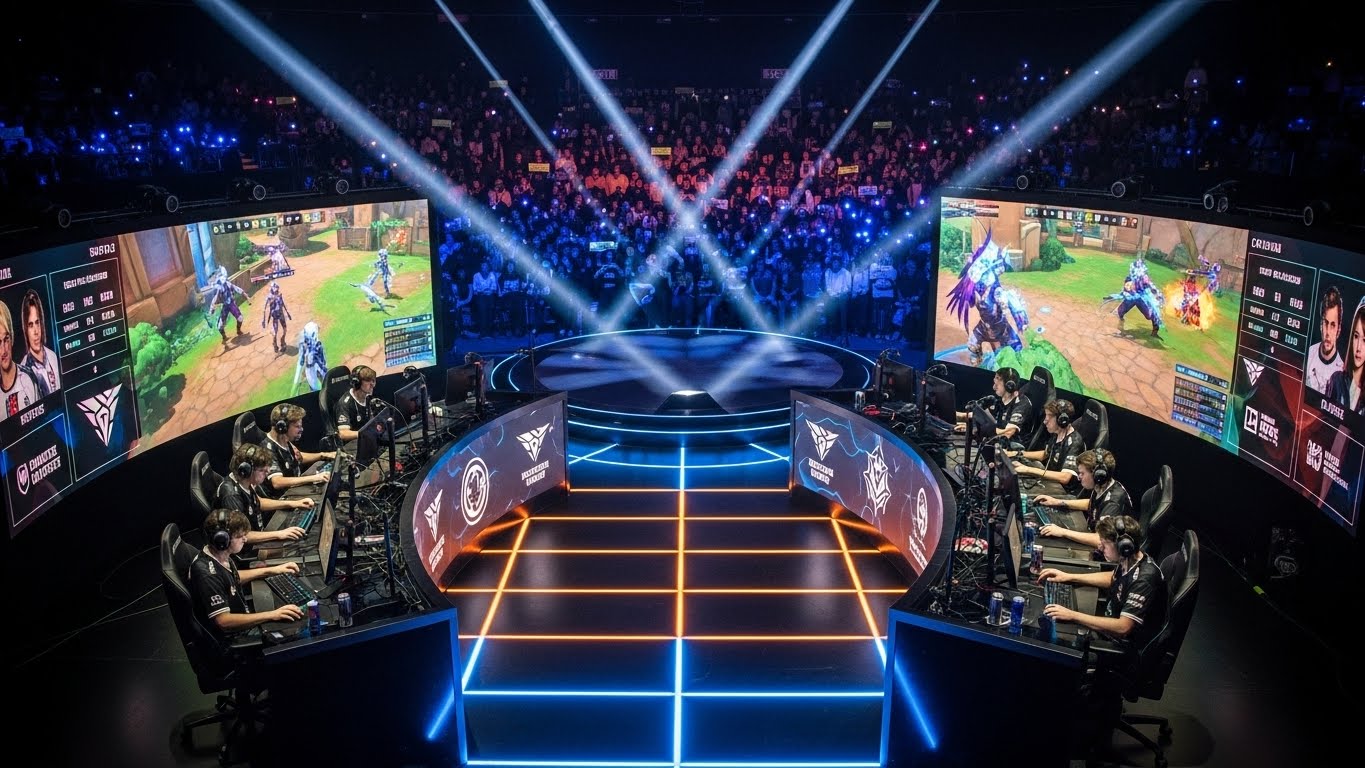
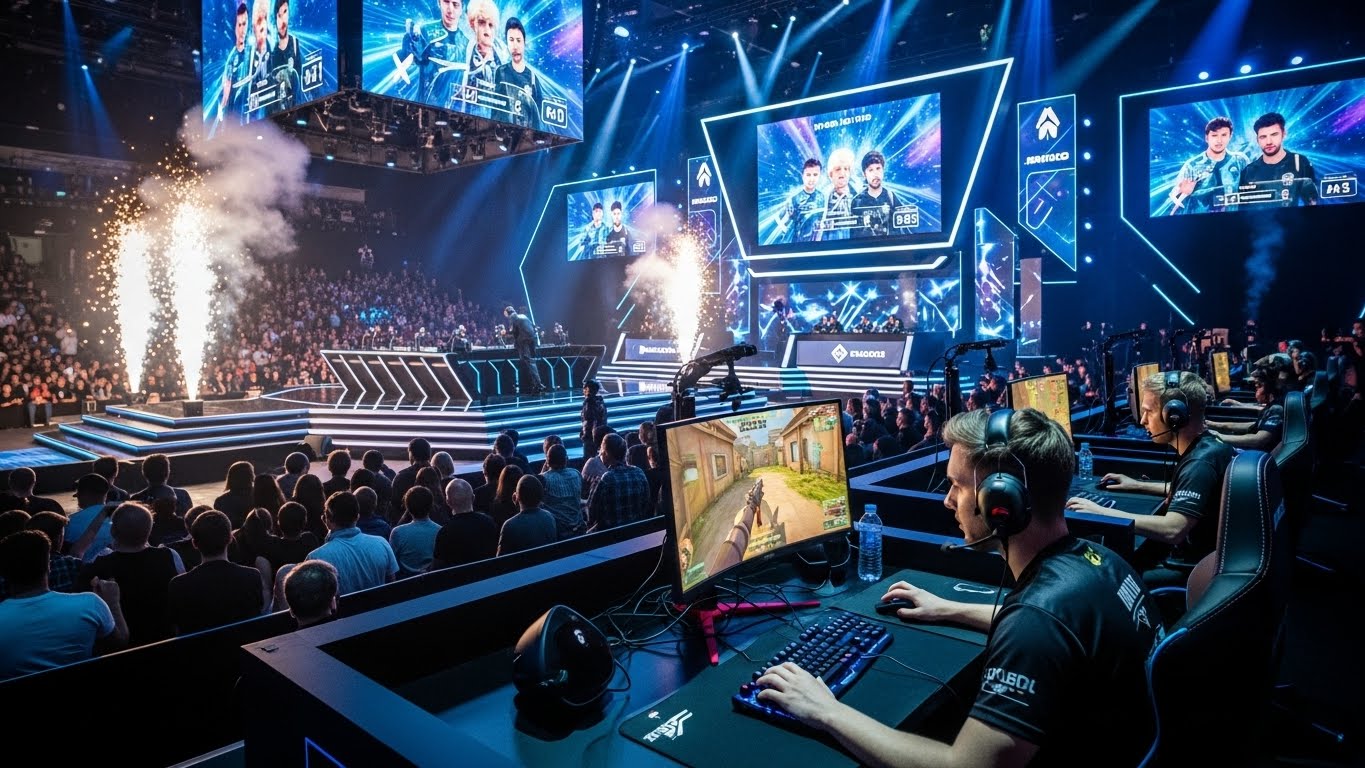
Esports tournaments, some of which feature prize pools in the millions of dollars, are broadcast globally, attracting viewers from all corners of the earth. The League of Legends World Championship alone draws millions of viewers each year, with the 2021 final reaching a peak viewership of over 73 million. This level of engagement has caught the attention of major brands, who now sponsor teams, tournaments, and even individual players. Corporate giants such as Intel, Nike, Red Bull, and Coca-Cola have all invested heavily in esports, marking the shift of esports from niche entertainment to mainstream spectacle.
The Popularity of Esports: A Cultural Shift in Entertainment
What makes esports so appealing to its diverse audience? For many fans, it’s not just about watching skilled players compete; it’s about the community. Esports is a social activity, one that connects players and fans from around the world. With online multiplayer games and live streaming, people can watch tournaments, engage with fellow fans on social media, and even interact with players themselves through platforms like Twitch or Discord.
Esports has also evolved into a spectator sport with a distinct culture. Just like traditional sports, esports fans form deep connections with teams and players. These relationships go beyond the games themselves—fans support their favorite teams through merchandise, online content, and community events. Esports personalities, or “streamers,” who engage with their audience through live streaming or YouTube videos, have gained celebrity-like status. These influencers offer insight into the world of competitive gaming, all while creating unique content that goes beyond gameplay. It’s this combination of community, competition, and content that has made esports a cultural phenomenon.
Esports and the Economy: Jobs, Sponsorships, and College Scholarships
The economic impact of esports is undeniable. Beyond the obvious revenue from media rights, sponsorships, and ticket sales to live events, esports has created a host of new career opportunities. Professional players, coaches, analysts, event organizers, and commentators (often referred to as “casters”) are all part of the esports ecosystem. These roles are highly specialized and, for top-tier players and teams, can be quite lucrative. Many players are able to make a living through tournament winnings, sponsorship deals, and streaming revenue.
Furthermore, the appeal of esports has not gone unnoticed by academic institutions. As esports has gained popularity, colleges and universities in countries such as the United States and South Korea have begun offering scholarships to talented players. Some schools have even established dedicated esports programs, providing students with the opportunity to study and compete professionally. This educational approach not only validates esports as a legitimate pursuit but also helps nurture the next generation of players, coaches, and industry professionals.
The Global Reach of Esports: A Worldwide Phenomenon
Esports has truly become a global enterprise, with tournaments held across various continents and fanbases spanning different cultures and regions. While esports has been particularly dominant in countries such as South Korea, China, and the United States, its influence is spreading rapidly to other parts of the world. Countries in Europe, Southeast Asia, and even Latin America have seen an explosion in esports activity, from grassroots tournaments to major international events.
One of the key factors driving this international success is the accessibility of online gaming. Players from different countries can compete in the same tournaments without the need for travel, allowing for a truly global competition. Additionally, the rise of streaming platforms like Twitch and YouTube Gaming has allowed fans to watch games and tournaments in real-time, no matter where they are located.
The global nature of esports has also led to the creation of international leagues, such as the Overwatch League and the Call of Duty League, which feature teams from cities all over the world. These leagues have introduced a sense of regional pride and rivalry, akin to traditional sports leagues like the NBA or NFL.
The Future of Esports: Challenges and Opportunities
While the esports industry continues to grow, it is not without its challenges. One of the most pressing concerns is the sustainability of player careers. The average professional esports player has a career span of about 4 to 5 years, a far shorter window than athletes in traditional sports. The physical and mental demands of professional gaming can take a toll on players, who often spend hours practicing, competing, and traveling for events.
Additionally, the potential for burnout and the lack of proper regulation around player contracts, pay, and job security remains an issue in the esports world. With more and more players turning their passions into full-time careers, it’s essential that the industry develops better standards for player welfare and protection.
Another challenge is the need for stronger governance and regulation. As esports continues to grow, the need for clear rules, anti-doping policies, and fair competition practices becomes more important. Establishing a cohesive framework that ensures fairness across all levels of competition will be key to the long-term credibility of esports as a legitimate sport.
Despite these challenges, the future of esports remains bright. Technological advancements such as virtual reality (VR) and augmented reality (AR) are poised to revolutionize the gaming experience. VR esports, for example, could offer a more immersive, physically demanding version of competitive gaming, where players could compete in entirely virtual worlds. Furthermore, as more people around the world gain access to high-speed internet and mobile devices, esports will only become more accessible, further fueling its growth.
Conclusion: Esports as a Mainstream Sport
Esports has come a long way since its humble beginnings as a fringe activity. Today, it stands as one of the most significant entertainment sectors globally, offering thrilling competition, expansive communities, and lucrative career opportunities. As the industry matures, it will continue to shape the way we think about sports and entertainment. From the millions of fans watching live streams to the college students earning scholarships through competitive gaming, esports is no longer just a hobby—it’s a lifestyle.
As we look to the future, esports will likely continue to evolve and diversify, with new technologies, formats, and opportunities arising along the way. With its global reach, ever-expanding audience, and cultural significance, esports is here to stay, firmly establishing itself as the sport of the digital age.