Introduction
In the past decade, esports has grown from a niche hobby into a global phenomenon, captivating millions of fans and transforming the way people view competitive gaming. What started as small tournaments in internet cafes has evolved into multi-million dollar leagues, packed arenas, and professional athletes recognized worldwide. Today, esports is more than just playing video games; it represents strategy, skill, teamwork, and entertainment in ways that rival traditional sports. This article explores the evolution of esports, its cultural impact, the life of professional gamers, and what the future may hold for this rapidly expanding industry.
The Origins of Competitive Gaming
Competitive gaming is not entirely new. In the 1970s, arcades became hubs for gaming enthusiasts, where players competed for the highest scores in games like Pac-Man and Space Invaders. Early home consoles in the 1980s brought gaming into households, allowing families and friends to engage in friendly competitions. However, these competitions were largely local, informal, and lacked professional recognition.
The real transformation began in the 1990s with the rise of personal computers and internet connectivity. Multiplayer games like StarCraft and Counter-Strike enabled gamers to compete online with opponents worldwide. These early online competitions laid the foundation for organized esports, with emerging communities forming around popular games and small tournaments attracting dedicated audiences.
The Growth of Modern Esports
With advances in technology, esports transformed from casual gaming into a professional, structured industry. Games like League of Legends, Dota 2, Fortnite, and Overwatch became global sensations, offering balanced competition, rich gameplay, and regular updates that kept players engaged.
Professional leagues and tournaments were established, often mirroring traditional sports in structure. Teams developed rosters, coaches, analysts, and training programs. Tournaments began offering substantial prize pools, attracting talented players from around the world. The professionalism and high skill level of competitors helped esports gain mainstream recognition, turning gaming into a viable career path for many young athletes.
The Appeal of Esports
Esports resonates with millions of fans due to several unique factors that differentiate it from traditional sports.
Accessibility
Unlike conventional sports that require specific facilities, equipment, and physical capabilities, esports can be played anywhere with a computer, console, or mobile device. This accessibility has democratized competition, allowing players from diverse backgrounds to participate and excel.
Global Community
Esports transcends geographical boundaries. Players and fans from different countries can connect instantly through online platforms. Major tournaments are streamed worldwide, creating a shared experience for audiences from every continent.
Constant Innovation
Games in the esports ecosystem evolve rapidly. Regular updates, new characters, maps, and strategies keep the competition fresh and unpredictable. Fans enjoy analyzing these changes and seeing how professional players adapt, making every tournament exciting and unique.
Entertainment Value
Esports events are not only competitions but also immersive entertainment experiences. With high-quality production, professional commentators, dramatic storylines, and cinematic in-game moments, watching esports has become as thrilling as attending a live sports event.
Life of a Professional Esports Athlete
Professional gamers dedicate their lives to mastering their craft. Their routines, teamwork, and mental focus mirror the dedication seen in traditional athletes.
Training and Practice
A typical day for a professional esports player includes long hours of practice, team meetings, strategy sessions, and reviewing past games. Skills such as quick decision-making, hand-eye coordination, communication, and mental resilience are crucial for success. Many organizations also provide physical training and mental health support to maintain players’ overall well-being.
Teamwork and Communication
Most esports games are team-based, requiring precise coordination and communication. Each team member has specific roles, and success often depends on the collective performance rather than individual skill alone. Effective communication under pressure is a skill that separates the good from the great.
Pressure and Longevity
Esports careers can be demanding, with players often retiring earlier than athletes in traditional sports due to burnout or physical strain from repetitive motions. The industry is evolving to offer better support systems, including coaching, healthcare, and career transition programs, to help players maintain longer and healthier careers.
Fans and Community Culture
The esports community is vibrant and engaged. Fans are active participants, creating content, streaming gameplay, discussing strategies, and supporting their favorite teams.
Live Events and Tournaments
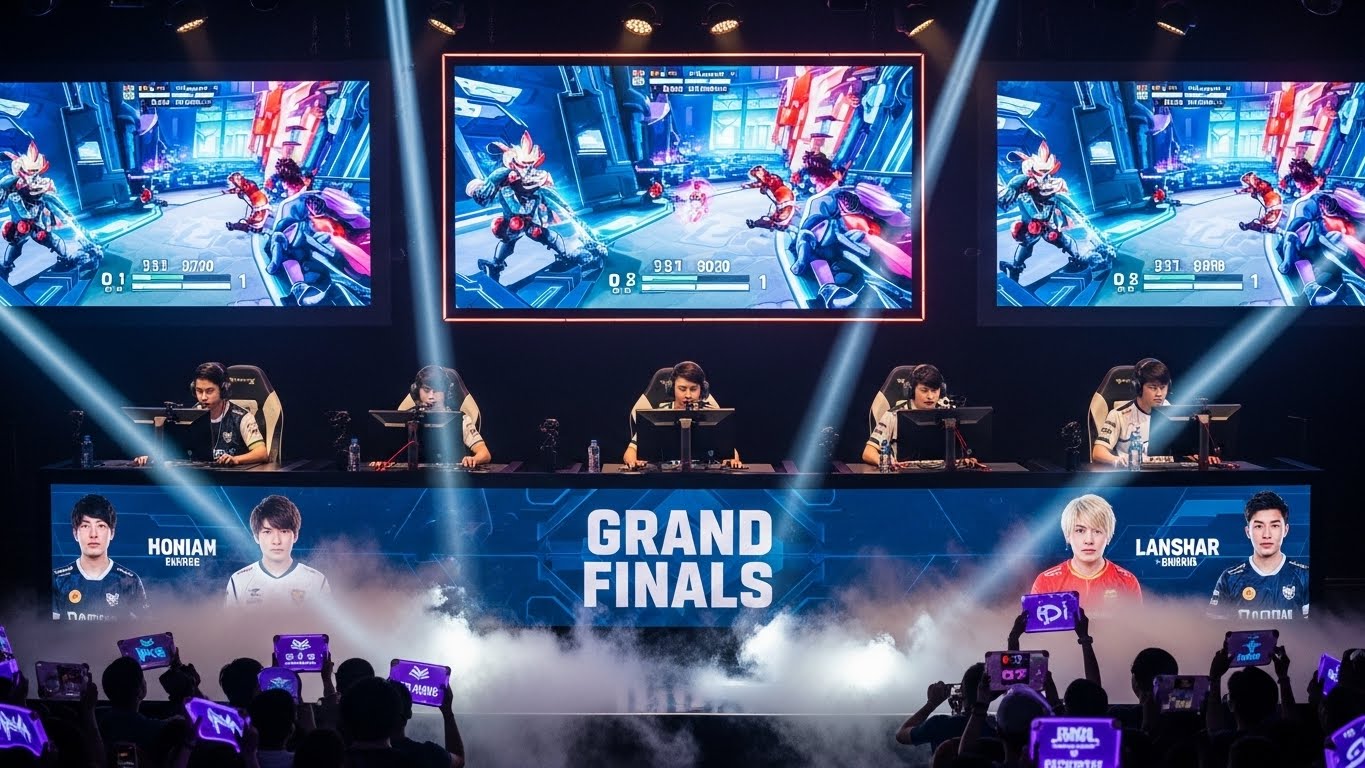
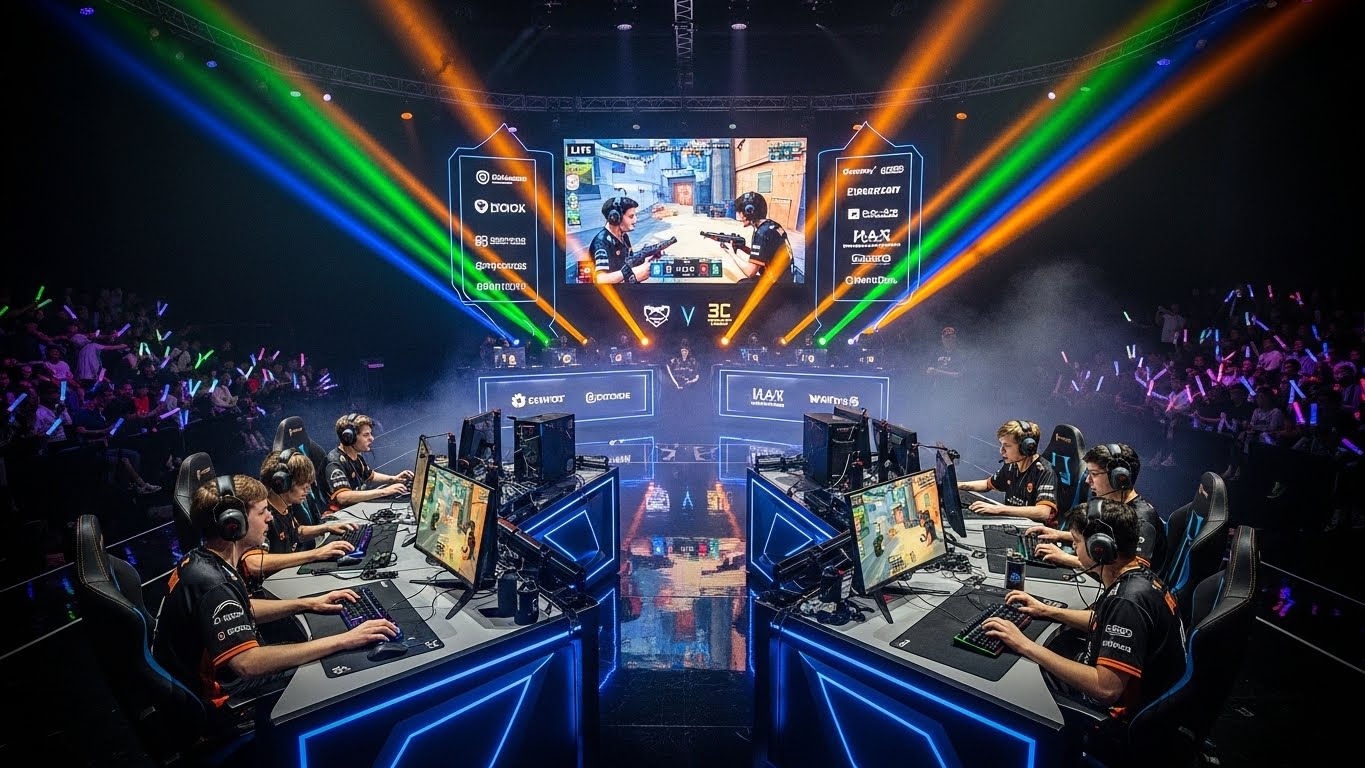
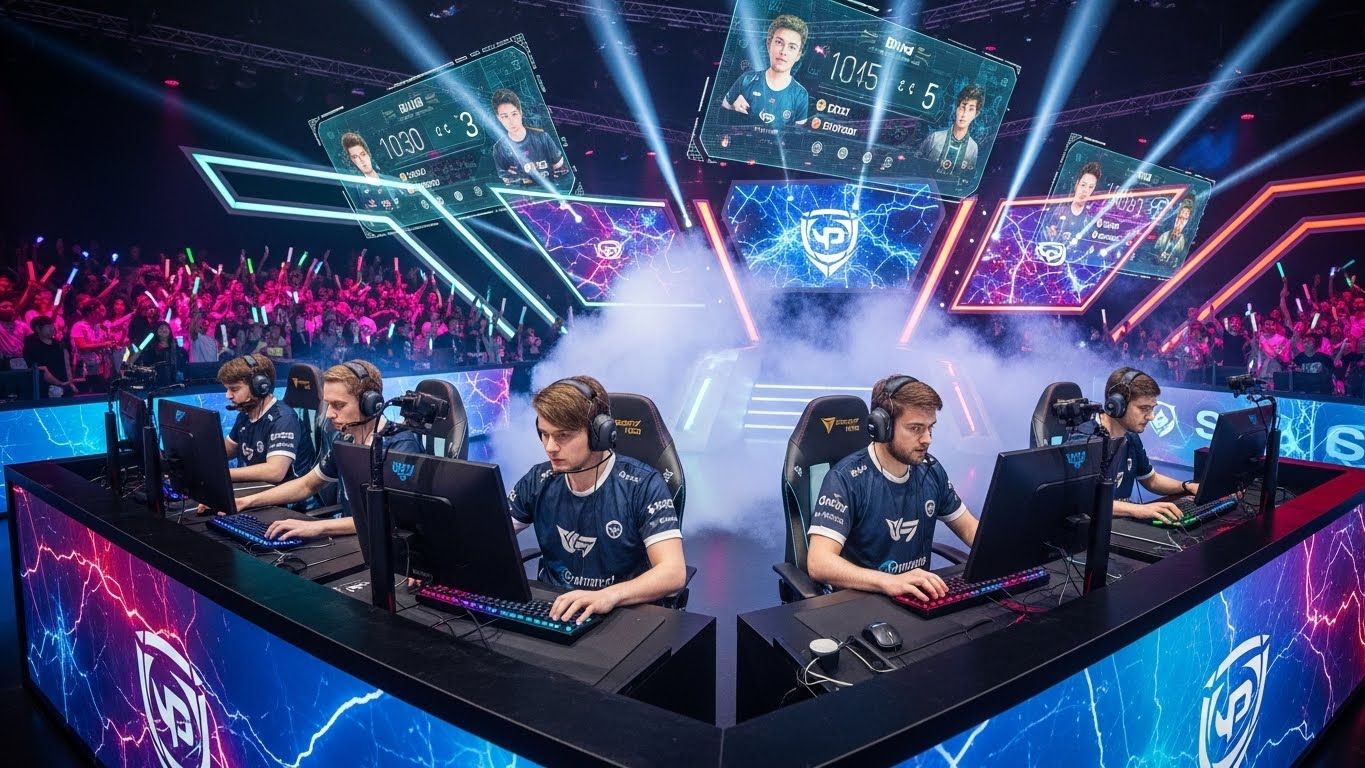
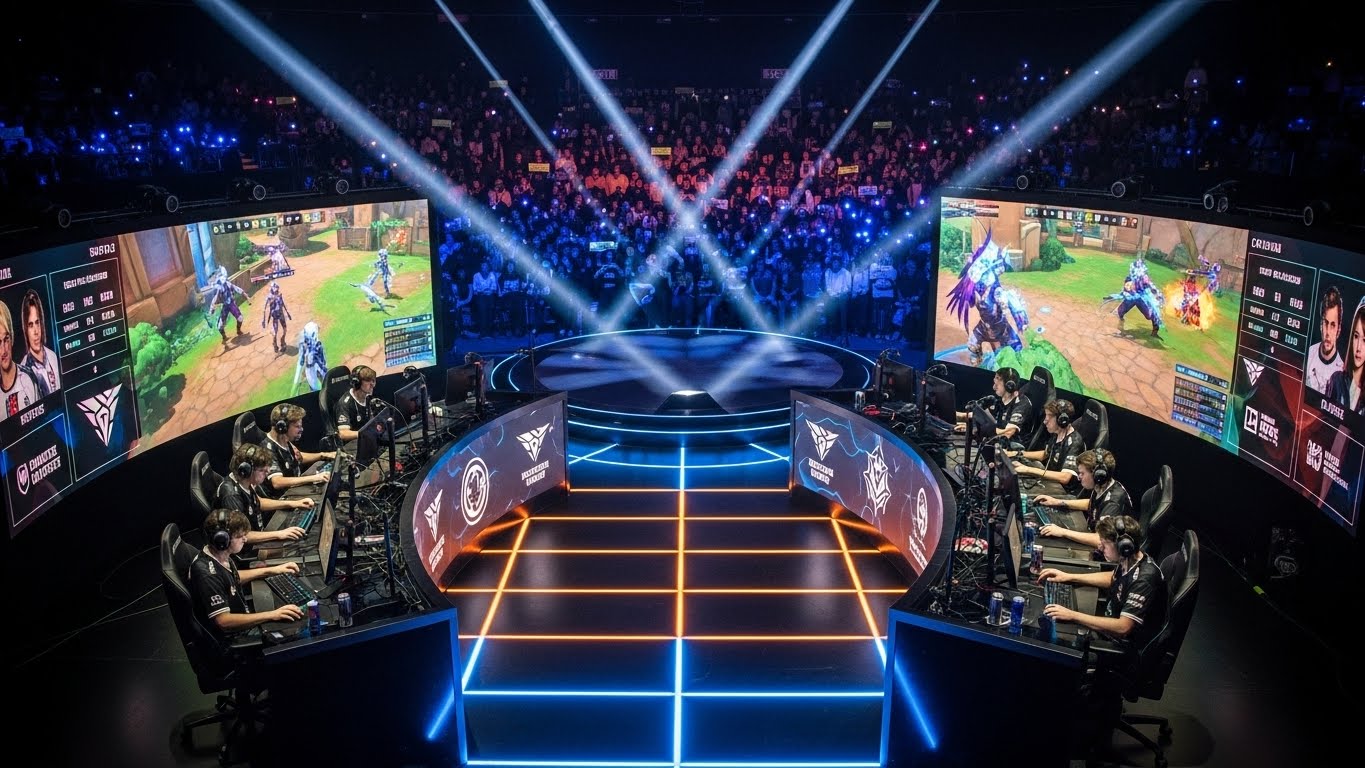
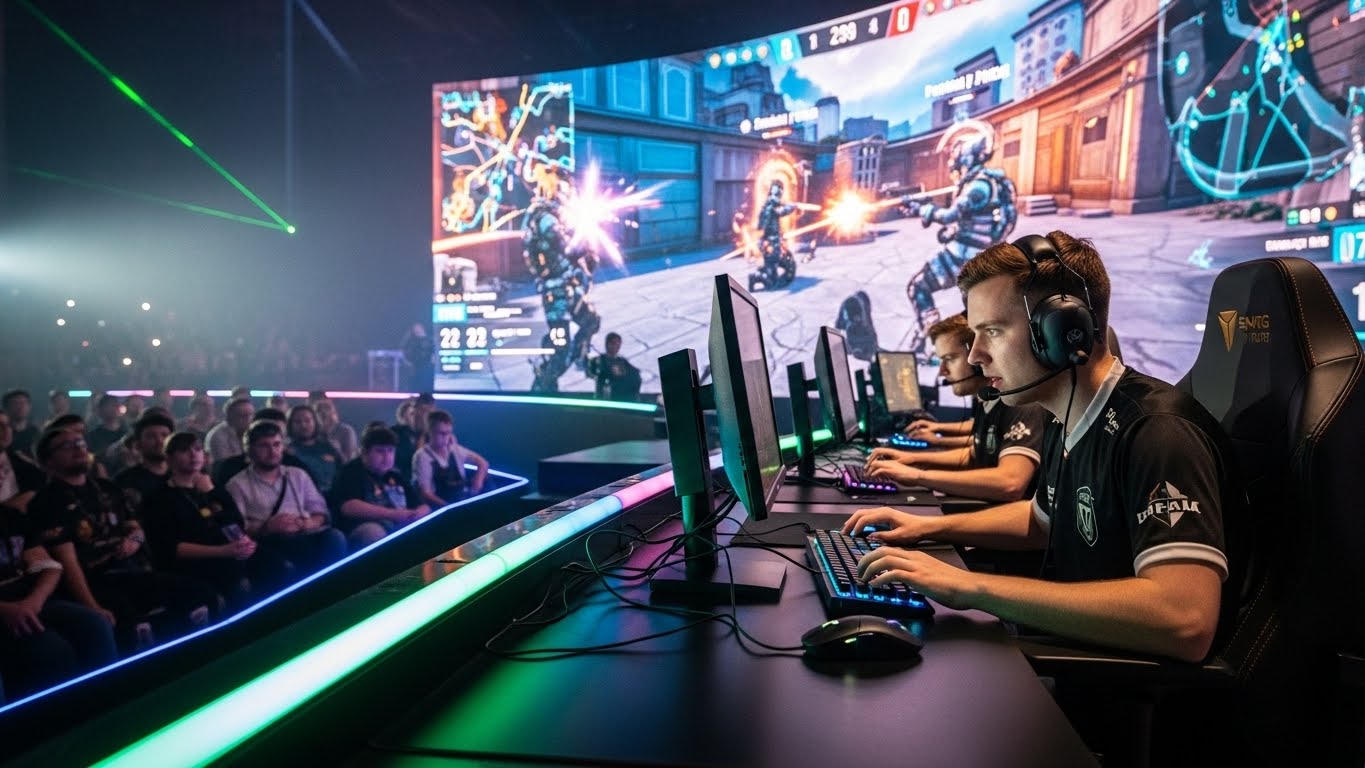
Esports tournaments can fill arenas with thousands of fans, creating electrifying atmospheres. The energy of live competitions, combined with production elements like lighting, music, and commentary, makes these events memorable experiences for attendees and viewers alike.
Online Engagement
Streaming platforms allow fans to watch live matches, interact with players, and learn gameplay strategies. Online communities foster discussions, share tips, and celebrate achievements, creating a strong sense of belonging among gamers.
The Business Side of Esports
Esports has become a thriving industry with diverse revenue streams.
Sponsorships and Advertising
Brands see esports as a direct connection to younger, tech-savvy audiences. Sponsorships include gaming hardware, energy drinks, apparel, and tech companies, helping fund teams, tournaments, and events while providing marketing exposure.
Tournaments and Revenue
Major tournaments generate income from ticket sales, merchandising, media rights, and advertising. Prize pools can reach millions of dollars, and organizers invest heavily in production to ensure events are engaging and professional.
Career Opportunities Beyond Playing
Esports is not limited to players. Coaches, analysts, event organizers, content creators, and marketers are all integral to the industry. Schools and universities now offer esports programs and scholarships, reflecting its growing legitimacy and educational opportunities.
The Social and Cultural Impact of Esports
Esports has influenced society in significant ways.
Changing Perceptions of Gaming
Once viewed as a trivial pastime, gaming is now recognized as requiring intelligence, strategy, teamwork, and dedication. This shift has led to greater acceptance of esports in schools, workplaces, and homes.
Technological Advancements
The growth of esports drives technological innovation, including faster internet, better graphics, streaming technology, and advanced gaming peripherals. These developments benefit not only players but also broader digital industries.
Community and Social Connection
Esports provides a platform for social interaction, community building, and friendship. It offers a sense of belonging for those who may feel disconnected in other areas of life, fostering positive social experiences through shared passions.
Challenges Facing the Esports Industry
Despite its success, esports faces several challenges.
Player Burnout
Intense schedules, mental pressure, and repetitive gameplay can lead to fatigue and early retirement. Organizations are focusing on better training regimens, mental health support, and balanced lifestyles to combat burnout.
Lack of Standardized Regulation
Unlike traditional sports, esports lacks a unified governing body. Rules and regulations vary across games and regions, which can lead to inconsistencies in fairness, professionalism, and competition standards.
Sustainability of Games
The popularity of specific games can be fleeting. While some titles remain dominant, others fade quickly. Developers and organizers must continuously innovate to maintain audience engagement and long-term industry stability.
The Future of Esports
The future of esports is promising, with opportunities for growth across technology, competition, and global reach.
Emerging Technologies
Virtual reality, augmented reality, and cloud gaming are poised to revolutionize esports. These technologies will create more immersive experiences for players and fans alike, expanding the boundaries of competitive gaming.
Global Expansion
Esports is gaining recognition worldwide. More countries are establishing professional leagues, building arenas, and supporting national teams. This growth brings diverse talent and broader fan engagement.
Integration into Education
Esports programs in schools and universities are becoming mainstream, providing scholarships, curriculum integration, and career pathways. This reflects a growing recognition of esports as a legitimate and valuable pursuit.
Conclusion
Esports has evolved from humble beginnings into a global industry that combines skill, strategy, entertainment, and community. It offers opportunities for professional athletes, fans, and businesses alike while influencing culture, technology, and social connections. As the industry continues to grow, it promises a future where digital competition is just as celebrated and respected as traditional sports. The world of esports is not just a passing trend; it is a defining element of modern entertainment and competition, inspiring millions and shaping the future of how we play, watch, and connect.