Introduction
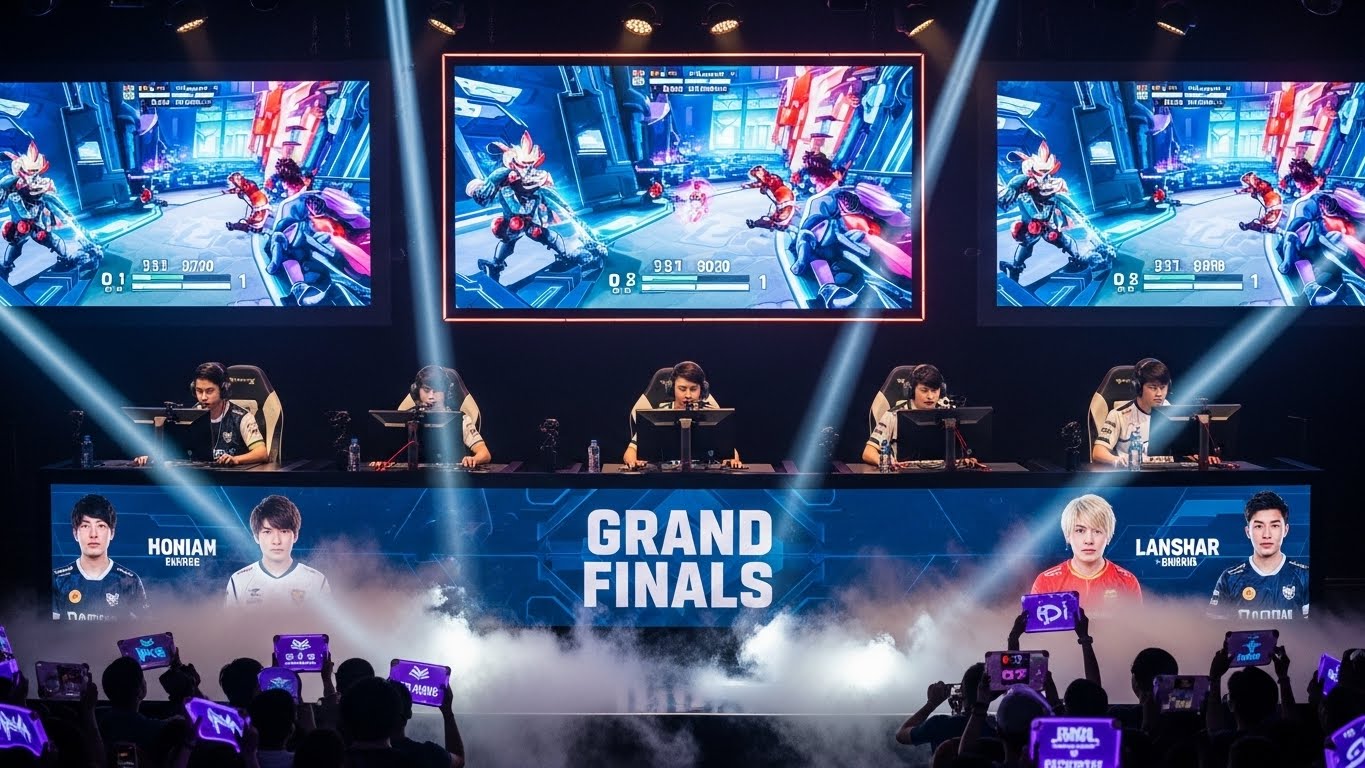
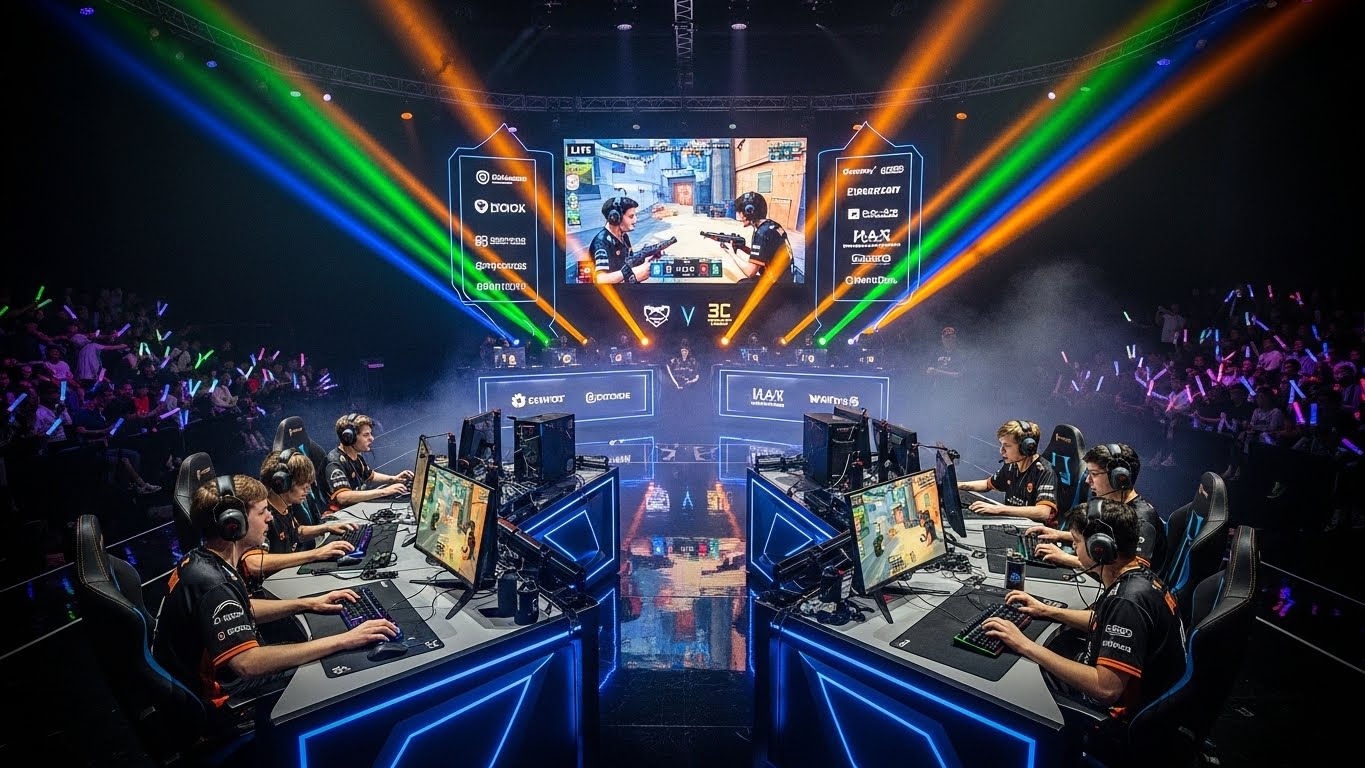
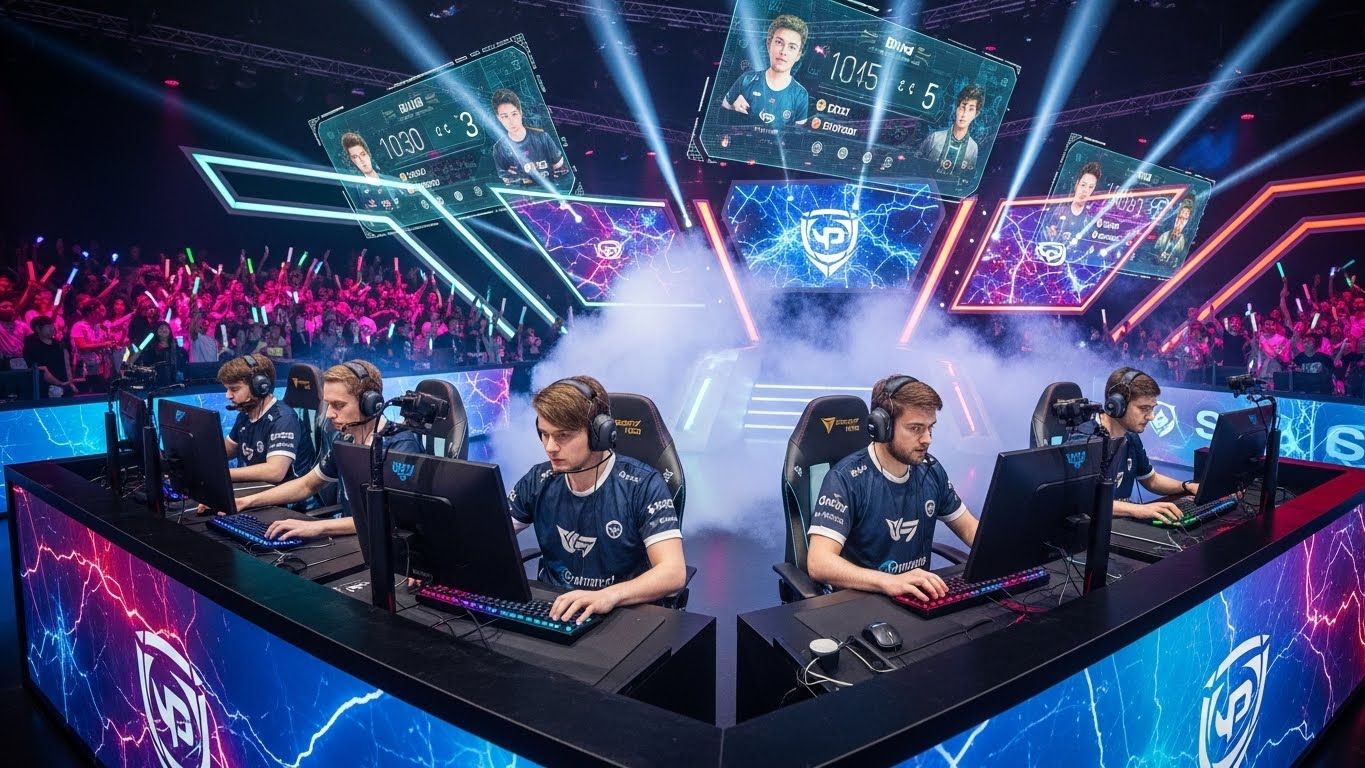
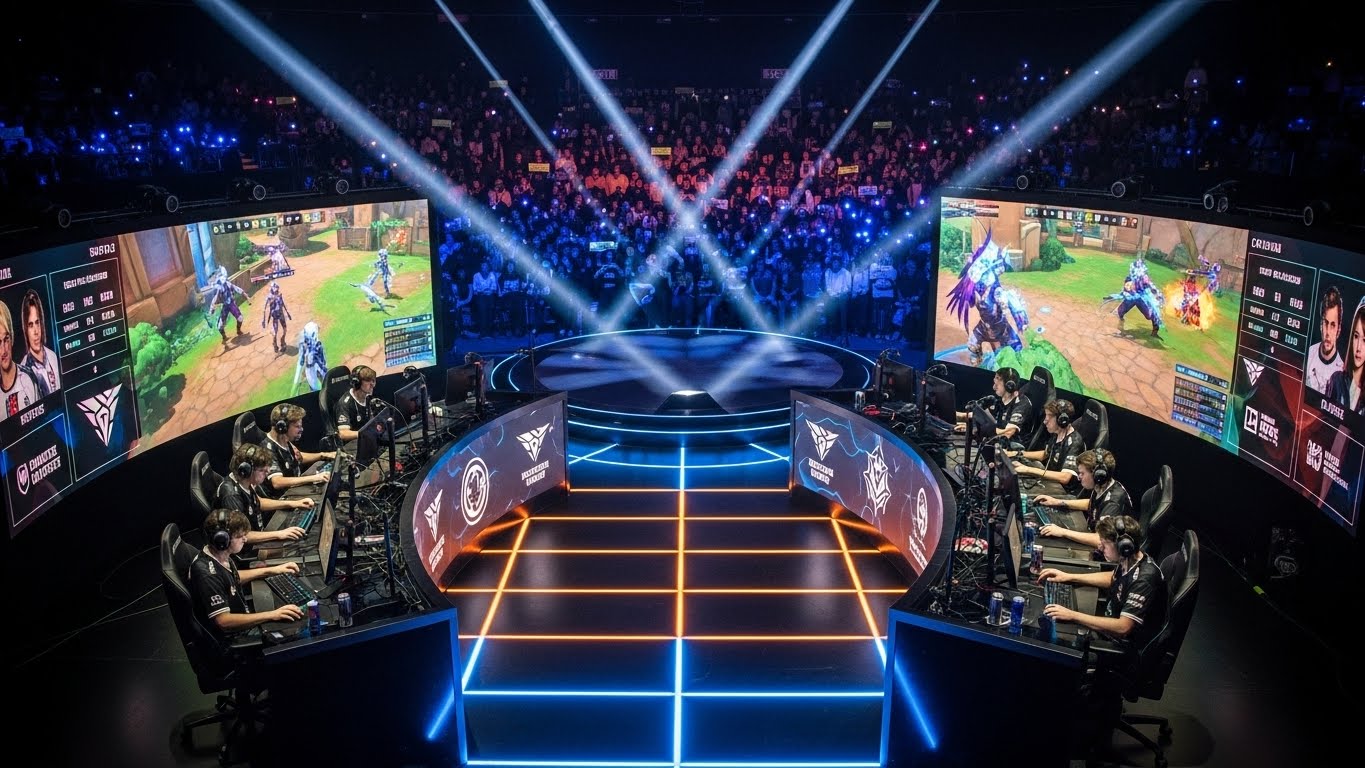
In recent years, esports has emerged as one of the fastest-growing phenomena in the world of entertainment and sports. What began as casual gaming in living rooms has evolved into a multi-billion-dollar industry with global tournaments, professional teams, and dedicated fan bases. Esports is more than just a hobby; it is a competitive arena where skill, strategy, teamwork, and mental resilience are tested at the highest level. The rise of esports highlights the shifting landscape of sports, where digital platforms and virtual competition are as influential as traditional athletic events. In this blog, we explore the evolution of esports, its cultural impact, the skills it develops, and why it has captured the imagination of millions around the world.
The Origins and Evolution of Esports
The origins of esports trace back to the late 20th century, when arcade and console gaming gained popularity. Early competitions were informal, often taking place in arcades or local gaming clubs. The first notable tournaments were organized for games like Pac-Man, Street Fighter, and StarCraft, attracting both casual players and enthusiasts seeking recognition. As technology advanced, online multiplayer games enabled players from different regions to compete in real-time, paving the way for larger-scale competitions. By the 2000s, esports had established itself as a serious field, with professional teams, sponsorships, and televised tournaments. Today, esports tournaments attract millions of viewers worldwide, rivaling traditional sports in both scale and excitement.
The Global Impact of Esports
Esports has transcended geographical boundaries, creating a truly global community. Unlike traditional sports that require physical infrastructure, esports allows individuals to compete from virtually anywhere, making it accessible to a diverse audience. International tournaments, such as world championships for games like League of Legends or Dota 2, bring together players from multiple continents, fostering cultural exchange and global camaraderie. Fans follow their favorite teams and players with the same intensity as conventional sports, and the sense of community around esports has created online and offline spaces for shared experiences, discussion, and celebration. This global impact underscores the universal appeal of competitive gaming in the digital age.
The Skills Behind Professional Gaming
Professional esports players are athletes in their own right, requiring a unique blend of skills and mental fortitude. Quick reflexes, hand-eye coordination, strategic thinking, and split-second decision-making are essential. Many esports titles demand teamwork, communication, and leadership, particularly in multiplayer and team-based games. Beyond physical and cognitive abilities, players must also exhibit discipline, focus, and the ability to perform under intense pressure. Esports tournaments often have high stakes, with substantial prize pools and international recognition, making mental resilience as crucial as technical skill. The development of these abilities demonstrates that esports is not merely entertainment but a rigorous, competitive field requiring dedication comparable to traditional sports.
Esports as a Career
The professionalization of esports has created numerous career opportunities beyond playing competitively. Players can earn substantial incomes through tournament winnings, sponsorships, streaming, and content creation. Coaches, analysts, commentators, and event organizers form an essential part of the esports ecosystem. Additionally, gaming companies and brands invest heavily in marketing, game development, and tournament infrastructure, creating job opportunities across multiple industries. For young enthusiasts, esports offers a viable career path, though it requires consistent practice, strategic thinking, and an understanding of the gaming industry. The growth of esports as a profession reflects the increasing recognition of digital competition as a legitimate and rewarding endeavor.
The Psychological and Cognitive Benefits
Contrary to outdated stereotypes that portray gaming as purely recreational or isolating, esports can have significant psychological and cognitive benefits. Competitive gaming enhances problem-solving abilities, improves memory retention, and develops multitasking skills. Players must adapt strategies in real-time, manage resources, and anticipate opponents’ moves, all of which foster critical thinking. Team-based games promote collaboration, communication, and conflict resolution, essential skills in professional and social settings. While moderation is key, esports encourages mental agility, focus, and resilience, making it a unique tool for personal development in the digital age.
The Role of Technology in Esports
Technology is at the heart of esports. High-performance gaming hardware, fast internet connections, and advanced software are essential for competitive play. Streaming platforms and live broadcasts have transformed how audiences consume esports, allowing fans to watch tournaments, learn strategies, and engage with players in real-time. Analytics tools provide in-depth insights into gameplay, helping teams improve performance and refine strategies. Virtual reality and augmented reality technologies are also beginning to shape the future of esports, offering immersive experiences for both players and spectators. The integration of technology ensures that esports remains dynamic, evolving with innovations and digital advancements.
Esports Culture and Community
Esports is not only about competition; it is a cultural phenomenon with its own communities, norms, and celebrations. Fans and players interact through social media, streaming platforms, and online forums, creating spaces for shared experiences and discussions. Cosplay, fan art, and community events contribute to the vibrant culture surrounding esports. Influencers and professional players often act as role models, inspiring younger generations to pursue gaming seriously and responsibly. The communal aspect of esports emphasizes connection, collaboration, and shared passion, making it more than just a game—it is a lifestyle for millions worldwide.
Challenges Facing the Esports Industry
Despite its rapid growth, esports faces several challenges. Physical and mental health concerns are significant, as prolonged gaming can lead to issues such as eye strain, repetitive strain injuries, and burnout. The highly competitive nature of esports can also create psychological pressure, necessitating proper support and coaching. Moreover, concerns about inclusivity, gender representation, and accessibility remain, as the industry continues to work towards equitable opportunities for all players. Regulatory frameworks and standardized guidelines are also evolving, ensuring fair play and ethical practices. Addressing these challenges is essential to maintaining sustainable growth and ensuring that esports remains a safe and supportive environment.
The Rise of Esports in Education
Educational institutions are increasingly recognizing esports as a legitimate field of study and competition. Universities and schools offer scholarships for esports athletes, integrate game design and strategy into curricula, and organize inter-school tournaments. These programs teach teamwork, critical thinking, digital literacy, and career skills, preparing students for opportunities within and beyond gaming. By embracing esports in education, institutions validate its legitimacy, encourage responsible gaming habits, and equip students with skills that are valuable in a digital-first world. This integration marks a significant shift in societal perception, acknowledging esports as a serious and beneficial pursuit.
The Future of Esports
The future of esports is bright, with continuous growth anticipated across viewership, revenue, and professional opportunities. Emerging technologies, increasing accessibility, and global recognition will shape new games, tournaments, and experiences. Virtual reality esports, mobile gaming competitions, and cross-platform events are likely to redefine participation and fan engagement. Additionally, as society increasingly embraces digital lifestyles, esports will become a central form of entertainment, competition, and social interaction. The continued evolution of esports highlights its adaptability and enduring appeal, promising an exciting future for players, fans, and the broader gaming community.
Conclusion
Esports has transformed the landscape of competition, blending digital innovation with human skill, strategy, and passion. From its humble beginnings in arcades to massive international tournaments, esports has demonstrated its capacity to entertain, educate, and inspire. It fosters cognitive development, social connection, and professional opportunities while creating vibrant communities and global cultural phenomena. Challenges remain, but the industry’s resilience, adaptability, and creativity ensure that esports will continue to flourish. In the digital age, esports is more than a pastime—it is a testament to the evolving nature of competition, collaboration, and human ingenuity. For players and fans alike, esports offers a stage where talent, dedication, and ambition meet, shaping the future of sports and entertainment in unprecedented ways.