Introduction: The Rise of a New Arena
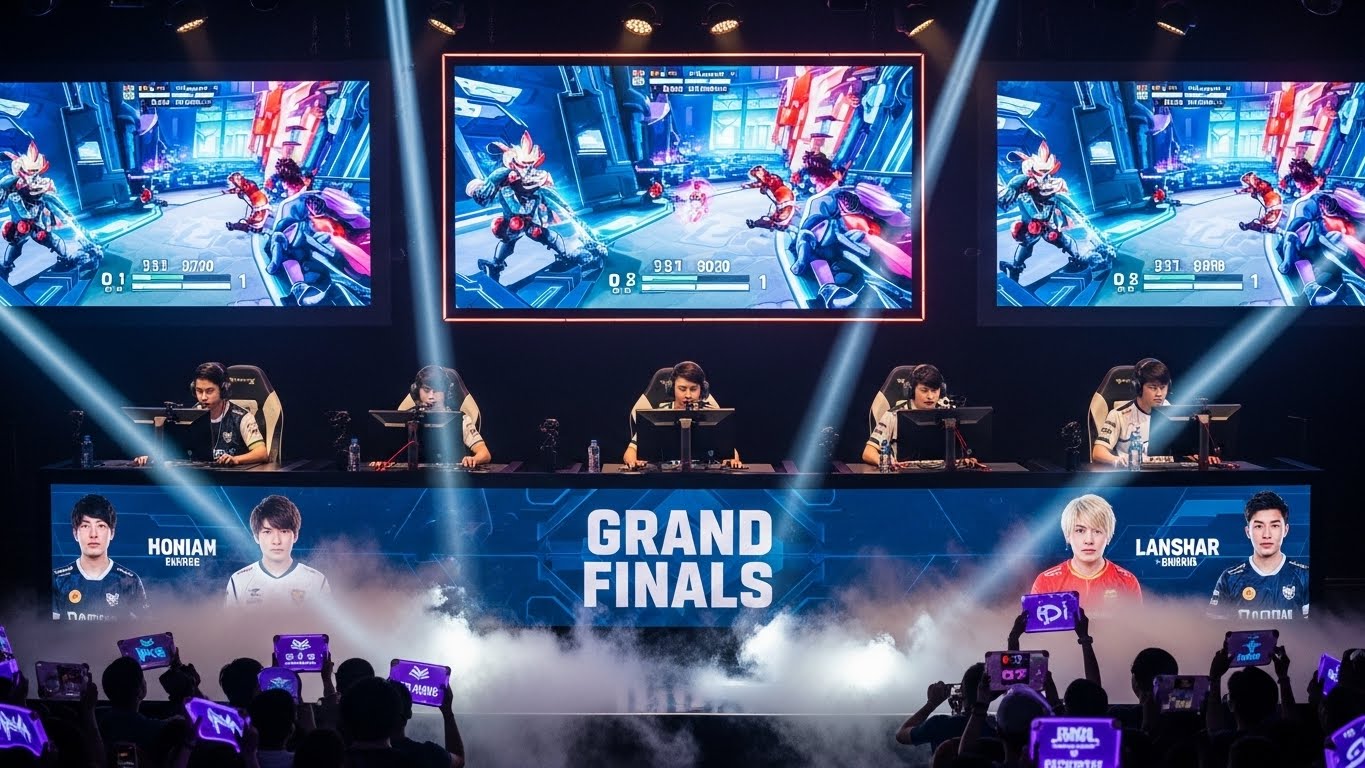
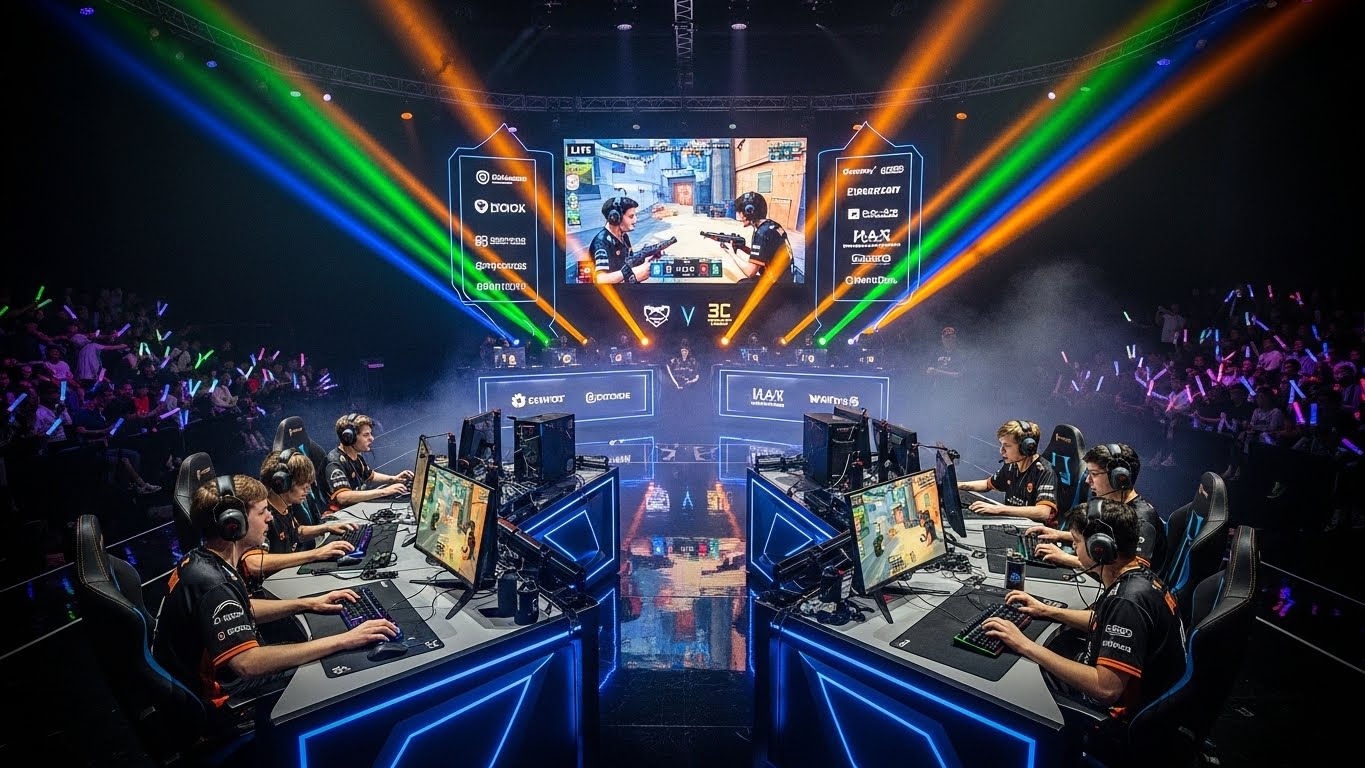
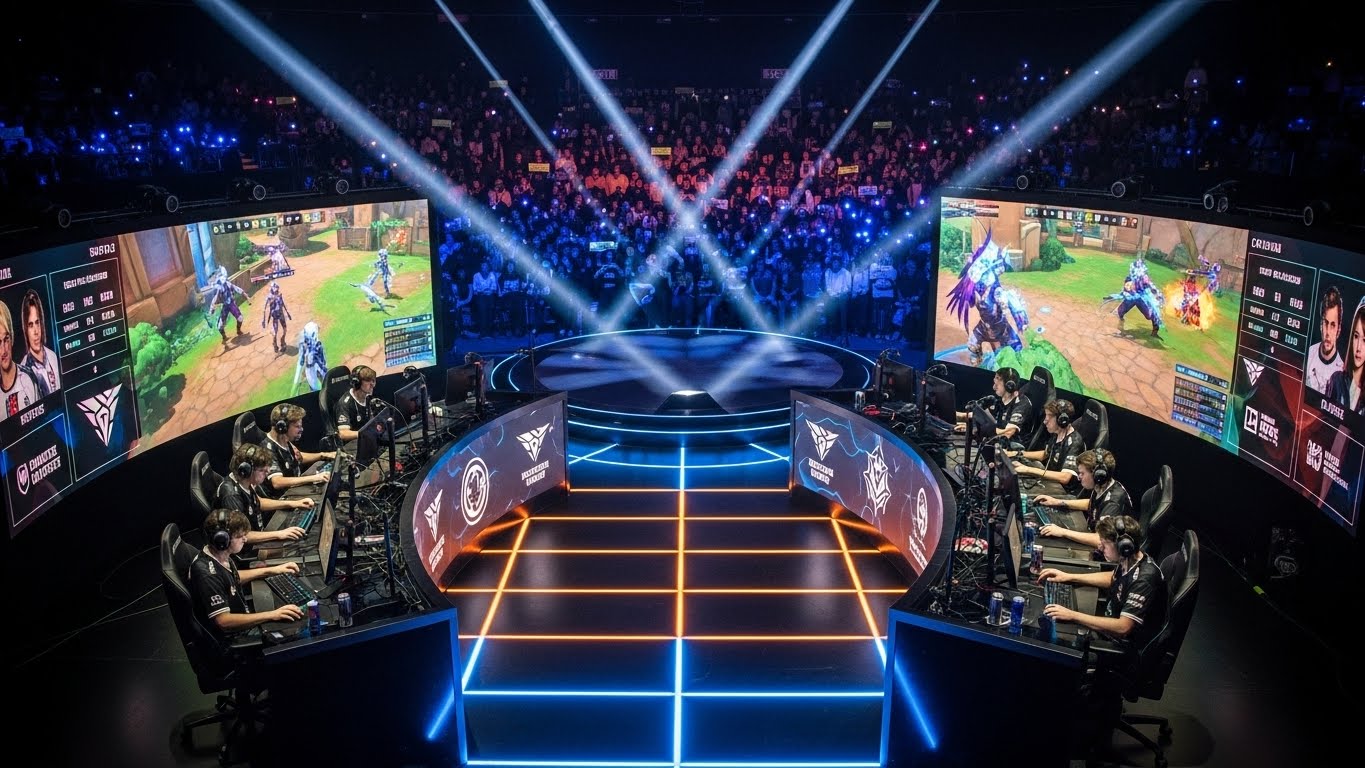
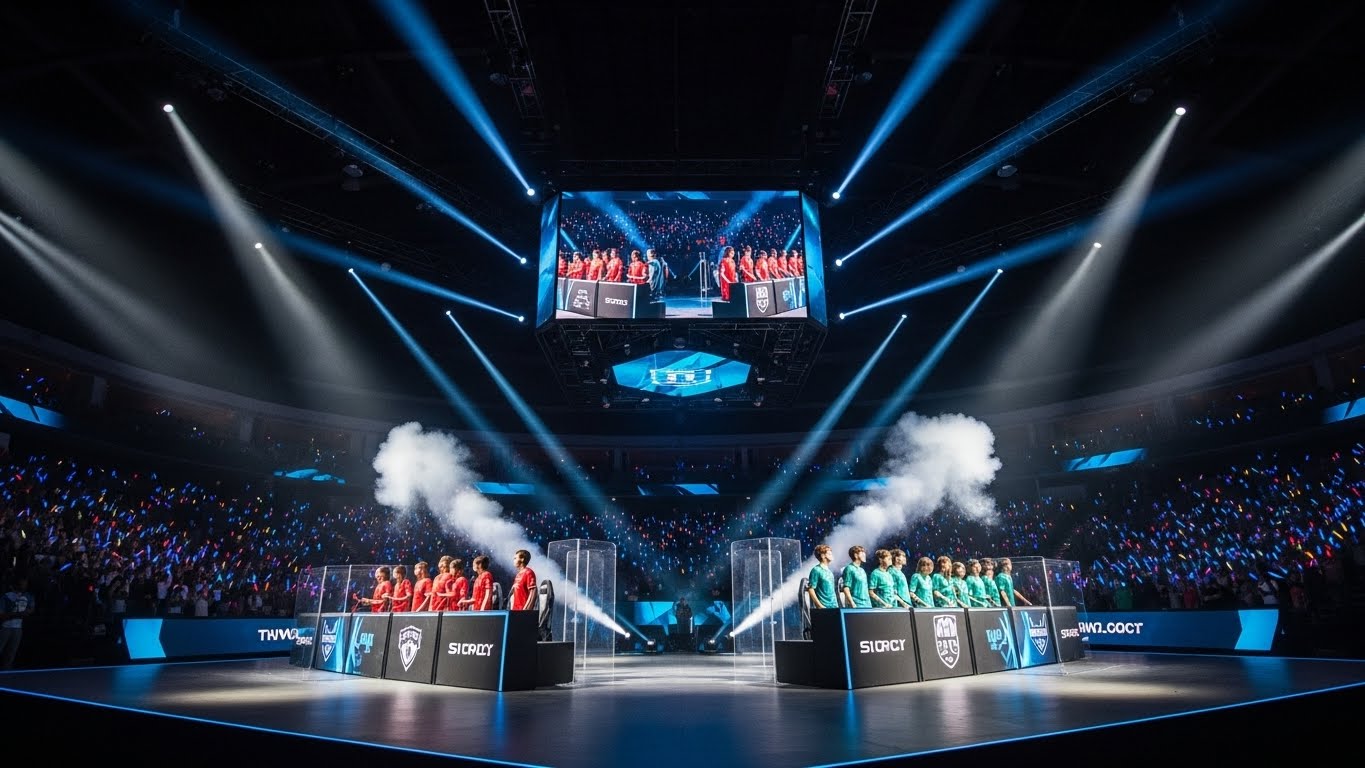
In the past two decades, competitive gaming has evolved from casual local tournaments into a global phenomenon known as esports. What was once viewed as a niche hobby is now a billion-dollar industry attracting millions of fans, professional athletes, sponsors, and media attention worldwide. Esports has reshaped how people perceive competition, entertainment, and even careers. With packed arenas, massive online viewership, and players treated like sports superstars, esports stands as one of the most influential cultural movements of the digital era.
Understanding Esports: More Than Just Gaming
Esports, short for electronic sports, refers to organized competitive video gaming where individuals or teams compete under structured rules. Unlike casual gaming, esports demands intense practice, strategic thinking, teamwork, and mental resilience. Games such as multiplayer battle arenas, first-person shooters, real-time strategy games, and sports simulations form the backbone of competitive play. Each title has its own ecosystem, ruleset, professional leagues, and fan base, making esports a diverse and dynamic competitive landscape.
The Evolution from Arcades to Global Stadiums
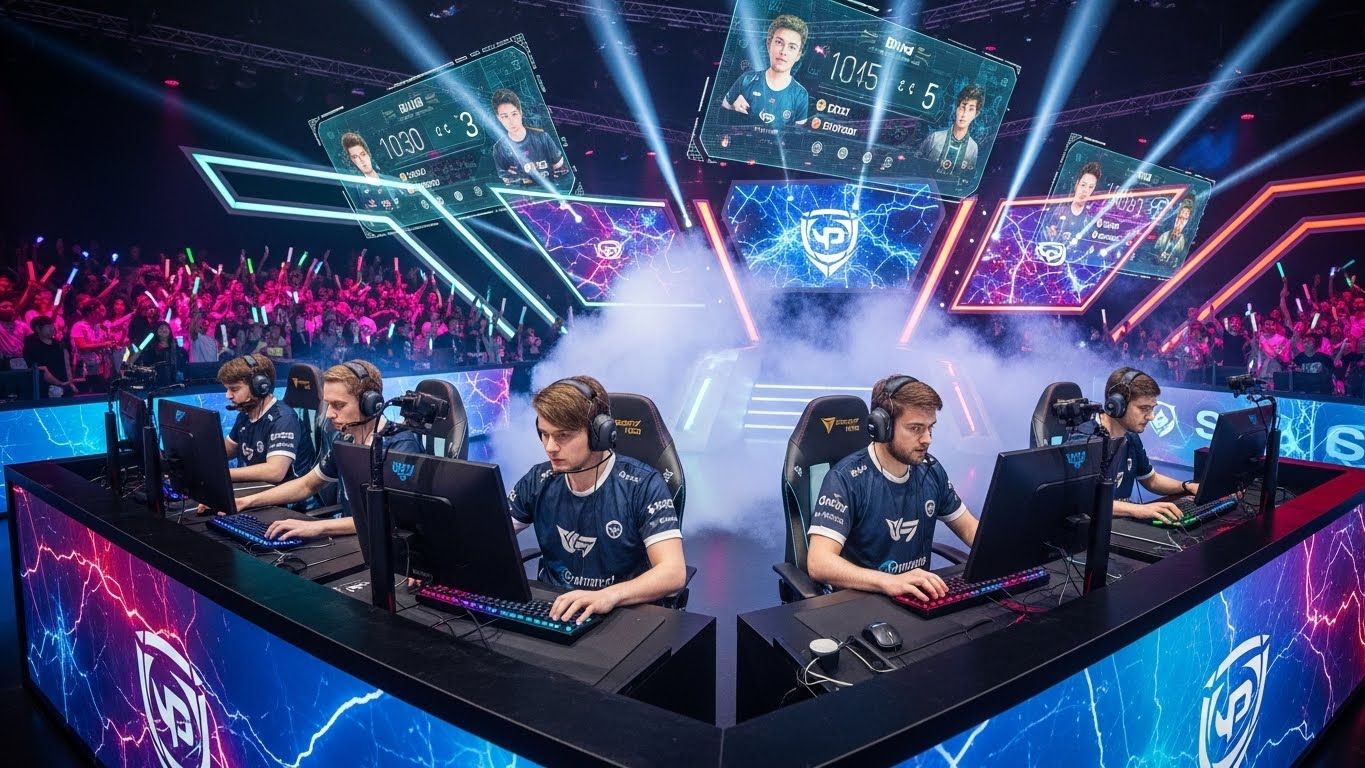
The origins of esports can be traced back to early arcade competitions and home console tournaments. As internet connectivity improved, competitive gaming expanded rapidly, allowing players from different regions to compete online. This shift removed geographical barriers and fueled global rivalries. Over time, tournaments grew larger, prize pools increased, and professional teams formed with dedicated coaches, analysts, and support staff. Today, esports events fill large arenas and are broadcast to millions of viewers worldwide, rivaling traditional sports in scale and excitement.
The Professional Esports Athlete
Modern esports players are far from casual gamers. They follow rigorous training schedules that include hours of practice, strategic reviews, physical fitness routines, and mental conditioning. Reaction time, hand-eye coordination, decision-making speed, and teamwork are crucial skills. Many players begin their careers at a young age, dedicating their teenage years to mastering a single game. As with traditional athletes, the professional lifespan can be short, making discipline, adaptability, and long-term planning essential for success.
Teams, Organizations, and Infrastructure
Esports organizations operate much like traditional sports franchises. They sign players to contracts, manage salaries, secure sponsorships, and build brand identities. Behind the scenes, managers, coaches, analysts, content creators, and marketing teams work together to maintain competitiveness and fan engagement. Training facilities equipped with high-end technology and performance monitoring tools are now common, reflecting how professional and structured the industry has become.
Esports as Entertainment and Spectacle
One of the driving forces behind esports’ popularity is its entertainment value. High-stakes matches, dramatic comebacks, and intense rivalries captivate audiences. Live commentary, expert analysis, and immersive production enhance the viewing experience. Fans connect with players through their personalities, playstyles, and personal stories, creating emotional investment similar to that found in traditional sports fandom. The accessibility of esports, often viewable from anywhere in the world, further amplifies its reach.
The Economic Impact of Esports
Esports has become a powerful economic engine. Revenue streams include sponsorships, advertising, media rights, merchandise, ticket sales, and in-game purchases. Brands from technology, fashion, automotive, and even finance industries have entered the esports space, recognizing its ability to reach younger, digitally savvy audiences. Cities hosting major tournaments benefit from tourism, hospitality, and global exposure, demonstrating esports’ growing influence beyond the screen.
Technology as the Backbone of Esports
At its core, esports is driven by technological innovation. High-speed internet, advanced gaming hardware, and powerful streaming platforms make global competition possible. Continuous improvements in graphics, game design, and online infrastructure keep esports evolving. Artificial intelligence, data analytics, and performance tracking tools are increasingly used to analyze gameplay, optimize strategies, and enhance training methods, pushing competitive standards even higher.
Community and Culture
Esports thrives on its community. Fans engage through online discussions, fan art, live chats, and local gaming events. This sense of belonging is a key factor in esports’ success. Unlike traditional sports, esports culture is deeply intertwined with internet culture, memes, and digital creativity. Communities often transcend national borders, united by shared passion rather than geography, creating a truly global fan base.
Education and Career Opportunities
Beyond professional play, esports has opened doors to a wide range of career paths. Event management, broadcasting, marketing, game development, coaching, and content creation are just a few of the opportunities available. Educational institutions have begun offering esports programs, scholarships, and dedicated facilities, recognizing the industry’s potential. These initiatives help legitimize esports as a viable career option and provide structured pathways for aspiring professionals.
Challenges Facing the Esports Industry
Despite its rapid growth, esports faces several challenges. Player burnout, mental health concerns, and lack of long-term career security remain pressing issues. The industry also grapples with inconsistent regulations, cheating, and performance-enhancing software. Additionally, maintaining competitive integrity while balancing commercial interests requires careful oversight. Addressing these challenges is crucial for ensuring sustainable growth and player well-being.
The Global Reach and Inclusivity of Esports
Esports has the unique ability to connect people from different cultures, languages, and backgrounds. Players compete on equal footing regardless of physical differences, making esports one of the most inclusive competitive arenas. Efforts to promote diversity and inclusion are increasing, with initiatives encouraging participation from underrepresented groups. This global and inclusive nature strengthens esports’ position as a unifying cultural force.
The Future of Esports
The future of esports appears promising and expansive. Advancements in virtual reality, augmented reality, and immersive technologies could redefine how games are played and watched. Increased collaboration with traditional sports organizations and mainstream media is likely to continue. As audiences grow and infrastructure matures, esports may become a permanent fixture alongside traditional sports rather than an alternative.
Conclusion: A New Definition of Competition
Esports has fundamentally changed how society views competition, skill, and entertainment. It has transformed video games into professional sports, created new career opportunities, and built global communities united by digital competition. As technology continues to evolve and cultural acceptance grows, esports will remain at the forefront of innovation in sports and entertainment. From pixels on a screen to roaring crowds in packed arenas, esports has proven that the future of competition is already here.