Introduction: The Rise of a New Sporting Era
In the past few decades, competition has undergone a dramatic transformation. What once required physical stadiums, grass fields, and roaring crowds has expanded into a digital realm powered by computers, consoles, and high-speed internet. Esports, or electronic sports, has emerged as a global phenomenon where professional players and teams compete in video games at the highest level. Far from being a niche hobby, esports has become a cultural, economic, and social force that rivals traditional sports in popularity and influence.
Understanding Esports Beyond Gaming
Esports is often misunderstood as casual gaming, but the reality is far more complex. At its core, esports involves structured, competitive gameplay governed by rules, leagues, and professional organizations. Players train rigorously, analyze strategies, and participate in tournaments that demand mental sharpness, teamwork, and discipline. Games such as multiplayer battle arenas, first-person shooters, sports simulations, and strategy titles form the backbone of this industry, each with its own ecosystem and fan base.
The Evolution from Arcades to Arenas
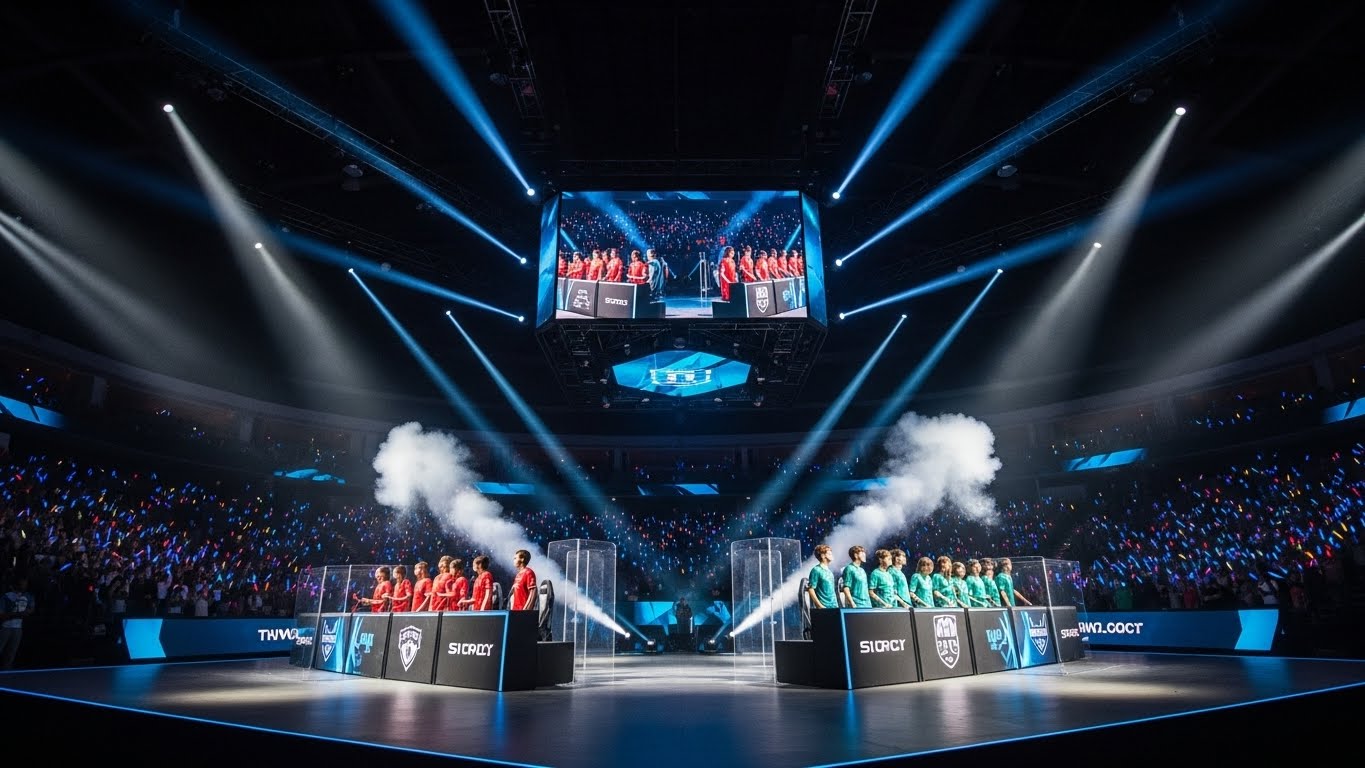
The roots of esports can be traced back to early arcade competitions where players challenged each other for high scores. As home computers and consoles became widespread, competitive gaming shifted into living rooms and local networks. The real turning point came with the internet, enabling players from different regions to compete in real time. Over time, small community tournaments grew into massive international events hosted in sold-out arenas, complete with commentary, production crews, and live audiences.
Professional Players and Their Discipline
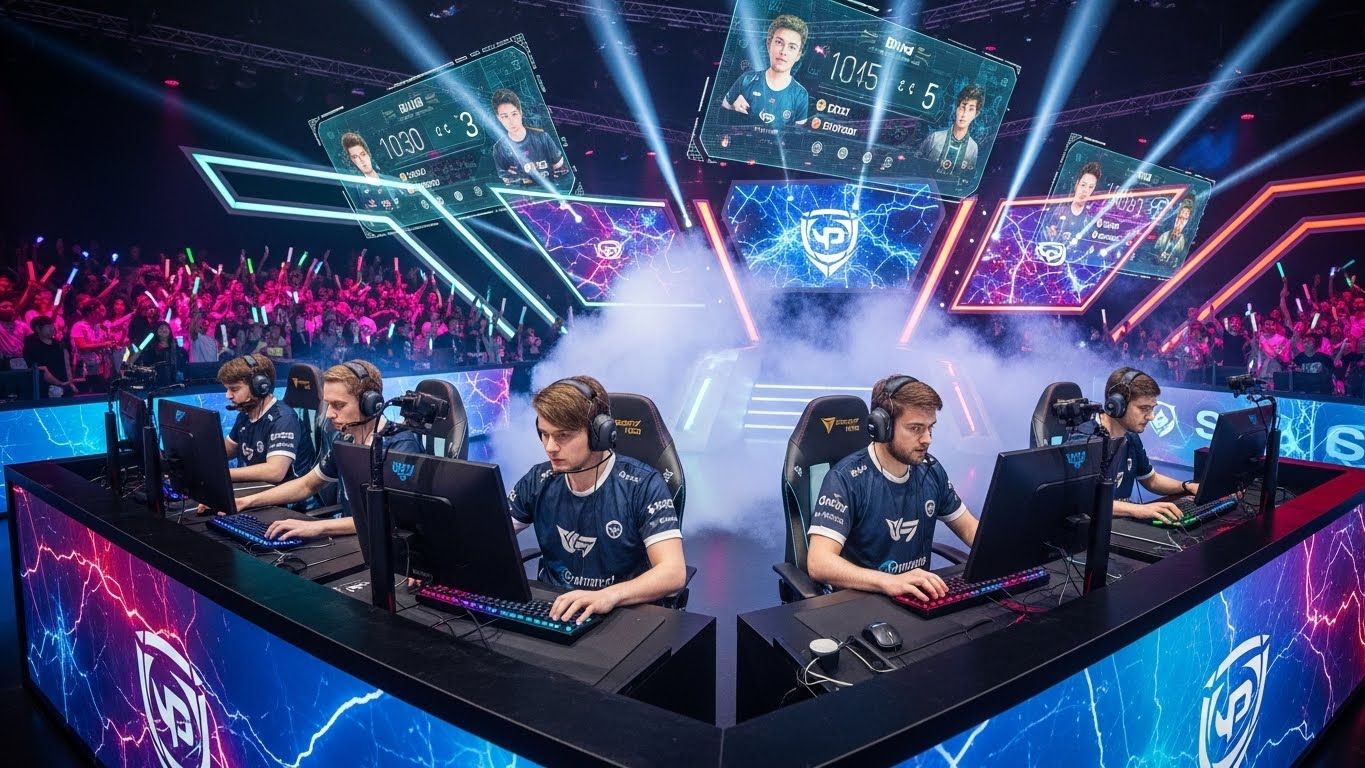
Professional esports players are often compared to athletes, and for good reason. Their daily routines include hours of practice, physical exercise, strategy meetings, and performance reviews. Reaction time, hand-eye coordination, decision-making under pressure, and communication skills are critical to success. Many teams employ coaches, analysts, psychologists, and fitness trainers to ensure peak performance. The dedication required to remain competitive at the highest level is intense, often starting at a young age.
The Role of Teams and Organizations
Behind every successful player is an organization that provides structure and support. Esports teams function much like traditional sports clubs, offering contracts, salaries, housing, and training facilities. These organizations manage branding, sponsorships, and player development while competing in regional and international leagues. Rivalries between teams add excitement and narrative depth, fueling fan engagement and loyalty across seasons.
Tournaments and Global Spectacle
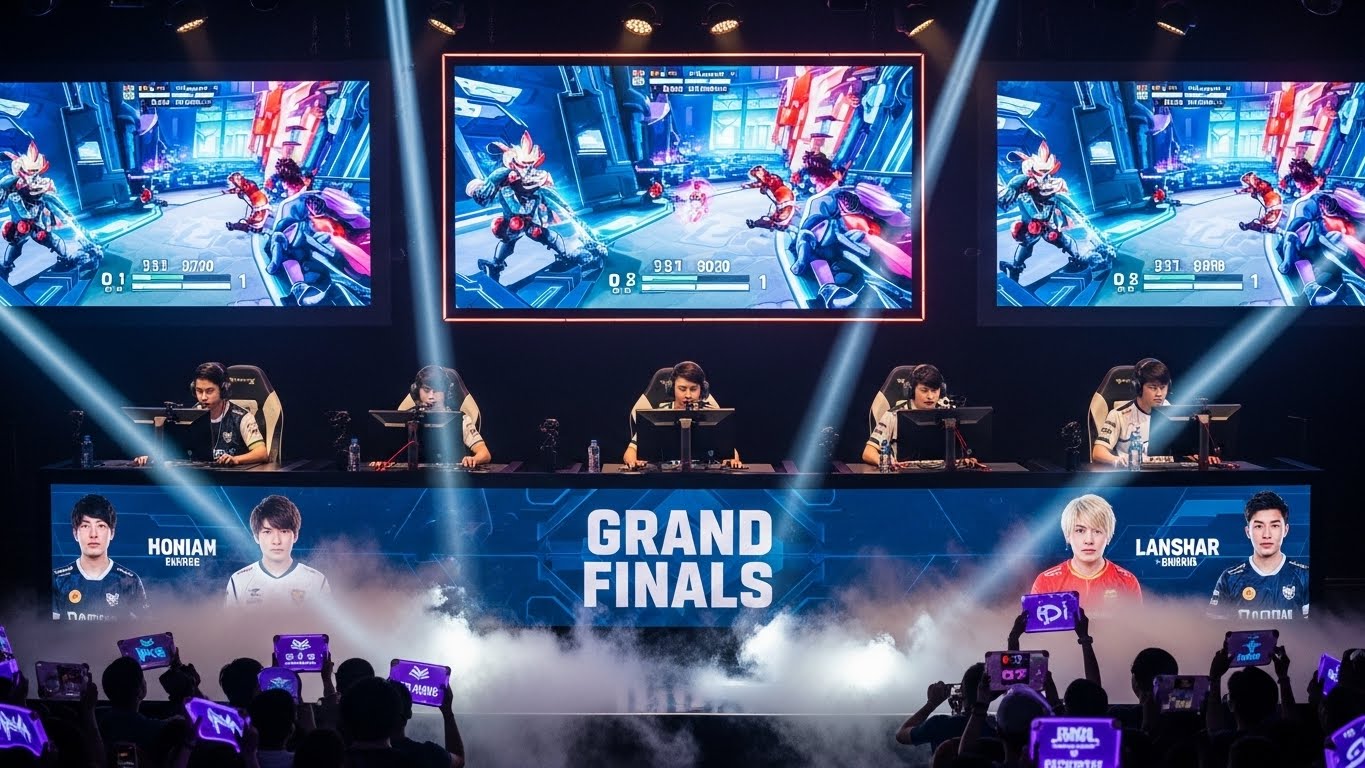
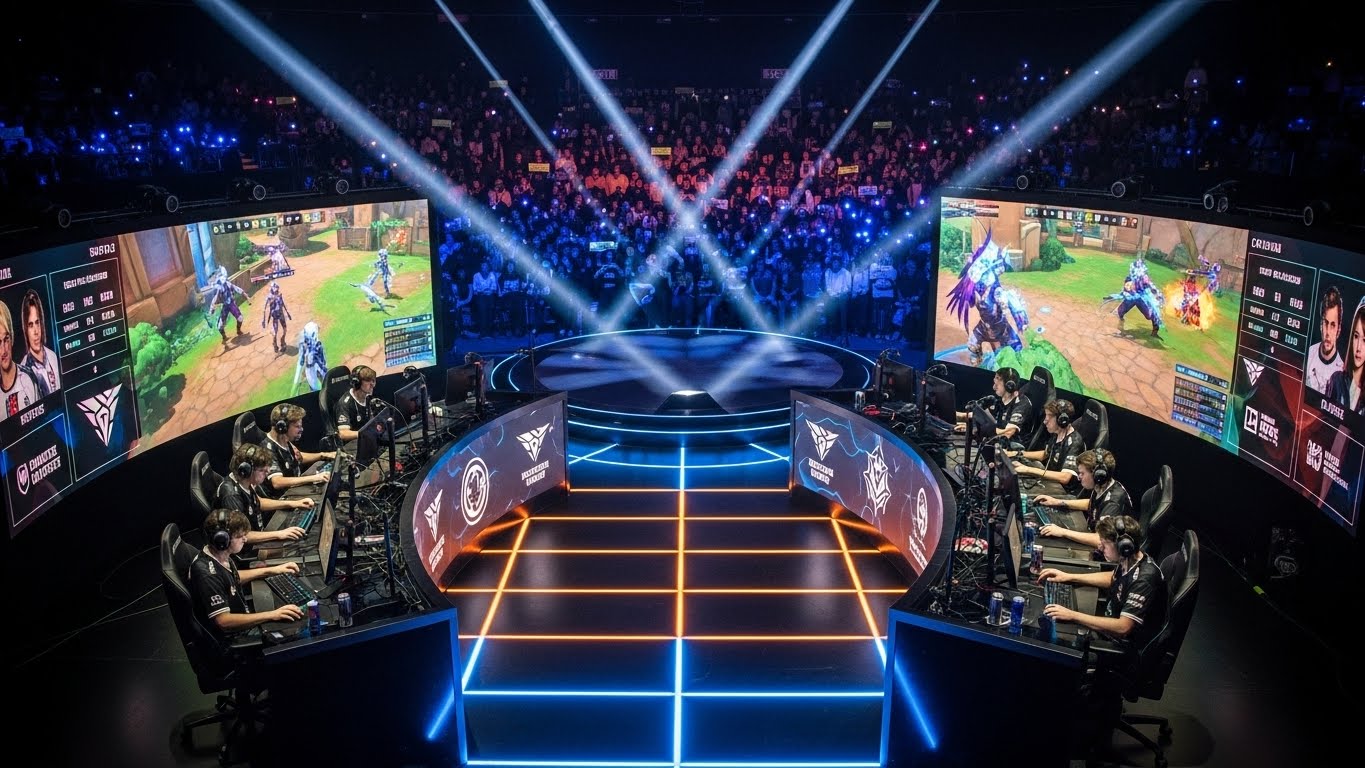
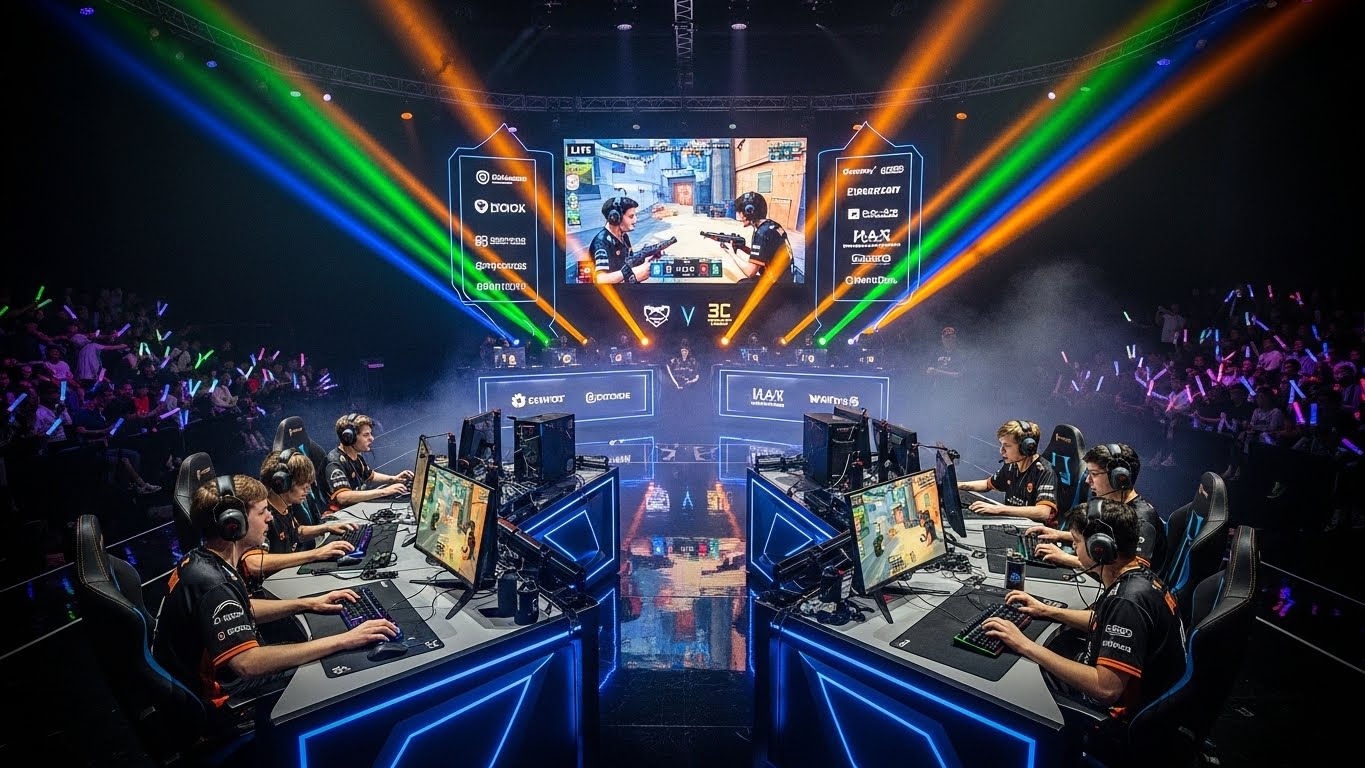
Esports tournaments are the heart of the industry. They range from small online qualifiers to grand international championships watched by millions. These events showcase the highest level of gameplay and often feature elaborate stage designs, live commentary, and immersive production. Prize pools can reach staggering amounts, reflecting both the skill of the players and the commercial strength of the industry. For fans, tournaments are not just competitions but celebrations of gaming culture.
Fans and Community Culture
One of the most powerful aspects of esports is its community. Fans interact with players, teams, and each other through live chats, social platforms, and in-person events. This close connection creates a sense of belonging and participation that is sometimes missing in traditional sports. Supporters follow storylines, celebrate victories, and debate strategies, turning esports into a shared global experience that transcends borders and languages.