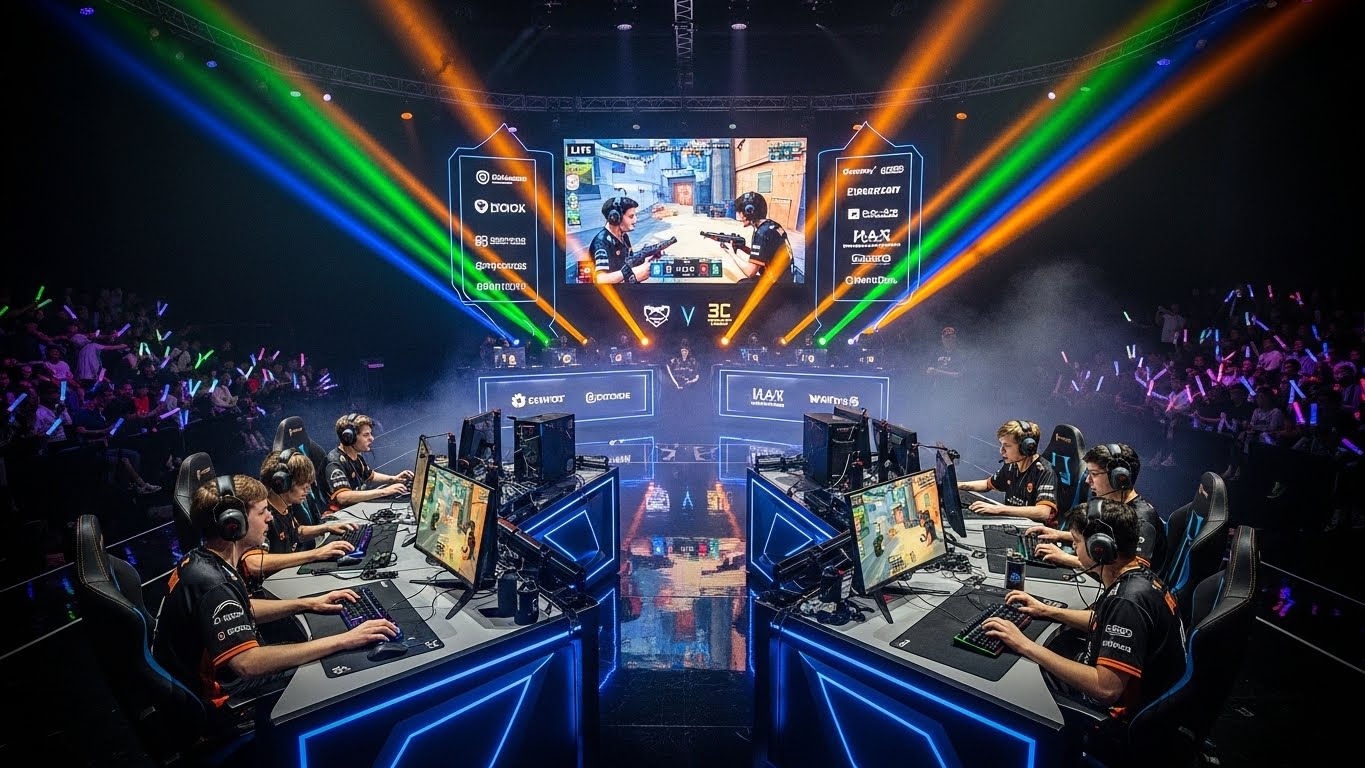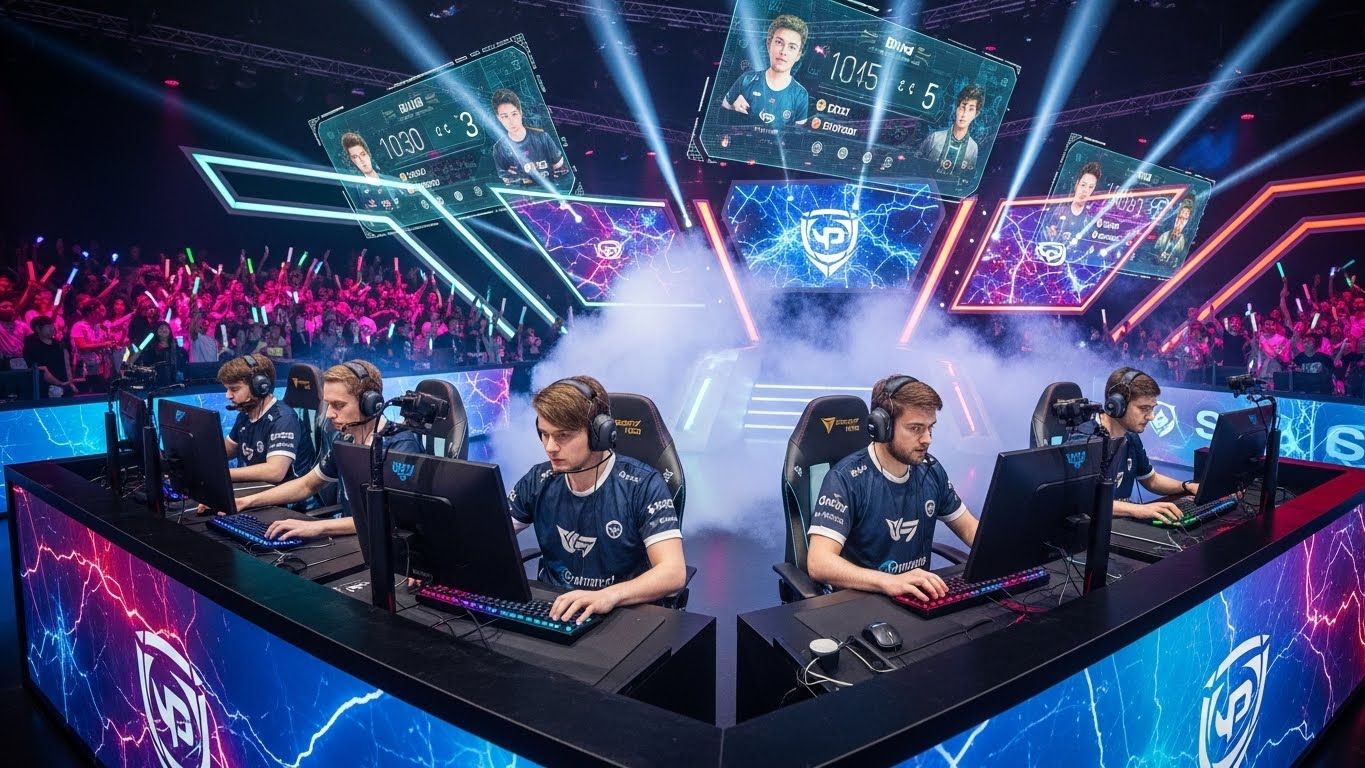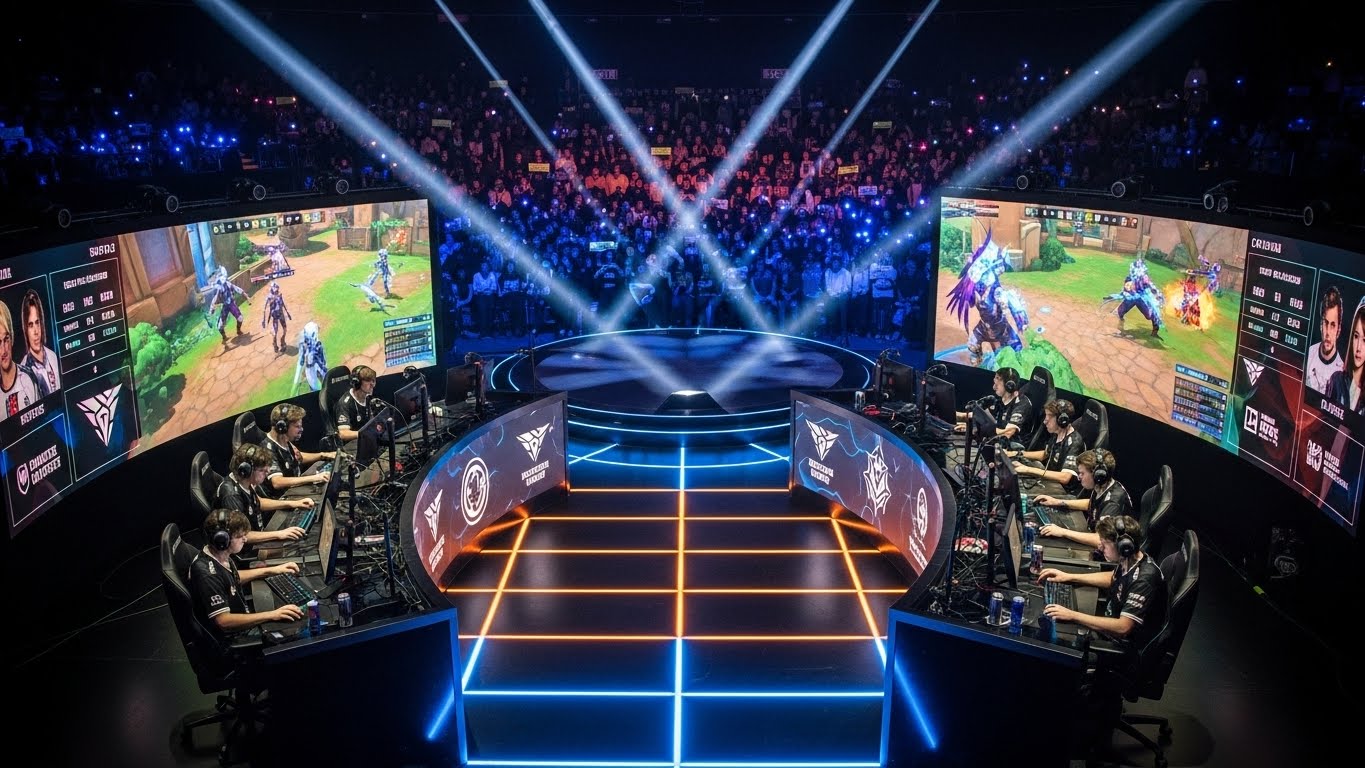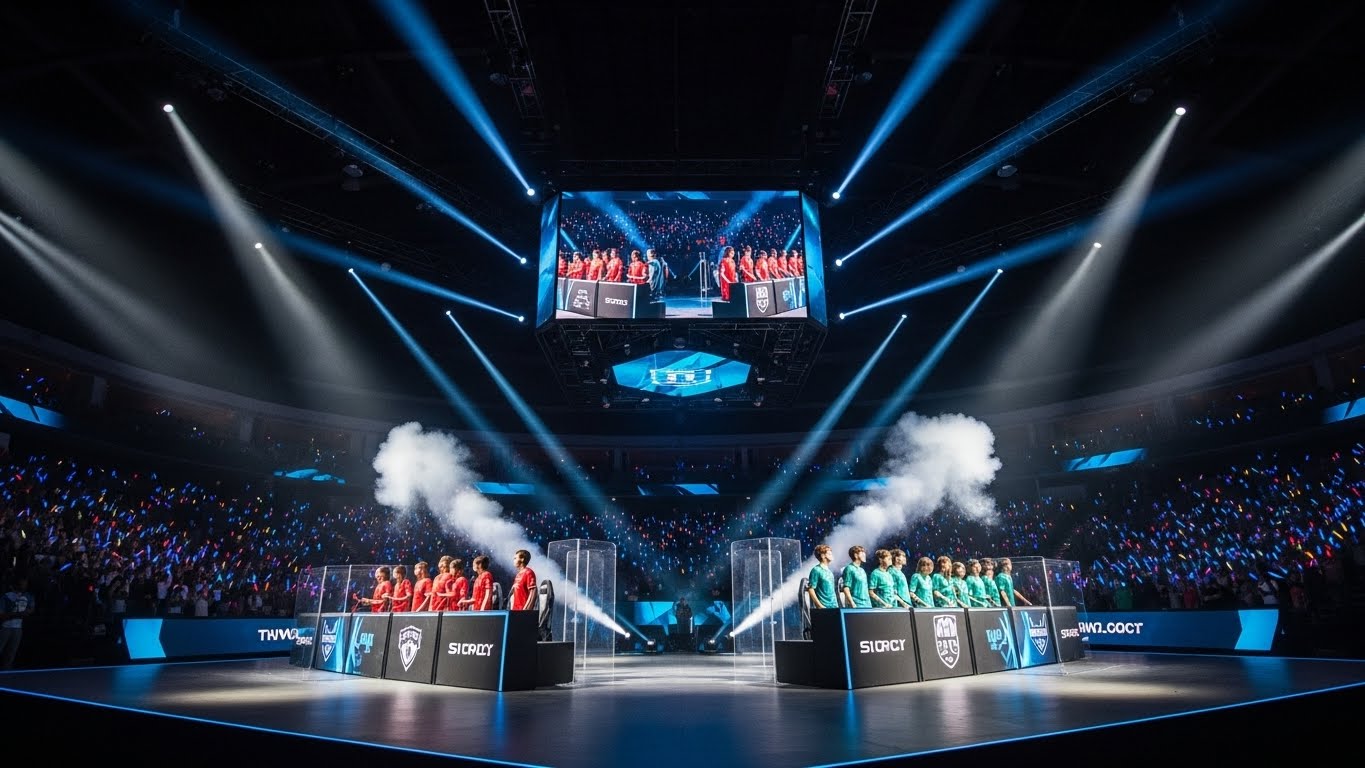
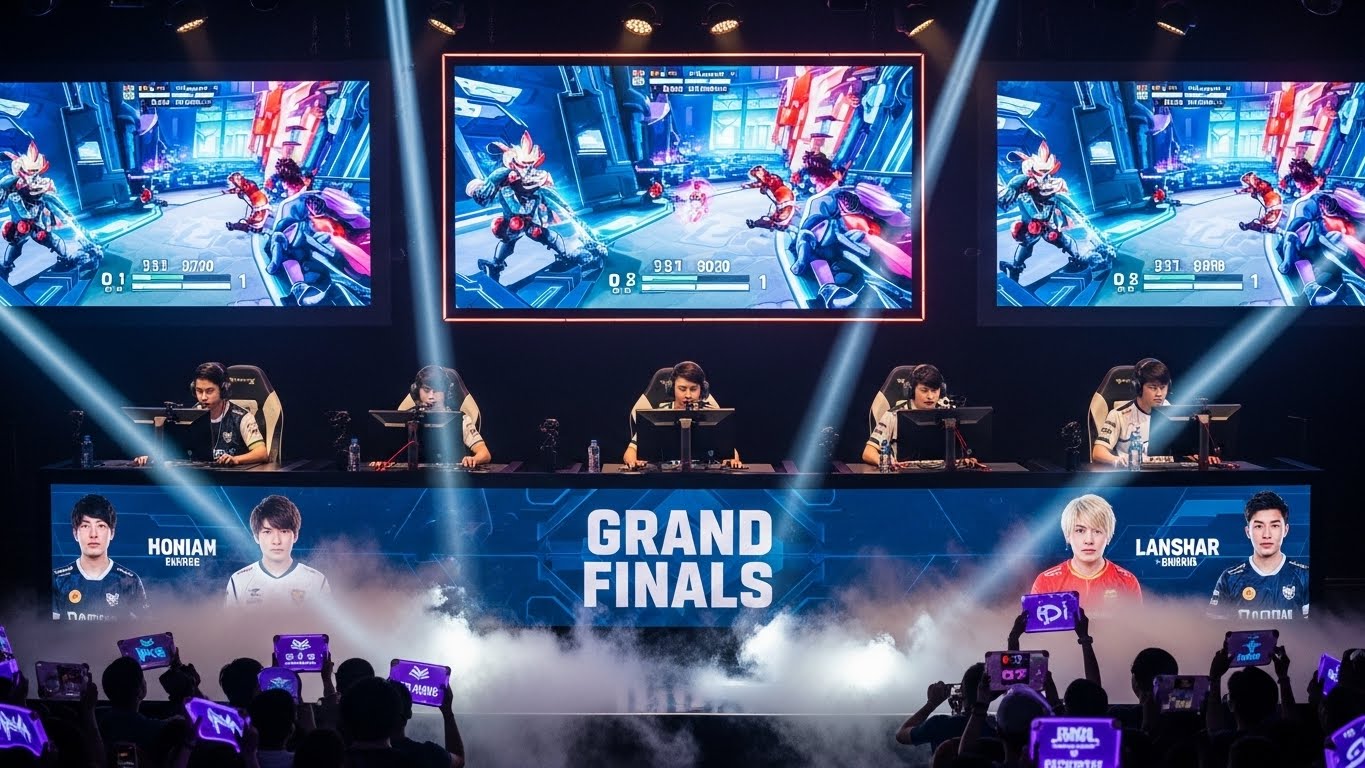
Esports has grown from a niche hobby into a global phenomenon, captivating millions of players and fans worldwide. Once considered a casual pastime, competitive gaming now rivals traditional sports in both viewership and revenue. With professional leagues, large prize pools, and massive fan communities, esports has solidified its place as a serious industry. This blog explores the rise of esports, its cultural and economic impact, the opportunities it creates, and the challenges it faces.
Understanding Esports: More Than Just Gaming
Esports, short for electronic sports, refers to organized competitive video gaming. Unlike casual gaming, esports involves structured competitions where players or teams face off in popular games for rankings, monetary prizes, and recognition. Games like League of Legends, Counter-Strike: Global Offensive, Dota 2, Fortnite, and Call of Duty have become iconic within the esports world.
Professional players dedicate extensive hours to mastering mechanics, teamwork, and in-game strategies. The dedication rivals that of traditional athletes, with training sessions, strategy reviews, and mental conditioning forming the core of daily routines. This level of professionalism has elevated esports from casual entertainment to a career path and global industry.
The Explosion of Esports as an Industry
The growth of esports as an industry has been remarkable. Revenue streams include sponsorship deals, merchandise sales, media rights, ticket sales for live events, and content creation. Companies recognize esports as a direct channel to a young, engaged audience, making sponsorships and brand collaborations highly valuable.
Tournaments now offer multi-million-dollar prize pools, drawing international attention. The Dota 2 International is renowned for its record-breaking prize money, funded by community contributions and organizers. Similarly, the League of Legends World Championship attracts millions of viewers globally, with live broadcasts in multiple languages and fan events held across cities.
Streaming platforms have further fueled this growth. Platforms like Twitch and YouTube Gaming allow fans to watch live gameplay, follow favorite players, and engage with esports content in real-time. These platforms have created entire ecosystems that support content creators, teams, and fans, making esports more interactive and community-driven than ever before.
The Role of Technology in Esports
Technology is at the heart of esports’ success. High-speed internet, advanced gaming hardware, and sophisticated streaming platforms have made competitive gaming more accessible and engaging. Players can compete internationally without leaving home, and fans can watch tournaments live from anywhere in the world.
Gaming peripherals, including high-refresh-rate monitors, mechanical keyboards, and precision mice, enhance player performance and are essential tools for professional gamers. Additionally, emerging technologies such as virtual reality and augmented reality are beginning to influence esports, paving the way for immersive gaming experiences and new competition formats.
Data analytics and artificial intelligence have also become integral. Teams analyze gameplay statistics, opponent patterns, and player performance to refine strategies. Coaches use these insights to enhance training and optimize team performance, similar to analytics-driven approaches in traditional sports.
Career Opportunities in Esports
Esports offers far more than just professional gaming careers. Players may gain fame and income through competitive success, but the ecosystem supports a wide range of roles. Coaching, team management, content creation, broadcasting, event organization, and game development all play vital roles in the industry.
Casters and commentators bring tournaments to life, providing real-time analysis and storytelling that engage viewers. Streamers and content creators build brands and communities, monetizing gameplay through subscriptions, sponsorships, and merchandise. Event organizers handle logistics, marketing, and sponsorships for tournaments, ensuring seamless experiences for players and fans alike.
Educational institutions are also embracing esports. Universities offer programs, scholarships, and courses focused on esports management, game design, and marketing, preparing students for careers in this rapidly expanding industry.
Global Appeal: Esports as a Worldwide Phenomenon
Esports has a unique advantage over traditional sports: its universal accessibility. Players from different continents can compete on a single stage, and fans can follow their favorite teams from anywhere in the world. This global reach has helped esports grow into a truly international phenomenon.
South Korea and China are esports powerhouses, with extensive leagues, dedicated training facilities, and massive fan communities. North America and Europe also have thriving esports ecosystems, showcasing the industry’s broad appeal. International tournaments foster cross-cultural interaction and competition, uniting fans worldwide around a shared passion.
The Cultural and Social Impact of Esports
Esports has transformed how people engage with gaming and entertainment. Online communities allow fans to share strategies, discuss gameplay, and connect with like-minded individuals. Social media amplifies tournament visibility and player personalities, while fan events create opportunities for real-world engagement.
Esports has also become part of mainstream culture. Celebrities, athletes, and global brands increasingly participate in esports events, merging traditional entertainment with competitive gaming. This cultural integration legitimizes esports as a professional pursuit and attracts broader audiences beyond core gaming communities.
Challenges Facing Esports
Despite its rapid growth, esports faces challenges that require attention. Player burnout is common due to demanding training schedules, competitive pressure, and mental stress. Organizations must prioritize player health, balancing intense practice routines with rest and mental wellness programs.
Regulation and standardization are ongoing issues. Unlike traditional sports, esports lacks universally recognized governing bodies, making consistent rules, tournament formats, and player contracts difficult to enforce. Cheating, match-fixing, and doping are also concerns that threaten competitive integrity.
Inclusivity and accessibility remain essential considerations. High-quality gaming equipment and reliable internet access are not universally available, limiting participation. Efforts to support underrepresented communities and expand access are critical for ensuring esports remains equitable and sustainable.
The Future of Esports
The future of esports is full of potential. Advancements in cloud gaming, artificial intelligence coaching, and virtual reality could revolutionize gameplay and fan engagement. New genres and competition formats may emerge, driven by technological innovation.
Traditional sports organizations and media companies are increasingly investing in esports, signaling continued growth and mainstream acceptance. Sponsorships, media rights, and advertising opportunities are evolving, offering new revenue streams for teams, players, and content creators.
Education and professional development in esports are also expected to expand. Universities and training academies will continue to provide structured learning opportunities, preparing the next generation of players, managers, and industry professionals.
Sustainability in esports will depend on balancing commercial growth with player well-being, ethical practices, and inclusive opportunities. By fostering responsible innovation, esports can continue to thrive as a respected and influential form of competitive entertainment.
Conclusion: Embracing Esports as the Future of Competitive Entertainment
Esports has evolved from a hobby into a professional, globally recognized industry. It blends technology, strategy, skill, and entertainment, creating a unique form of competition that resonates with millions. The industry has generated economic opportunities, fostered community engagement, and influenced mainstream culture.
While challenges such as player health, regulation, and inclusivity remain, esports continues to grow rapidly, shaping the future of entertainment and competitive sports. By embracing innovation, ethical standards, and community-focused practices, esports can sustain its momentum and redefine what it means to compete and excel in the digital era.
Esports is more than just playing games; it is a cultural movement, a professional pursuit, and a testament to the power of technology and human skill. As it continues to evolve, it promises to remain an integral part of the entertainment landscape, captivating audiences and inspiring players worldwide.