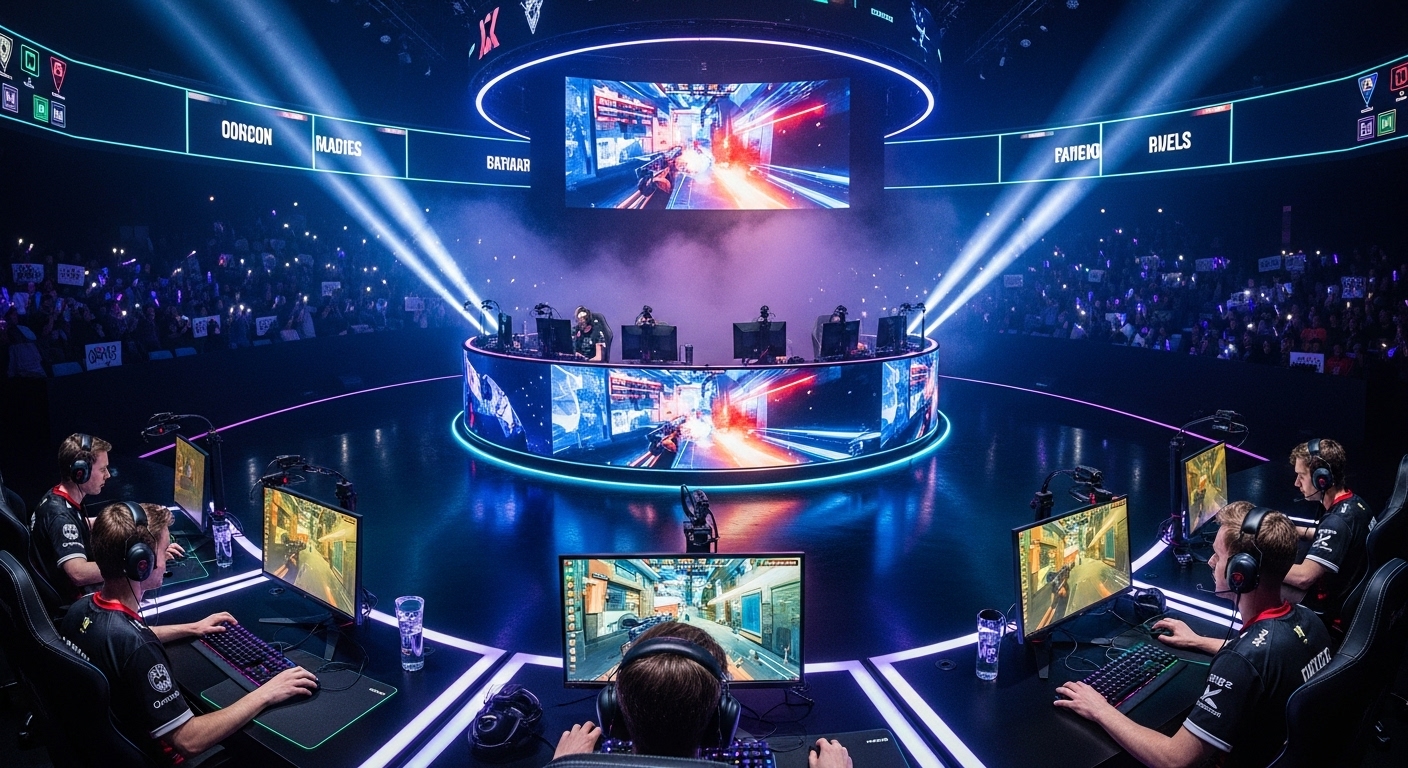
Introduction: The Rise of Esports
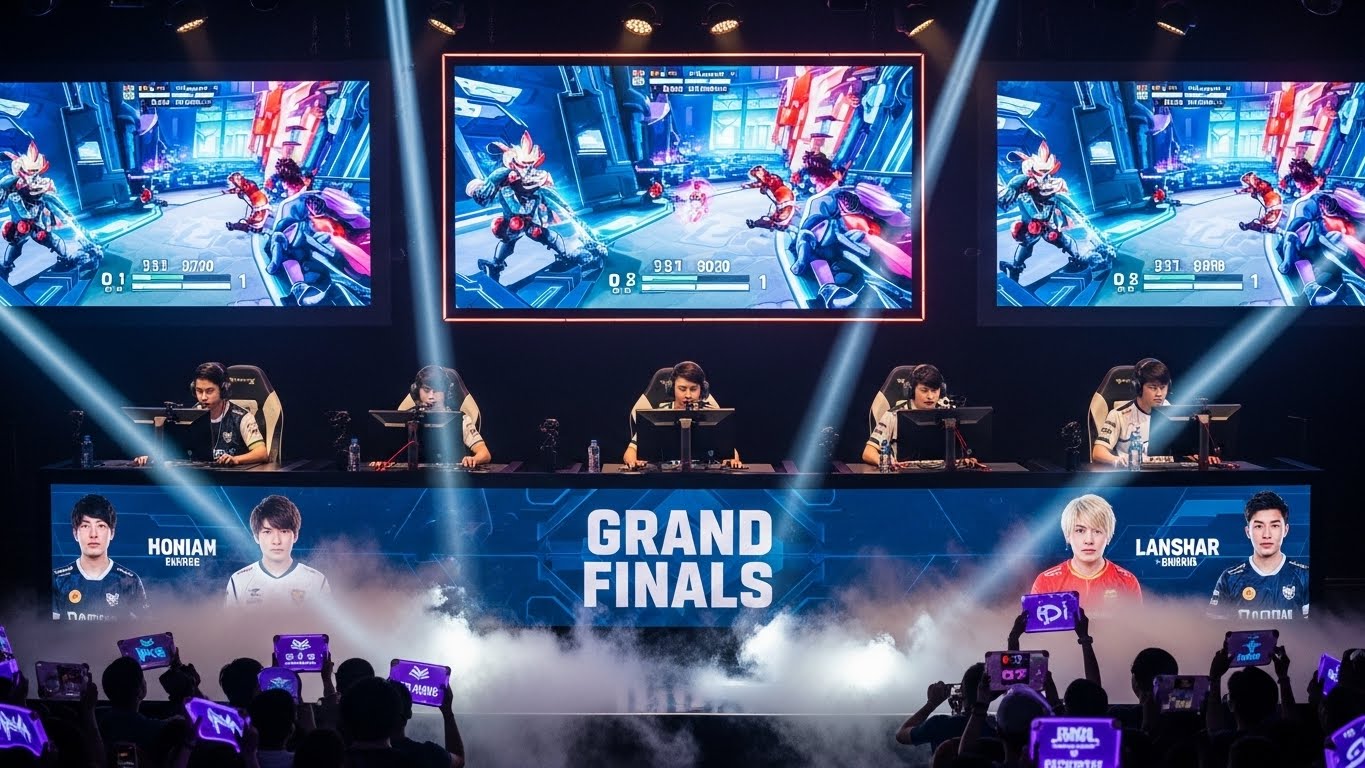
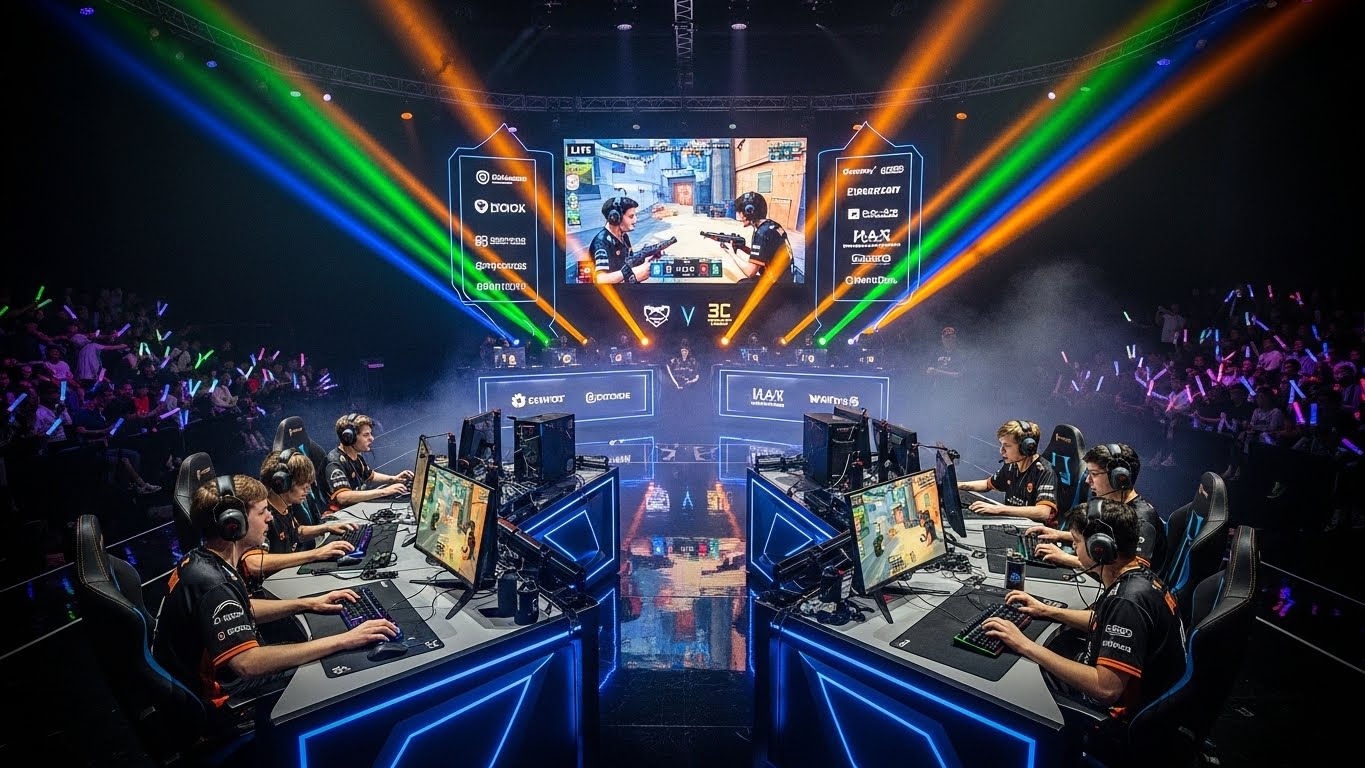
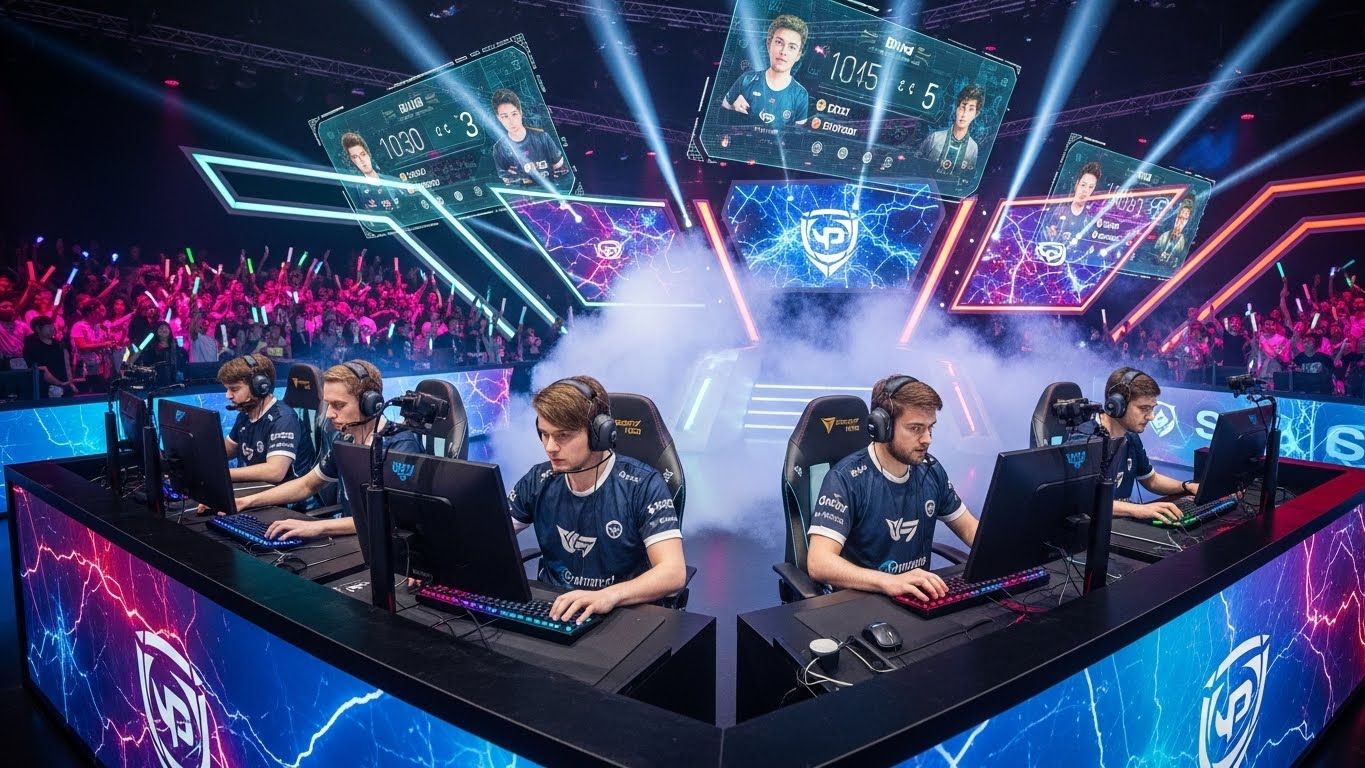
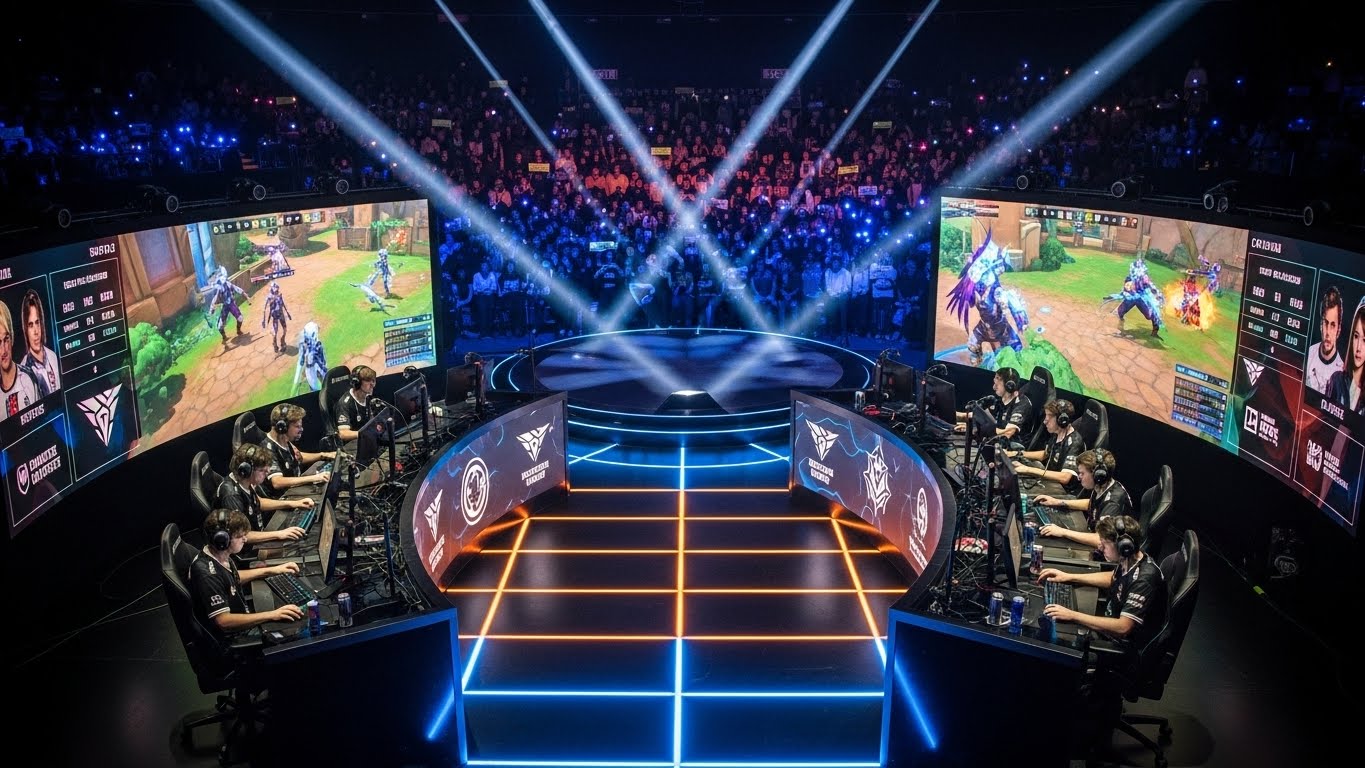
Esports, or competitive gaming, has grown from a niche hobby into a global phenomenon that captivates millions of fans and generates billions in revenue each year. Once considered a pastime limited to small communities of gamers, esports now rivals traditional sports in popularity, viewership, and professional organization. It combines skill, strategy, teamwork, and entertainment, attracting a diverse audience ranging from casual viewers to dedicated fans who follow leagues, tournaments, and professional players closely.
The expansion of esports has been fueled by technological advancements, increased internet accessibility, and the rise of streaming platforms. As esports continues to evolve, it has created career paths for professional players, commentators, analysts, and content creators while reshaping the global entertainment landscape.
The Origins of Competitive Gaming
The story of esports began decades ago in the arcades and early computer labs where gamers competed for high scores on titles like Pong, Space Invaders, and Pac-Man. High-score competitions fostered a sense of rivalry and achievement, establishing the basic competitive framework that would later define esports.
The first major competitive event is often attributed to the Space Invaders Championship held in the United States in 1980. Thousands of players participated, demonstrating that gaming could be a widely engaging activity. In the following years, competitive gaming expanded to home consoles and personal computers, allowing players to challenge others locally and, eventually, across networks.
The Professionalization of Esports
Esports became professionalized in the late 1990s and early 2000s, with South Korea emerging as a pioneer. The strategic real-time strategy game StarCraft: Brood War became the centerpiece of professional competition, complete with televised tournaments, sponsorship deals, and dedicated esports arenas. In South Korea, professional gamers achieved celebrity status, inspiring a culture of intense dedication, rigorous training, and high-stakes competition.
In Europe and North America, other games such as Counter-Strike, Warcraft III, and Quake laid the foundation for organized tournaments and professional teams. The development of online multiplayer platforms enabled international competition, connecting players and audiences worldwide and creating the early global esports ecosystem.
Technological Advancements and Esports
Technology has been integral to the rise of esports. High-speed internet, gaming computers, and specialized peripherals such as mechanical keyboards, gaming mice, and high-refresh-rate monitors have elevated the standard of competitive play. These tools allow players to achieve precision, speed, and accuracy, making professional gameplay faster and more intense than casual gaming.
Streaming platforms have transformed esports into a spectator sport. Twitch, YouTube Gaming, and similar platforms allow fans to watch live matches, interact with players, and engage in community discussions. Streaming has expanded esports’ reach, turning it into a cultural phenomenon and generating revenue through advertising, sponsorships, and subscriptions.
Popular Esports Genres
Esports encompasses a wide range of game genres, each with unique competitive dynamics and audiences.
Multiplayer Online Battle Arena (MOBA): Games like League of Legends and Dota 2 require teamwork, strategy, and quick decision-making. Players assume roles that complement each other, focusing on objectives and team coordination to secure victory.
First-Person Shooters (FPS): Games such as Counter-Strike: Global Offensive, Valorant, and Call of Duty emphasize reflexes, aiming precision, and tactical positioning. FPS competitions are fast-paced and visually engaging, attracting large audiences.
Real-Time Strategy (RTS): Titles like StarCraft II and Age of Empires focus on resource management, tactical execution, and strategic planning. RTS games reward players who can think several steps ahead while responding rapidly to changing situations.
Sports Simulation Games: Games like FIFA and NBA 2K emulate real-world sports, offering esports competitions that parallel traditional leagues. They appeal to both sports enthusiasts and gamers who enjoy competitive play.
Fighting Games: Games such as Street Fighter, Tekken, and Super Smash Bros. test reaction speed, timing, and execution. These one-on-one battles have loyal fan bases and maintain a strong competitive culture worldwide.
Each genre attracts different demographics and ensures that esports appeals to a wide and diverse audience.
The Global Esports Industry
Esports has grown into a multi-billion-dollar industry with multiple revenue streams, including advertising, sponsorships, media rights, ticket sales, merchandise, and tournament winnings. High-profile tournaments such as The International for Dota 2, the League of Legends World Championship, and Counter-Strike: Global Offensive Majors offer prize pools in the millions, attracting global attention.
Professional esports teams operate similarly to traditional sports franchises. Players receive salaries, coaching, medical support, and training resources. Organizations invest in brand development, fan engagement, and content creation, ensuring long-term sustainability. Corporate sponsorships from global brands have legitimized esports and helped integrate it into mainstream entertainment culture.
Streaming, Viewership, and Community
Streaming platforms are essential to esports culture, offering real-time interaction between players and fans. Live broadcasts, commentary, and chat systems create an immersive viewing experience. Fans not only watch matches but also participate in discussions, follow player content, and join communities that enhance engagement.
Beyond live tournaments, esports content includes tutorials, highlights, personal vlogs, and behind-the-scenes coverage. Online communities facilitate collaboration, fan tournaments, and discussions, fostering a shared culture that strengthens the esports ecosystem.
Training and Preparation
Professional esports players often train six to ten hours per day, focusing on reflexes, strategy, teamwork, and communication. Unlike casual gaming, esports requires discipline, mental resilience, and continuous skill development.
Coaches, analysts, psychologists, and nutritionists support players to maximize performance. Teams study gameplay footage, analyze opponents, and refine tactics. Successful esports requires a combination of individual skill and team coordination, emphasizing preparation, strategy, and adaptability.
Major Esports Tournaments
Esports tournaments are major cultural and entertainment events.
The International: A flagship Dota 2 tournament with one of the largest prize pools in esports history.
League of Legends World Championship: Annual global competition showcasing top teams from different regions.
Counter-Strike: Global Offensive Majors: High-level FPS tournaments with a focus on precision, strategy, and teamwork.
Overwatch League: City-based franchise competitions that combine professional gameplay with fan engagement.
These tournaments attract millions of viewers, create global storylines, and elevate players and teams to celebrity status.
Esports and Youth Culture
Esports has a deep connection to youth culture. Teenagers and young adults are the primary audience and participants. Online communities foster social interaction, collaboration, and competition. Players form teams, participate in leagues, and develop relationships that extend beyond the digital environment.
Esports also promotes creativity, problem-solving, and critical thinking. Fans create content, mods, and fan art, contributing to a vibrant culture. Participation in esports can offer educational and professional opportunities while providing entertainment and social engagement.
Business and Revenue Models
The esports industry thrives on diverse revenue streams. Sponsorships, media rights, merchandise, ticket sales, and advertising all contribute to financial growth. Players earn salaries, tournament prizes, and endorsements, creating professional career paths.
Organizations invest in content creation, fan engagement, branding, and international expansion. Affiliate partnerships and influencer marketing help operators attract new audiences and maintain visibility. These strategies have turned esports into a sustainable and profitable global business.
Integration with Traditional Sports
Esports increasingly intersects with traditional sports. Professional sports teams create esports divisions, while athletes participate in gaming events. This integration expands audiences, legitimizes esports as a professional pursuit, and creates crossover appeal.
By combining traditional sports culture with digital competition, esports demonstrates that skill, strategy, and teamwork are universal, regardless of the medium.
Challenges in Esports
Despite its growth, esports faces challenges. Player mental and physical health is a concern due to long hours, repetitive strain, and high stress. Burnout is common, requiring structured wellness initiatives.
Regulatory oversight varies by region, creating inconsistent rules and standards. Ensuring fair competition, ethical practices, and player protection remains a key focus. Additionally, cultural perceptions continue to evolve, with some still viewing esports as entertainment rather than a legitimate career or sport.
The Future of Esports
The future of esports is promising, driven by technological innovation and global expansion. Emerging technologies such as virtual reality, augmented reality, and artificial intelligence will redefine gameplay and viewer experiences.
Educational institutions now offer esports scholarships and programs, preparing future players, coaches, and industry professionals. Markets in Asia, Africa, and South America are rapidly developing competitive gaming communities, ensuring a truly global industry.
Esports will continue to merge entertainment, technology, and competition, creating immersive experiences and expanding its influence on culture and media worldwide.
Esports as a Cultural Phenomenon
Esports is more than a competitive activity; it is a cultural movement. Fans celebrate players as heroes, teams as communities, and tournaments as global events. Streaming, social media, and digital communities have created a shared culture around esports, fostering engagement and identity among participants.
Esports blends athleticism, strategy, and entertainment, offering participatory and interactive experiences. It encourages creativity, problem-solving, and teamwork, making it a defining element of contemporary digital culture.
Conclusion
Esports has evolved from simple arcade competitions to a global, multi-billion-dollar industry with professional players, international tournaments, and millions of fans. It combines skill, strategy, and entertainment in ways that rival traditional sports. The professionalization of players, the rise of streaming, and the integration with traditional sports have solidified esports as a legitimate and influential sector.
Technological advancements, global connectivity, and the growth of digital communities ensure that esports will continue to expand, innovate, and captivate audiences. Esports is no longer merely a hobby; it is a cultural phenomenon, a career path, and a central part of modern entertainment.
With immersive technologies, professional development, and a growing global audience, esports is poised to remain at the forefront of digital entertainment for decades to come.