
Introduction
In the digital age, esports has emerged as a cultural and professional powerhouse. Once dismissed as a pastime for teenagers, competitive gaming has transformed into a global industry that rivals traditional sports in viewership, revenue, and prestige. Esports is more than just playing video games; it is a structured, professional ecosystem that unites millions of players, fans, and organizations worldwide. The rise of esports illustrates how technology, culture, and human ambition intersect, creating a phenomenon that reshapes entertainment, career paths, and social engagement. As esports continues to evolve, it stands as a symbol of the modern age, where competition thrives in both physical and virtual arenas.
Origins of Competitive Gaming
The story of esports begins in the 1970s with early gaming competitions. In 1972, Stanford University hosted a tournament for the game Spacewar, marking one of the first known organized gaming events. Prizes were modest, often a magazine subscription or simple recognition, but these early competitions planted the seeds for a global phenomenon. During the 1980s, arcade games like Pac-Man, Donkey Kong, and Street Fighter became social hubs for competitive play. Leaderboards and high scores created early recognition for skill, setting the foundation for organized tournaments that would later become the hallmark of esports.
By the 1990s, home consoles and PC gaming began to flourish. Multiplayer games such as Doom, Quake, and Warcraft III allowed players to compete across towns, countries, and continents. The emergence of early esports leagues like the Cyberathlete Professional League provided structure to these competitions. Communities formed around these games, sharing strategies, organizing events, and creating an early digital ecosystem that emphasized skill, teamwork, and competition.
The Internet Revolution and Global Connectivity
The early 2000s marked a pivotal moment in esports history due to the proliferation of broadband internet. High-speed connections enabled real-time online gameplay, connecting players worldwide and transforming gaming into a truly global phenomenon. South Korea emerged as a pioneer, broadcasting StarCraft tournaments on television and establishing professional gaming as a legitimate career path. Millions of viewers tuned in to watch top players compete, demonstrating the viability of esports as both entertainment and a professional pursuit.
In the Western world, online leagues, tournaments, and LAN parties became popular. These events connected communities, fostered competition, and provided platforms for emerging talent. The internet not only enabled global competition but also created a sense of shared identity among gamers, transcending cultural and geographic boundaries. This connectivity laid the foundation for the professional esports ecosystem that exists today.
The Impact of Streaming Platforms
The introduction of streaming platforms like Twitch and YouTube Gaming revolutionized esports. Before streaming, fans had limited access to live events and relied on recorded footage or written recaps. Streaming allowed real-time access to tournaments and matches, giving fans the ability to interact with players and communities instantly. This interactivity helped cultivate global followings, turning professional players into celebrities and esports into a mainstream entertainment medium.
Streaming also democratized esports participation. Talented players from anywhere could showcase their skills and attract viewers without needing access to major tournaments. Fans became participants, shaping narratives, cheering for teams, and building online communities. This evolution expanded the industry’s reach and solidified esports as a cultural phenomenon with wide-ranging influence.
Professionalization of Esports
With increasing viewership and investment, esports professionalized rapidly. Teams transformed from casual groups into organizations with management, coaching, analysts, and structured training facilities. Players signed contracts with salaries, bonuses, and sponsorship agreements, mirroring traditional sports. Professional esports athletes dedicate hours to honing reflexes, strategies, teamwork, and mental resilience.
Leagues like the League of Legends Championship Series, Dota 2 International, and Overwatch League introduced seasons, playoffs, and global tournaments, providing stability and career longevity for players. The professionalization of esports not only elevated competition but also legitimized the industry, proving that gaming demands discipline, skill, and strategic thinking comparable to any traditional sport.
Major Tournaments and Global Competitions
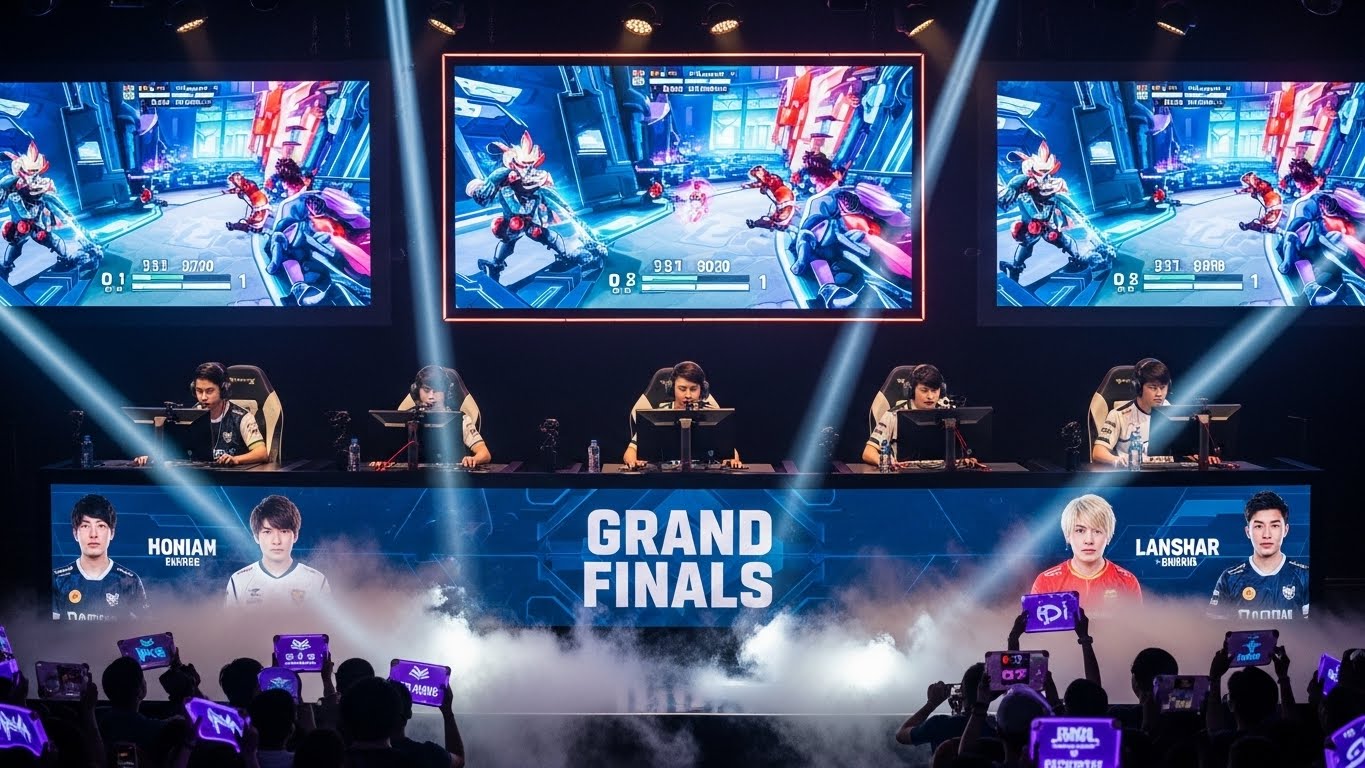
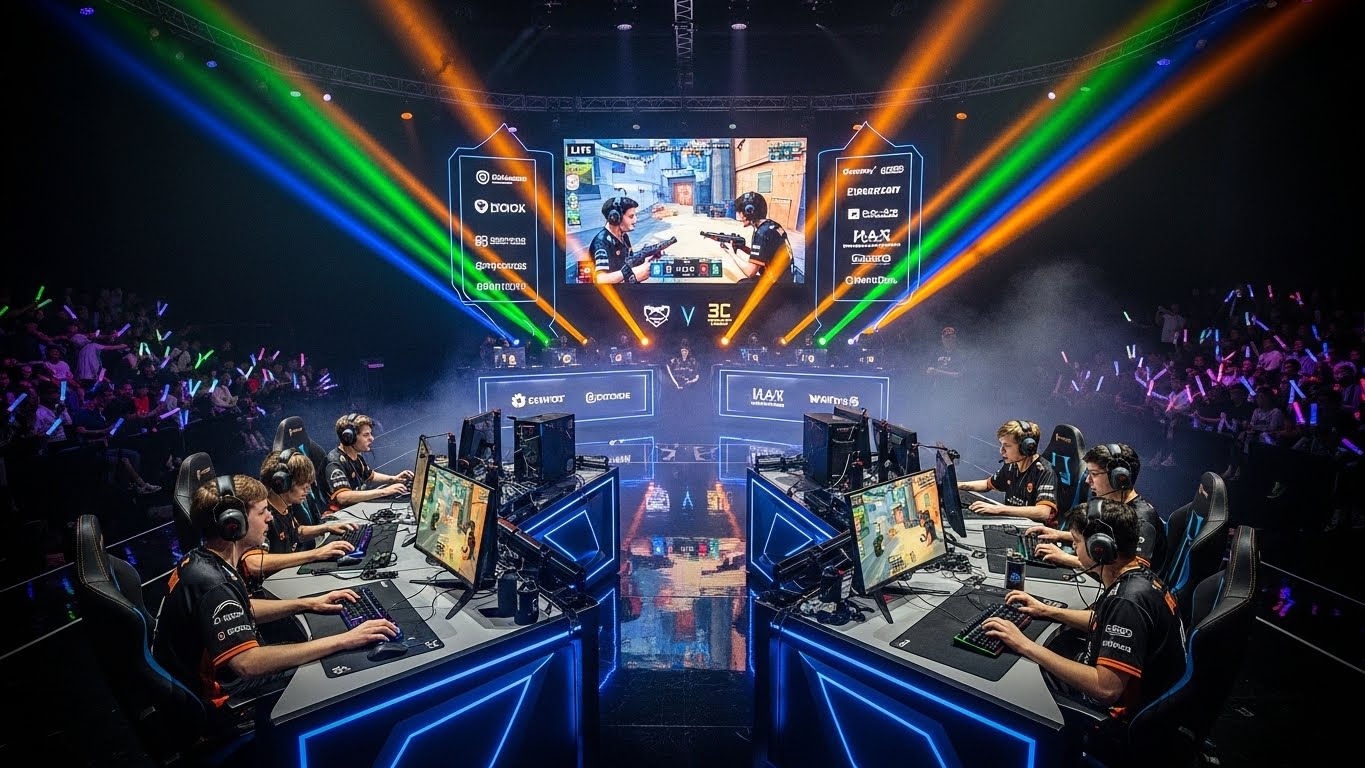
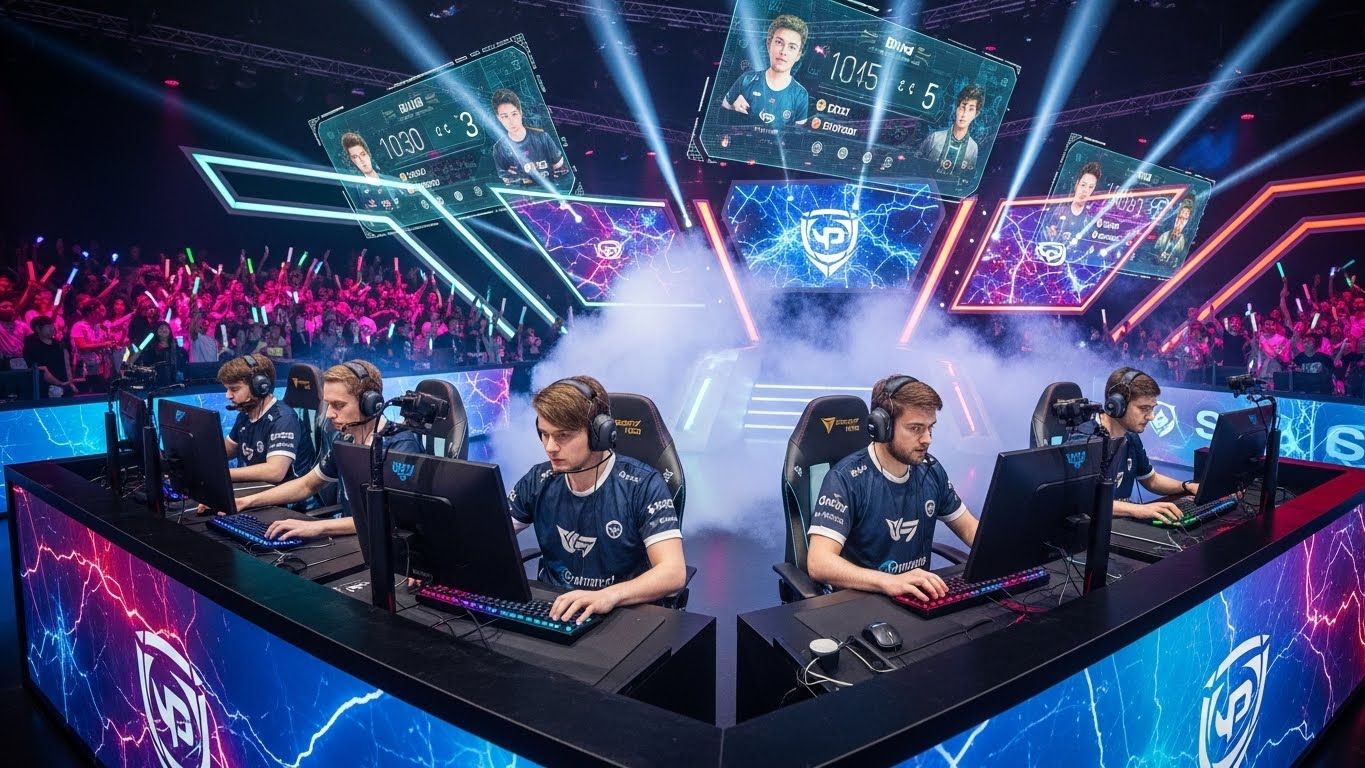
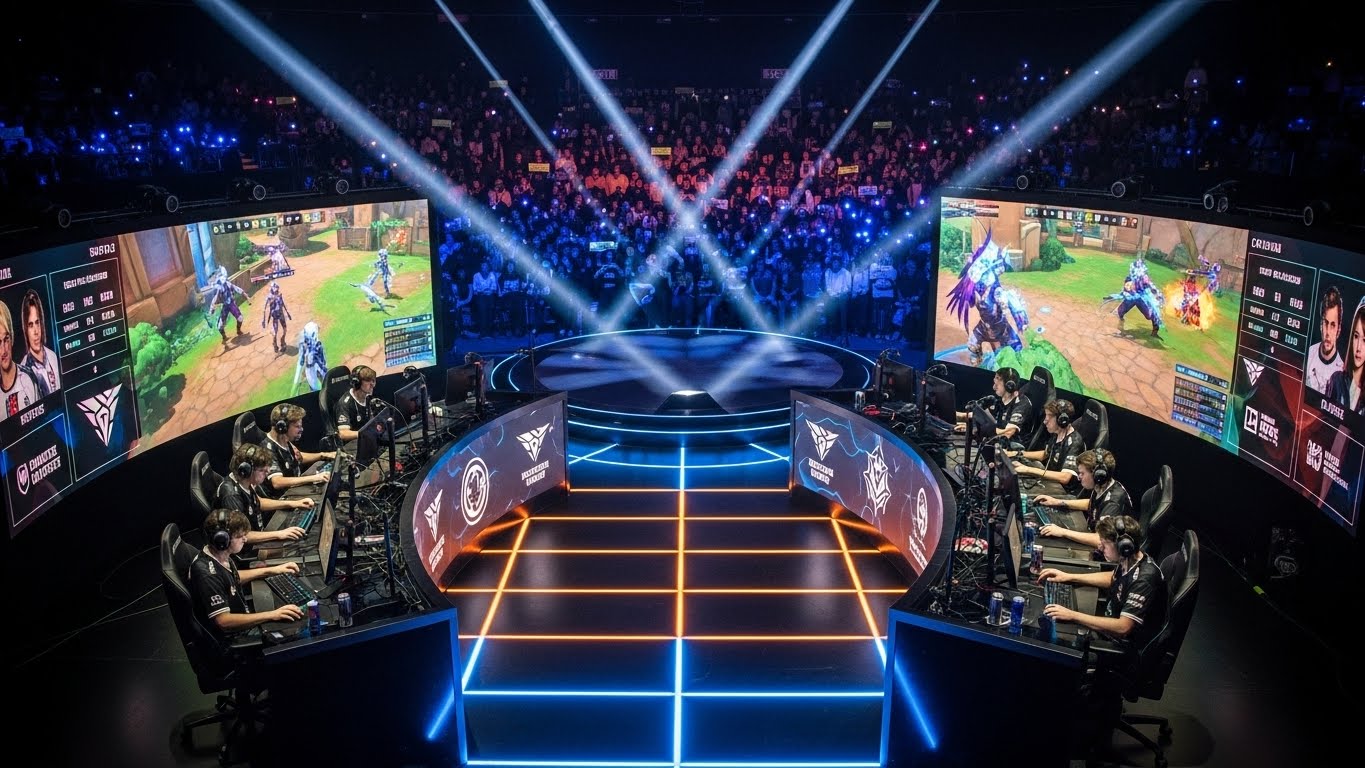
Tournaments form the heart of esports culture. Events such as the Dota 2 International, League of Legends World Championship, and CS:GO Majors attract millions of viewers and fill stadiums with fans. Prize pools often reach tens of millions of dollars, emphasizing the financial and cultural significance of competitive gaming.
These tournaments are high-production events combining athletic competition with entertainment spectacle. Opening ceremonies, live performances, and interactive fan experiences make esports events engaging for audiences worldwide. Fans are not just spectators; they are part of a community that shares enthusiasm, culture, and loyalty, reinforcing esports’ position as a global entertainment force.
The Business Side of Esports
Esports has evolved into a multibillion-dollar industry. Revenue streams include sponsorships, advertising, broadcasting rights, merchandise, and event hosting. Major global brands have invested heavily in esports to connect with young, digitally native audiences. Sponsorship deals, team partnerships, and branded content drive substantial revenue, while tournaments and online streams provide additional income sources.
The industry supports a wide array of career paths beyond professional play. Event management, marketing, software development, analytics, and content creation are all integral to esports’ ecosystem. This business infrastructure demonstrates that esports is not only a cultural phenomenon but also a complex economic network that generates opportunities for millions of people worldwide.
Esports Athletes: Skill and Discipline
Professional esports players are elite competitors who combine mental agility, reflexes, strategy, and teamwork. Success in esports requires rigorous practice, often exceeding ten hours per day, along with physical fitness and mental training. Players work with coaches, analysts, and psychologists to maintain peak performance.
Despite the intensity, esports careers are relatively short. Peak performance often occurs in early to mid-twenties, and burnout is a common challenge. Retired players frequently transition into coaching, commentary, or streaming, continuing to shape the industry while leveraging their expertise. The dedication and professionalism of esports athletes challenge stereotypes, positioning them as respected competitors in the global sports landscape.
Esports in Education
Educational institutions have embraced esports, offering scholarships and programs focused on competitive gaming. Universities teach subjects such as esports management, content creation, broadcasting, and game design, combining technical knowledge with business skills. Schools use esports to develop teamwork, critical thinking, and leadership skills in students.
Esports provides career pathways beyond professional play. Tournament organization, marketing, software engineering, and media production are just a few examples of opportunities within the industry. Educational programs ensure that students can leverage gaming passion into professional development, preparing the next generation for roles in this rapidly growing sector.
Cultural Influence and Mainstream Acceptance
Esports has permeated global culture. It influences music, fashion, media, and entertainment, with players becoming celebrities and gaming inspiring films, shows, and branded merchandise. The rise of esports celebrities, both as influencers and athletes, has contributed to its mainstream appeal.
High-profile tournaments attract audiences beyond core gamers. Esports events are immersive experiences, combining high-level competition with entertainment elements such as concerts, live commentary, and interactive fan engagement. The cultural impact of esports reinforces its legitimacy as a form of entertainment and social influence on a global scale.
Technological Innovation Driving Esports
Technology is the backbone of esports. High-performance computers, monitors with high refresh rates, fast internet connections, and optimized peripherals are essential for competitive play. Developers continuously improve game mechanics, balance, and graphics to ensure fair and engaging competition.
Advanced analytics and artificial intelligence help teams evaluate performance, develop strategies, and study opponents. Emerging technologies such as virtual reality, augmented reality, and cloud gaming are expanding the scope of esports, creating new competitive formats and immersive experiences. Mobile esports is also democratizing participation, making competitive gaming accessible in regions where traditional gaming infrastructure is limited.
Challenges in Esports
Despite its success, esports faces several challenges. Player burnout and mental health issues are common due to intense practice schedules and competitive pressure. Career longevity is limited, often leading to early retirement.
Regulation and standardization remain key issues. Esports is decentralized, with different rules, contract standards, and governance structures depending on the game or league. Diversity and inclusion are also ongoing concerns, as female representation remains low and harassment persists in certain communities. Addressing these challenges is crucial to ensure sustainability, fairness, and continued growth of the industry.
The Intersection of Esports and Traditional Sports
Esports is increasingly intersecting with traditional sports. Professional athletes invest in esports teams, while established sports organizations create their own gaming divisions. This convergence underscores esports’ legitimacy as a competitive endeavor.
Global recognition is also expanding, with esports included in major events like the Asian Games and under consideration for future Olympic inclusion. Esports shares many qualities with traditional sports, including teamwork, strategy, skill, and fan engagement. Its growth reflects the evolving nature of competition in a digitally connected world.
Impact on Youth and Society
Esports profoundly influences youth culture, teaching teamwork, strategic thinking, problem-solving, and digital literacy. Online communities provide social spaces where players connect, collaborate, and learn from peers. Educational and extracurricular esports programs help students develop skills relevant to professional and personal growth.
The industry challenges outdated perceptions of gaming as a frivolous activity. With structured competitions, coaching, and educational programs, esports demonstrates that gaming can provide tangible benefits in career development, social engagement, and cognitive growth.
Future of Esports
The future of esports promises continued innovation, expansion, and cultural influence. Technologies like virtual reality, augmented reality, and cloud gaming will create immersive experiences. Blockchain may enable secure asset ownership, transparent contracts, and prize distribution. Mobile gaming will continue to expand access globally, while integration with entertainment and education will enhance cultural relevance.
Sustainability, inclusivity, and technological innovation will shape the next decade of esports. It will continue to redefine competition, entertainment, and digital culture, solidifying its place as a dominant global phenomenon.
Conclusion
Esports has grown from small competitions in arcades and living rooms into a global industry, cultural force, and professional pursuit. Players are athletes, teams are structured organizations, and fans form communities that span continents. The rise of esports illustrates that competition is not limited to physical arenas; strategy, skill, and teamwork thrive in digital spaces.
Esports has reshaped how we define sport, entertainment, and achievement. It inspires millions, provides professional opportunities, and fosters global connectivity. The world of esports is more than a game—it is a movement, a career path, and a testament to the limitless potential of human ambition in the digital era.
The digital battlefield has become a stage for skill, passion, and innovation. Esports is not only the future of gaming but a defining element of modern competition and culture.