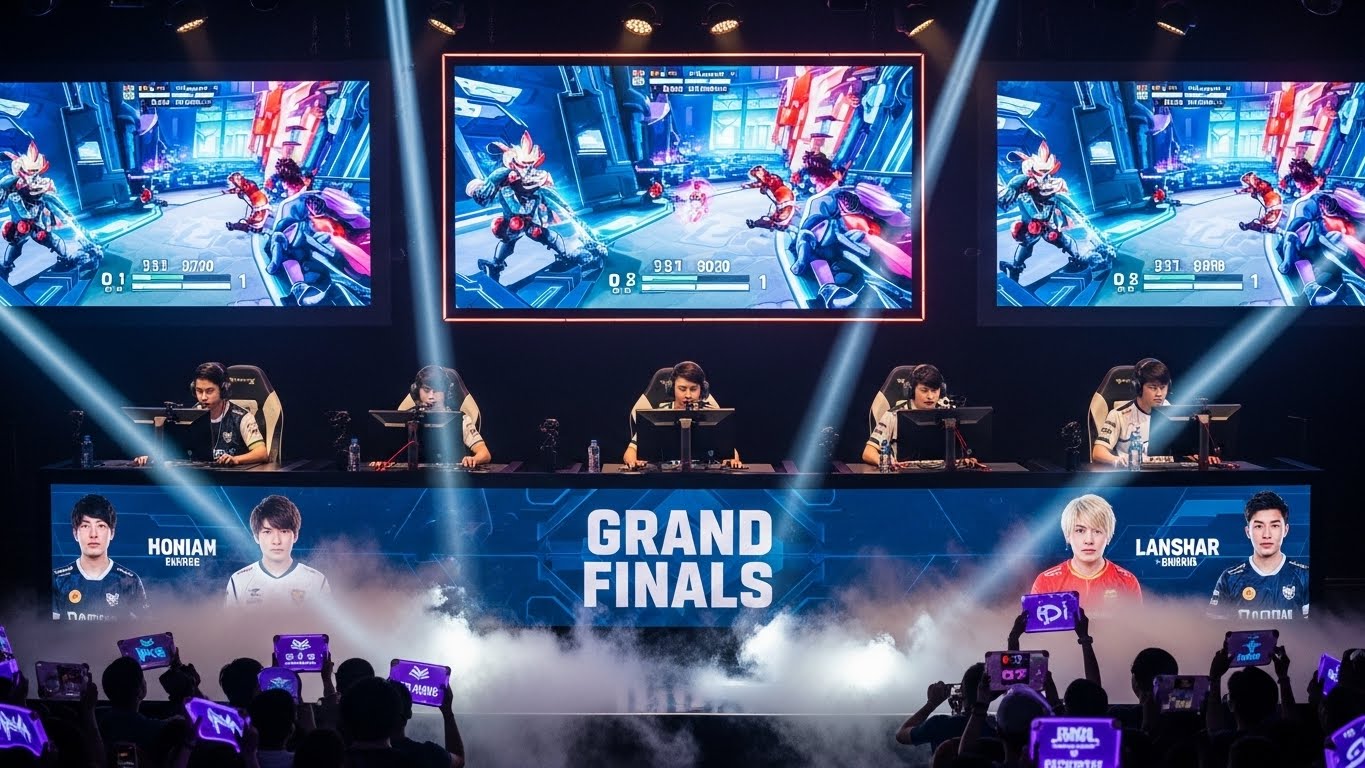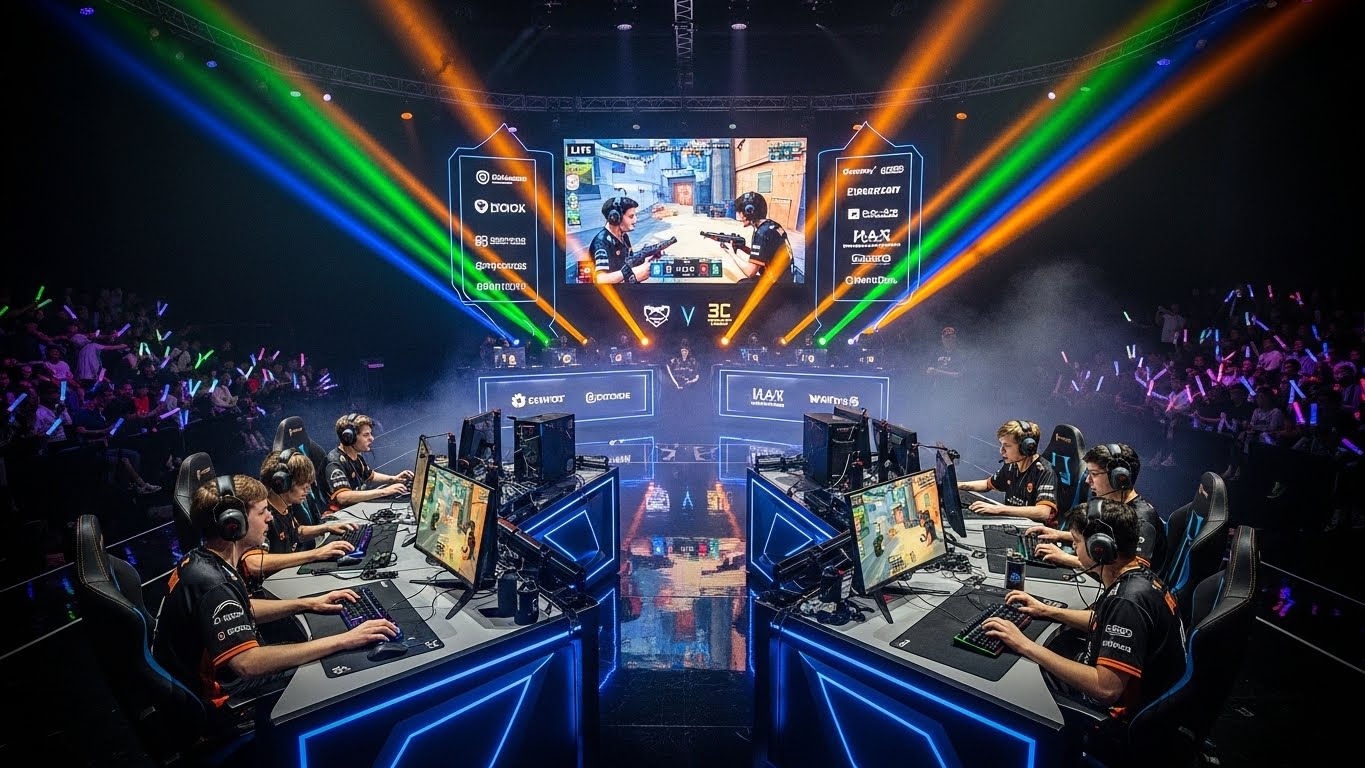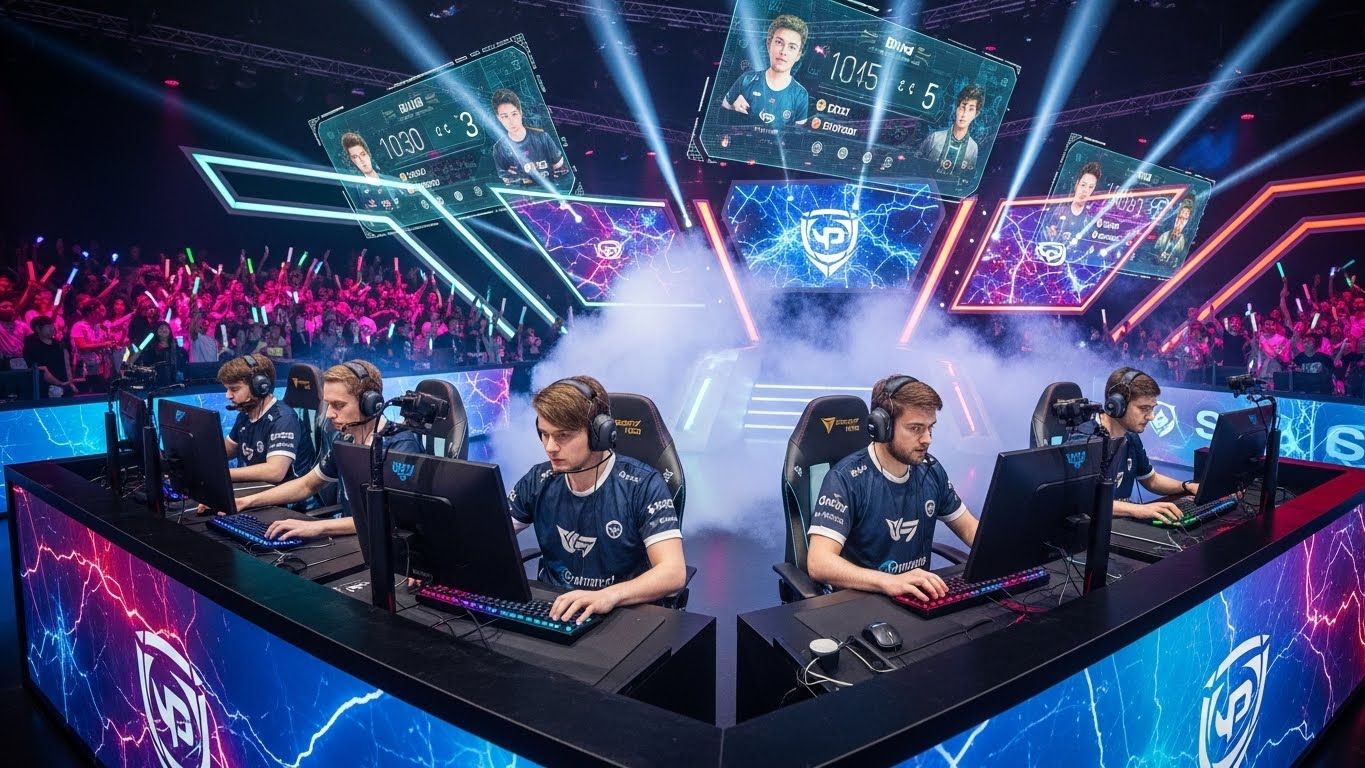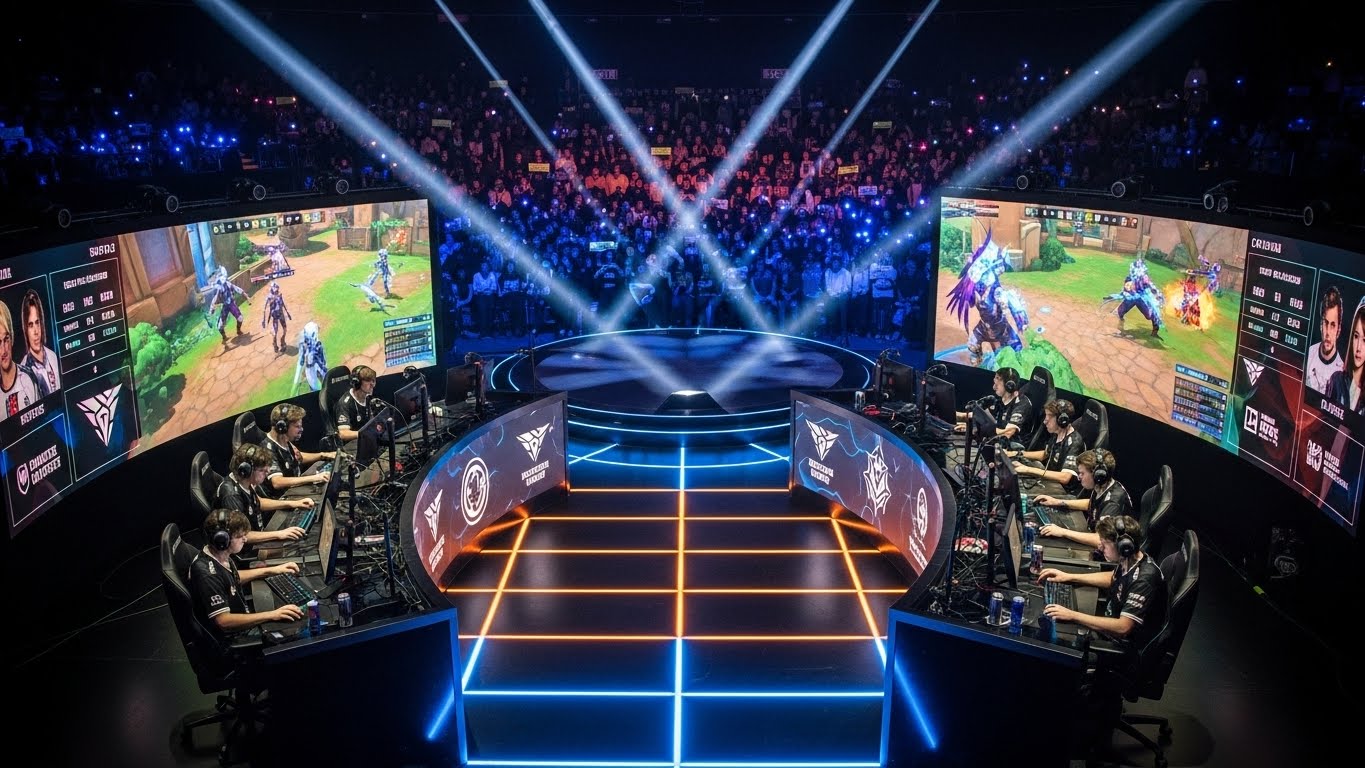
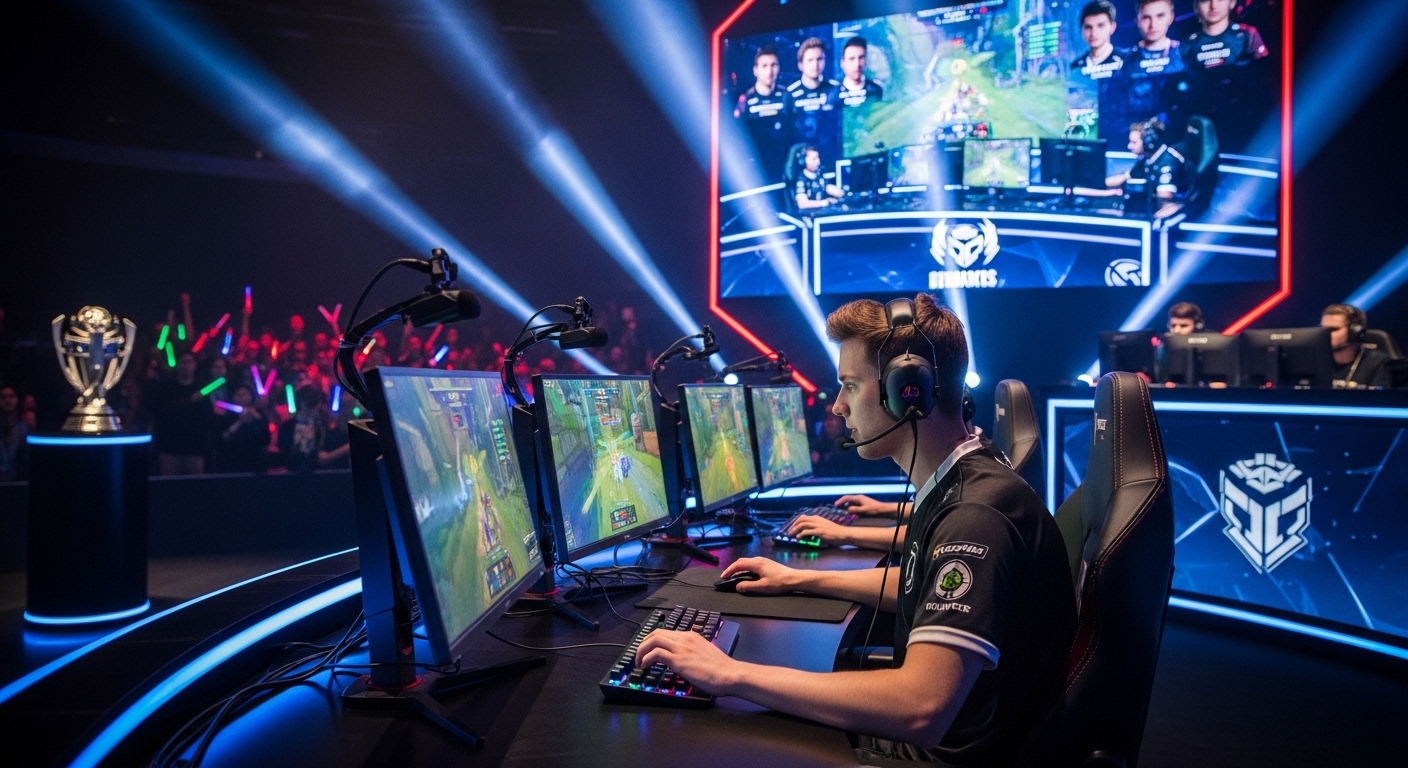
Esports is no longer just a hobby for gamers; it has evolved into a recognized form of competition with significant cultural, educational, and professional implications. Recognizing the growing popularity and potential benefits of esports, schools around the world are integrating esports programs into their curricula and extracurricular activities. From high school clubs to collegiate leagues, esports is establishing itself as a legitimate avenue for student engagement, skill development, and career preparation.
The integration of esports programs in schools is not just about playing games. It encompasses team management, strategic thinking, collaboration, and technology use. Schools are leveraging esports to foster student development while also building pathways into higher education and professional gaming careers. This blog explores how schools are incorporating esports programs, the benefits for students, challenges faced, and the future of esports in education.
The Rise of Esports in Education
Esports has experienced exponential growth over the past decade, driven by technological advancements, increased gaming participation, and the emergence of professional leagues. Schools are recognizing this trend and seeking to engage students by creating structured programs that go beyond casual gaming.
1. Early Adoption
Some schools were early adopters of esports, forming clubs and teams for popular games like League of Legends, Overwatch, and Rocket League. These initiatives focused on teamwork, friendly competition, and community building.
2. Collegiate Esports Programs
Universities and colleges began establishing formal esports programs, complete with scholarships, dedicated facilities, and coaching staff. Collegiate esports programs have grown to rival traditional athletic programs in organization and scale.
3. High School Leagues
High school esports leagues are now forming across regions, providing students with opportunities to compete in structured tournaments while representing their schools. These leagues often follow standardized rules and schedules, similar to traditional sports competitions.
The rise of esports in education reflects the broader acceptance of competitive gaming as a legitimate form of student engagement and skill development.
Benefits of Esports Programs for Students
Esports programs offer more than just gaming opportunities; they contribute to student growth in several ways.
1. Teamwork and Collaboration
Esports emphasizes communication and coordination. Students learn to strategize, delegate responsibilities, and work together to achieve objectives, developing interpersonal and collaborative skills.
2. Strategic Thinking and Problem Solving
Games require players to make rapid decisions, analyze opponents, and adapt strategies in real time. These skills translate into critical thinking, decision-making, and analytical abilities applicable to academics and future careers.
3. Technological Literacy
Participating in esports programs exposes students to gaming hardware, software, streaming tools, and data analytics. Students develop familiarity with technology, coding concepts, and digital tools, enhancing digital literacy.
4. Mental Health and Social Engagement
Esports provides students with a sense of community and belonging. Engaging in team competitions and school events fosters friendships, reduces social isolation, and encourages a positive social environment.
5. Career Pathways
Esports can open doors to careers in professional gaming, game design, coaching, broadcasting, marketing, and event management. Schools are preparing students for a rapidly growing industry with diverse opportunities.
The benefits of esports programs extend well beyond gameplay, contributing to holistic student development.
Structuring School Esports Programs
Schools are adopting various models for integrating esports programs, from casual clubs to fully funded competitive teams.
1. Extracurricular Clubs
Many schools start with esports clubs where students meet after school to practice, socialize, and participate in friendly competitions. Clubs often serve as the foundation for more structured programs.
2. Competitive Teams
Some schools establish official teams that compete in local, regional, and national leagues. Competitive teams follow practice schedules, coaching, and tournament participation similar to traditional sports teams.
3. Academic Integration
Certain schools incorporate esports into their curriculum by offering courses on game design, strategy, digital media, or sports management. This approach blends theoretical knowledge with practical gaming experience.
4. Partnerships with Leagues and Organizations
Schools often collaborate with established esports leagues and organizations to access tournaments, resources, and training tools. These partnerships enhance credibility and provide students with professional-level exposure.
Structuring esports programs effectively ensures that students gain maximum educational and developmental value while enjoying competitive play.
Infrastructure and Resources
Creating successful esports programs requires investment in infrastructure and resources. Schools must balance accessibility with competitive requirements.
1. Dedicated Gaming Labs
Schools are establishing dedicated gaming spaces equipped with high-performance PCs, consoles, monitors, and networking infrastructure. These labs provide students with reliable equipment for practice and competition.
2. Internet and Networking
High-speed internet with low latency is essential for competitive esports. Schools invest in robust network infrastructure to support smooth gameplay and online tournaments.
3. Coaching and Mentorship
Professional coaching, mentorship, and faculty guidance help students develop gaming skills, teamwork, and sportsmanship. Experienced coaches also guide students in time management and strategy.
4. Streaming and Broadcasting Tools
Some schools provide streaming and broadcasting equipment for recording and sharing matches. This enables students to learn content creation, commentary, and media production skills.
Proper infrastructure ensures that students can compete effectively, gain technical skills, and experience professional-level esports environments.
Challenges in School Esports Programs
While esports programs offer numerous benefits, schools face challenges in implementing and maintaining them.
1. Budget Constraints
High-performance gaming equipment, networking infrastructure, and dedicated facilities can be expensive. Securing funding is often a primary challenge for schools.
2. Perception and Acceptance
Esports is still gaining recognition as a legitimate educational activity. Some educators and parents may view gaming as recreational rather than developmental, creating barriers to program adoption.
3. Time Management
Balancing esports practice, competition, and academic responsibilities requires careful planning. Schools must ensure that students maintain academic performance while participating in competitive gaming.
4. Inclusivity and Accessibility
Ensuring that esports programs are inclusive and accessible to all students, regardless of background or skill level, requires intentional planning and equitable resource allocation.
Despite these challenges, schools are increasingly finding ways to integrate esports programs successfully by highlighting educational and developmental benefits.
The Role of Leagues and Competitions
Leagues and tournaments play a crucial role in school esports programs by providing structure, competition, and motivation.
1. Regional and National Leagues
High school esports leagues organize regional and national competitions, allowing students to represent their schools and compete for recognition. These leagues standardize rules, match formats, and eligibility requirements.
2. Collegiate Pathways
School esports programs can serve as stepping stones to collegiate esports programs, where scholarships and professional coaching are available. Success in high school leagues enhances student visibility and opportunities.
3. Tournament Experience
Participation in tournaments teaches students about preparation, pressure management, and competitive professionalism. The experience mirrors real-world professional esports environments.
Leagues and competitions provide students with goals, recognition, and a pathway to advanced esports opportunities.
Future of Esports in Schools
The integration of esports in schools is expected to grow significantly in the coming years, driven by technology, student interest, and industry recognition.
1. Expansion Across Grades
Esports programs will likely expand from high schools to middle schools, creating early engagement and skill development opportunities.
2. Curriculum Development
Educational institutions may increasingly integrate esports into STEM, media studies, and leadership courses, combining gaming with academic learning.
3. Career-Oriented Training
Schools will develop programs that prepare students for esports-related careers, from game design and analytics to broadcasting and team management.
4. Global Connectivity
Online competitions will allow students to compete internationally, exposing them to diverse gaming styles, cultures, and strategies.
The future of esports in education promises a balanced combination of competition, skill development, and career preparation.
Conclusion
Esports programs in schools are transforming the way students engage with gaming, education, and competition. From fostering teamwork and strategic thinking to providing technological literacy and career pathways, these programs offer significant educational and personal development benefits.
By integrating esports into extracurricular activities and curricula, schools are preparing students for a rapidly growing industry while creating a sense of community and engagement. While challenges exist, including funding, perception, and inclusivity, the growth of school esports programs demonstrates that competitive gaming is becoming a legitimate and valuable part of modern education.
In 2025 and beyond, esports in schools will continue to expand, offering students the tools, experiences, and opportunities to thrive both in gaming and in life beyond the classroom.