Introduction
In the 21st century, the concept of competition has evolved beyond physical arenas and traditional sports fields. The emergence of esports, or electronic sports, has transformed how people perceive gaming, competition, and even entertainment as a whole. What began as small gaming tournaments in arcades and college dorm rooms has grown into a multi-billion-dollar global industry that rivals traditional sports in popularity, investment, and fan engagement. Esports is no longer just a pastime; it is a cultural phenomenon that has redefined what it means to be an athlete, a fan, and even a professional in the modern age.
This blog explores the journey of esports — from its humble beginnings to its current status as one of the world’s most influential industries. It also examines the economic, social, and psychological effects of competitive gaming and what the future holds for this dynamic sector.
The Origins of Esports
The foundation of esports can be traced back to the early 1970s when video games began to gain popularity among young people. The first recorded video game competition took place in 1972 at Stanford University, where players competed in a game called Spacewar! for a prize of a year’s subscription to a magazine. Though this event may seem trivial compared to modern tournaments with multi-million-dollar prizes, it marked the beginning of organized gaming competitions.
During the 1980s, gaming evolved with the introduction of arcade machines, and games like Pac-Man and Donkey Kong became iconic. Competitive gaming was largely localized, with players gathering in arcades to test their skills and achieve high scores. The release of home consoles like the Nintendo Entertainment System (NES) brought gaming into living rooms, further fueling the competitive spirit. However, the lack of online connectivity limited large-scale organized tournaments.
The 1990s marked a turning point. With the rise of personal computers and the advent of local area networks (LAN), multiplayer gaming became easier and more social. Games like Doom and Quake introduced competitive multiplayer modes, and LAN parties became a cultural phenomenon among gamers. This was also the era when the first professional gaming tournaments began to appear. The Cyberathlete Professional League (CPL) was founded in 1997 and organized international tournaments that attracted skilled players and audiences from around the world.
The Growth of Online Gaming and Global Competitions
The 2000s witnessed a revolution in connectivity. With the spread of high-speed internet, online multiplayer games exploded in popularity. Titles such as Counter-Strike, StarCraft, and Warcraft III became cornerstones of competitive gaming. South Korea, in particular, became a global hub for esports, with professional gamers achieving celebrity status and dedicated TV channels broadcasting matches. The cultural acceptance of esports in South Korea laid the groundwork for the global growth that followed.
The rise of online platforms like Twitch and YouTube Gaming further accelerated the industry’s growth. These platforms allowed players to broadcast their matches to millions of viewers worldwide, effectively transforming gaming into a spectator sport. Games like League of Legends, Dota 2, and Overwatch became household names, attracting massive audiences and lucrative sponsorship deals.
By the 2010s, esports was no longer niche entertainment — it had become a mainstream spectacle. Global tournaments filled arenas, with events like The International for Dota 2 and the League of Legends World Championship offering multi-million-dollar prize pools. Professional teams emerged with sponsorships from major corporations, and dedicated esports organizations began managing players, coaches, analysts, and support staff.
The Business of Esports
The esports industry is not only about gaming but also about business, branding, and media. It has grown into a highly structured ecosystem that involves multiple stakeholders, including game developers, event organizers, sponsors, advertisers, broadcasters, and fans.
Revenue in esports primarily comes from sponsorships, media rights, merchandise, ticket sales, and advertising. Major brands such as Coca-Cola, Intel, and Red Bull have invested heavily in esports sponsorships, recognizing the potential of reaching a young, tech-savvy audience. The global nature of esports allows sponsors to reach diverse markets simultaneously, something traditional sports often cannot achieve as efficiently.
Esports teams operate similarly to traditional sports franchises. They recruit players under contracts, provide training facilities, and manage their participation in international tournaments. Organizations like Team Liquid, Fnatic, and Cloud9 have become globally recognized brands, not just among gamers but in the broader entertainment industry.
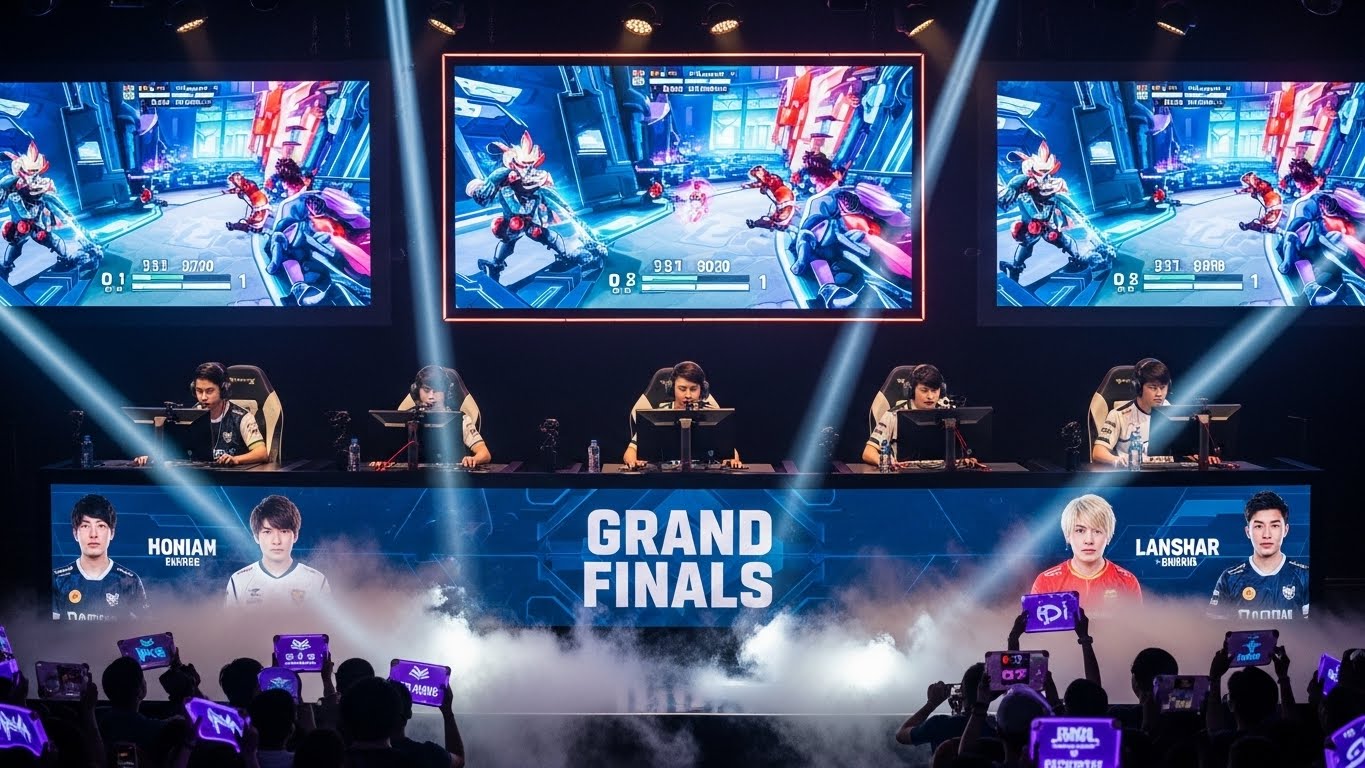
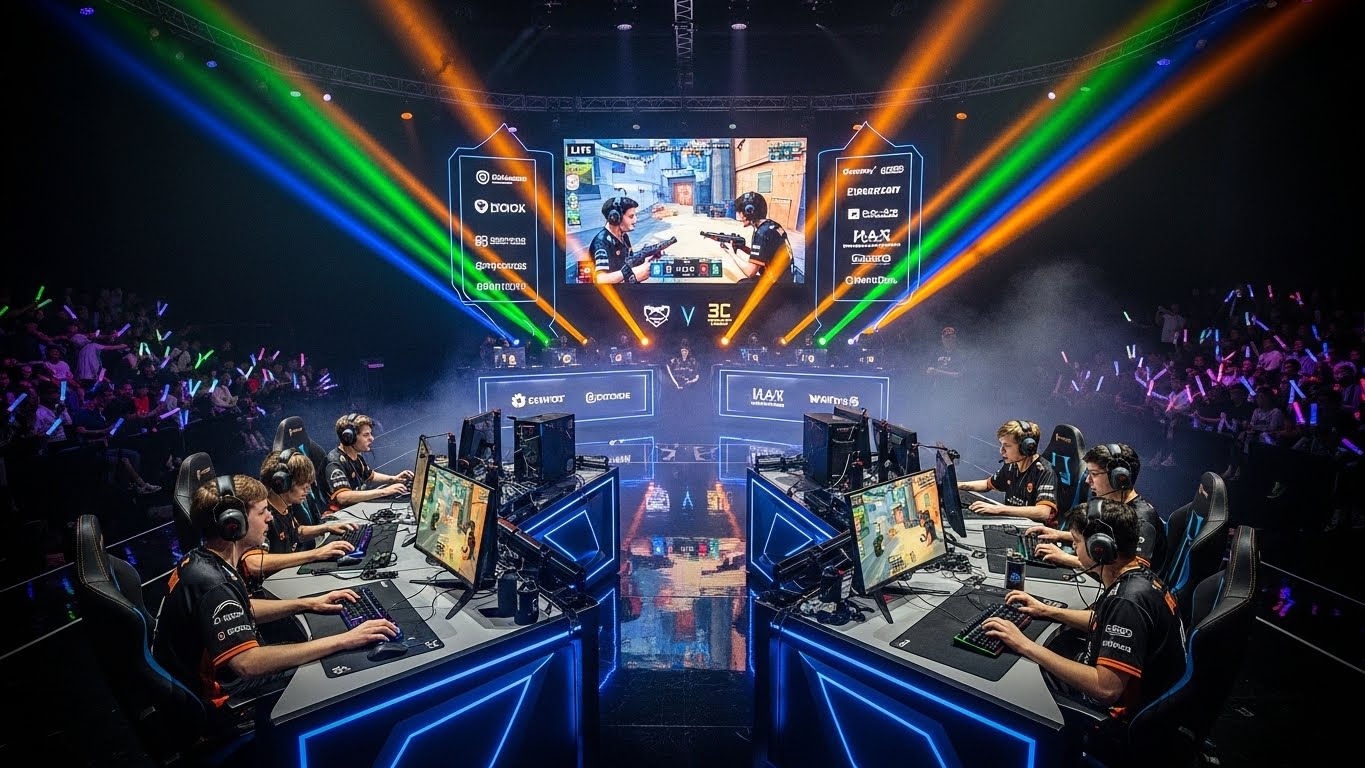
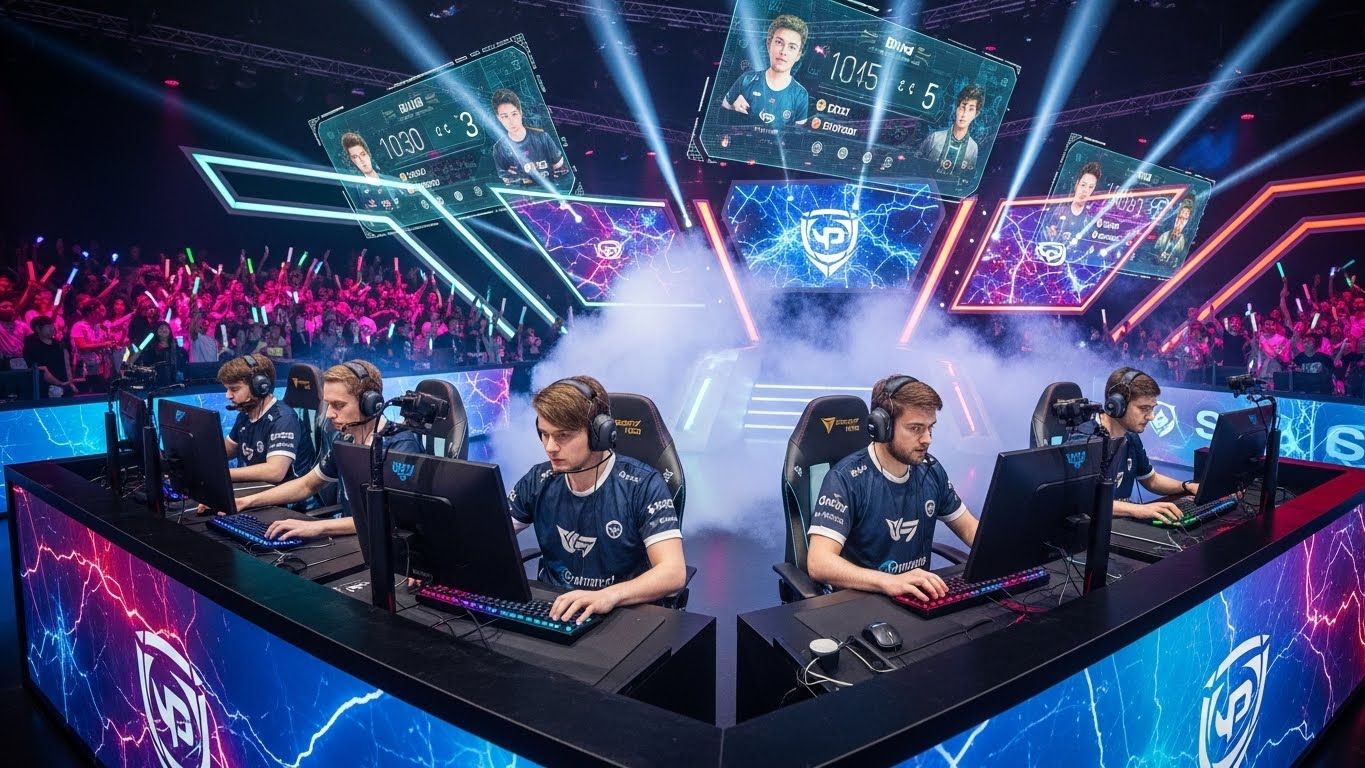
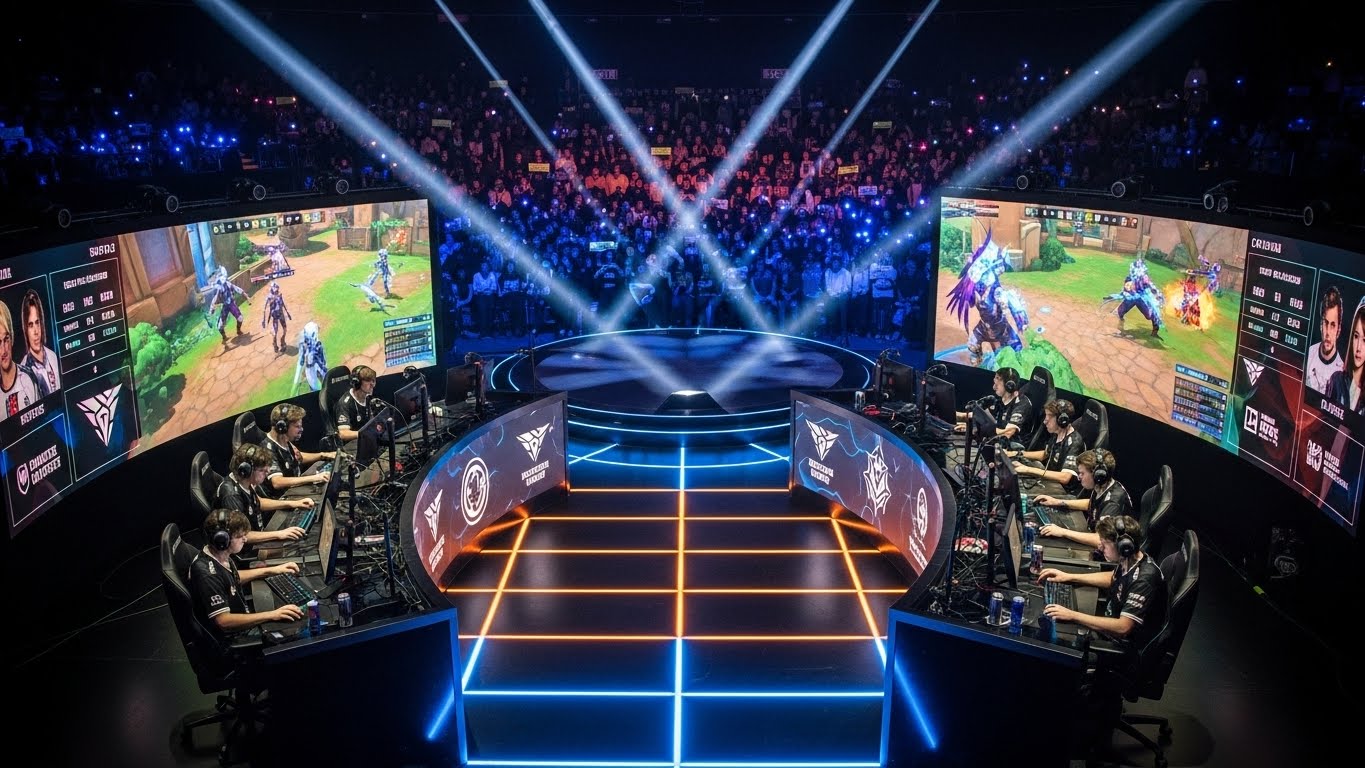
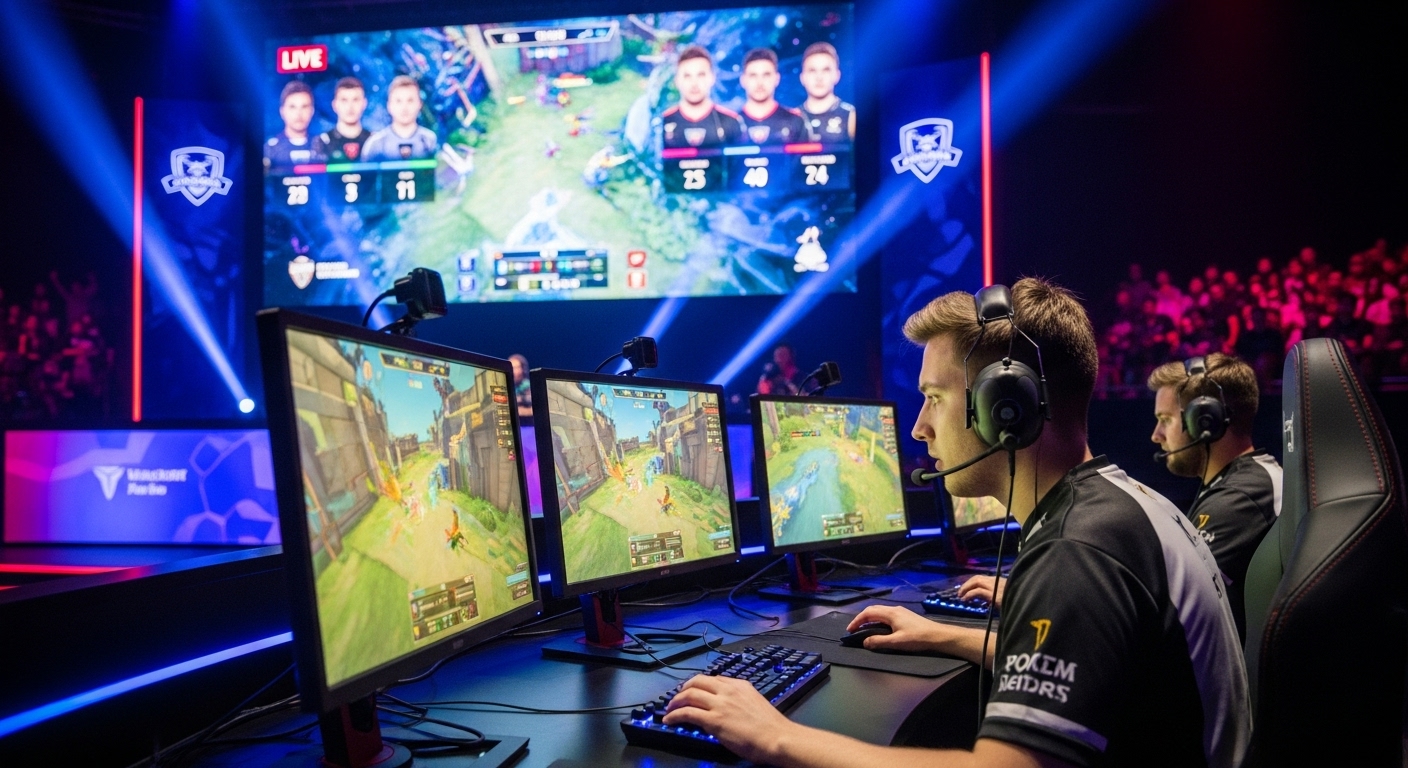
Additionally, the development of esports-specific arenas and venues has transformed how fans experience the events. Cities like Seoul, Los Angeles, and Shanghai have built stadiums designed exclusively for esports competitions, offering immersive environments with giant screens, surround sound, and dynamic lighting that enhance the excitement of live matches.
Esports as a Legitimate Sport
For years, there was a debate about whether esports could be considered a “real” sport. Critics argued that video gaming lacked the physical exertion typically associated with athletics. However, proponents countered that esports requires exceptional mental agility, strategic thinking, hand-eye coordination, teamwork, and concentration — qualities equally vital in traditional sports.
Today, esports has achieved significant recognition. Several universities worldwide now offer scholarships for esports athletes, similar to those provided to traditional sports players. Organizations like the International Olympic Committee have even discussed integrating esports into future Olympic events, signaling growing global acceptance.
The training regimens of professional gamers rival those of physical athletes. Esports professionals spend hours daily honing their reflexes, analyzing gameplay footage, and working on strategies with their teams. Many also engage in physical exercise and mental wellness programs to enhance endurance and focus.
The Psychological and Social Impact of Esports
Esports has had profound psychological and social effects on its players and audiences. On a positive note, gaming fosters strategic thinking, problem-solving skills, and teamwork. Competitive gaming encourages perseverance and adaptability — traits that can be valuable in real-life situations.
However, the intense competition and pressure to perform at elite levels can also lead to mental health challenges such as burnout, stress, and anxiety. Many organizations now provide professional support, including sports psychologists and wellness programs, to help players manage these issues.
From a social perspective, esports has built a global community that transcends cultural and linguistic barriers. Players and fans from around the world connect through shared passion and teamwork. Online communities foster friendships, collaboration, and even career opportunities in fields such as game design, content creation, and broadcasting.
The Role of Streaming and Content Creation
Streaming platforms have revolutionized how esports content is consumed. Twitch, YouTube, and other platforms enable players to share their experiences in real-time, attracting millions of viewers daily. This accessibility has allowed anyone with skill and charisma to build a following and potentially become a professional streamer or influencer.
Content creation has become an integral part of the esports ecosystem. Beyond competitive matches, audiences consume tutorials, highlight reels, behind-the-scenes documentaries, and commentary shows. This diversity of content keeps fans engaged year-round, not just during major tournaments.
The rise of esports influencers has also reshaped the marketing landscape. These personalities command loyal audiences and often collaborate with brands for sponsorships, product placements, and exclusive events. Their authenticity and connection with fans make them powerful ambassadors for the gaming industry.
Esports Education and Career Opportunities
The growth of esports has opened a wide range of career opportunities beyond professional gaming. Esports organizations require managers, analysts, coaches, marketers, event planners, and broadcasters. Educational institutions have recognized this trend, with many universities offering degrees in esports management, game design, and digital media.
These programs teach students about the business, technological, and creative aspects of the industry. As a result, esports has become a legitimate career path, providing opportunities for individuals with diverse skill sets.
Esports and Technology: The Perfect Partnership
Technology has been at the heart of esports since its inception. The advancement of gaming hardware, graphics, and online infrastructure has allowed esports to flourish. High-performance computers, low-latency internet, and advanced streaming technologies have made global competitions seamless and accessible.
Virtual reality (VR) and augmented reality (AR) are expected to further revolutionize esports in the coming years. These technologies promise to create immersive experiences for both players and spectators, blurring the line between the physical and digital worlds. Artificial intelligence is also being used to analyze gameplay, improve training methods, and enhance viewer experiences through automated commentary and analytics.
Challenges Facing the Esports Industry
Despite its success, esports faces several challenges. One major issue is maintaining competitive integrity. Cheating, match-fixing, and hacking have occasionally tarnished the reputation of tournaments. To address this, organizations have implemented strict regulations and anti-cheat systems to ensure fair play.
Another challenge is player burnout. The demanding schedules, constant travel, and high expectations can take a toll on players’ health and motivation. As the industry matures, there is increasing emphasis on mental health support and balanced lifestyles.
Financial sustainability is also a concern for some esports organizations. While top-tier teams and tournaments generate significant revenue, smaller teams often struggle to remain profitable. Ensuring equitable growth across all levels of competition remains a key goal for the industry.
The Global Reach of Esports
Esports is one of the few industries that truly transcends borders. Asia, particularly South Korea and China, remains a powerhouse, but regions such as North America, Europe, and Southeast Asia have also established strong competitive scenes. Countries like Pakistan, India, and Brazil are emerging as new esports markets, driven by mobile gaming and affordable internet access.
The accessibility of gaming has made esports a unifying force for young people worldwide. Players can compete from their homes, representing their countries and communities in international tournaments. This inclusivity has contributed to esports’ massive global appeal.
The Future of Esports
Looking ahead, the future of esports appears brighter than ever. As technology continues to advance and global connectivity improves, esports will likely expand into new territories and formats. The integration of virtual reality, artificial intelligence, and blockchain technologies may redefine how competitions are organized and monetized.
Moreover, as more mainstream media companies and traditional sports franchises invest in esports, the line between digital and physical sports will continue to blur. The younger generation’s growing preference for digital entertainment ensures that esports will remain at the forefront of modern culture.
Educational institutions, governments, and corporations are beginning to recognize esports as a vital part of the digital economy. This recognition will lead to more structured development programs, better player welfare, and increased investment in infrastructure.
Conclusion
Esports represents one of the most significant cultural shifts of the 21st century. What started as small gaming competitions has grown into a global phenomenon that blends entertainment, technology, and competition in unprecedented ways. The industry has not only provided new career opportunities but also reshaped how society views gaming and digital interaction.
As esports continues to evolve, it will influence not just gaming but education, business, and even how communities connect in the digital age. Its ability to unite people across cultures, languages, and continents through a shared passion for competition underscores the universal appeal of gaming.
The story of esports is far from over — in fact, it’s only just beginning. The next decade will bring even greater innovation, deeper integration with mainstream culture, and new ways to experience the thrill of digital competition. For players, fans, and creators alike, esports stands as a testament to human creativity, adaptability, and the endless pursuit of excellence in a virtual world.