Introduction
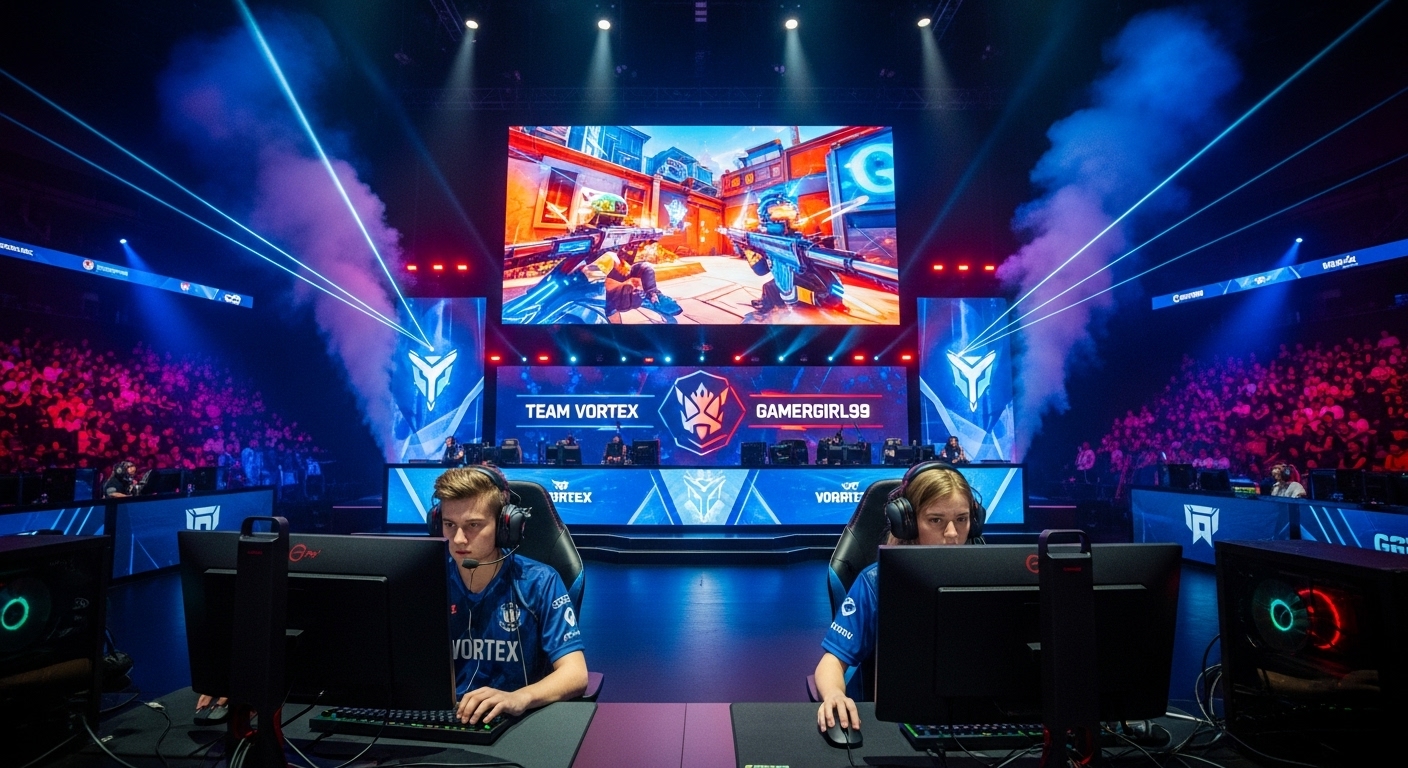
Esports has grown from casual gaming into a global phenomenon, blending skill, strategy, and technology. Millions of players compete professionally, while fans around the world watch tournaments live or online. More than just entertainment, esports has become a culture, a career path, and a major part of the digital entertainment industry.
The Rise of Esports
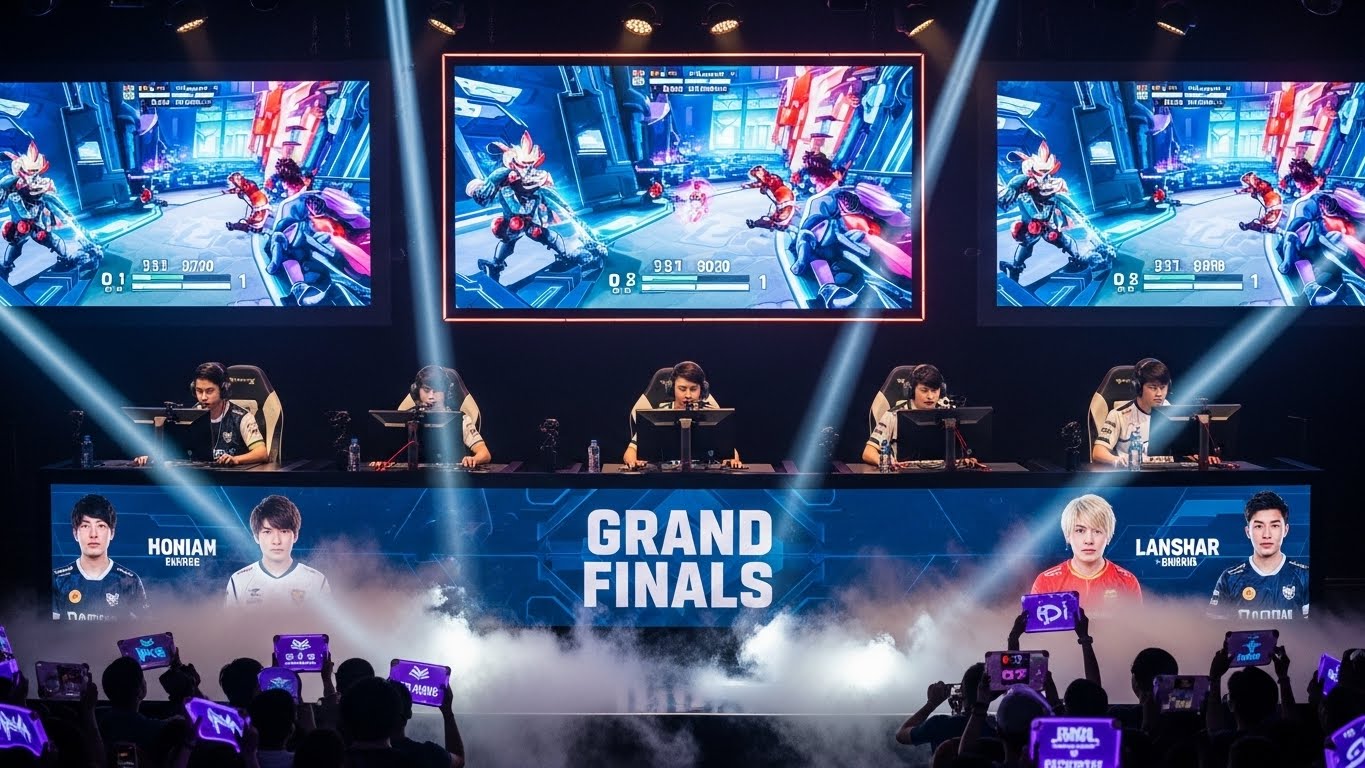
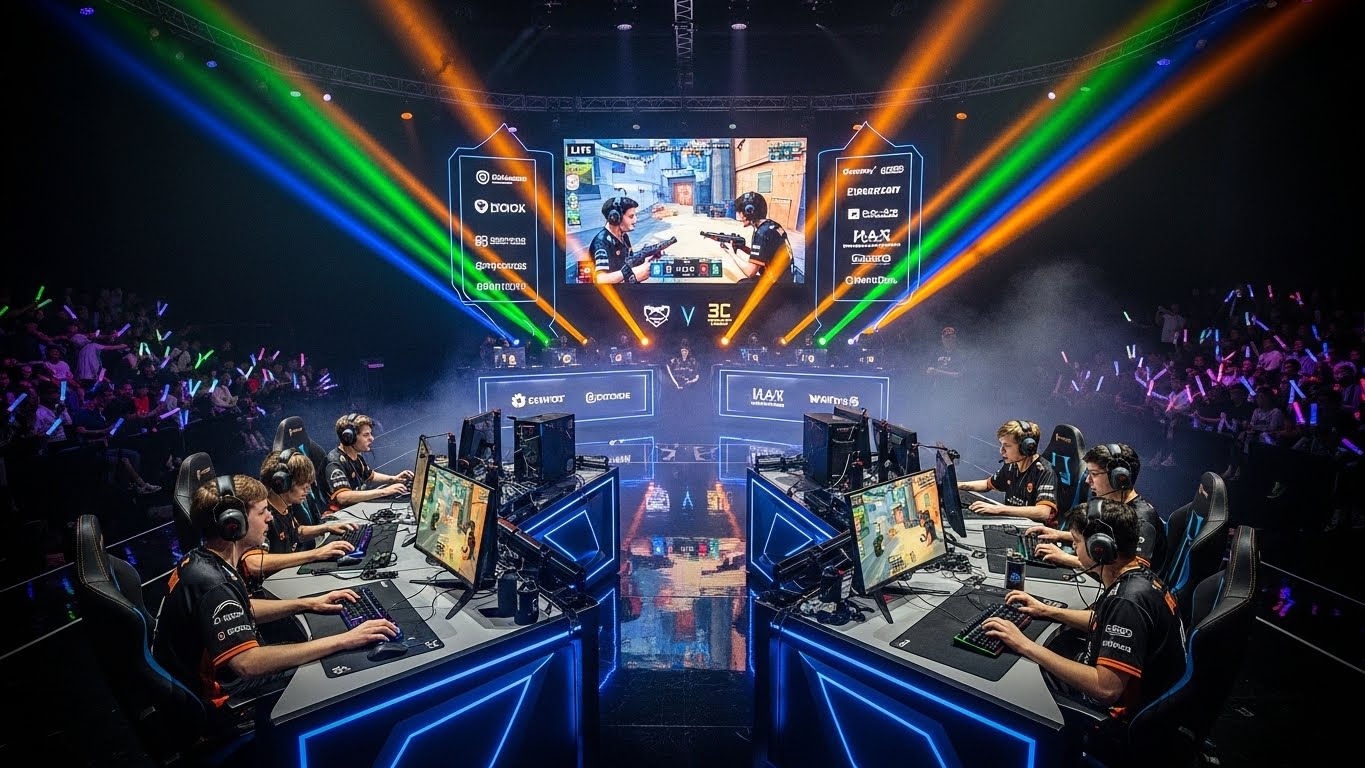
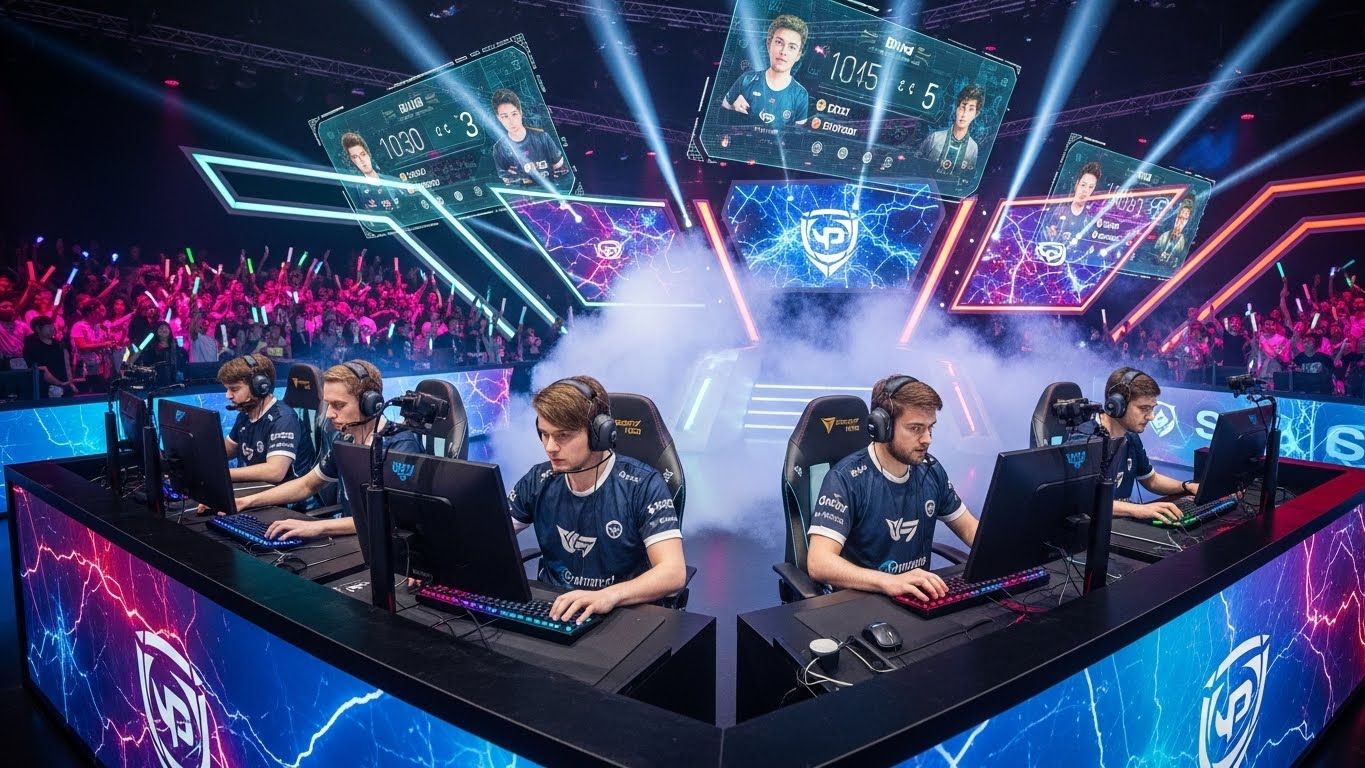
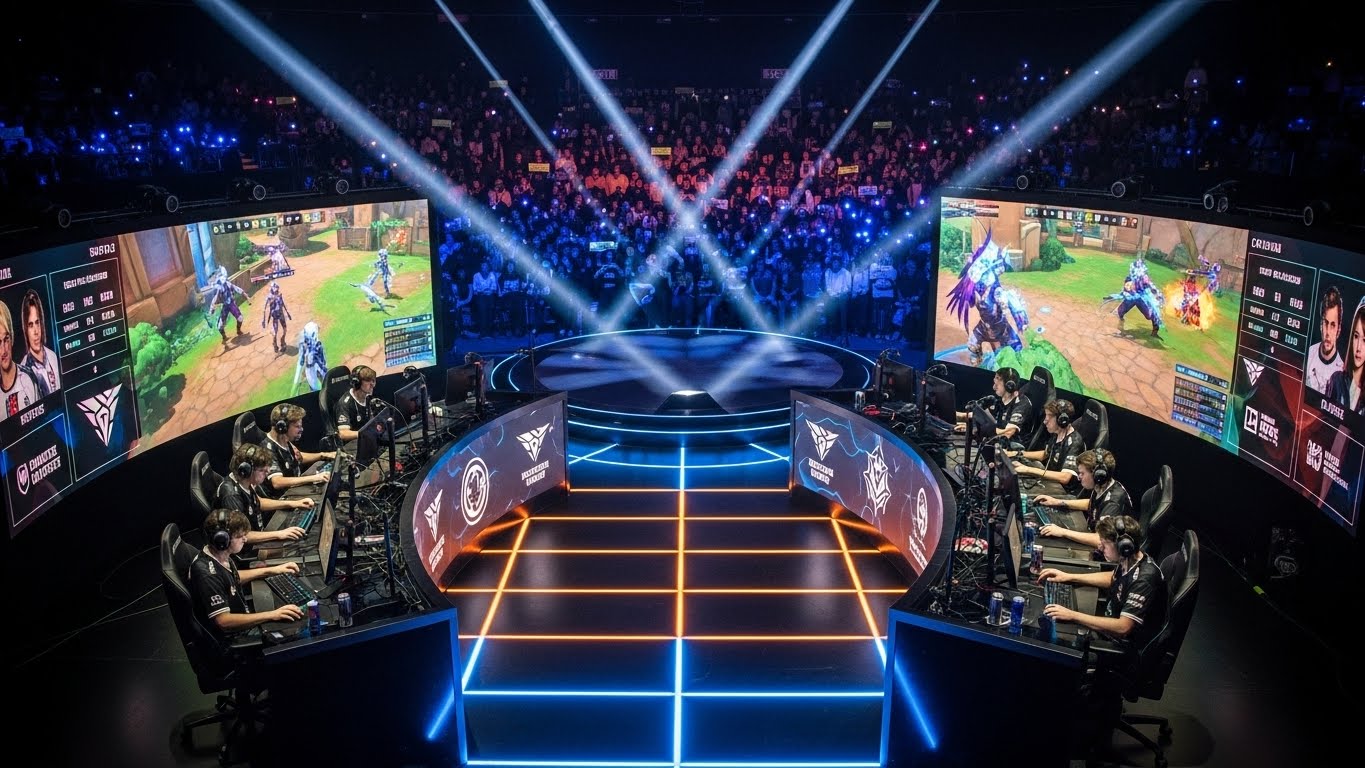
Esports started with small local competitions and quickly gained momentum through online connectivity. Early tournaments were informal, but as the internet expanded, players from across the globe could compete in real-time. Today, esports features large-scale international tournaments with professional teams, dedicated arenas, and millions of spectators, making it a mainstream form of competitive entertainment.
Professional Structure and Training
Esports athletes train like traditional sports players. They follow strict practice schedules, develop strategies with coaches, and focus on physical and mental well-being to maintain performance. Professional teams provide support in areas such as nutrition, fitness, and psychology, emphasizing that esports requires discipline, dedication, and preparation.
Technology Behind Esports
Technology is the backbone of esports. High-performance gaming equipment, fast internet connections, and advanced graphics enhance gameplay and viewing experiences. Live streaming allows millions to watch matches in real time, while innovations in virtual reality and artificial intelligence are creating more immersive and interactive gaming experiences for players and fans alike.
Social and Cultural Impact
Esports is a global community that connects players and fans across borders. Multiplayer games and online tournaments foster teamwork, communication, and strategy. Esports has also become a cultural phenomenon, inspiring content creation, online communities, and shared experiences that go beyond gaming itself.
Economic Significance of Esports
The esports industry has become a major economic driver. Revenue comes from sponsorships, tournament prizes, merchandising, and broadcasting deals. Career opportunities have expanded to include coaching, event management, commentary, and content creation. Esports demonstrates that competitive gaming is not only entertaining but also a sustainable economic ecosystem.
Challenges in Esports
Despite its growth, esports faces challenges such as player burnout, online toxicity, and maintaining fair competition. Ensuring safe and inclusive environments is crucial for the long-term sustainability of the industry. Developers and organizers work continuously to implement fair play measures, health initiatives, and responsible gaming practices.
The Future of Esports
Esports is poised for continued growth. Advances in mobile gaming, cloud gaming, and immersive technologies will make competitions more accessible and engaging. With increasing global recognition, esports is bridging the gap between digital entertainment and professional competition, shaping the future of competitive gaming for generations to come.
Conclusion
Esports has redefined what it means to compete in the digital age. Combining skill, strategy, teamwork, and innovation, it offers players and fans experiences that go far beyond traditional gaming. As technology and interest continue to evolve, esports will remain at the forefront of entertainment, inspiring millions and creating new opportunities in the digital world.