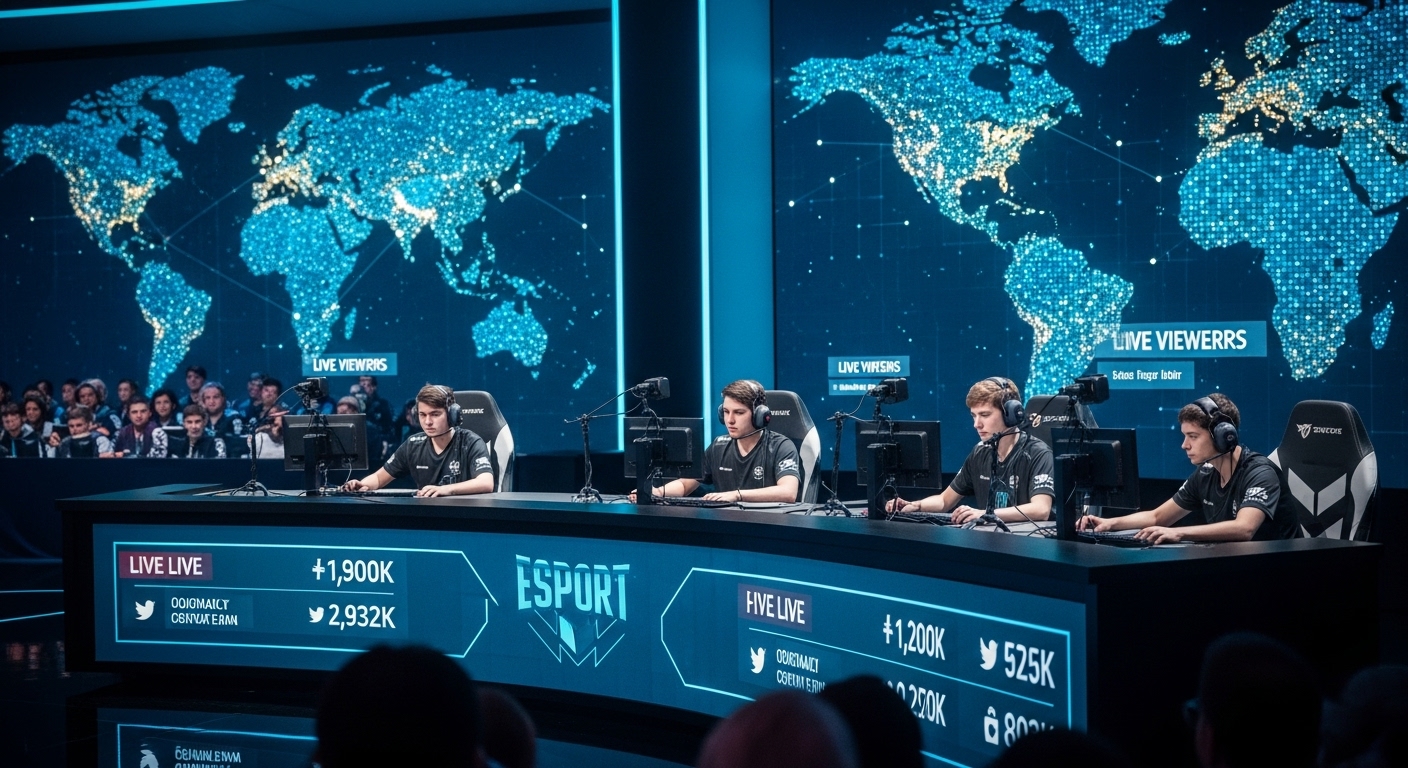
Introduction to the Esports Revolution
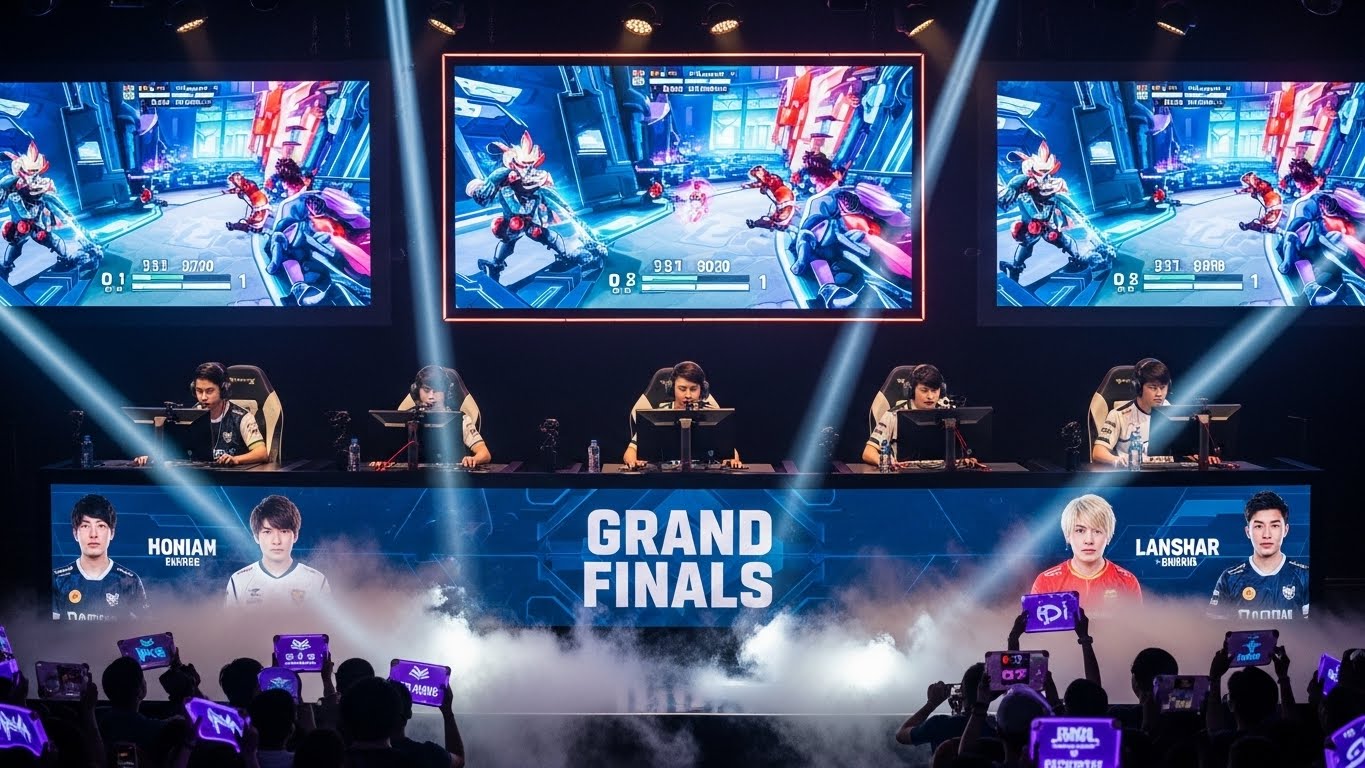
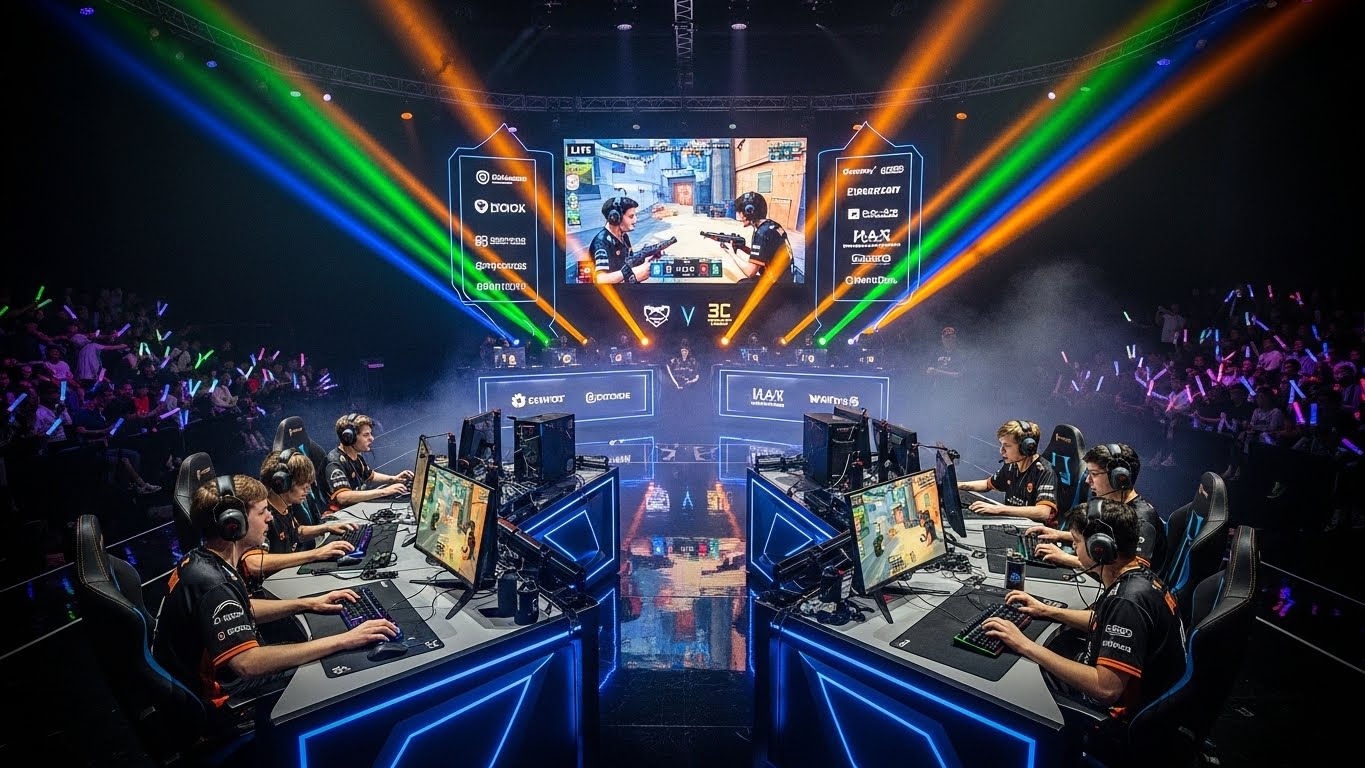
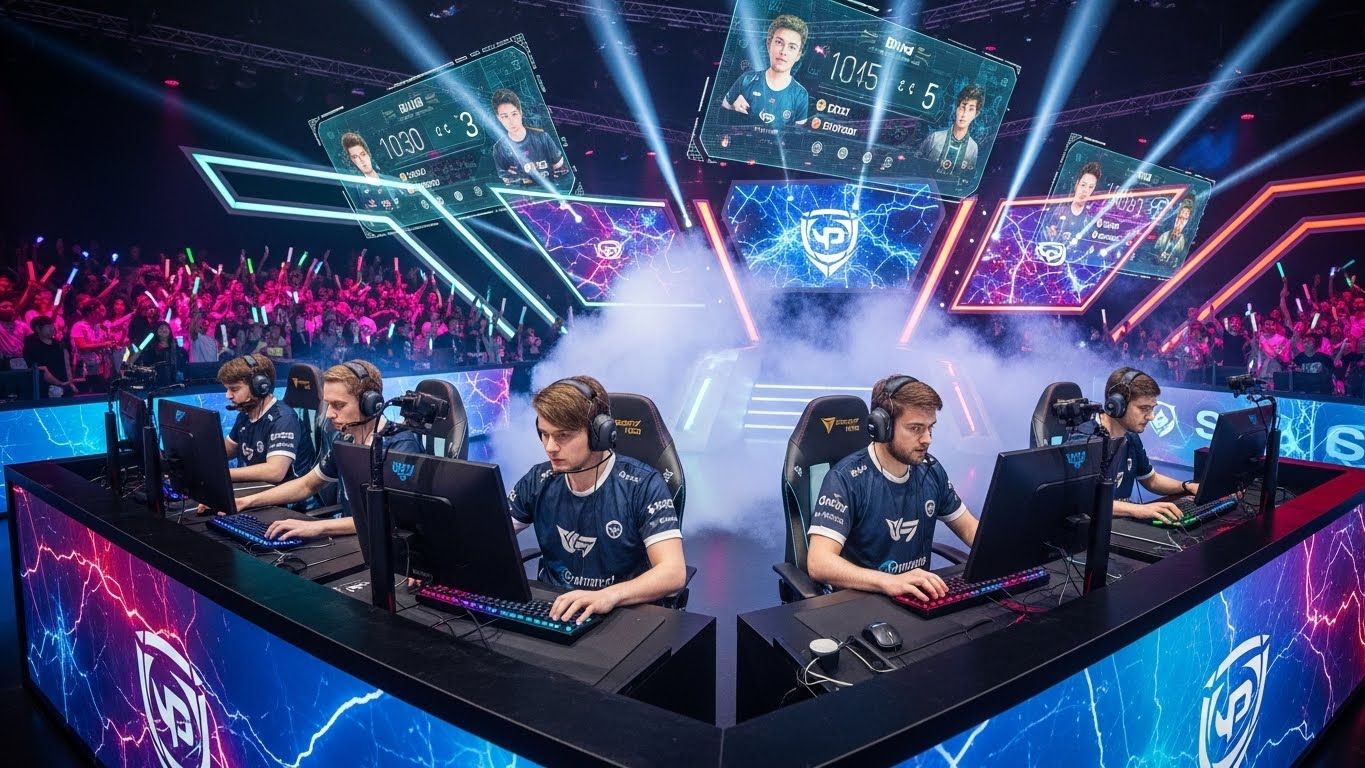
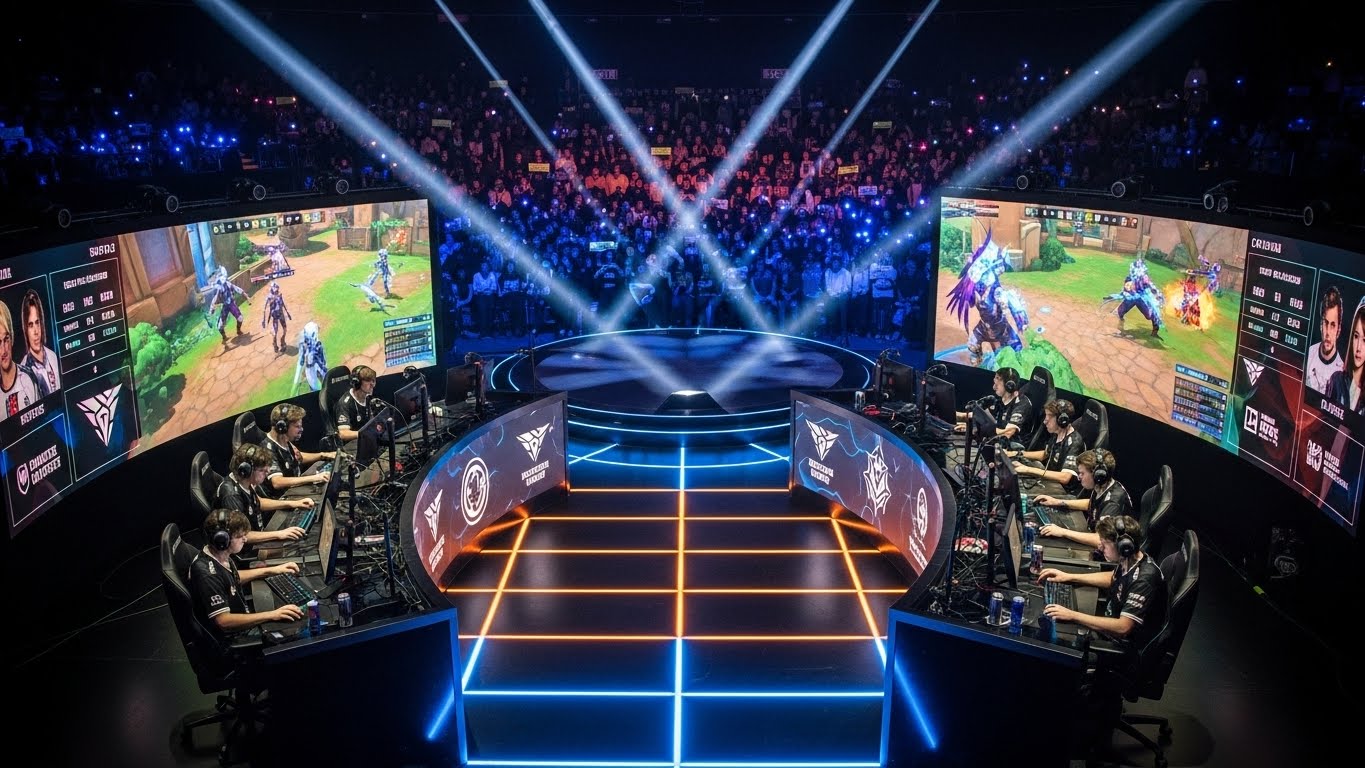
Esports, short for electronic sports, has evolved from a niche pastime into one of the most powerful and rapidly expanding industries in the world. It represents the meeting point of technology, competition, and entertainment, creating a digital ecosystem where players, teams, and fans engage in organized video game competitions. Over the past two decades, esports has transcended its early roots in arcade halls and internet cafés to fill massive arenas, attract millions of online viewers, and generate billions in revenue.
What was once dismissed as “just playing video games” is now a global phenomenon that demands strategy, teamwork, and professional-level dedication. From casual gaming to structured tournaments, esports has redefined what it means to be an athlete in the digital age. This transformation reflects broader shifts in technology, media consumption, and global culture, particularly among younger generations who view gaming not only as a form of entertainment but also as a legitimate career path.
The Early Beginnings of Esports
The origins of esports can be traced back to the late 20th century, long before high-speed internet and global streaming platforms existed. In the early 1980s, video game competitions began appearing in arcades, where players competed for high scores in classics such as Space Invaders and Pac-Man. One of the first notable gaming tournaments was the Space Invaders Championship in 1980, which drew over ten thousand participants.
As personal computers and consoles became more accessible in the 1990s, the culture around gaming began to grow. Titles like Doom, Street Fighter II, and StarCraft introduced competitive multiplayer experiences that laid the groundwork for future esports. South Korea, in particular, played a pivotal role in shaping the modern esports landscape. The rise of broadband internet in the country during the late 1990s created the perfect environment for competitive online gaming. StarCraft, a real-time strategy game, became a national sensation and established professional gaming as a viable career in Korean society.
The Rise of Professional Gaming
By the early 2000s, esports started transitioning from a hobby into a professional sport. Leagues, tournaments, and dedicated gaming organizations emerged, offering structured competition and financial rewards. Titles such as Counter-Strike, Warcraft III, Halo, and Quake became the early pillars of competitive gaming.
As streaming technology and social media platforms developed, esports gained an international audience. Players could now broadcast their matches live to fans across the world. The introduction of platforms like Twitch and YouTube Gaming revolutionized esports by making it easily accessible to anyone with an internet connection. What once required attending events in person could now be experienced in real time online, complete with commentary, statistics, and replays.
This accessibility attracted sponsors, advertisers, and investors eager to tap into a youthful and engaged demographic. Major brands outside the gaming world began sponsoring teams and tournaments, recognizing the immense marketing potential. As a result, professional gamers began to enjoy the same recognition, endorsement deals, and fan followings once reserved for traditional athletes.
The Role of Technology in Esports Growth
Technology is the backbone of esports. Every innovation—from high-speed internet to advanced gaming hardware—has fueled its rapid growth. The development of gaming PCs with powerful processors and graphics cards allowed for smoother, more immersive gameplay. Meanwhile, improvements in streaming quality and latency-free broadcasting made live tournaments an exciting spectator experience.
Virtual reality (VR) and augmented reality (AR) are beginning to expand the possibilities of how audiences engage with games. With immersive headsets and interactive features, fans can now experience games from a player’s perspective. Cloud gaming technology has also made esports more accessible by reducing the need for expensive hardware, allowing anyone with a stable internet connection to compete.
Artificial intelligence has further transformed training methods within esports. Data analytics and AI-based tools analyze player performance, strategies, and decision-making patterns, offering insights that help teams refine their gameplay. Just as traditional sports rely on data analytics, esports teams now employ coaches and analysts who specialize in maximizing performance through data-driven decision-making.
Popular Esports Titles and Their Impact
Several games have shaped the esports ecosystem and continue to define its evolution. League of Legends, Dota 2, and Counter-Strike: Global Offensive are among the most influential, each offering distinct styles of gameplay and competitive formats.
League of Legends has built a global fanbase through its World Championship, which attracts millions of viewers annually. Dota 2, known for its complexity and depth, hosts The International, one of the richest tournaments in esports history, with prize pools often exceeding tens of millions of dollars. Counter-Strike: Global Offensive represents the pinnacle of tactical first-person shooters, emphasizing teamwork, precision, and strategic execution.
Battle royale games like Fortnite and PUBG have also contributed to the diversification of esports. They introduced large-scale, last-man-standing formats that captivated younger audiences and reshaped competitive gaming. Meanwhile, sports simulation games such as FIFA, NBA 2K, and Rocket League have blurred the lines between virtual and traditional sports, allowing real-world athletes to participate in virtual tournaments.
Each of these games has built its own community, professional scene, and cultural identity. The diversity of esports titles ensures that there is something for every type of player and viewer, from strategy enthusiasts to action seekers.
The Rise of Esports Organizations and Teams
Behind every successful player is a well-structured organization that provides resources, coaching, and management. Esports teams operate much like professional sports franchises, complete with training facilities, sponsorships, and fan engagement strategies.
Teams such as Team Liquid, Fnatic, Cloud9, and T1 have become household names in the gaming community. They represent excellence across multiple games and maintain global fanbases. These organizations invest heavily in player development, ensuring their athletes are physically and mentally prepared for high-stakes competitions.
Coaching staff, nutritionists, and psychologists play a significant role in maintaining peak performance. Esports athletes endure long hours of practice, often exceeding ten hours per day, refining reflexes, teamwork, and strategic decision-making. The pressure of international competition makes mental health support crucial, and professional teams now prioritize wellness alongside technical skill.
Esports and Education
The integration of esports into educational systems represents one of the most surprising and positive developments in recent years. Schools and universities around the world have started offering scholarships for talented gamers, recognizing esports as both an academic and athletic pursuit. These programs encourage students to balance their passion for gaming with education, promoting skills such as communication, leadership, and critical thinking.
Several universities now have official esports teams that compete in collegiate leagues. This not only provides a structured environment for young talent but also helps legitimize esports as a career pathway. Courses in game design, streaming production, and esports management are becoming increasingly common, offering students opportunities to enter the industry from various angles—not just as players, but also as organizers, coaches, and analysts.
Esports as a Career
A decade ago, becoming a professional gamer was considered an unrealistic dream. Today, it is a respected and viable profession. Professional players can earn income through tournament winnings, sponsorships, streaming, and brand deals. The top players make millions annually, rivaling the salaries of athletes in traditional sports.
However, not everyone in the esports ecosystem is a player. The industry offers diverse career paths, including roles in marketing, event organization, content creation, broadcasting, and game development. Commentators, known as “casters,” bring excitement and analysis to matches, while production teams manage the visual presentation of tournaments.
The ecosystem also includes agents, talent managers, and public relations professionals who help players navigate the business side of esports. As the industry continues to grow, new opportunities will continue to emerge in fields like esports law, analytics, and technology development.
The Globalization of Esports
Esports is one of the most globalized entertainment forms in existence. It transcends geographical boundaries, uniting fans from every continent. While South Korea, China, and the United States have traditionally dominated the scene, countries in Europe, Latin America, and Southeast Asia are emerging as powerful competitors.
International tournaments bring together players from diverse cultures, creating a shared language of competition. Fans tune in from around the world, fostering a sense of global community rarely seen in other forms of entertainment. This universality makes esports a bridge between cultures, promoting cross-border collaboration and understanding through digital competition.
The Role of Esports in Pop Culture
Esports has become deeply integrated into popular culture. The influence of gaming can be seen in music, fashion, film, and social media. Collaborations between game developers and artists have produced iconic in-game concerts and branded merchandise lines.
Streaming personalities and esports players have achieved celebrity status, commanding millions of followers on platforms like Twitch, TikTok, and Instagram. The line between gaming and mainstream entertainment continues to blur, with traditional sports organizations and celebrities investing heavily in esports teams and tournaments.
Challenges Facing the Esports Industry
Despite its success, esports faces challenges that must be addressed for sustainable growth. One major issue is player burnout. The rigorous training schedules and high-pressure environments can take a toll on mental and physical health. Many players retire in their early twenties due to stress or declining performance.
Another concern is the lack of standardized regulations across tournaments and organizations. Issues like cheating, match-fixing, and doping have occasionally surfaced, raising questions about integrity and fairness. Establishing global governing bodies could help enforce consistent standards and protect players’ rights.
There is also a need for better gender representation. While women have made significant contributions to esports, they remain underrepresented in professional leagues. Efforts to create inclusive environments and equal opportunities are ongoing but require continuous commitment from organizations and sponsors alike.
The Future of Esports
The future of esports looks incredibly bright. With the rise of 5G networks, virtual reality innovations, and expanding global audiences, the industry is poised for even greater growth. The line between esports and traditional sports will continue to blur as both industries collaborate on hybrid events and digital fan experiences.
Esports could eventually become a part of major international sporting events. Discussions about including esports in the Olympic Games have already begun, signifying the growing recognition of gaming as a legitimate athletic discipline. As technology advances, we can expect even more interactive and immersive experiences for fans and players alike.
Conclusion: The New Age of Competition
Esports represents far more than entertainment—it is a cultural revolution that mirrors the digital transformation of our world. It demonstrates how technology can redefine competition, community, and creativity. From its humble beginnings in arcades to its current status as a global industry, esports has proven that passion and innovation can turn pixels into power.
As new generations grow up surrounded by gaming culture, the significance of esports will only increase. It is shaping careers, inspiring teamwork, and connecting people across borders in ways once unimaginable. The digital arena has become a stage where the best minds and reflexes collide, and the future promises to make it even more dynamic.
Esports is not just a game—it is the evolution of human competition, fueled by technology, talent, and limitless imagination.