Introduction
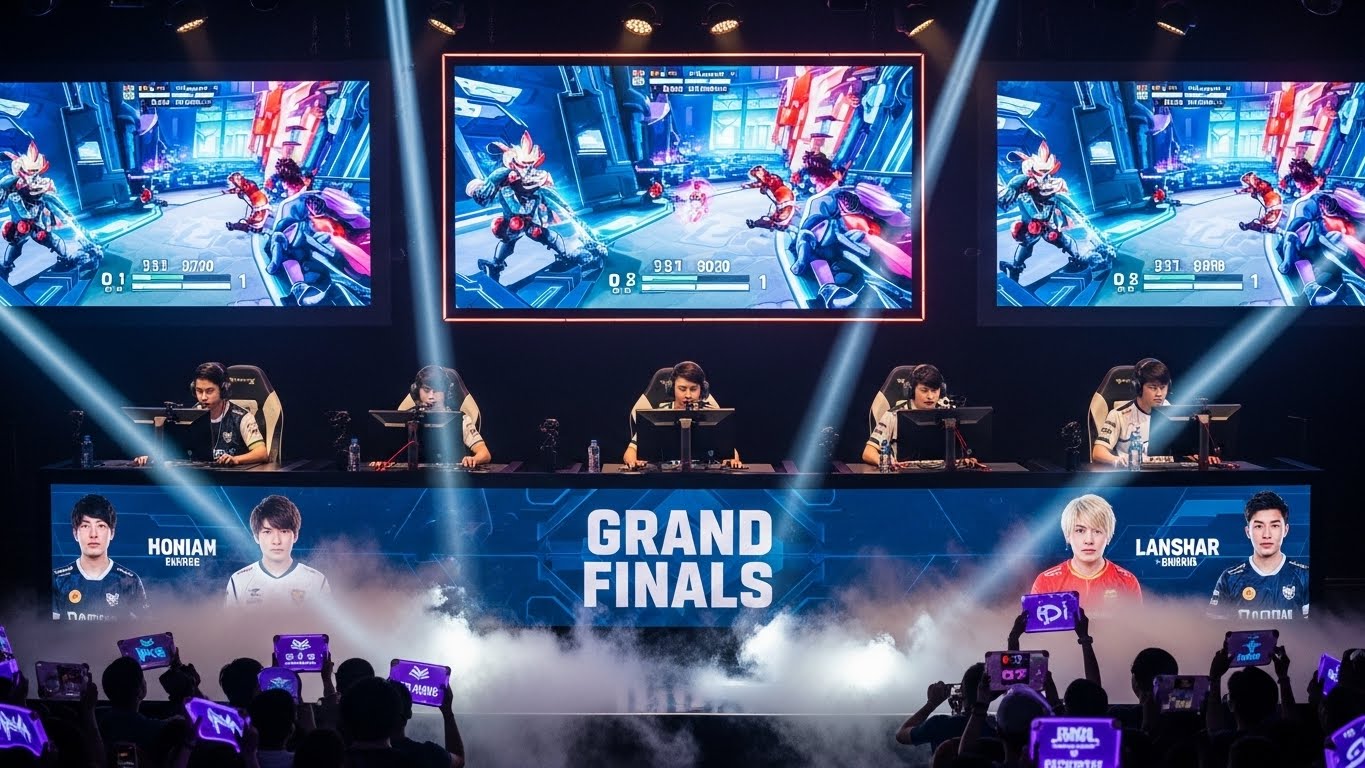
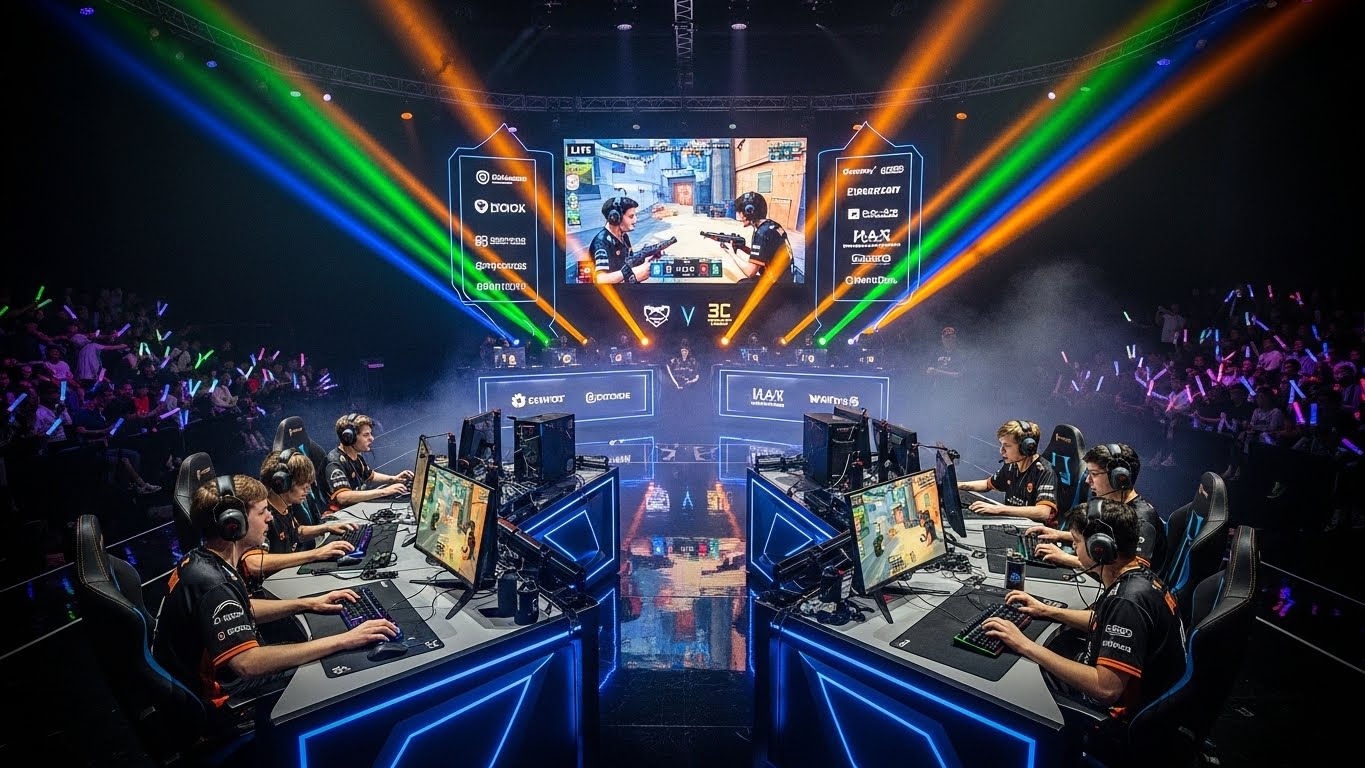
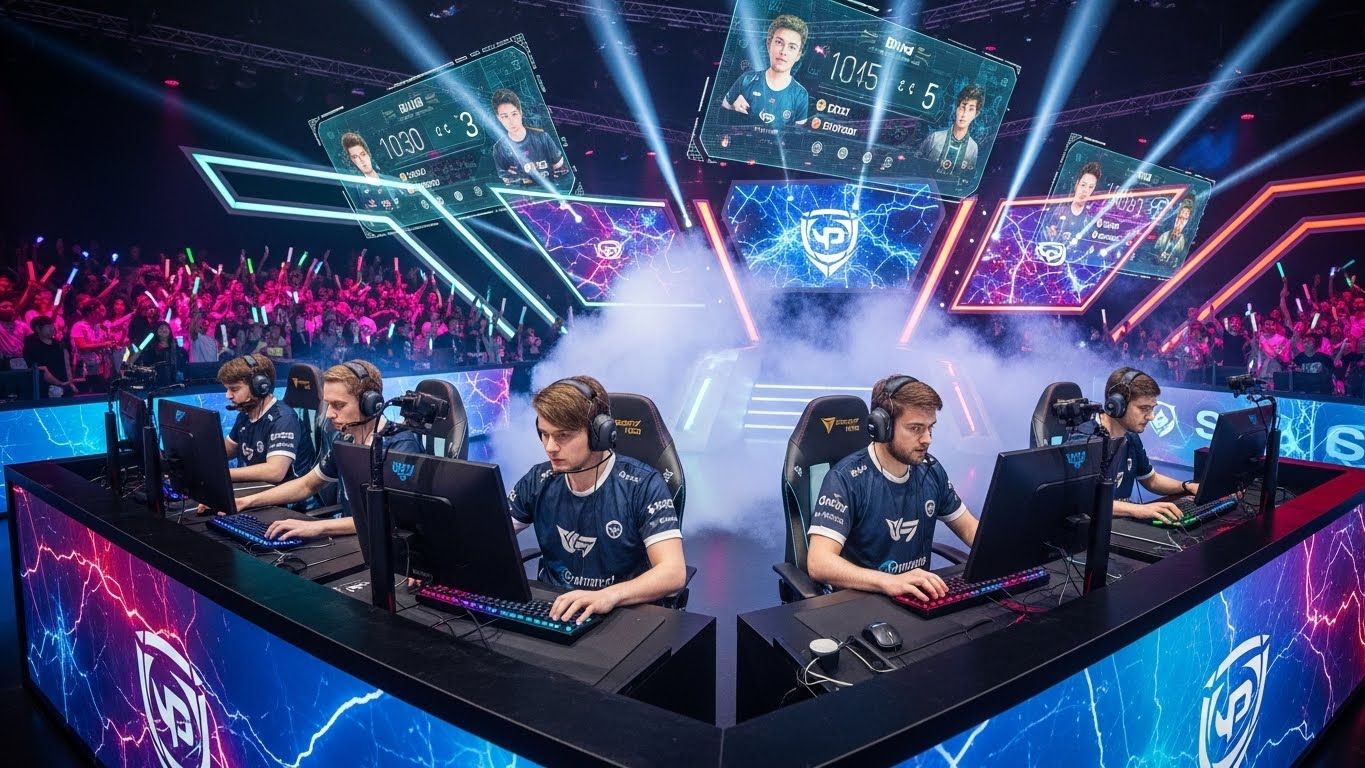
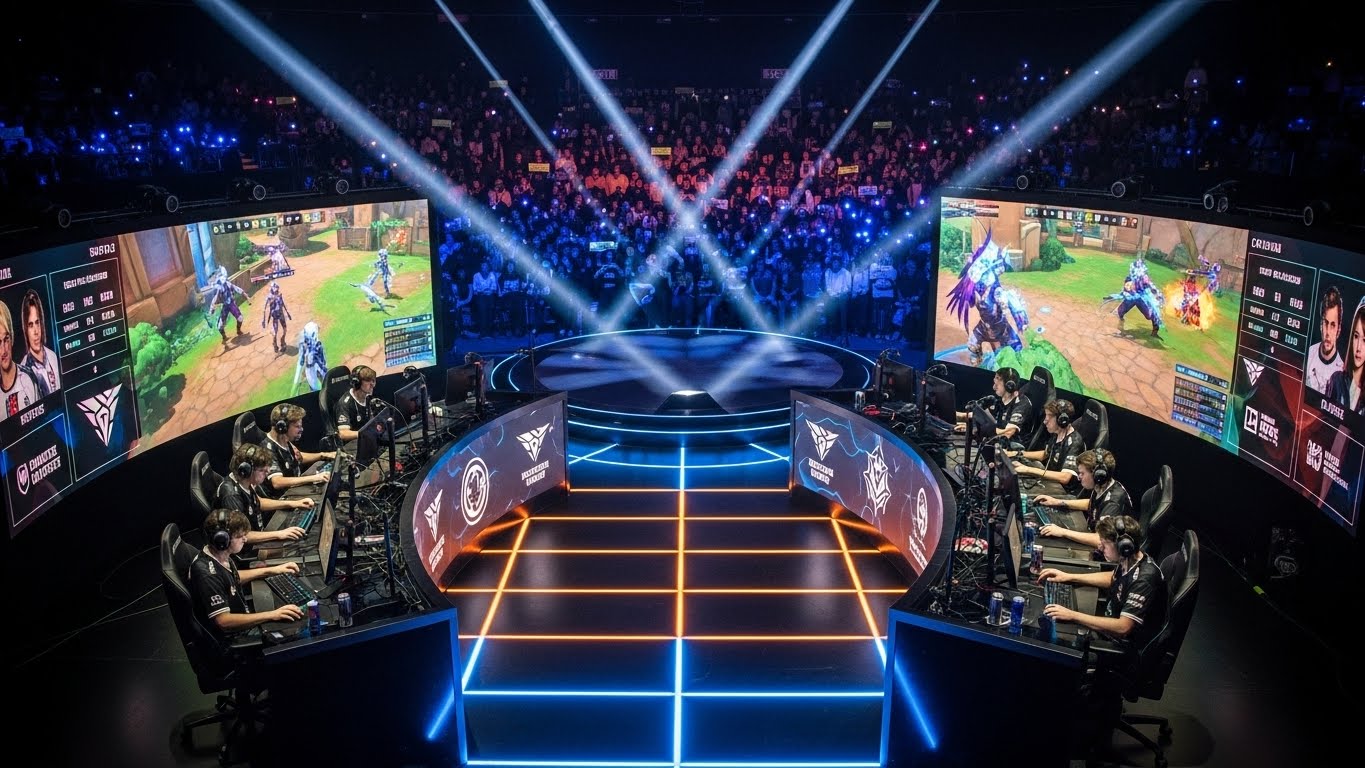
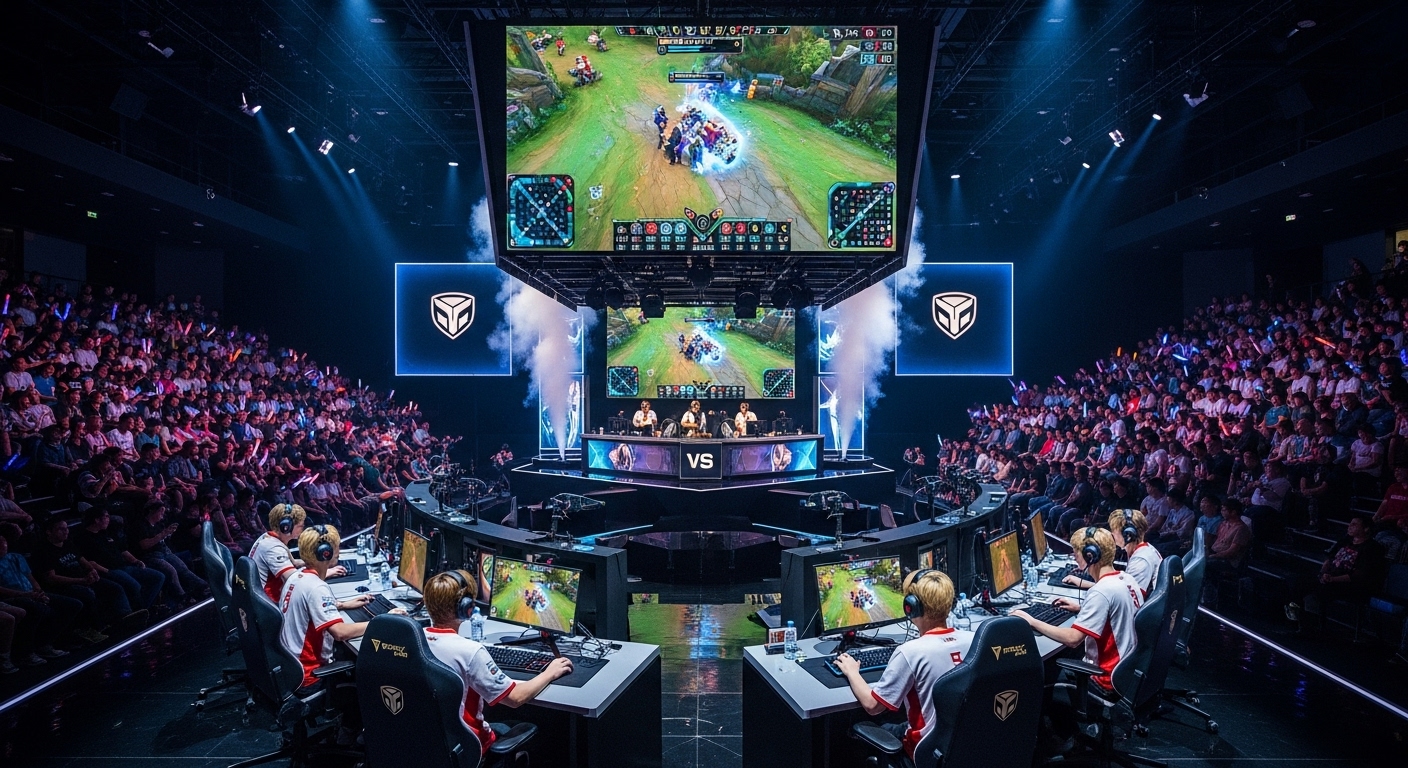
Esports, or competitive video gaming, has rapidly grown from a niche hobby into a global cultural phenomenon. Once seen as casual entertainment for a small audience, it now attracts millions of viewers, professional players, and massive sponsorships. This transformation highlights the rise of esports not just as a form of competition, but as an influential part of modern society.
The Rise of Esports
Over the past decade, esports has experienced explosive growth. Games like League of Legends, Dota 2, and Call of Duty have become household names, drawing huge online and offline audiences. Tournaments now offer prize pools worth millions of dollars, rivaling those in traditional sports. Streaming platforms allow fans to watch games live, interact with players, and engage with global communities, making esports accessible to anyone with an internet connection.
Professionalism in Gaming
Esports is no longer just a pastime; it has evolved into a professional career path. Players follow structured training schedules, practice strategies for hours daily, and work alongside coaches, analysts, and team managers. Teams function like traditional sports organizations, managing branding, sponsorships, and fan engagement. Dedicated esports academies are emerging, nurturing young talent and ensuring a future generation of skilled players.
Cultural Impact
Esports has transformed the way society perceives gaming. It has shifted from a solitary hobby to a competitive, team-oriented activity that values skill, strategy, and mental agility. The industry has also fostered global communities where fans connect, share experiences, and celebrate achievements. Moreover, esports has influenced fashion, music, and technology, as well as inspired collaborations with mainstream entertainment, making it an integral part of popular culture.
Challenges in the Industry
Despite its success, esports faces several challenges. Player burnout, mental health issues, and inconsistent regulations can hinder growth. There are disparities in pay and recognition, with some games and regions receiving more attention than others. To maintain credibility and sustainability, the industry must address these challenges while continuing to evolve alongside technology and audience expectations.
The Future of Esports
The future of esports looks bright and promising. Emerging technologies such as virtual reality and augmented reality may redefine gaming experiences. Growing markets in Asia, Europe, and North America will continue to expand audiences and investment. Esports may even integrate further with mainstream sports and entertainment, solidifying its role as a legitimate competitive field and a powerful cultural force.
Conclusion
Esports is more than just gaming—it is a global movement that combines skill, strategy, and entertainment. With its professional structure, widespread popularity, and cultural influence, esports is shaping the future of competition and redefining what it means to be a spectator and a participant in the digital age. The world of esports continues to evolve, offering endless opportunities for players, fans, and innovators alike.