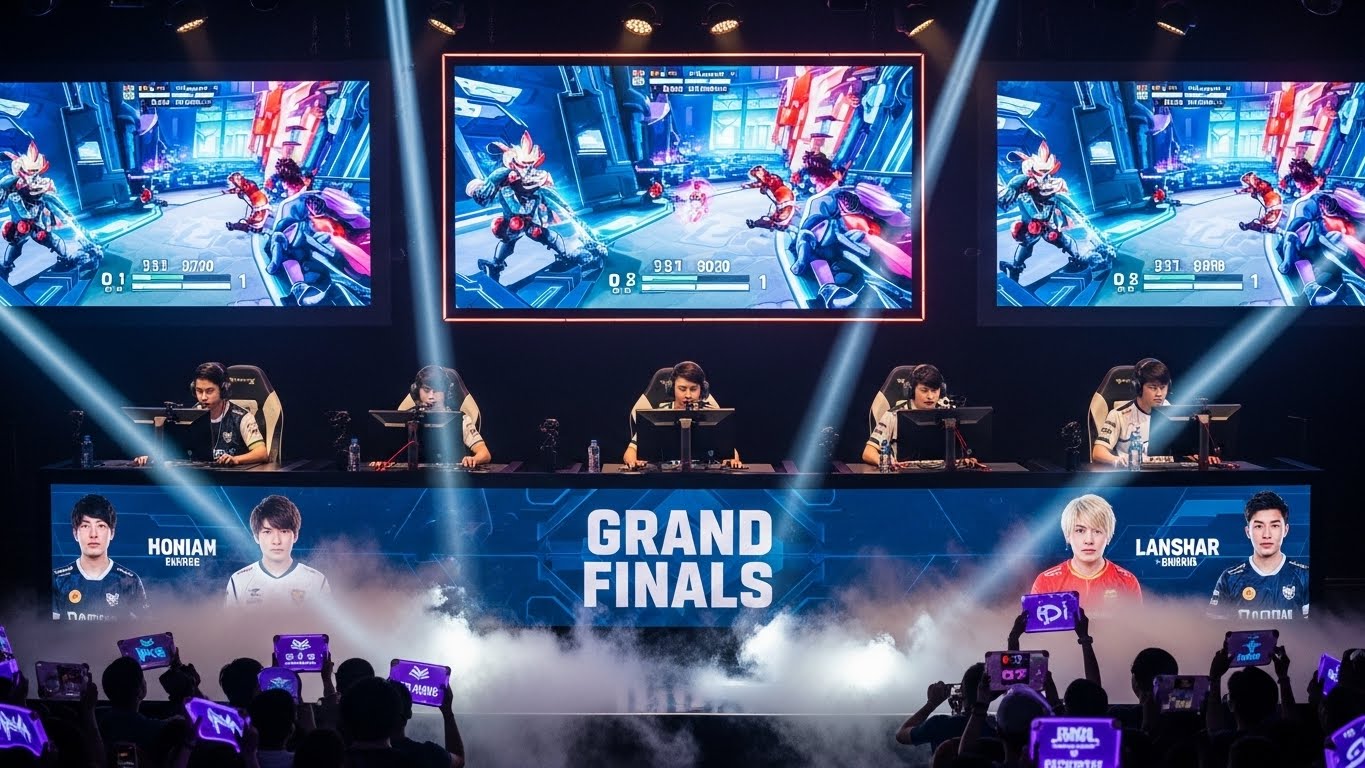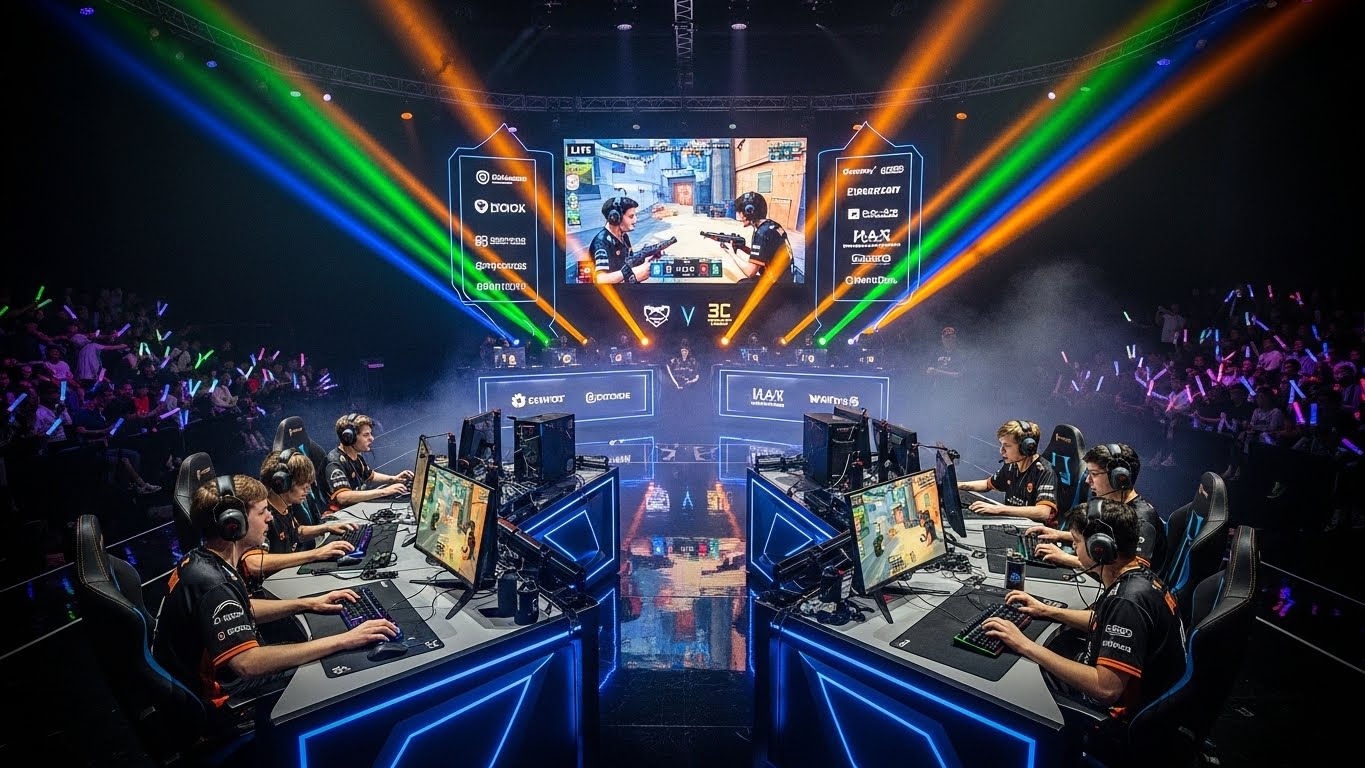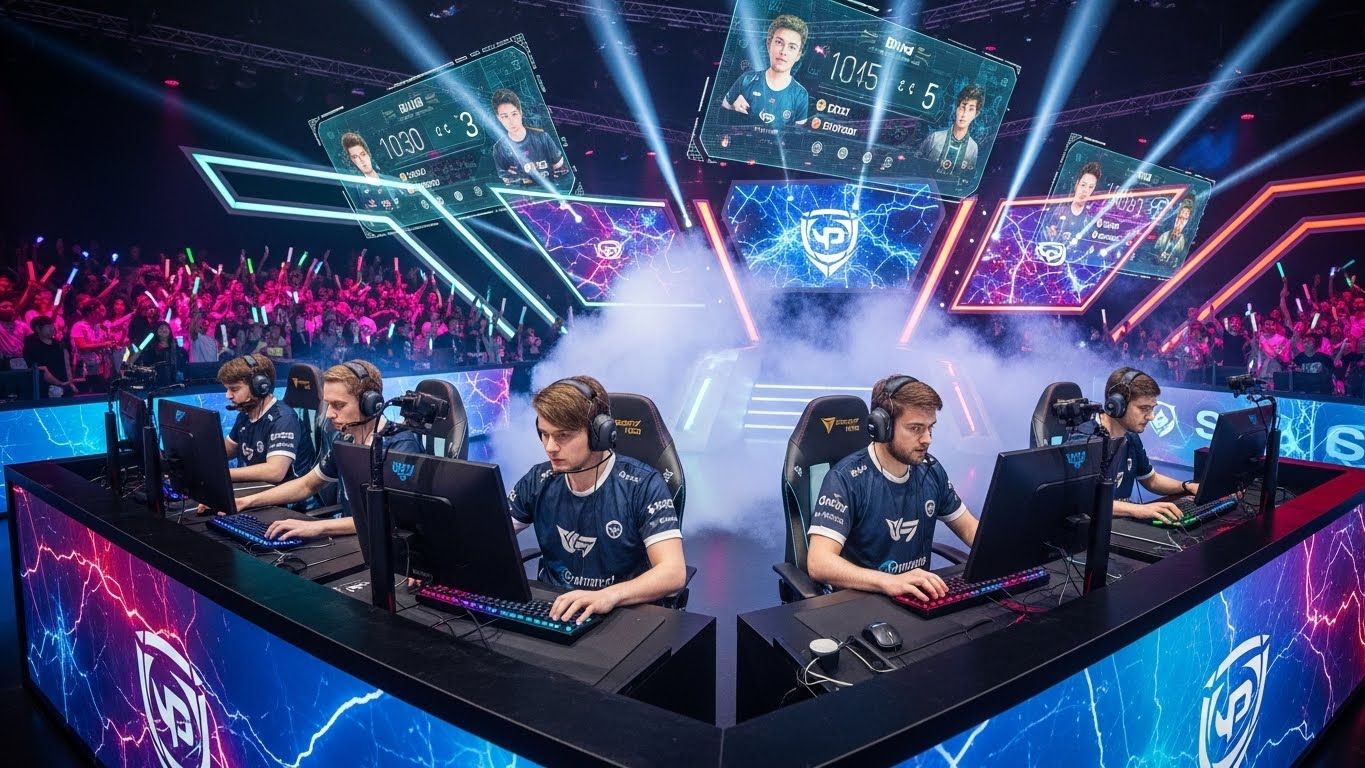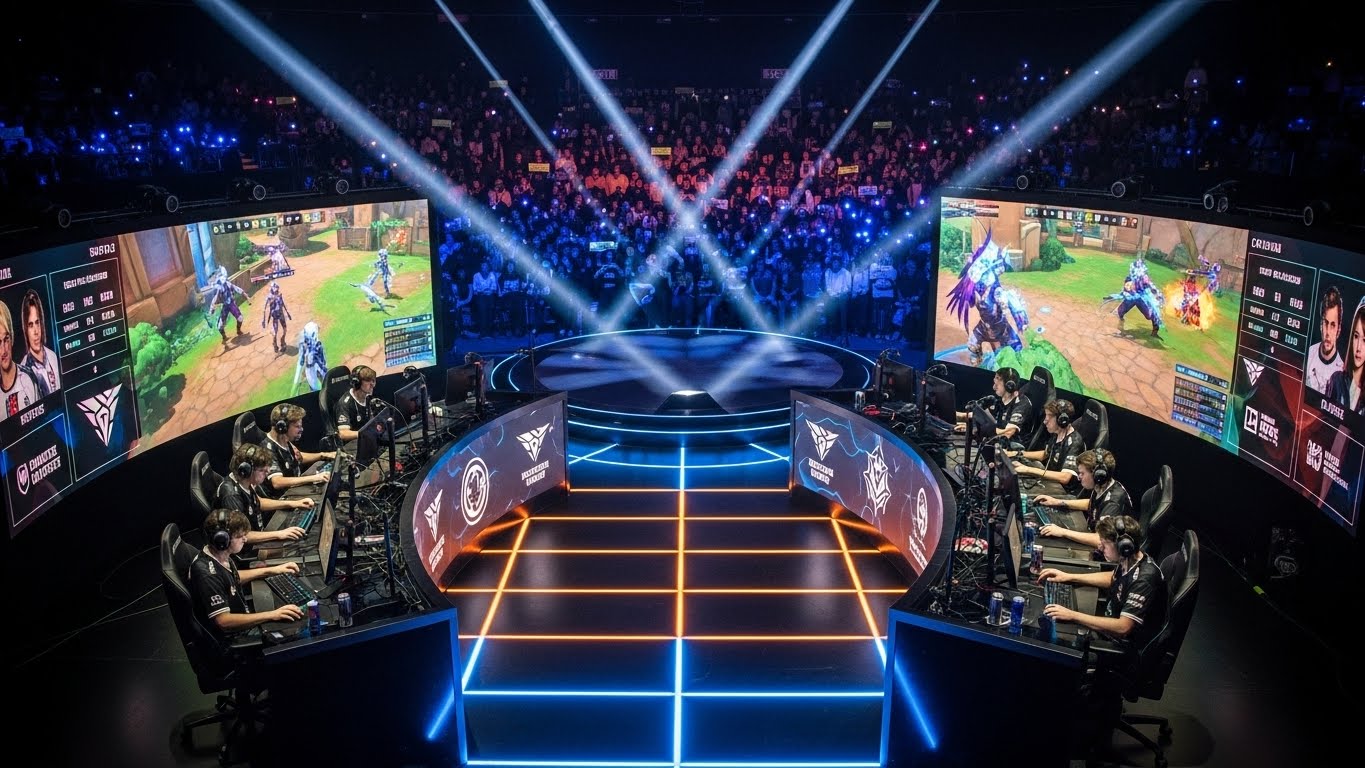
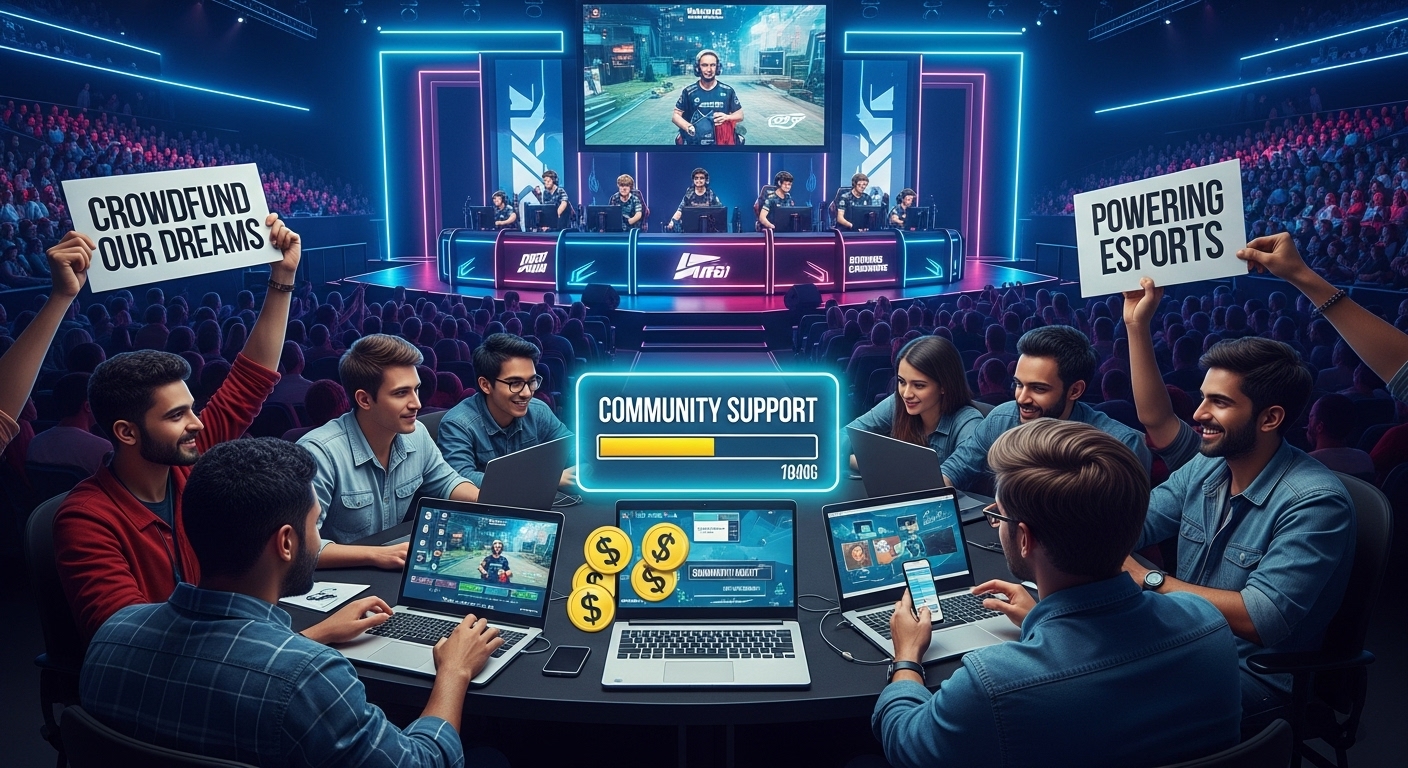
Esports has evolved from small local gatherings into massive global competitions watched by millions. Prize pools often reach staggering amounts, sponsorships flow in from global brands, and professional players have become celebrities in their own right. But behind the glamour and the bright stage lights lies a crucial question: how are esports tournaments funded?
While corporate sponsorships, publisher investment, and advertising revenue drive much of the industry, another funding method has quietly become one of the most fascinating developments in competitive gaming: crowdfunding. This approach leverages the passion of the gaming community itself to fund events, grow prize pools, and create sustainable ecosystems around tournaments.
In this blog post, we’ll explore the rise of crowdfunding in esports tournaments, why it works, iconic examples, challenges, and how it may shape the future of competitive gaming.
1. What Is Crowdfunding in Esports?
Crowdfunding, at its core, is the act of raising money by gathering small contributions from a large number of people, typically through digital platforms. In esports, crowdfunding usually means:
- Boosting Prize Pools: Fans buy in-game items, skins, or passes, with a percentage of the revenue directed into the tournament prize pool.
- Funding Tournament Operations: Independent organizers use crowdfunding campaigns (on sites like Kickstarter, Indiegogo, or GoFundMe) to cover production costs, venues, and staff.
- Supporting Grassroots Events: Local or community-driven tournaments rely on crowdfunding to get off the ground when corporate sponsors aren’t available.
This model transforms esports from being just publisher-backed spectacles into community-owned movements where fans directly shape the success of events.
2. Why Crowdfunding Works in Esports
Crowdfunding isn’t just about money; it’s about engagement. Esports audiences are digitally native, passionate, and deeply connected to their favorite games and players. Here’s why crowdfunding thrives in this industry:
- Strong Community Bonds
Gamers often feel part of a larger family tied to a specific title or tournament. Supporting a prize pool feels like contributing to the legacy of their game. - Interactive Funding Model
Unlike passive ads, crowdfunding campaigns usually involve rewards—exclusive skins, cosmetics, or digital passes that let players show off their support in-game. - Transparency and Ownership
Fans see exactly where their contributions go. If they help push the prize pool past a milestone, it’s a collective achievement. - FOMO and Hype Culture
Limited-time crowdfunding drives create urgency. Players don’t want to miss exclusive content tied to historic tournaments. - Direct Connection Between Fans and Players
When players know their winnings come from fans, it fosters a stronger bond between community and professionals.
3. The Pioneers of Crowdfunding in Esports
The International (Dota 2)
If there’s one event that defined crowdfunding in esports, it’s The International (TI), Valve’s annual Dota 2 championship.
- How It Works: Valve sells a “Battle Pass” (previously known as the Compendium), an in-game item packed with quests, cosmetics, and digital rewards. 25% of all sales go directly to the TI prize pool.
- The Results:
- In 2013, crowdfunding raised the prize pool to $2.8 million.
- By 2019, TI9’s pool surpassed $34 million, the largest in esports history at the time.
- In 2013, crowdfunding raised the prize pool to $2.8 million.
- Impact: TI proved that esports fans are willing to fund massive events if they get meaningful engagement and rewards.
Fortnite World Cup
Epic Games hasn’t relied heavily on crowdfunding, but Fortnite’s seasonal battle passes inspired similar models across the industry. Though its World Cup prize pool of $30 million came directly from Epic, the concept of fans buying passes as a revenue driver mirrors crowdfunding logic.
StarCraft II and Community Leagues
Smaller StarCraft II tournaments have used Patreon and Kickstarter campaigns to fund competitions, keeping a game alive long after its publisher reduced support.
Super Smash Bros. Community
Nintendo doesn’t directly invest in Smash esports, so grassroots organizers often turn to GoFundMe or community contributions to cover venue costs, stream setups, and prize pools. These campaigns prove the power of community when publishers step back.
4. Case Study: The International – Crowdfunding’s Crown Jewel
Let’s take a deeper look at why The International’s crowdfunding model became so iconic.
- Gamified Contribution System
The Battle Pass wasn’t just a donation—it was an interactive experience. Fans unlocked quests, earned points, and gained exclusive cosmetics while contributing. - Exclusive, Limited-Time Rewards
Skins and items tied to TI were only available during that year, creating scarcity and prestige. Owning one meant you had been part of history. - Progress Tracking and Milestones
Fans could watch the prize pool rise in real time, celebrating milestones together. Hitting $10M or $20M became newsworthy events. - Publisher-Fan Symbiosis
Valve profited massively while simultaneously empowering the community and rewarding players. It was a rare win-win-win for publisher, fans, and professionals.
5. Benefits of Crowdfunding Esports Tournaments
Crowdfunding creates a unique ecosystem of benefits that traditional sponsorships often lack:
- Bigger Prize Pools: Crowdfunding often pushes prize money far beyond what organizers alone could afford.
- Community Engagement: Fans don’t just watch—they participate in building the event.
- Sustainability for Smaller Tournaments: Independent organizers can survive without waiting for a big sponsor.
- Innovation in Rewards: Cosmetic items, exclusive passes, or even NFT-based rewards drive creativity.
- Democratization of Esports: Fans have a voice in which tournaments thrive, leveling the playing field for smaller games.
6. Challenges and Criticisms of Crowdfunding in Esports
Despite its success, crowdfunding has its downsides.
- Over-Reliance on Fans
Relying too heavily on community funding can put undue pressure on fans, making events feel like “paywalls.” - Wealth Inequality Among Players
Games with larger fanbases (like Dota 2) enjoy massive prize pools, while smaller titles struggle to gain traction. This creates imbalance across esports. - Publisher Control vs. Community Control
While fans provide funds, publishers still control event structures. This can lead to frustration if fans feel their contributions aren’t respected. - Sustainability Concerns
Prize pools can only grow so much. TI’s record-breaking numbers created unsustainable expectations for future years. - Transparency Issues
Not all crowdfunding efforts are equally transparent. Some grassroots events have failed to deliver on promises, eroding trust.
7. Grassroots Crowdfunding: The Heart of Community Esports
Not every tournament has a multimillion-dollar publisher behind it. Crowdfunding has been especially critical for grassroots and semi-professional scenes.
- Local Smash Bros. Tournaments rely on fan donations to cover venue and streaming costs.
- Fighting Game Communities (FGC) use crowdfunding to send top players to international events like EVO.
- Indie Game Esports like Rivals of Aether or Slippi have thriving scenes funded almost entirely by fans.
These community-driven efforts often lack the glitz of pro leagues but showcase esports’ authentic heart: people gathering around shared passion.
8. Crowdfunding Platforms for Esports
Different platforms have become central to esports crowdfunding:
- Kickstarter & Indiegogo: Used for one-time tournament funding campaigns.
- Patreon: Ongoing fan support for leagues, casters, or tournament series.
- GoFundMe: Often used for emergency funding (e.g., travel funds for players).
- In-Game Monetization: The most powerful method, pioneered by Valve and adopted in different forms across esports.
Each method has strengths—Kickstarter builds hype, Patreon sustains longevity, while in-game models create unmatched scale.
9. The Future of Crowdfunding in Esports
So, where does crowdfunding go from here? Several trends are shaping its future:
- Hybrid Funding Models
Future tournaments will likely combine sponsorships, publisher support, and fan crowdfunding into balanced ecosystems. - Blockchain & NFTs
Love them or hate them, blockchain-based collectibles could play a role in fan-driven prize pools by offering verifiable ownership of digital assets. - Subscription-Based Tournament Passes
Fans may soon subscribe to support entire leagues, similar to Patreon but built into platforms like Twitch or YouTube. - Decentralized Esports Organizations
DAO (Decentralized Autonomous Organizations) models could allow fans to directly fund and vote on tournament decisions, creating true community ownership. - Expansion Beyond Esports
Crowdfunding methods pioneered here could spread into traditional sports or other entertainment industries.
10. Conclusion: Community as the Lifeblood of Esports
Crowdfunding has changed the economics of esports forever. It empowers fans, lifts prize pools, sustains grassroots tournaments, and creates deeper bonds between communities and the games they love.
The story of crowdfunding in esports is not just about money—it’s about belonging. It’s proof that esports is more than a spectator sport; it’s a culture where everyone, from the casual fan to the world champion, contributes to building something bigger than themselves.