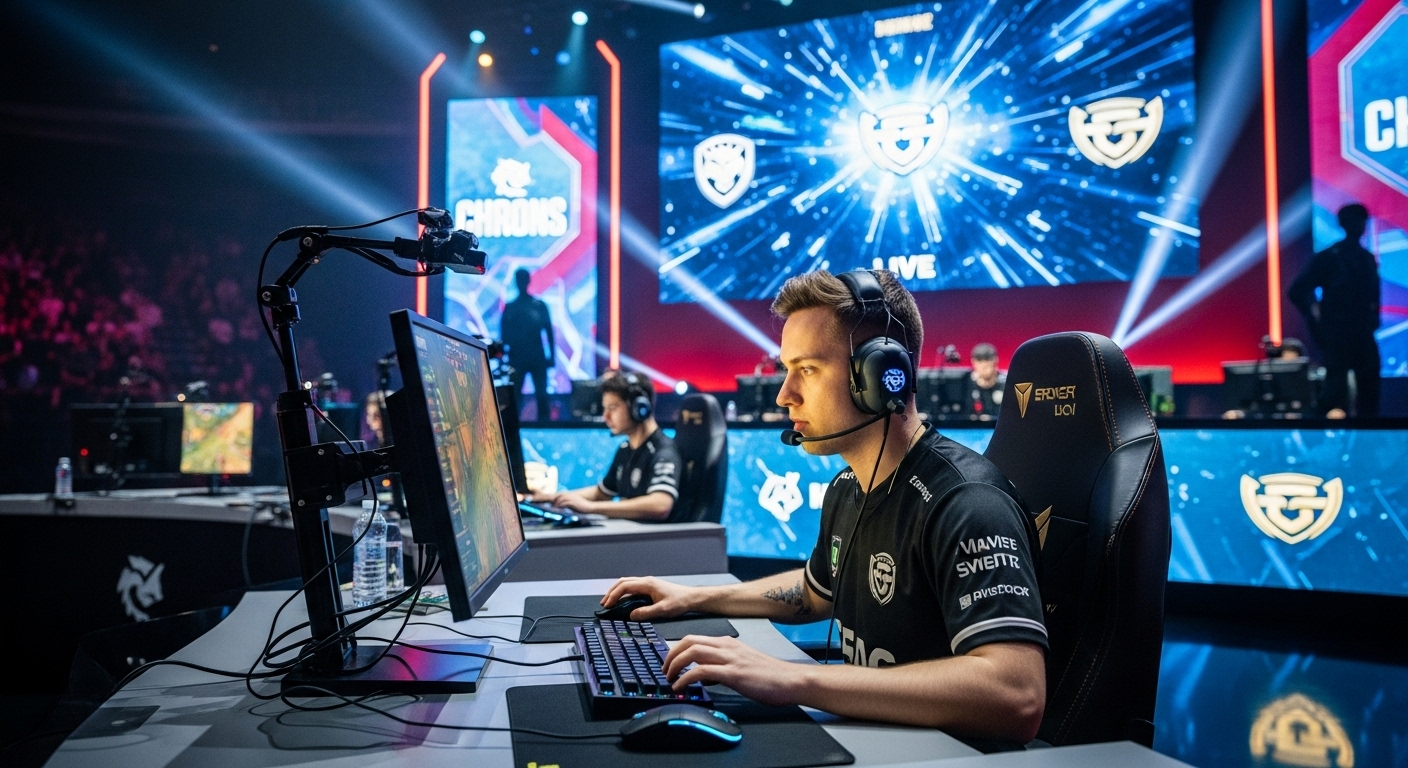
Esports, short for electronic sports, has emerged as one of the most fascinating and rapidly growing forms of entertainment in the 21st century. What began as casual video game competitions among friends has transformed into a global phenomenon with professional players, massive tournaments, and millions of passionate fans worldwide. Esports is not just about playing video games; it combines skill, strategy, teamwork, and mental fortitude, creating a new form of competition that rivals traditional sports. Its rise reflects the intersection of technology, culture, and media, redefining how people view competitive entertainment.
The Early Days of Competitive Gaming
The roots of esports can be traced back to the late 1970s and early 1980s when arcade games like Pong and Space Invaders became popular. Early competitions were often small and informal, held at arcades, schools, or gaming conventions. One of the first large-scale tournaments was the Space Invaders Championship in 1980, which attracted thousands of participants and demonstrated that gaming could captivate large audiences. In the 1990s, games like StarCraft, Warcraft, and Counter-Strike established organized competitive scenes, particularly in South Korea and parts of Europe. These early competitions were the foundation of esports, showing that gaming could be more than entertainment—it could be a structured, skill-based competition.
The Emergence of Professional Esports
The 2000s marked a pivotal period for esports, as high-speed internet and online multiplayer games made global competition possible. Titles like League of Legends, Dota 2, and Call of Duty established professional leagues with structured tournaments and ranking systems. Professional esports organizations emerged, recruiting skilled players, providing training, and securing sponsorships. The rise of streaming platforms allowed fans to watch matches live, making esports accessible to a worldwide audience. Professional esports became a career path, complete with coaches, analysts, and support staff, reflecting a level of organization and professionalism similar to traditional sports.
Technology as the Backbone of Esports
Technology plays a critical role in the growth and sustainability of esports. High-speed internet enables players to compete in real time across continents. Advanced gaming hardware, including computers, monitors, and peripherals, ensures precision and responsiveness during gameplay. Streaming platforms allow millions of fans to watch competitions live, interact with players, and follow their favorite teams. Data analytics and performance monitoring software help players analyze their gameplay, develop strategies, and improve performance. Without these technological advancements, esports could not have scaled to its current global prominence.
Popular Game Genres in Esports
Esports covers a wide range of game genres, each with distinct competitive dynamics. Multiplayer online battle arena (MOBA) games, such as League of Legends and Dota 2, focus on teamwork, strategy, and real-time decision-making. First-person shooters like Counter-Strike and Overwatch test reflexes, aiming precision, and tactical awareness. Fighting games, sports simulations, and card-based games such as Hearthstone also have competitive scenes, attracting niche audiences. This diversity allows esports to appeal to a wide range of players and fans, creating subcultures and communities within the broader esports ecosystem.
Esports as a Spectator Sport
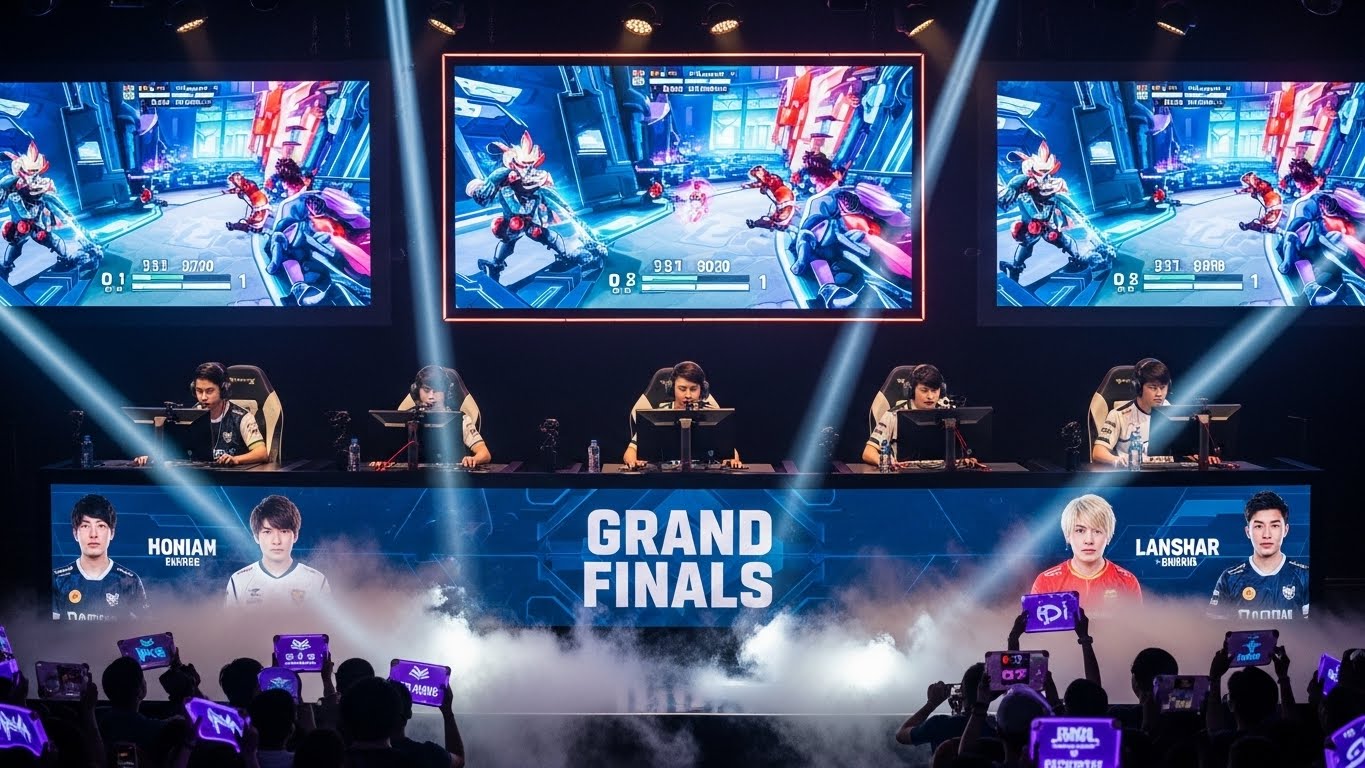
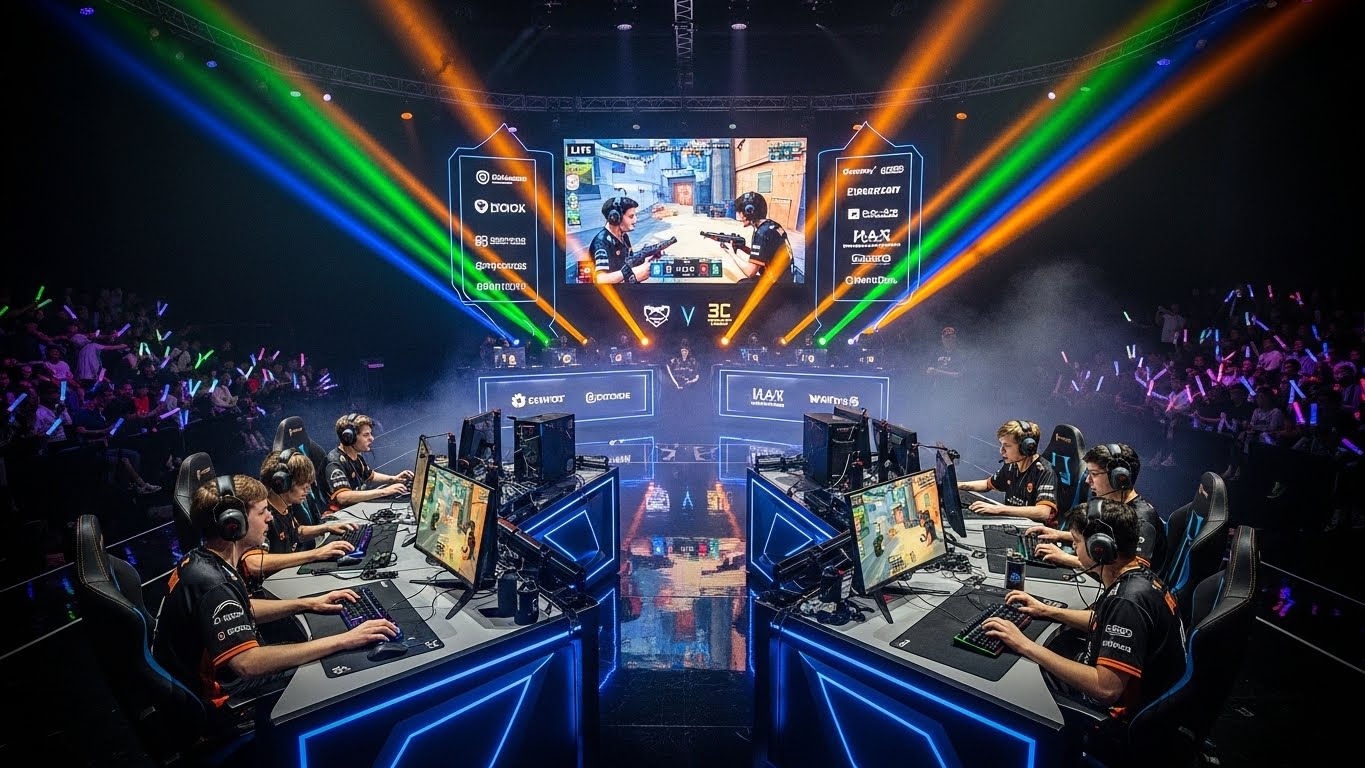
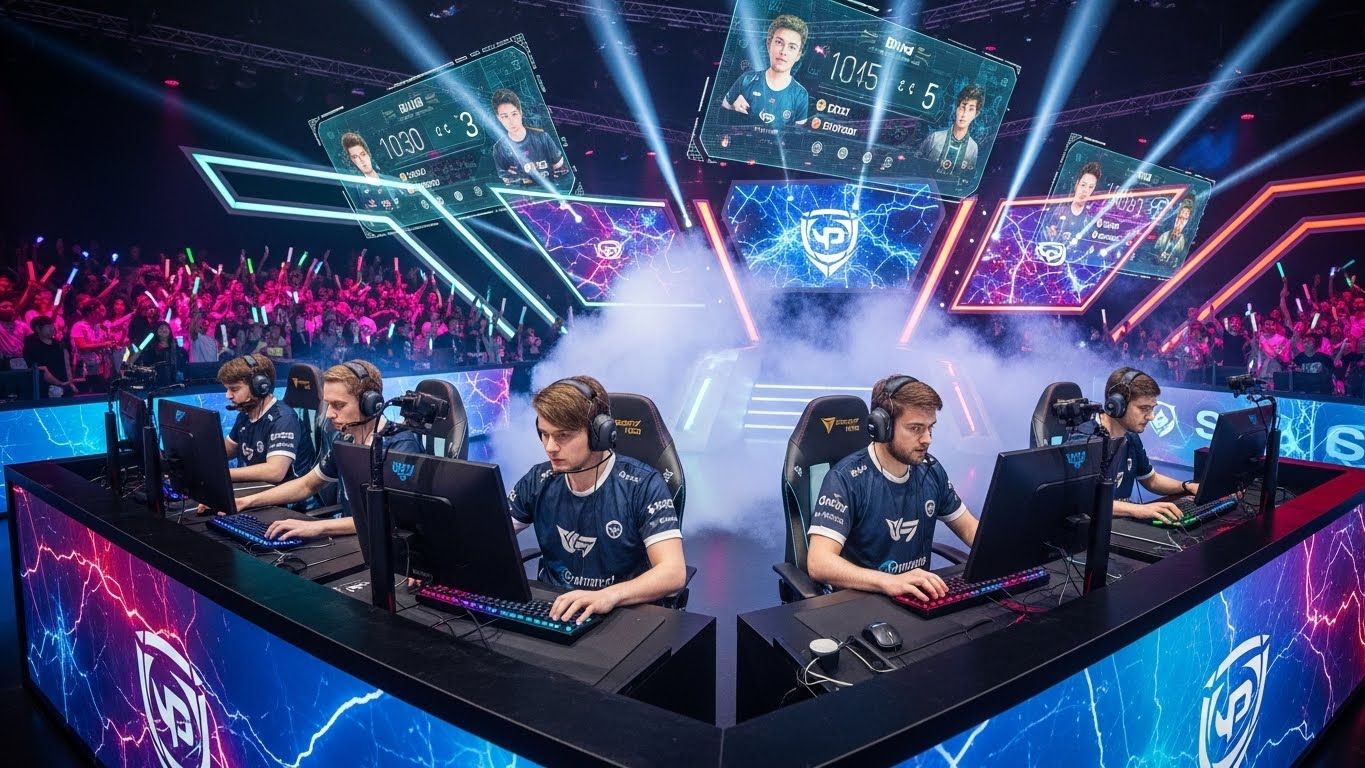
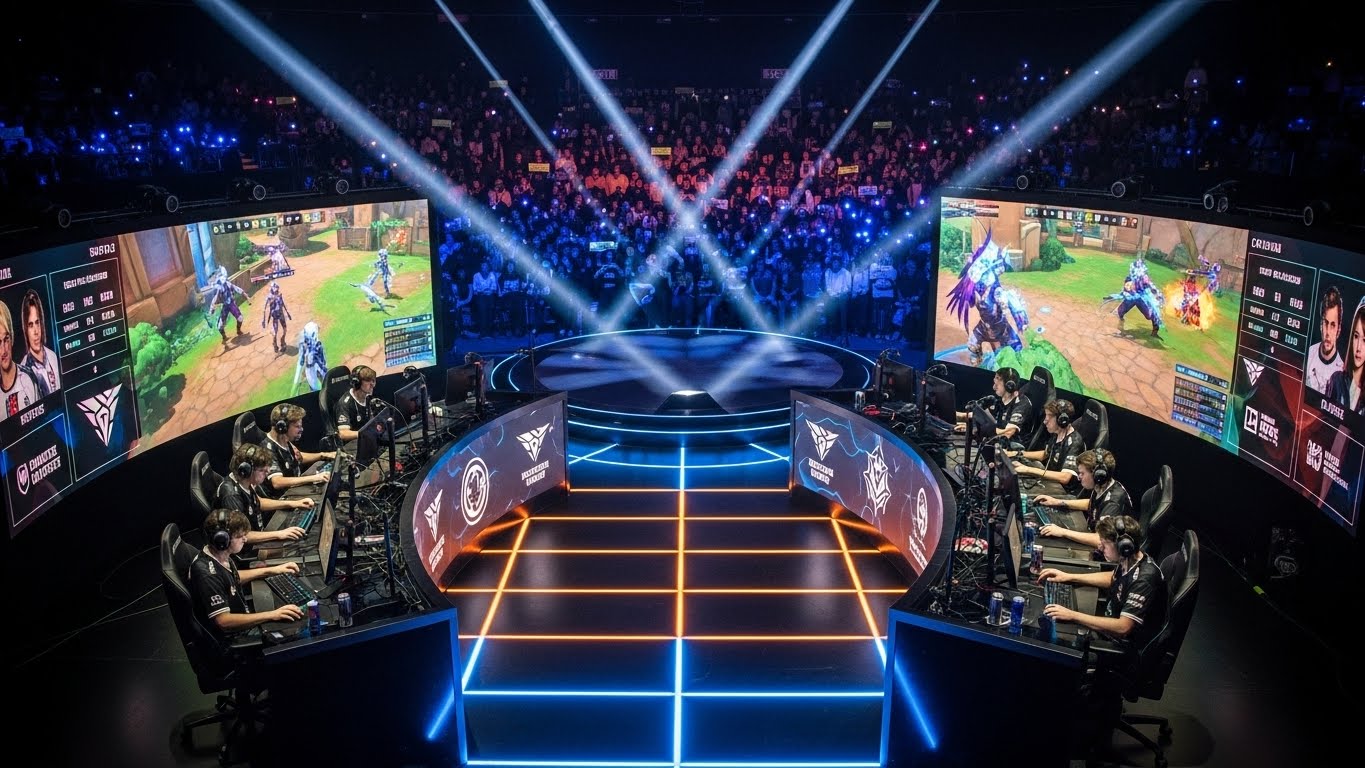
Watching esports has become a global entertainment phenomenon. Tournaments are now held in large arenas, attracting thousands of spectators, while millions more watch online. High production values, including professional commentary, instant replays, and detailed player analysis, enhance the viewing experience. Fans develop strong allegiances to teams and players, creating a community of engagement similar to traditional sports fandoms. Online streaming platforms provide interactivity, allowing fans to communicate during live matches, participate in polls, and even influence the audience experience. Esports has become more than a competition; it is a fully immersive form of entertainment.
The Economic Growth of Esports
Esports has grown into a multi-billion-dollar industry with diverse revenue streams. Prize money from tournaments, sponsorship deals, advertising, media rights, and merchandise sales all contribute to its economic significance. Brands target the esports audience through team sponsorships and event partnerships, reaching a digitally engaged and globally connected demographic. Professional players often earn salaries, sponsorship income, and streaming revenue. The commercialization of esports demonstrates that competitive gaming is no longer a hobby but a professional and economic ecosystem comparable to traditional sports.
Professional Training and Player Development
Professional esports players approach gaming with discipline akin to elite athletes. Training routines often include several hours of daily practice, strategy development, teamwork exercises, and mental conditioning. Teams employ coaches, analysts, and psychologists to optimize performance and maintain player well-being. Consistency, focus, and resilience are crucial in professional esports, as top-level competition requires performing under pressure and adapting to opponents’ strategies. Organizations invest heavily in structured training programs to ensure players develop skills, strategic awareness, and communication abilities that are critical for long-term success.
The Global Influence of Esports
Esports has a remarkable global reach, with significant hubs in North America, Europe, and Asia. Countries like South Korea, China, and the United States are particularly influential, producing world-class players and hosting major tournaments. International competitions, such as The International for Dota 2 and the League of Legends World Championship, attract millions of viewers and feature multi-million-dollar prize pools. Esports transcends national boundaries, connecting players and fans worldwide through shared interest in competitive gaming. Its international presence underscores the universal appeal of esports and the power of digital platforms to unite diverse communities.
Esports and Youth Culture
Esports has deeply influenced youth culture, offering not just entertainment but social engagement and identity. Online gaming communities, streaming platforms, and competitive clubs allow young people to connect, share experiences, and learn from one another. Competitive gaming fosters teamwork, critical thinking, and strategic planning, skills that are valuable both inside and outside gaming. Esports has become an integral part of youth culture, influencing fashion, media consumption, and lifestyle choices. For many young people, it is a legitimate avenue for career development, social interaction, and skill-building.
Challenges in Esports
Despite its rapid growth, esports faces several challenges. Player burnout and mental health issues are common due to long hours of practice and high-pressure competition. Cheating, hacking, and unfair play undermine the integrity of tournaments. The industry also struggles with inclusivity and diversity, as certain demographics remain underrepresented. Regulatory frameworks for contracts, player rights, and tournament standards are still developing, leading to inconsistencies across regions and organizations. Addressing these challenges is critical for ensuring sustainable growth and maintaining credibility in the esports industry.
The Future of Esports
The future of esports looks bright, with continued expansion in audience size, technological innovation, and professional opportunities. Virtual reality and augmented reality may create more immersive competitive experiences. Artificial intelligence could enhance training, strategy analysis, and game design. Esports may integrate further into mainstream media, appearing on television and collaborating with traditional sports leagues. Educational initiatives, including university esports programs and scholarships, are gaining traction, providing formal pathways into competitive gaming. As technology evolves and global interest grows, esports is poised to become an even more influential part of entertainment and culture.
Esports Beyond Competition
Esports extends beyond the game itself, influencing culture, education, and media. Content creation, commentary, and streaming have opened new career paths for players and fans alike. Universities are incorporating esports programs to teach strategy, teamwork, and digital literacy. Sponsorships, merchandising, and collaborations extend the cultural impact of esports beyond tournaments. Its influence demonstrates that esports is not just a form of competition but a dynamic cultural movement that intersects with technology, education, and entertainment.
Conclusion: Esports as a Modern Cultural Phenomenon
Esports has transformed the gaming landscape, turning casual play into a global professional industry. It combines skill, strategy, teamwork, and entertainment in ways that resonate with millions of players and fans worldwide. From local tournaments in arcades to international championships with massive prize pools, esports represents the evolution of digital competition. While challenges remain, including player health, fairness, and inclusivity, the continued growth of esports highlights its cultural, economic, and social significance. Esports is not just a game; it is a global digital arena where talent, dedication, and strategy converge, shaping the future of entertainment and competition.