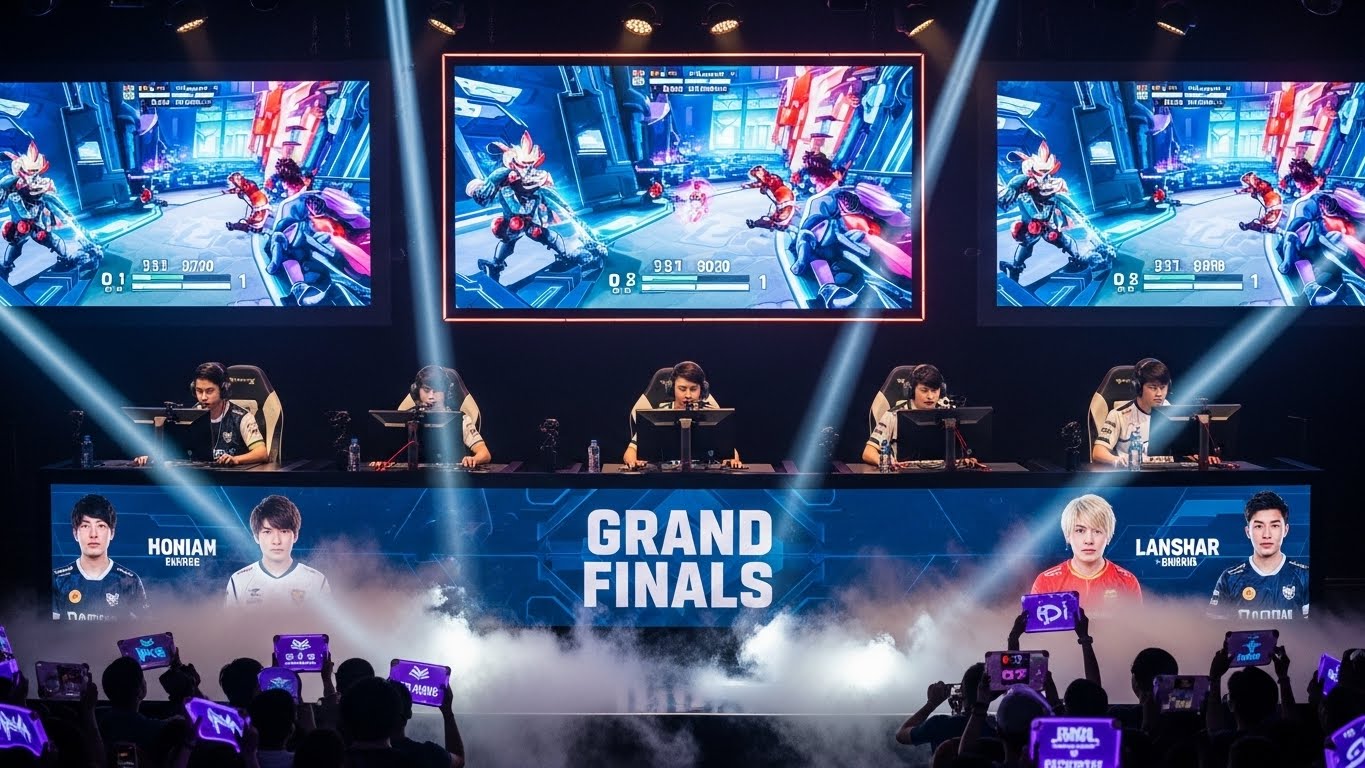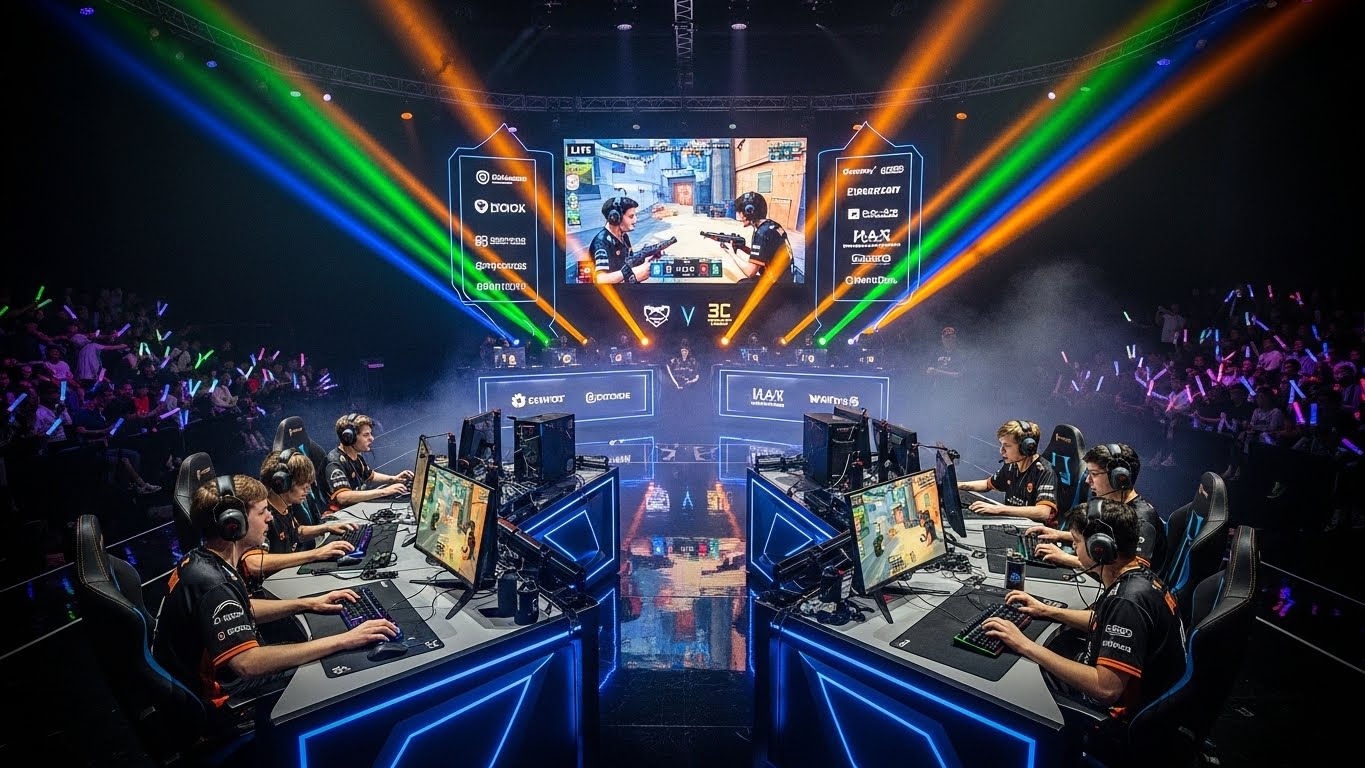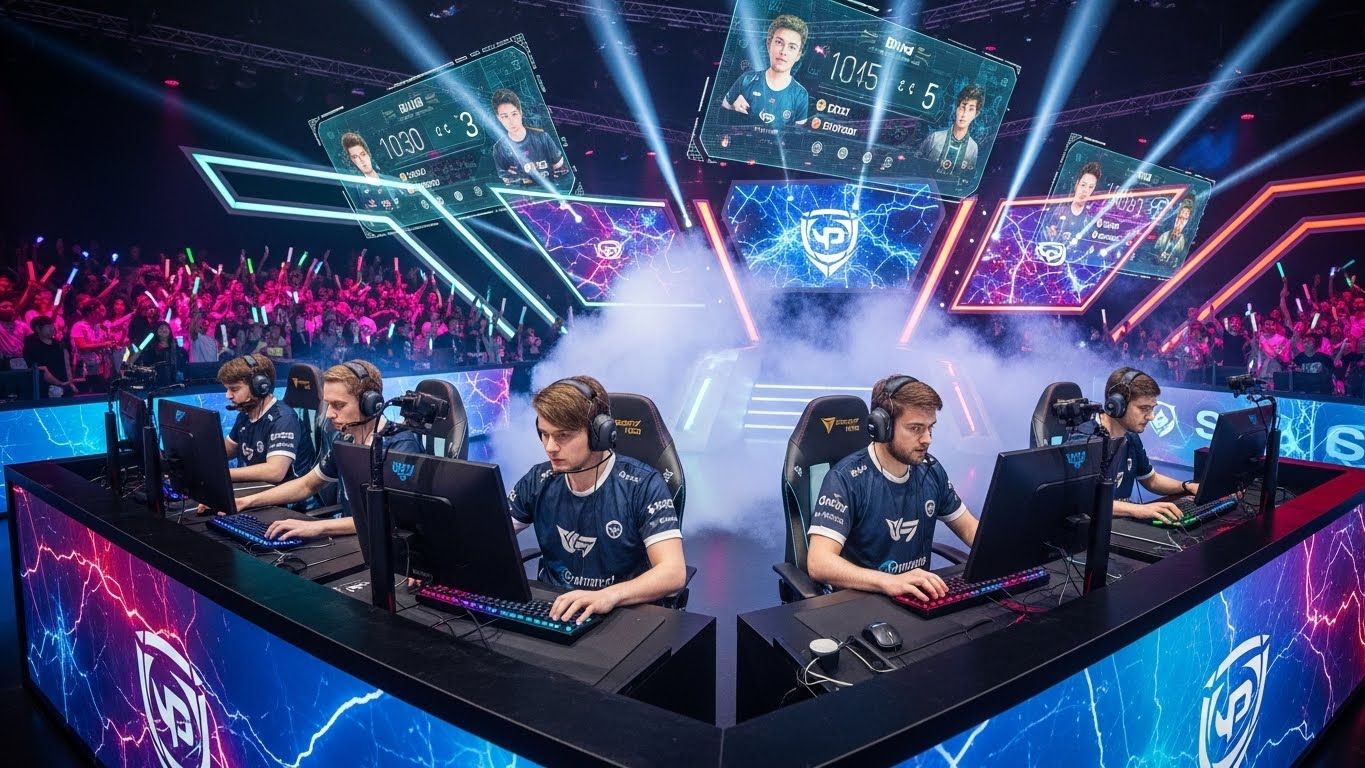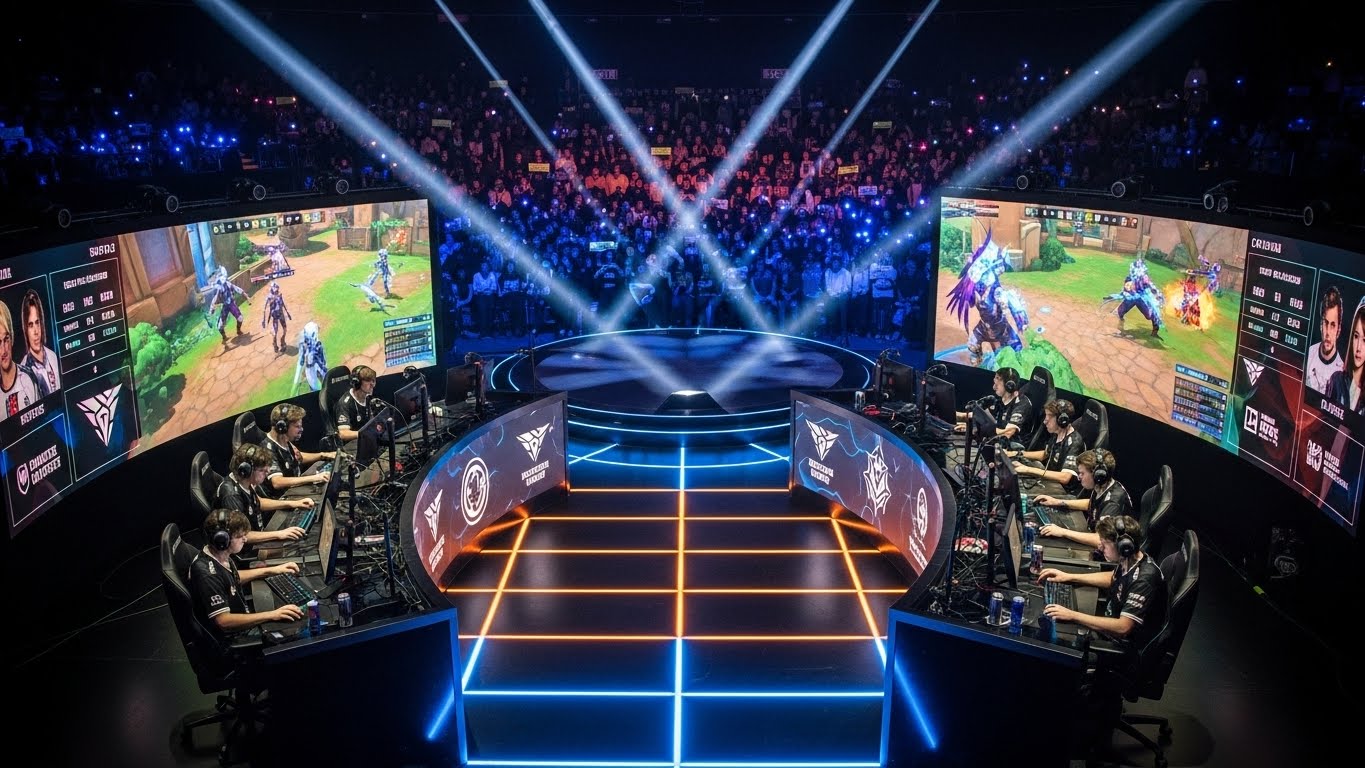

Esports has rapidly become a dominant force in the world of entertainment, transcending its origins as a niche hobby to emerge as a billion-dollar industry. Today, competitive gaming is as thrilling as traditional sports, drawing in millions of viewers and producing professional players who are treated like sports stars. The world of esports is dynamic, fast-paced, and constantly evolving. In this post, we explore how esports has grown into a global phenomenon, its impact on the gaming world, and why it’s here to stay.
The Evolution of Esports: From Casual Gaming to Global Competitions
Esports may seem like a modern invention, but its roots date back to the early days of gaming. In the 1970s and 1980s, competitive gaming existed in small, local tournaments. Players would gather at arcades or small events to compete in games like Pong and Space Invaders. These early competitions were modest, but they planted the seeds for what would eventually become a massive global industry.
The true transformation of esports began with the internet, as online multiplayer games allowed players from around the world to connect and compete. Games like StarCraft, Warcraft III, and Quake became staples in competitive gaming circles, and early esports tournaments began to emerge. The 2000s saw a surge in the popularity of professional gaming, with major tournaments and live broadcasts laying the groundwork for esports to evolve into the global spectacle it is today.
The Appeal of Esports: Skill, Strategy, and Spectacle
What makes esports so compelling? At its core, esports is about more than just playing video games—it’s about skill, strategy, and the thrill of competition. Just like traditional sports, esports requires precision, reflexes, teamwork, and deep knowledge of the game. Players must dedicate countless hours to practice, refining their skills and strategies to stay competitive.
The games themselves are meticulously designed for high-level competition, often with complex mechanics that provide both depth and excitement. Whether it’s the team-based strategies in League of Legends or the tactical gameplay of Counter-Strike: Global Offensive, esports offers something for everyone. The skill displayed by top-tier players is nothing short of extraordinary, and watching these athletes perform at the highest level can be just as exhilarating as watching a professional football or basketball game.
What sets esports apart is its ability to blend entertainment with skill. The games themselves are exciting to watch, and the personalities of the players bring an added layer of drama and intrigue. Fans form emotional connections with players, rooting for them as they would any traditional athlete. Esports has created a unique fusion of gaming, sport, and entertainment that appeals to millions of fans worldwide.
The Rise of Esports as a Career Path
Gone are the days when gaming was considered a hobby for the socially isolated. Today, esports has become a legitimate career path. Players, coaches, analysts, broadcasters, and content creators can all make a living in the world of esports. The financial rewards in professional esports have increased significantly, with top players earning millions in prize money, sponsorship deals, and streaming revenue.
Teams, similar to traditional sports organizations, operate like full-fledged businesses. They sign players, invest in training facilities, and enter into lucrative sponsorship deals with major brands. Esports has created a wealth of career opportunities that go far beyond simply being a player. As the industry expands, so do the job opportunities, with positions in event management, marketing, broadcasting, game development, and more.
One of the most fascinating aspects of the esports industry is its accessibility. Players don’t need to be born into wealth or access traditional sports facilities to rise to the top. Many professional esports players start young, practicing on their personal computers or gaming consoles, and slowly build their way up by competing in local tournaments, online competitions, or even streaming their gameplay. Esports has democratized the idea of a career in competitive entertainment, allowing anyone with talent and dedication to make a name for themselves.
The Global Reach of Esports: A New Era of Digital Sports
One of the most remarkable aspects of esports is its global appeal. Unlike traditional sports that are often confined to specific regions or countries, esports has no geographical boundaries. With the rise of streaming platforms like Twitch and YouTube Gaming, esports tournaments can be watched by millions of people across the globe, in real-time. Fans in North America, Europe, Asia, and even Africa are united by their love of the games and their admiration for the players.
Esports has created an international community of fans, players, and teams, all of whom share a common passion for competitive gaming. Major tournaments are held in various parts of the world, attracting thousands of spectators to arenas and millions more online. The global nature of esports has led to collaborations between players, teams, and organizations across continents, further strengthening the esports ecosystem.
Additionally, esports has also gained traction in countries where gaming is a cultural cornerstone, such as South Korea, China, and Japan. These regions have become hotbeds of competitive gaming, with large-scale tournaments drawing massive crowds and producing highly skilled players who have become national heroes. The accessibility of esports ensures that people from all corners of the world can engage in this digital revolution, breaking down barriers and creating a truly global sport.
Sponsorships, Investments, and the Business of Esports
Like any major sport, esports has evolved into a massive business. Sponsors, advertisers, and investors are flocking to esports, seeing it as a way to reach a young, engaged, and tech-savvy audience. Companies like Intel, Red Bull, and Coca-Cola have made significant investments in esports, sponsoring teams, players, and events. These sponsorships provide essential funding that keeps the wheels of the esports industry turning and allows players and organizations to thrive.
The media landscape has also adapted to the rise of esports. Streaming platforms like Twitch, YouTube, and Facebook have become essential parts of the esports ecosystem, while major TV networks are beginning to broadcast esports tournaments as part of their regular programming. Esports is quickly becoming a fixture in mainstream media, attracting audiences that rival traditional sports events. The money flowing into esports is not just from sponsors—it’s also coming from media rights, advertising, merchandise sales, and ticket sales to live events.
As esports continues to grow, it’s attracting more investments from venture capitalists, traditional sports organizations, and even celebrities. This influx of capital has allowed the industry to professionalize further, with top players, coaches, and teams receiving salaries and benefits akin to traditional athletes. Esports is not only reshaping entertainment but is also creating new economic opportunities for individuals and companies alike.
The Future of Esports: What’s Next?
The future of esports is incredibly bright, and its growth shows no signs of slowing down. As technology continues to advance, so too will the capabilities of the esports ecosystem. Virtual reality (VR) and augmented reality (AR) have the potential to revolutionize how games are played and viewed, making the esports experience even more immersive for both players and fans.
Esports is also expected to continue expanding its global reach, particularly with the rise of mobile gaming. Games like PUBG Mobile and Arena of Valor have already become major players in esports, and mobile esports will likely play an increasingly important role in the coming years. The mobile platform allows more people, particularly in regions with limited access to high-end PCs or gaming consoles, to participate in and enjoy esports competitions.
Additionally, the integration of esports into the school system is becoming more common, with universities offering scholarships and degree programs in esports management, game design, and related fields. This trend will not only increase the legitimacy of esports as a career path but will also continue to nurture young talent and develop the next generation of esports professionals.
Conclusion: The Future is Digital
Esports has come a long way from its humble beginnings, and it’s clear that it’s here to stay. As the industry continues to grow and evolve, esports will play an increasingly important role in entertainment, culture, and business. With its global reach, financial potential, and ability to engage millions of fans, esports is revolutionizing the way we think about competitive sports and digital entertainment. Whether you’re a casual fan, a dedicated player, or someone just discovering the world of esports, it’s an exciting time to be part of this dynamic and ever-changing digital revolution.