Introduction: The Rise of Competitive Gaming
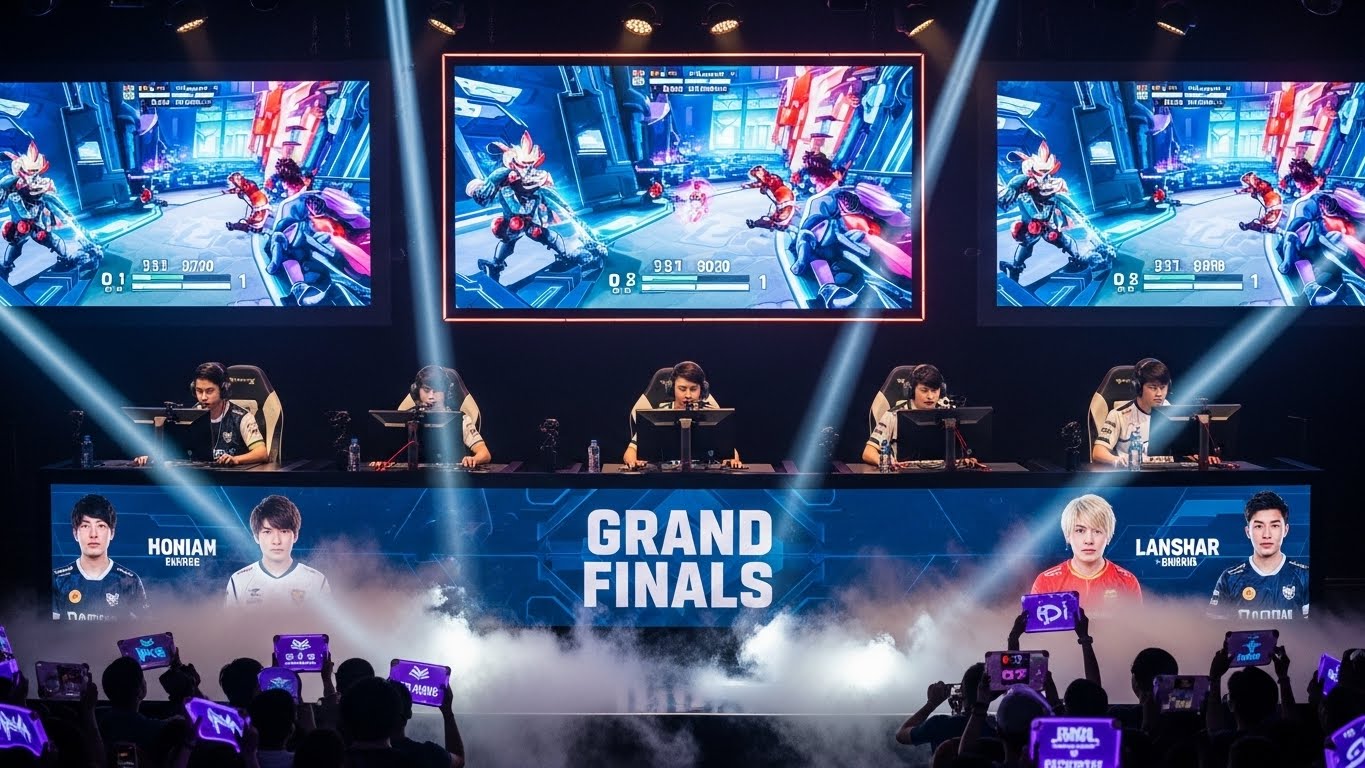
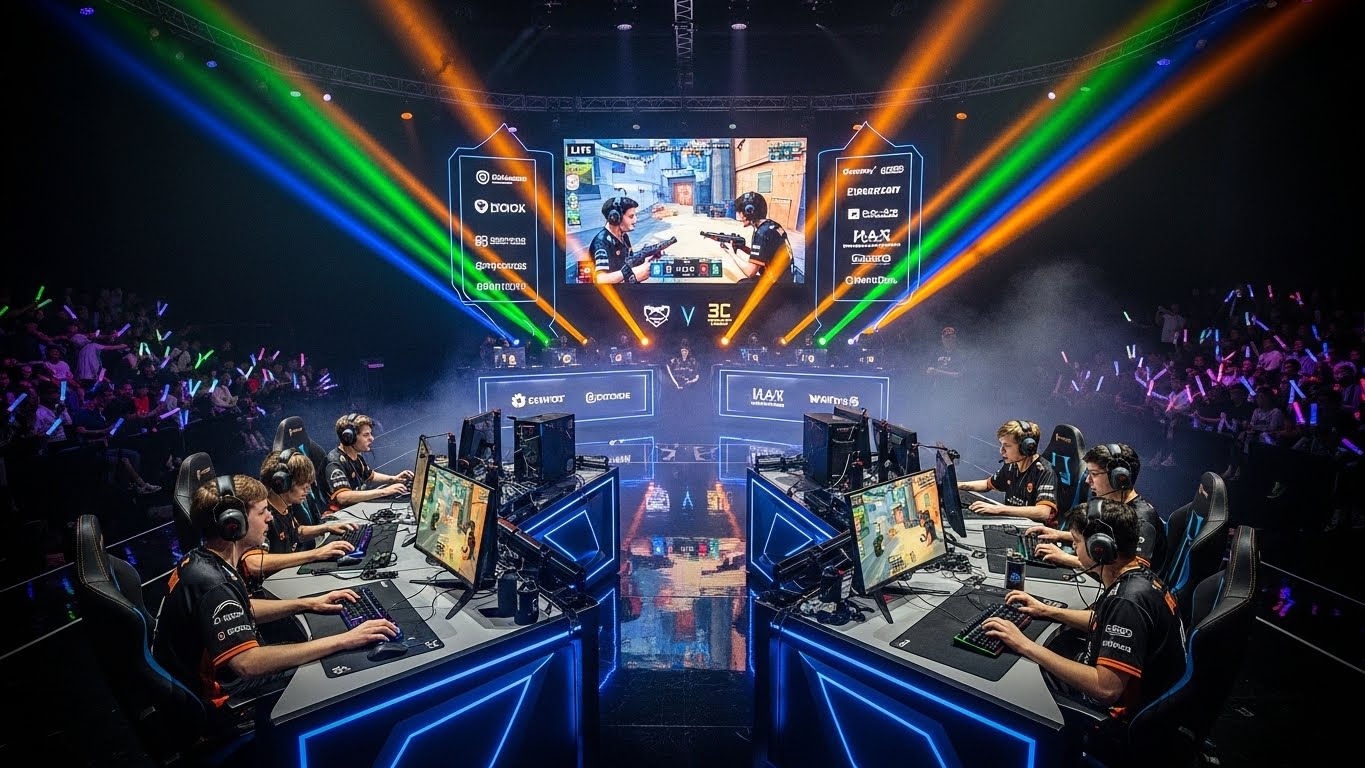
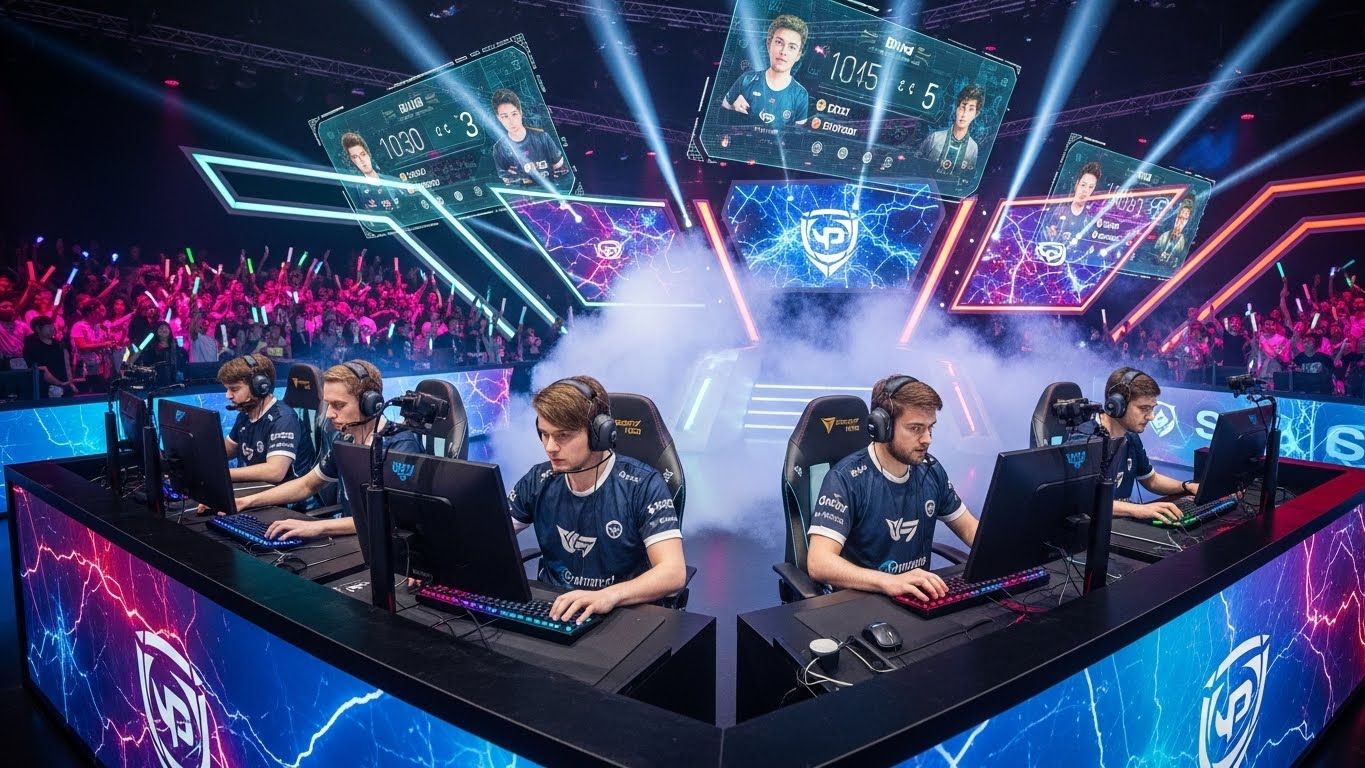
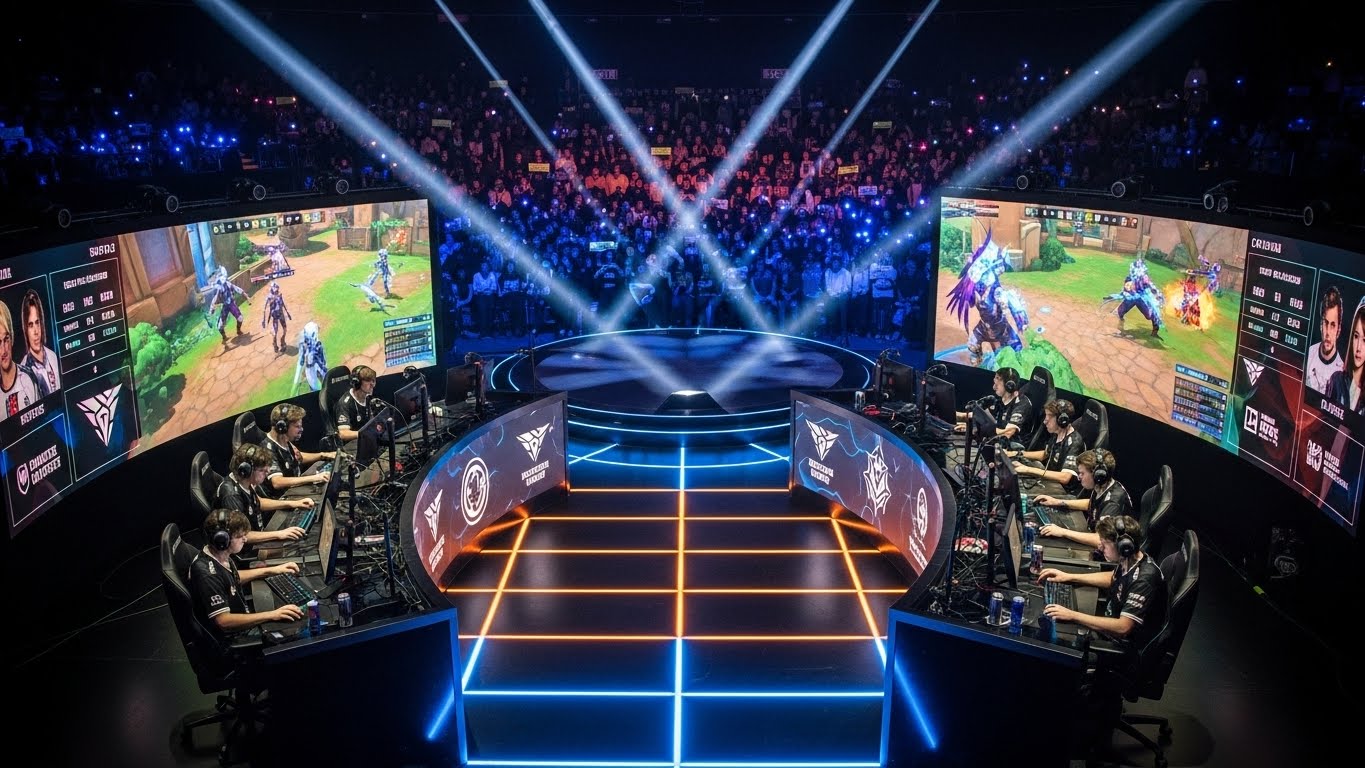
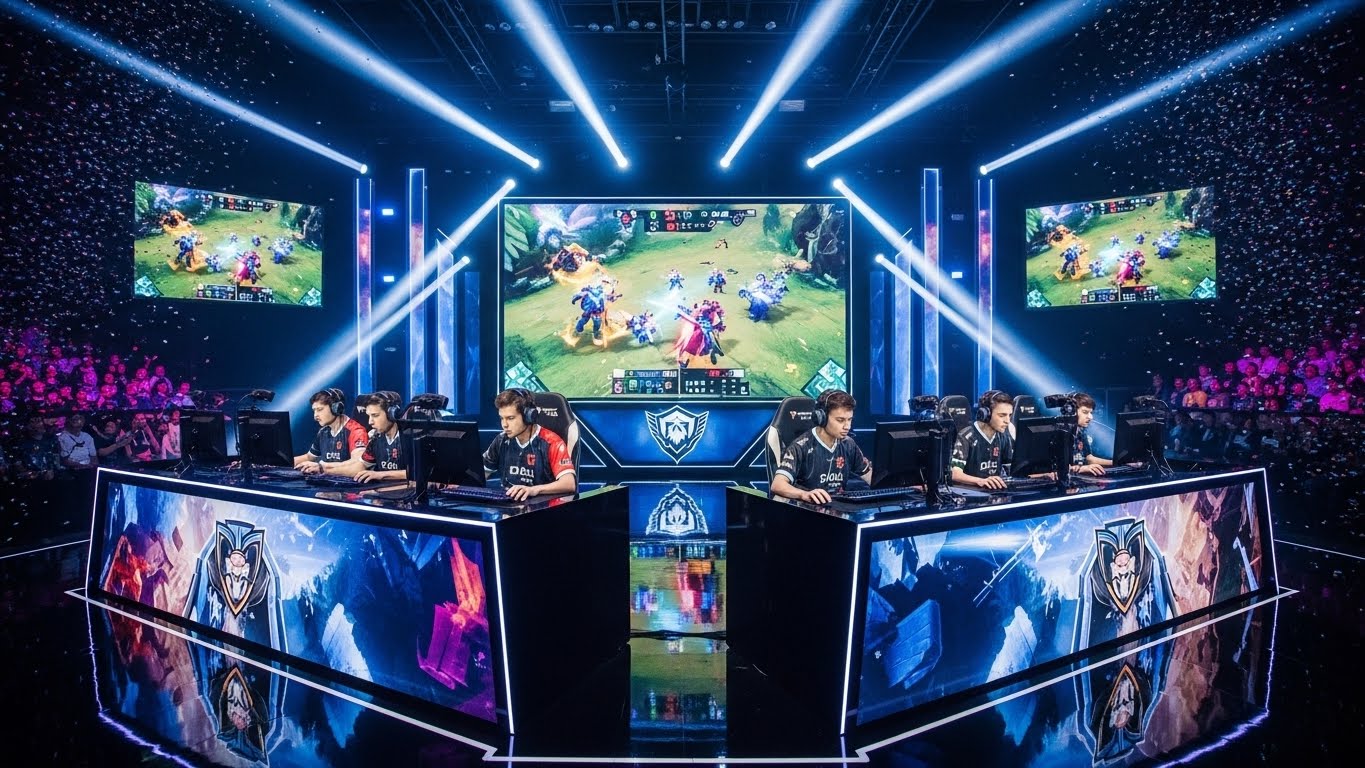
Esports, or electronic sports, has grown from a small-scale hobby into a global entertainment phenomenon over the past two decades. What began as informal competitions among friends and local gaming communities has now become a highly organized industry, complete with professional teams, coaches, analysts, sponsors, and worldwide tournaments. Millions of fans tune in online and in-person to watch professional gamers compete for prize money, glory, and recognition. The rise of esports has not only transformed the gaming industry but also influenced culture, technology, and entertainment worldwide.
The Early Days of Esports
The roots of esports trace back to the 1970s and 1980s when video games started gaining popularity in arcades. Players competed in high-score contests for games like Space Invaders and Pac-Man, earning recognition among local communities. These early competitions were small and informal, driven primarily by the love of gaming rather than financial rewards.
In the 1990s, esports began to take a more structured form with the advent of local area network or LAN parties. Players would connect computers within a single location to compete in real-time, multiplayer games such as Doom, Quake, and StarCraft. These events fostered the first competitive gaming communities, allowing players to showcase their skills and interact with other enthusiasts. LAN competitions were a critical stepping stone toward professional esports, providing a foundation for organized gameplay and tournament formats.
The Internet Era and Online Competition
The 2000s brought a revolution to competitive gaming as internet connectivity became widespread. Online multiplayer games enabled players from around the world to compete against one another, expanding esports beyond local communities. Titles like Counter-Strike, Warcraft III, and DotA gained immense popularity for their competitive nature, offering opportunities for strategy, teamwork, and skill mastery.
Online platforms allowed players to practice more efficiently, join professional teams, and participate in structured tournaments. This era also marked the beginning of international competition, where players could face opponents from different countries, creating a global esports culture. The online era transformed gaming from a hobby into a potential career path for skilled players.
The Professionalization of Esports
By the 2010s, esports had become a professional industry. The introduction of major tournaments with substantial prize pools transformed competitive gaming into a legitimate career for top players. Games such as League of Legends, Dota 2, and Counter-Strike: Global Offensive became synonymous with professional esports, attracting players, sponsors, and fans worldwide.
One landmark event in esports history was Dota 2’s The International tournament, which offered prize pools exceeding ten million dollars. Such events demonstrated that esports could sustain professional athletes and established it as a competitive field comparable to traditional sports. The professionalization of esports also brought structured training, coaching, and team management, mirroring the systems used in football, basketball, and other sports.
The Role of Streaming and Media
A critical factor in the growth of esports has been the rise of live streaming platforms. Services like Twitch and YouTube Gaming allow fans to watch tournaments and gameplay in real time, interact with streamers, and follow their favorite teams and players. Streaming platforms also provide opportunities for amateur players to gain recognition, share strategies, and build fan bases.
Media coverage has expanded beyond streaming. Television networks, online publications, and social media now cover esports events extensively, increasing visibility and mainstream acceptance. The presence of esports in media has legitimized competitive gaming as a recognized form of entertainment, helping to attract sponsorships and investment from global brands.
The Esports Ecosystem
Esports is supported by a complex ecosystem that includes players, teams, organizers, sponsors, and fans. Each component is critical to the industry’s growth and sustainability.
Players and Teams
Players are the centerpiece of esports. Professional players dedicate hours of daily practice, strategic analysis, and team coordination to stay competitive. Teams provide structure, coaching, and support, helping players perform at the highest level. They also represent organizations in national and international leagues, contributing to fan loyalty and team branding.
Tournament Organizers
Game developers and tournament organizers are essential for creating competitive platforms. Companies like Riot Games, Valve, and Blizzard design leagues and events, ensuring fair competition and engaging formats. Third-party organizers also host tournaments, manage logistics, and broadcast events to global audiences.
Sponsors and Brands
Sponsorships are crucial for financial stability. Technology companies, energy drinks, apparel brands, and other businesses invest in esports to reach younger audiences. Sponsors support teams, fund events, and provide resources for marketing, training, and development, ensuring the sustainability of the industry.
Fans and Communities
Fans drive the esports culture. Millions watch live events, engage on social media, attend competitions, and participate in online communities. Fan engagement fosters loyalty, strengthens player reputations, and fuels the growth of esports as both entertainment and culture.
The Cultural Impact of Esports
Esports has significantly influenced global culture. It has redefined gaming as a legitimate career path, with scholarships, professional programs, and coaching opportunities available worldwide. Competitive gaming also emphasizes teamwork, strategic thinking, and problem-solving, skills applicable in many aspects of life.
Esports has created international communities, connecting players and fans across borders. Tournaments allow players from diverse backgrounds to compete and collaborate, fostering inclusivity and cultural exchange. Women and underrepresented groups are increasingly making their mark in esports, helping to break down traditional barriers and encourage diversity within gaming.
Technological Innovations in Esports
Technology plays a pivotal role in the evolution of esports. High-speed internet, advanced graphics, and streaming capabilities allow fans to experience competitions in real time with unprecedented clarity. Virtual reality and augmented reality technologies are beginning to influence gameplay and viewing experiences, offering more immersive engagement.
Data analytics and artificial intelligence have also transformed strategy and training. Teams analyze gameplay metrics to improve performance, optimize strategies, and gain competitive advantages. This professional approach mirrors analytics in traditional sports, demonstrating the increasing sophistication of esports management.
Challenges Facing the Industry
Despite its success, esports faces challenges. Players experience physical and mental strain due to long hours of training and high-pressure competition. Burnout, repetitive strain injuries, and stress are common concerns, prompting organizations to implement wellness programs and psychological support.
Regulation is another challenge. Maintaining fair play, preventing cheating, and standardizing contracts are essential for credibility. Additionally, esports must continue to gain mainstream acceptance among older demographics to achieve broader cultural integration.
The Future of Esports
The future of esports is promising. Technological advancements, including VR and AR, will redefine gameplay and fan experiences. Streaming and broadcasting innovations will allow for greater interactivity and immersion. Esports may also expand into new markets and demographics, inspiring the next generation of players and fans.
Discussions about including esports in events like the Olympic Games reflect its growing recognition as a legitimate competitive field. While controversial, it highlights the skill, dedication, and global appeal of esports athletes. Furthermore, esports will continue to influence lifestyle, fashion, and entertainment, solidifying its place as a cultural phenomenon.
Conclusion: Esports as a Mainstream Force
Esports has evolved from casual gaming competitions to a billion-dollar global industry with professional athletes, massive fan engagement, and cultural significance. Its growth is fueled by technological innovation, media exposure, and community support. Competitive gaming has redefined what it means to be an athlete, entertainer, and fan in the digital age.
The journey of esports is ongoing. As technology advances, cultural acceptance grows, and fan engagement deepens, esports will continue to rise as a dominant force in entertainment. It is no longer a passing trend but a permanent fixture in the world of sports, culture, and digital innovation. The era of esports is here, and it shows no signs of slowing down.