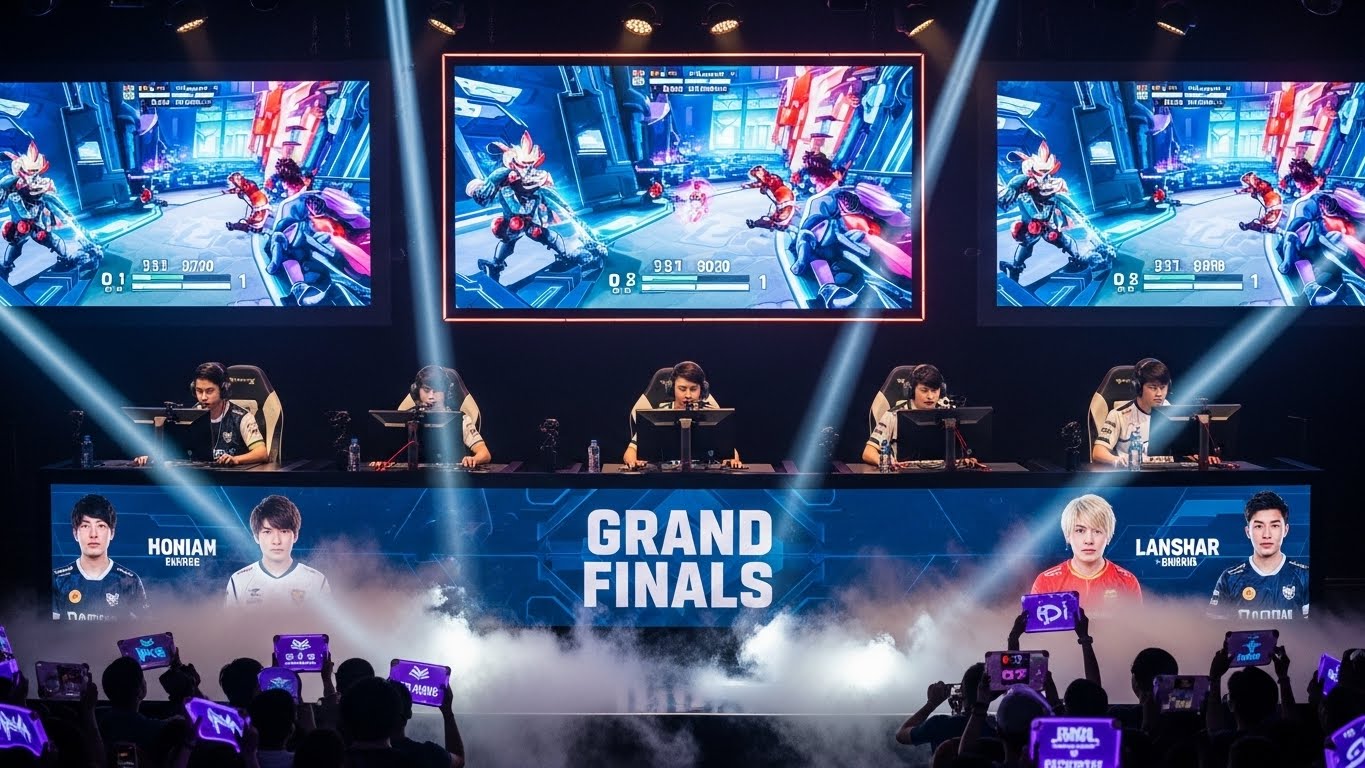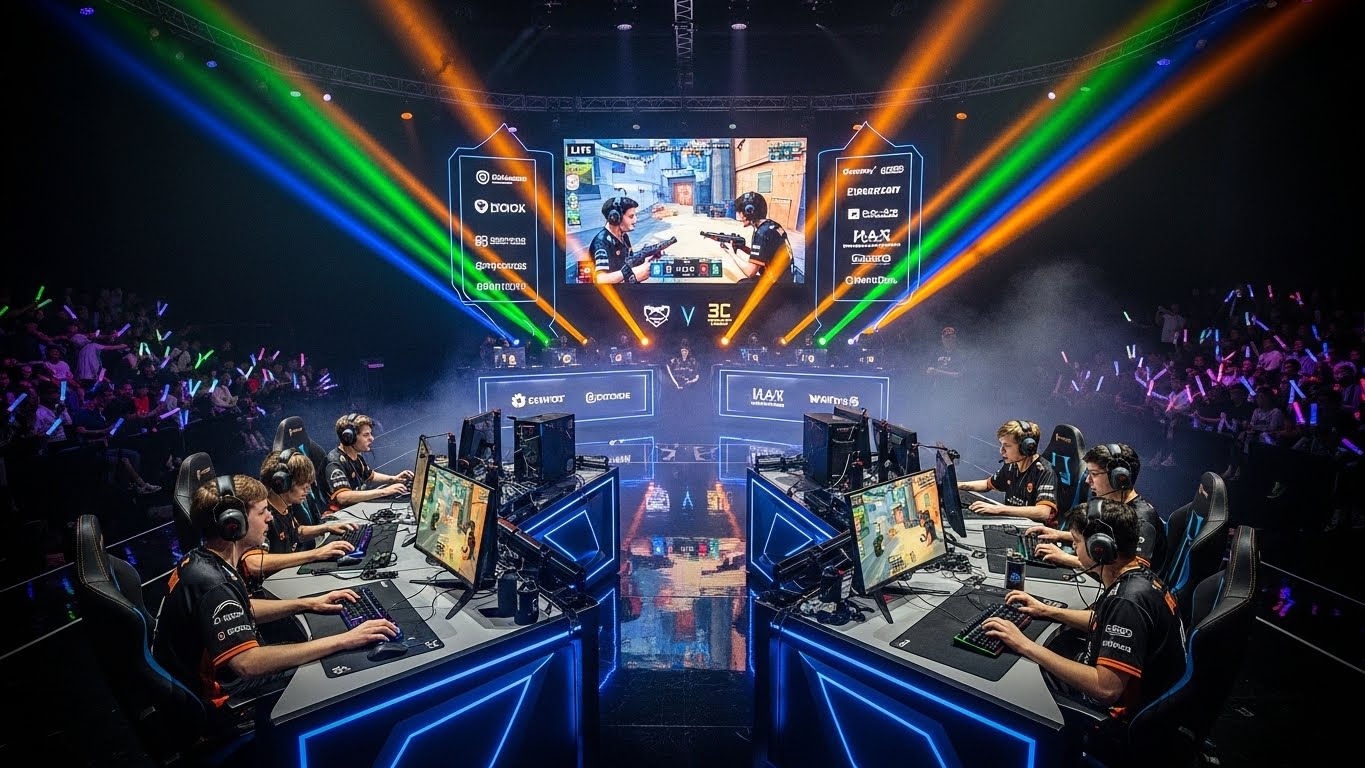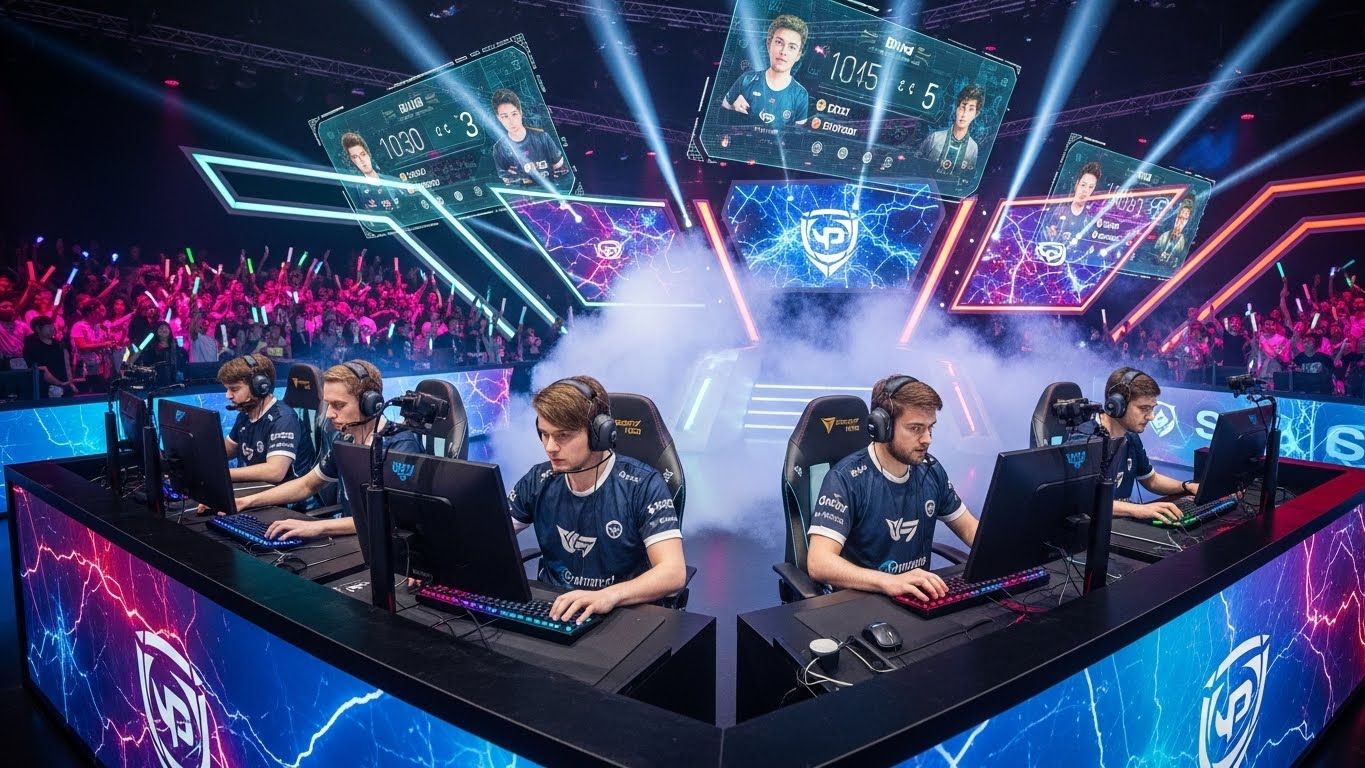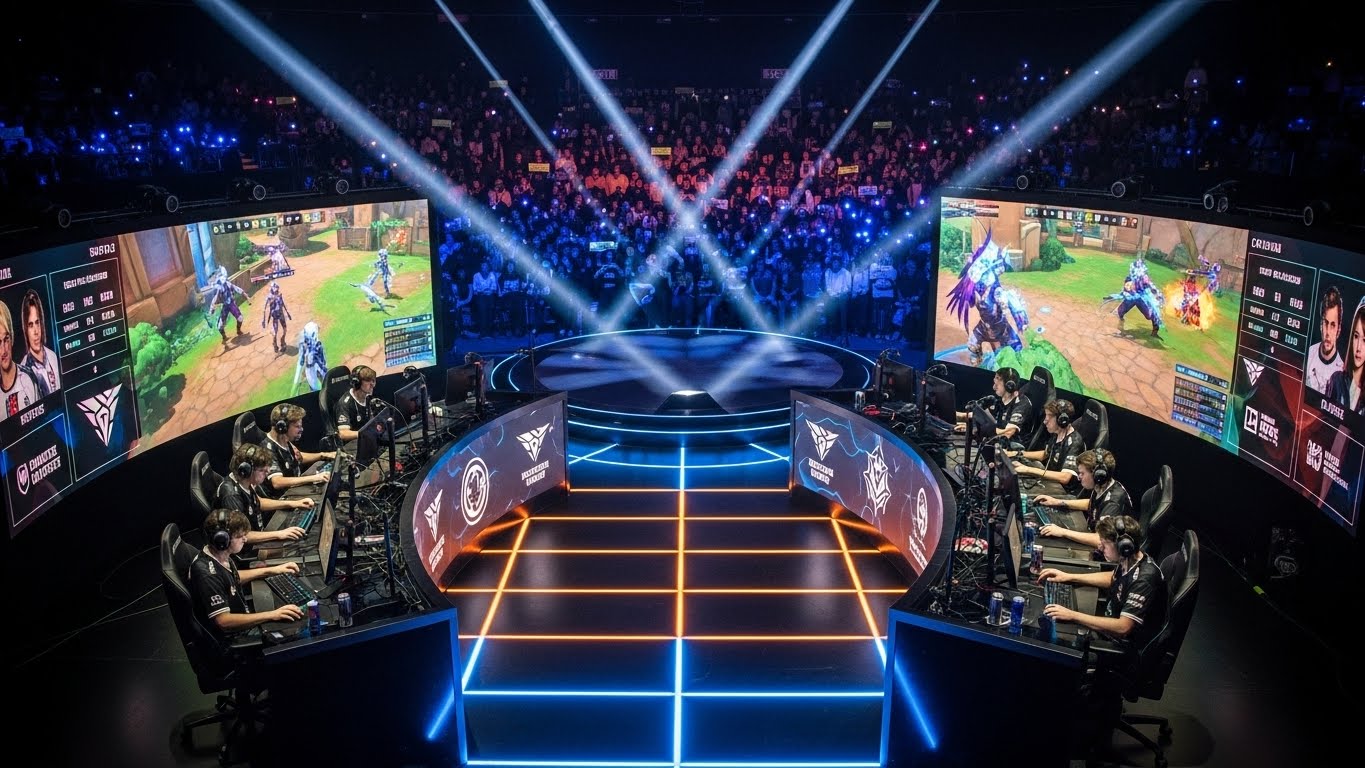
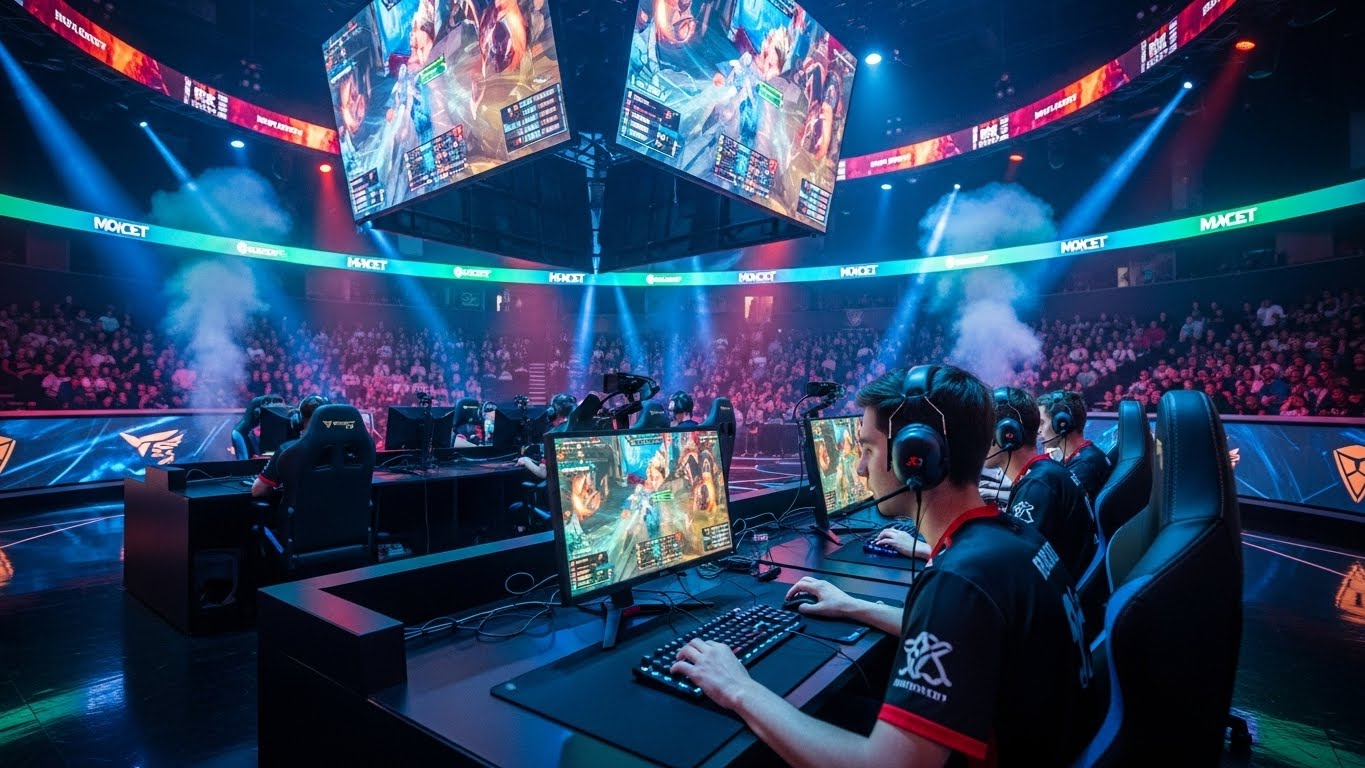
The world of gaming has evolved dramatically over the past few decades. What once began as casual entertainment has transformed into a global phenomenon known as eSports. Competitive gaming, or eSports, has grown into a multi-billion-dollar industry, attracting millions of players and viewers worldwide. With professional teams, sponsorship deals, and major tournaments, eSports is no longer just a hobby; it is a legitimate sport, a career path, and a cultural movement. This article delves into the rise of eSports, its impact on society, the business behind it, and what the future holds.
Understanding eSports
eSports, short for electronic sports, refers to organized, competitive gaming where players compete individually or in teams. Unlike traditional video gaming, which is often casual, eSports involves structured competition, rules, and professional standards. Games in the eSports arena span various genres, including multiplayer online battle arenas, first-person shooters, real-time strategy games, fighting games, and sports simulations.
Professional eSports competitions are held both online and offline, drawing large audiences who watch live streams or attend events in stadiums. These competitions often feature prize pools, sponsorships, and global recognition, making eSports a serious pursuit for skilled gamers.
The History of eSports
While competitive gaming has roots dating back to arcade tournaments in the 1970s and 1980s, modern eSports gained traction in the late 1990s and early 2000s with the rise of online multiplayer games. Games such as StarCraft, Counter-Strike, and Warcraft laid the foundation for competitive gaming communities.
The emergence of live streaming platforms in the 2010s accelerated the growth of eSports. Platforms allowed players to broadcast gameplay to global audiences, creating fan bases and professional opportunities. High-profile tournaments, such as the League of Legends World Championship and Dota 2’s The International, solidified eSports as a mainstream entertainment and competitive arena.
Popular eSports Genres
eSports encompasses a wide variety of game genres, each with unique competitive structures and audience appeal.
- Multiplayer Online Battle Arenas (MOBAs): Games like League of Legends and Dota 2 are team-based strategy games that require coordination, strategy, and skill. MOBAs are known for their complex gameplay and large competitive scenes.
- First-Person Shooters (FPS): Games such as Counter-Strike, Call of Duty, and Valorant focus on precision, reflexes, and teamwork. FPS games are among the most watched and played eSports genres.
- Real-Time Strategy (RTS): RTS games like StarCraft demand strategic planning, resource management, and quick decision-making, testing players’ mental agility.
- Fighting Games: Titles like Street Fighter and Tekken showcase one-on-one skill-based competitions, emphasizing reflexes, combos, and tactics.
- Sports Simulations: Games such as FIFA and NBA 2K replicate real-world sports, combining strategy and familiarity with traditional athletic competition.
Each genre attracts different audiences and requires distinct skill sets, contributing to the diversity and appeal of eSports.
The Global Growth of eSports
The global eSports industry has experienced exponential growth, with revenue coming from sponsorships, advertising, merchandise, ticket sales, and streaming. Asia, particularly South Korea and China, has historically been a hub for eSports due to strong gaming cultures and infrastructure. South Korea’s professional gaming scene has produced famous players and established structured leagues that inspired global models.
North America and Europe have seen rapid growth in eSports viewership and investment. Major tournaments, corporate sponsorships, and media coverage have helped eSports gain recognition as a legitimate form of competitive entertainment. The accessibility of online platforms has allowed eSports to reach audiences in regions previously untapped, creating a truly global phenomenon.
eSports as a Career
Professional eSports players, coaches, analysts, and content creators have emerged as part of a rapidly expanding career ecosystem. Successful players often sign contracts with professional teams, receive salaries, and compete in international tournaments. Top eSports players can earn substantial income through prize winnings, sponsorship deals, and streaming revenue.
In addition to players, careers in eSports include casting, event management, content creation, marketing, and game development. Universities and colleges have also begun offering scholarships and programs for aspiring eSports professionals, further legitimizing competitive gaming as a career path.
The Role of Streaming Platforms
Streaming platforms have revolutionized eSports by connecting players and audiences globally. Platforms allow viewers to watch live tournaments, follow favorite players, and engage with communities through chat and interactive features. Popular streamers have become celebrities, influencing gaming culture and trends.
Live streaming has also enabled amateur players to showcase their skills and potentially enter the professional scene. The accessibility and interactivity of streaming have been instrumental in building the eSports ecosystem and fostering community engagement.
Sponsorships and Brand Involvement
Corporate sponsorships play a crucial role in the growth of eSports. Major brands invest in teams, tournaments, and individual players to reach younger, tech-savvy audiences. Sponsorships provide financial stability to professional teams and help fund large-scale events.
Brand involvement has also extended to merchandising, co-branded products, and collaborations with game developers. The symbiotic relationship between brands and eSports has elevated the industry’s profile and provided sustainable economic growth.
Social and Cultural Impact
eSports has transformed social dynamics and culture in multiple ways. It provides a sense of community, bringing together players and fans who share a passion for gaming. Online forums, fan groups, and live events create spaces for interaction, collaboration, and collective celebration.
Culturally, eSports has helped reshape perceptions of gaming. Once seen as a solitary or niche activity, gaming is now recognized as a legitimate form of entertainment and competition. eSports has also influenced fashion, music, and media, as game-themed content becomes integrated into broader cultural trends.
Mental and Physical Considerations
While eSports offers numerous benefits, such as cognitive skill development, strategic thinking, and teamwork, it also presents challenges. Extended gaming sessions can lead to physical strain, eye fatigue, and musculoskeletal issues. Maintaining a balance between gaming and health is crucial for professional players.
Mental resilience is equally important. Competitive pressure, public scrutiny, and long hours of practice can lead to stress and burnout. Many teams now employ psychologists, nutritionists, and fitness coaches to support players’ well-being, highlighting the professionalization of eSports.
The Future of eSports
The future of eSports is bright and full of potential. Emerging technologies such as virtual reality and augmented reality promise more immersive competitive experiences. Cloud gaming and faster internet connectivity will allow players to compete at higher levels regardless of geographical limitations.
Integration with traditional sports, entertainment, and media platforms is likely to increase. Collaborative events, cross-platform tournaments, and interactive fan experiences will continue to expand eSports’ reach. As recognition grows, eSports may even become a part of global sporting events, further bridging the gap between digital and physical competition.
Challenges Ahead
Despite its success, eSports faces challenges. Regulatory frameworks are still developing, particularly regarding age restrictions, fair competition, and gambling. Issues related to online harassment, cheating, and toxicity in gaming communities require ongoing attention.
Monetization and sustainability are also considerations. While the industry generates significant revenue, maintaining consistent growth and ensuring fair compensation for players and staff remain priorities. Addressing these challenges will be critical to securing the long-term success of eSports.
Conclusion
eSports has transformed from a niche hobby into a global entertainment and competitive industry. Its growth has been driven by technological innovation, community engagement, and professionalization. eSports offers opportunities for players, content creators, brands, and audiences to connect and thrive in a dynamic digital landscape.
As the industry continues to evolve, it will redefine the meaning of sports, competition, and entertainment. With expanding global reach, technological advancements, and increasing cultural recognition, eSports is poised to remain at the forefront of modern entertainment. Competitive gaming is no longer just a pastime—it is a lifestyle, a career, and a powerful cultural movement that continues to shape the digital era.
The eSports revolution demonstrates the potential of gaming to inspire, connect, and entertain on a global scale, highlighting the unique combination of skill, strategy, and community that defines competitive digital sports.