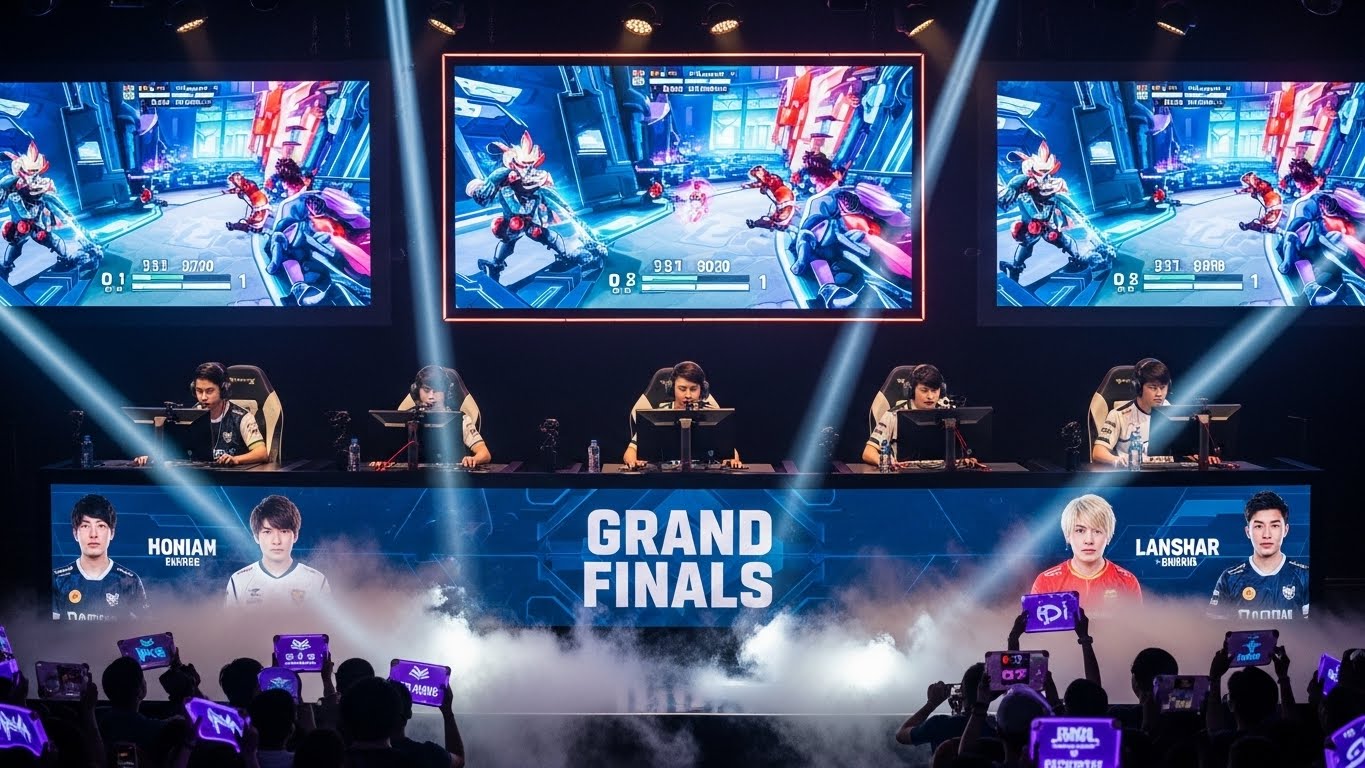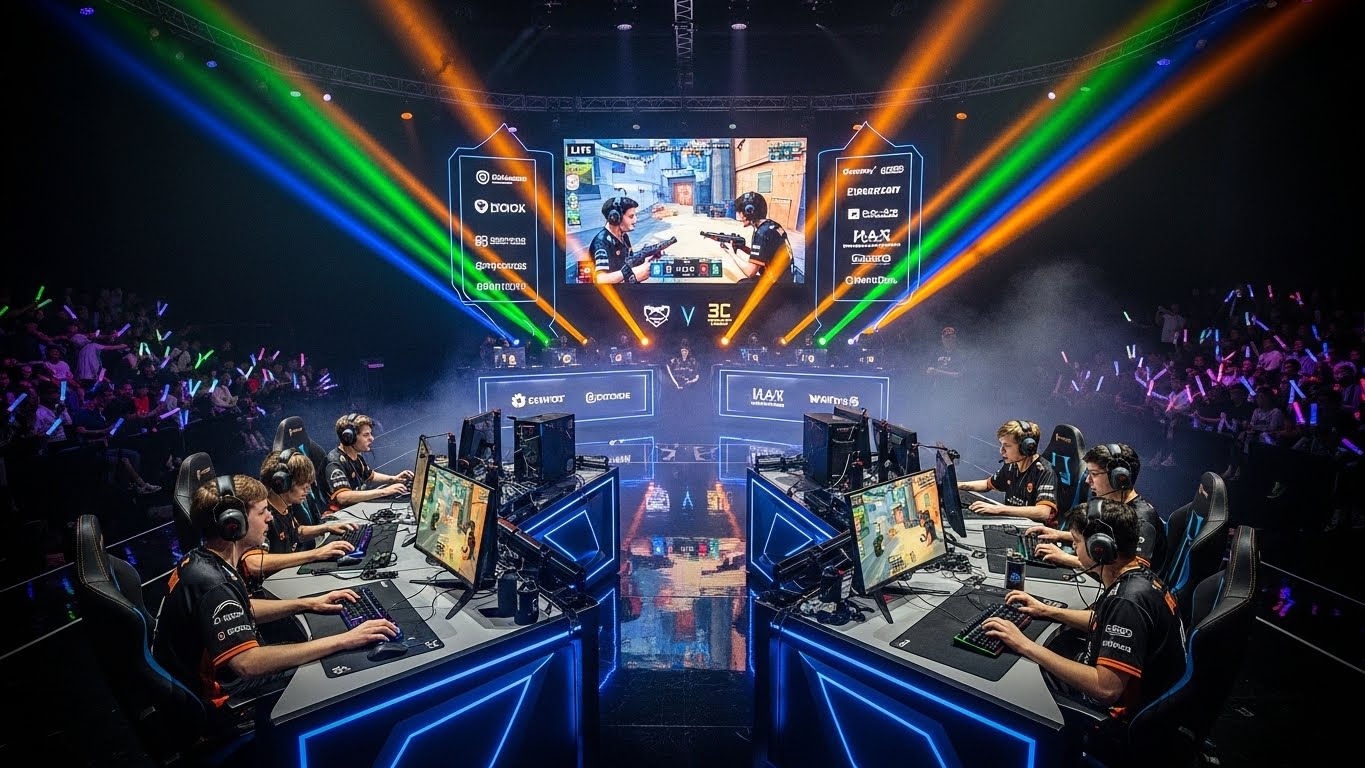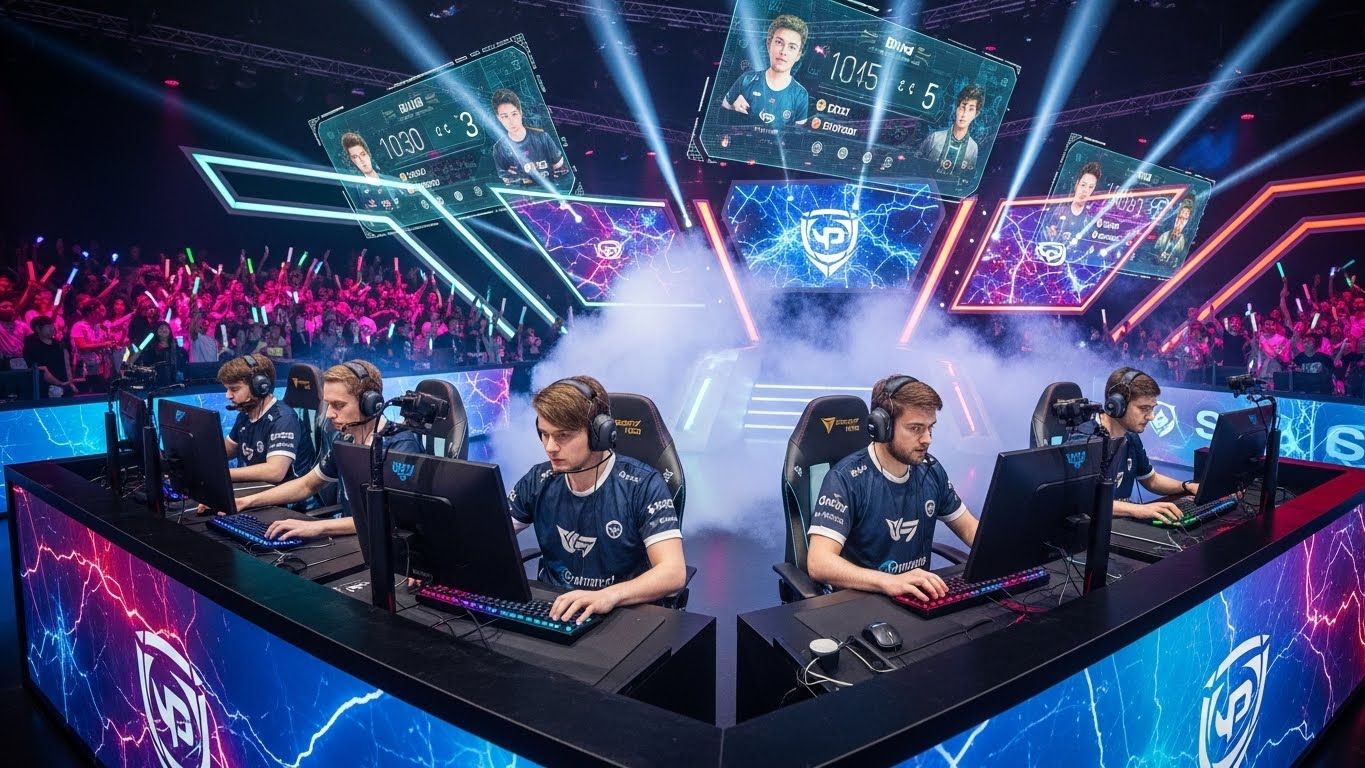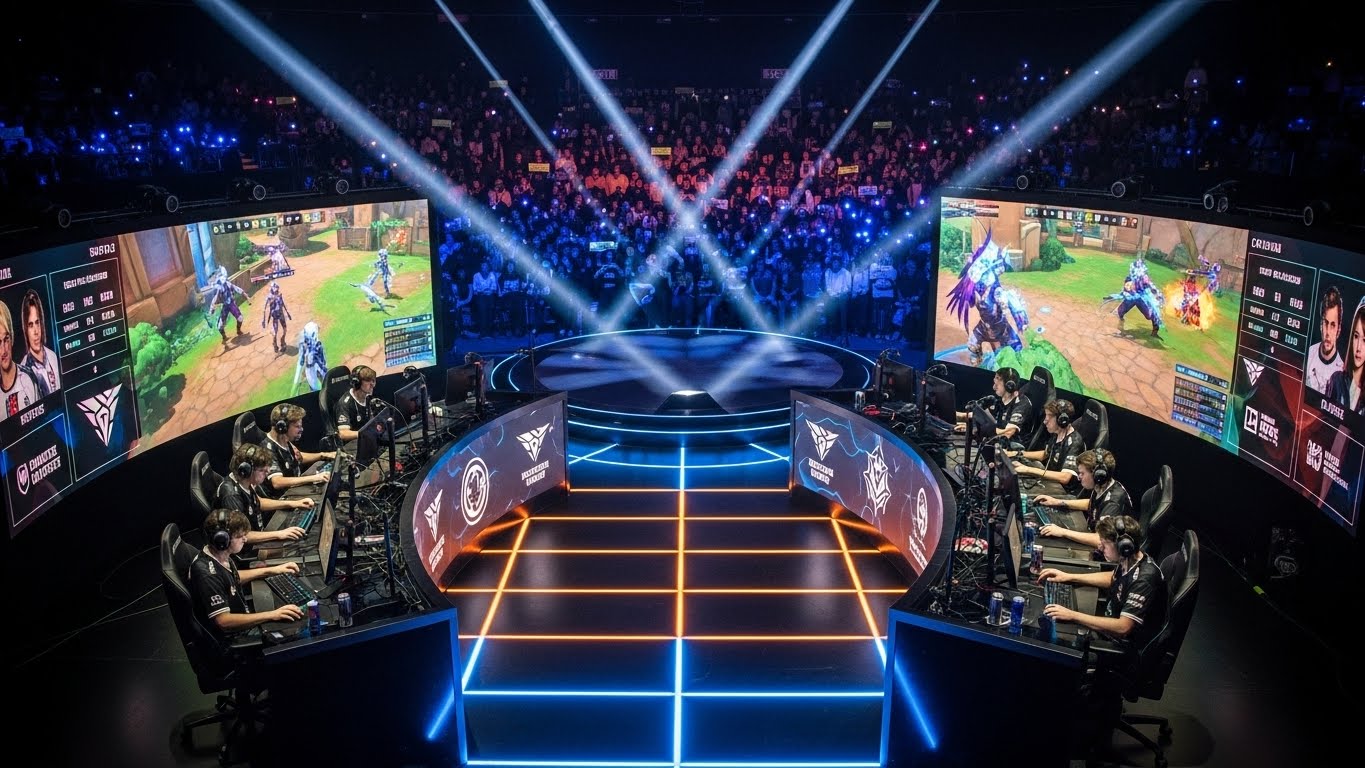
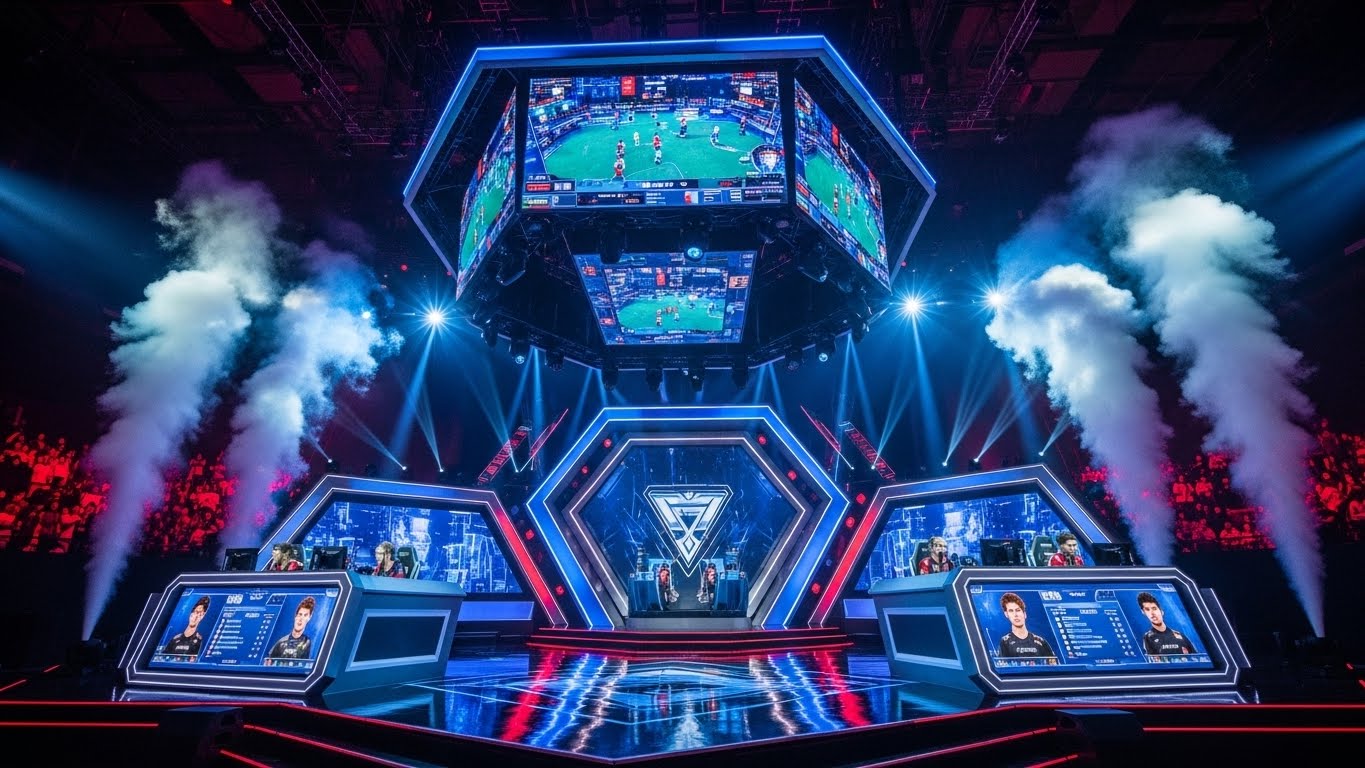
Esports, once considered a niche hobby, has rapidly evolved into one of the most significant forms of entertainment in the world. What started with small gatherings in arcades and living rooms has now transformed into a global industry with millions of fans, multi-million-dollar sponsorships, and players who are treated like athletes. As video games become an integral part of culture and society, esports continues to push the boundaries of what competitive gaming can be. But how did we get here, and what does the future hold for this explosive industry? Let’s dive in and explore the various aspects of esports—from its origins and current success to its massive impact on entertainment and culture.
The Origins of Esports: From Casual Play to Global Competitions
Esports, short for electronic sports, refers to organized, multiplayer video game competitions, particularly between professional players, individually or as teams. While competitive gaming has existed in some form since the early days of video games, the modern concept of esports began to take shape in the late 1990s and early 2000s.
In the beginning, gaming competitions were often small, local events held in arcades or on LAN (Local Area Network) networks. These informal competitions allowed players to face off against each other, but they were largely disconnected from the world at large. However, as the internet grew in popularity, gaming culture began to change. Multiplayer games like StarCraft, Quake, and Warcraft III allowed players from across the world to connect and compete against one another. The first major esports tournaments started to emerge, offering both a stage for competitive players and an audience eager to watch them.
One of the most significant events in the history of esports was the creation of the World Cyber Games in 2000. This international competition helped to solidify esports as a global phenomenon, and it set the stage for the large-scale tournaments and professional leagues we see today. With the rise of online gaming platforms and streaming services like Twitch, esports rapidly expanded in both scope and popularity, eventually becoming an industry worth billions of dollars.
Key Drivers of Esports Growth
Several key factors have contributed to the growth of esports, making it one of the fastest-growing sectors of the entertainment industry. These include technological advancements, the rise of streaming platforms, and changing perceptions of gaming as a legitimate career path.
The Role of Technology
Technological advancements have played a huge role in the growth of esports. Early gaming was restricted by the limitations of hardware and internet connections, making it difficult to host competitive games at a high level. However, with the advent of high-speed internet and powerful gaming consoles and PCs, players were able to compete online without lag or performance issues.
Games themselves also became more sophisticated, offering rich multiplayer experiences and better graphics. Titles like League of Legends, Dota 2, and Counter-Strike: Global Offensive became staples in the esports scene due to their complex strategies and intense competitive gameplay. These games were designed to be accessible for casual players but deep enough for professionals to master, providing a perfect foundation for esports competitions.
Moreover, streaming technology allowed fans to watch these events in real-time, democratizing access to esports. No longer confined to the live audience of a tournament, viewers could now tune in from anywhere in the world, contributing to the growth of esports as a spectator sport.
The Streaming Revolution
Perhaps one of the most influential factors in the rise of esports is the emergence of live streaming platforms. Twitch, which was launched in 2011, revolutionized how fans could engage with their favorite players, teams, and games. It created a space where gamers could stream their gameplay live, interact with their audience through chat, and build communities around their content. This interaction between streamers and their fans helped build a unique connection and engagement that set esports apart from traditional sports.
The accessibility of platforms like YouTube Gaming and Facebook Gaming further amplified esports’ reach, giving even more players and teams the opportunity to showcase their skills. Esports fans could now follow their favorite players daily, watch practice sessions, and engage with content creators in ways that were previously unheard of.
Esports as a Career
Another key driver of esports growth is the increasing recognition of gaming as a legitimate career. In the early days of competitive gaming, players were mostly amateurs who competed for fun and small prizes. However, as esports gained more exposure and sponsorship, the prospect of making a living from playing video games became a reality. Professional players today sign lucrative contracts, receive sponsorships, and win significant prize money from competitions.
In fact, esports has become so professionalized that some of the best players are treated like athletes in traditional sports. They train for hours a day, have team coaches, analysts, and even psychologists to improve their mental performance. The competitive landscape has also opened up new job opportunities in various sectors, including event management, broadcasting, content creation, and marketing.
Universities are beginning to recognize esports as a legitimate career path as well, with scholarships being offered to talented players and the establishment of esports programs at academic institutions. This has made gaming an attractive option for students who are passionate about gaming and want to turn it into a career.
The Structure of Esports: Teams, Leagues, and Tournaments
Esports has evolved into a highly organized industry with a complex structure. Professional teams, major leagues, and massive tournaments are the pillars on which the industry rests. Let’s break down the major components of this ecosystem.
Professional Esports Teams
Professional esports teams are the backbone of the industry. These teams consist of highly skilled players who specialize in particular games. The most successful teams have a combination of individual talent, strategy, and team chemistry. Some of the biggest esports organizations in the world, such as Cloud9, Team Liquid, and Fnatic, field teams in multiple games, ranging from League of Legends to Valorant to Counter-Strike.
Each team typically signs players under contract, paying them a salary and providing support services like coaches, analysts, and marketing teams. The goal is not just to win tournaments but to create a brand that resonates with fans and sponsors alike.
Esports Leagues and Tournaments
Esports tournaments and leagues are where the best teams face off for prizes, glory, and sponsorship deals. Major games have their own leagues, such as the League of Legends Championship Series (LCS), the Overwatch League (OWL), and the Call of Duty League (CDL). These leagues operate like traditional sports leagues, with regular seasons, playoffs, and finals.
Tournaments, on the other hand, are one-off events where teams from all over the world compete for massive cash prizes. The Dota 2 International is perhaps the most well-known example, with prize pools reaching over $40 million in recent years. Other significant tournaments include The League of Legends World Championship and the Intel Extreme Masters series.
These events are often broadcast live on streaming platforms, with commentators and analysts providing expert insight into the action. The larger tournaments can attract millions of viewers, both online and in person.
Sponsorships and Partnerships
Sponsorships are crucial to the financial success of esports. Like traditional sports, esports attracts sponsorships from major brands, ranging from gaming companies and hardware manufacturers to non-endemic brands like Coca-Cola, Mercedes-Benz, and Red Bull. These sponsors provide financial backing in exchange for advertising opportunities and brand exposure during tournaments and team events.
The growth of esports has also led to new business models, including merchandise sales, ticket sales for live events, and media rights deals. These revenue streams have helped esports teams and event organizers turn competitive gaming into a sustainable business.
Esports: A Cultural Phenomenon
Esports has become more than just a competitive activity; it has evolved into a cultural phenomenon that has captured the imaginations of millions. It has changed the way people think about gaming, entertainment, and even community.
Global Reach and Diverse Audiences
One of the defining features of esports is its global reach. Players from different parts of the world can compete on an equal footing, thanks to online platforms. Countries like South Korea, China, and the United States have long been strongholds of esports, but the rise of the internet and international tournaments has brought new regions into the fold. In fact, esports is now enjoyed in almost every country, with massive followings in places like Europe, Southeast Asia, and Latin America.
This global nature of esports has helped foster a diverse audience. Fans from different cultures and backgrounds come together to support their favorite players and teams, creating a sense of community that transcends geographic borders. Esports is, in many ways, a universal language—one that connects people through their shared passion for gaming.
The Social and Emotional Impact of Esports
Esports has created a space for people to connect, not just through gaming, but through social interactions and emotional experiences. Fans form online communities, engage in discussions about their favorite teams, and follow players’ careers over years. The emotional highs and lows of esports, whether it’s a dramatic comeback or a crushing defeat, provide fans with a sense of connection and belonging.
For players, the experience of competing at the highest level can be just as emotional. Many esports athletes speak about the pressure, the dedication, and the sacrifices required to succeed. And when they do achieve success—whether it’s a tournament victory or reaching a milestone in their career—the emotional impact is profound.
The Future of Esports
The future of esports is bright, with more opportunities and potential for growth than ever before. The industry is still evolving, and as technology advances, the way we experience esports is bound to change. Innovations in virtual reality, augmented reality, and interactive media could provide fans with more immersive experiences, allowing them to feel like they are part of the action.