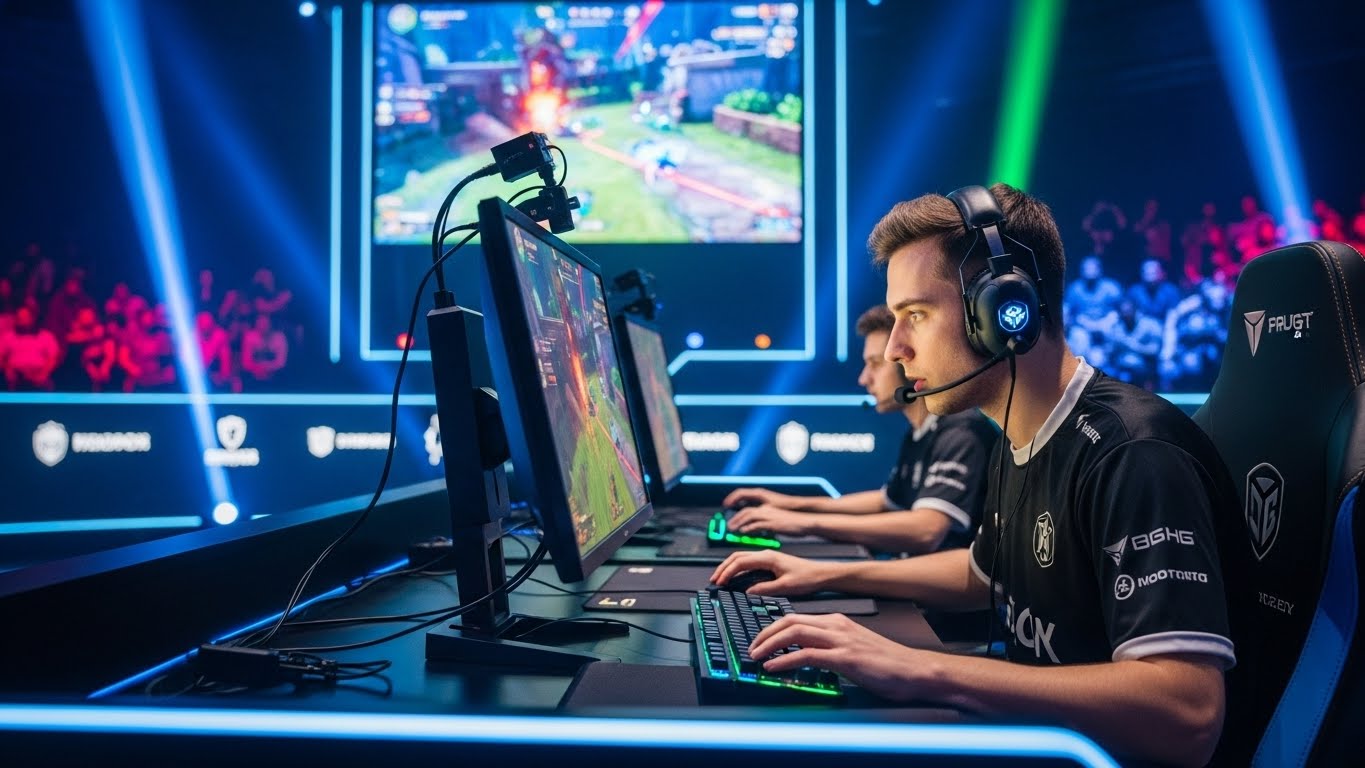
Introduction: The Rise of a Digital Phenomenon
In the past decade, a new form of competition has captured the attention of millions worldwide. Esports, short for electronic sports, has grown from small-scale gaming tournaments to a global entertainment powerhouse. It is no longer just a hobby for a niche community of gamers; it has become a legitimate industry with professional players, sponsorships, massive audiences, and even university scholarships. The rise of esports signifies a profound cultural and technological shift in how people engage with competition, media, and entertainment.
This blog explores the journey of esports, its cultural impact, the lives of professional players, the business dynamics, challenges it faces, and the future that lies ahead.
The Origins of Esports: From Arcades to Professional Leagues
Esports’ history can be traced back to the 1970s and 1980s when video game arcades became a hub for competitive play. Early tournaments revolved around achieving high scores, and while these competitions were informal, they planted the seeds of organized gaming. The 1990s brought more structured competitions, particularly in strategy and first-person shooter games. Titles like StarCraft and Counter-Strike became foundational in creating communities and professional competitive scenes, particularly in South Korea, where gaming began to be treated as a serious career.
By the early 2000s, esports started gaining global attention. Gaming tournaments were broadcast on television, and dedicated esports leagues emerged. With the rise of high-speed internet and online multiplayer games, esports evolved into a global phenomenon, paving the way for events that attract millions of viewers worldwide.
Why Esports Has Become a Global Sensation
Esports has experienced unprecedented growth, outpacing many traditional sports in engagement and revenue generation. Several factors explain this meteoric rise:
Accessibility and Inclusivity
Unlike traditional sports, esports does not require physical strength, stadiums, or expensive gear beyond a basic computer or console. This accessibility allows people of all ages, genders, and physical abilities to participate, leveling the playing field and expanding its global reach.
Online Communities and Fan Engagement
The gaming community is inherently social. Players share tips, strategies, and experiences, often forming long-lasting friendships. Online platforms and social media have amplified this connectivity, allowing fans to follow their favorite players, interact with streamers, and participate in events virtually, fostering a sense of belonging that traditional sports cannot always replicate.
Streaming Platforms and Instant Access
The rise of streaming platforms has revolutionized esports. Fans no longer have to wait for scheduled broadcasts on television; they can watch live matches, interact with players, and even view behind-the-scenes content. This immediate access strengthens the connection between fans and players, making esports highly engaging and interactive.
Strategic Depth and Skill
Esports titles demand quick reflexes, sharp decision-making, teamwork, and strategic thinking. Games like Dota 2, League of Legends, and Valorant require intense mental focus, much like chess combined with high-speed athleticism. Fans admire the skill and strategy involved, which elevates esports from mere entertainment to a highly respected competitive pursuit.
Financial Incentives and Sponsorships
The introduction of lucrative prize pools and sponsorship deals has fueled professional competition. Top tournaments now offer millions in prize money, drawing skilled players to pursue esports careers. Sponsorships from global brands have further legitimized esports, making it a viable profession with long-term financial potential.
The Culture of Esports: Beyond Gaming
Esports has evolved into a unique cultural movement with its own language, customs, and identity. It is more than competition; it encompasses creativity, entertainment, and community.
Fan Culture and Cosplay
Esports events are often immersive experiences where fans engage through cosplay, dressing as their favorite characters and creating a festival-like atmosphere. This visual culture strengthens the bond between players and fans while celebrating the games themselves.
Memes, Humor, and Online Trends
Esports thrives on digital culture. Memes, inside jokes, and viral moments connect communities across the globe, making it a highly social and interactive form of entertainment. These cultural artifacts often spread beyond gaming, influencing broader internet culture.
Music, Visual Art, and Storytelling
Esports events increasingly feature cinematic intros, music performances, and artistic content. Game developers collaborate with artists to produce unique visuals and soundtracks that enhance the spectacle, transforming competitive gaming into an immersive experience akin to live concerts or theatrical performances.
Life as a Professional Esports Player
Professional esports players dedicate their lives to mastering their craft. The life of a pro gamer is demanding and requires discipline comparable to traditional athletes.
Intense Training and Practice
Pro players often train six to twelve hours a day. Training includes practicing mechanics, refining strategies, reviewing gameplay footage, and coordinating with teammates to ensure perfect synergy.
Teamwork and Communication
Many esports games are team-based, requiring precise communication, strategic coordination, and mutual trust. Players must manage pressure, adapt strategies in real-time, and maintain focus for extended periods during high-stakes tournaments.
Mental and Physical Wellbeing
The mental and physical demands of esports are significant. Players rely on hand-eye coordination, mental acuity, and emotional resilience. Modern esports organizations invest in wellness programs, including physical training, therapy, and ergonomic support, to maintain performance and prolong careers.
Career Longevity
Reaction time and mental sharpness often peak in a player’s early twenties. Consequently, esports careers can be relatively short. Many players transition into coaching, content creation, or management roles after their competitive careers, contributing to the industry in new ways.
Esports as a Viable Career Path
Once dismissed as a hobby, esports now offers diverse career opportunities beyond playing professionally.
Professional Players and Streamers
Top-tier players earn substantial income through salaries, tournament winnings, sponsorships, and streaming. Popular streamers generate revenue through donations, subscriptions, and merchandise.
Coaching, Analysis, and Management
Teams hire coaches and analysts to develop strategies, optimize performance, and support players. Managers coordinate logistics, sponsorships, and team operations, making esports a professionally organized ecosystem.
Event Production and Broadcasting
Casters, hosts, and production teams play critical roles in delivering high-quality broadcasts for global audiences. This segment is a growing career field for creative and technical professionals.
Game Development and Marketing
Game developers, designers, and marketers work closely with esports organizations to balance gameplay, design tournaments, and create engaging experiences for fans.
Education and Scholarships
Universities worldwide now offer esports programs, scholarships, and competitive teams. Students gain skills in teamwork, leadership, digital media, and game design while pursuing competitive opportunities.
Business Dynamics: The Economics of Esports
Esports has become a multi-billion-dollar industry with diverse revenue streams.
Sponsorships and Advertising
Major brands sponsor tournaments, teams, and players, integrating marketing campaigns with esports content. This investment fuels growth and increases visibility.
Media Rights and Streaming
Broadcasting and streaming rights generate significant revenue. Platforms compete to host popular events, expanding viewership and accessibility.
In-Game Purchases and Merchandise
Game developers fund tournaments through in-game purchases, skins, and passes. Merchandise such as apparel, accessories, and collectibles further boosts revenue.
Live Events and Ticket Sales
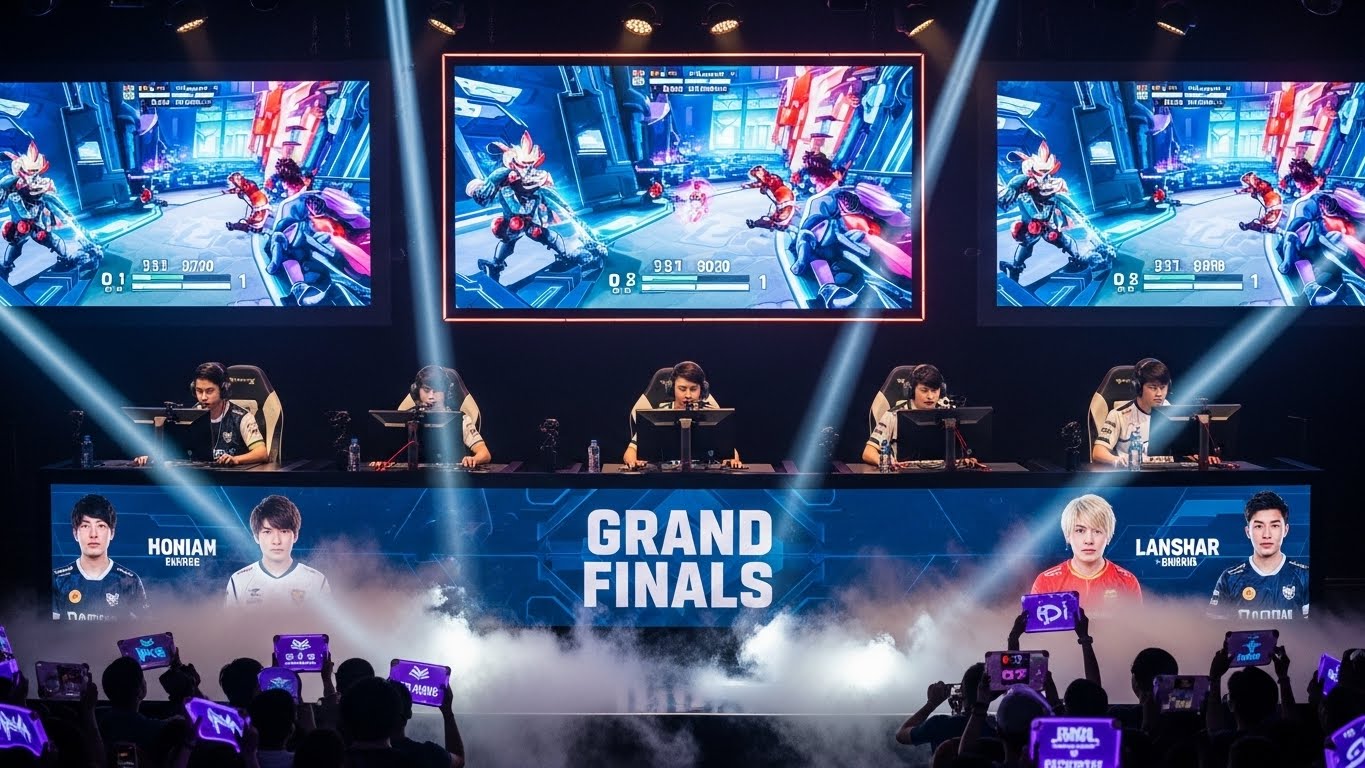
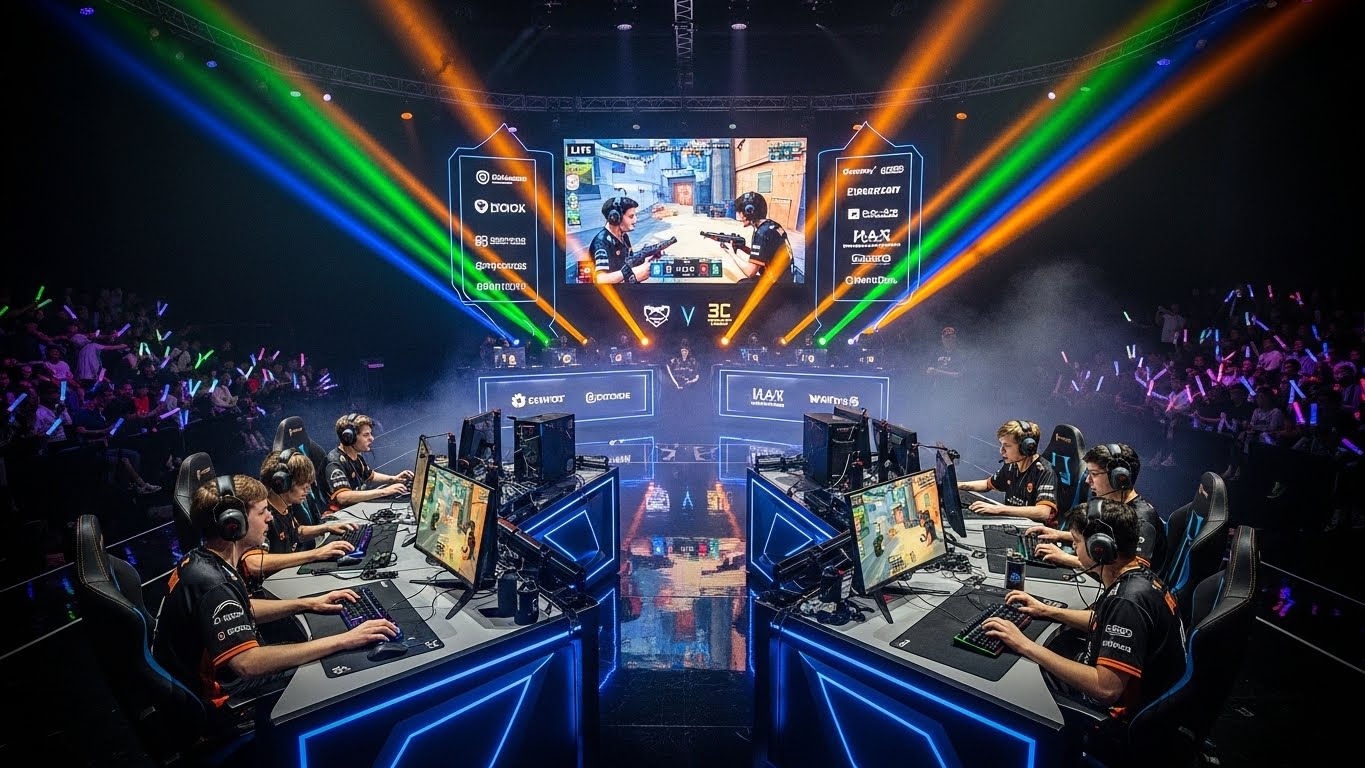
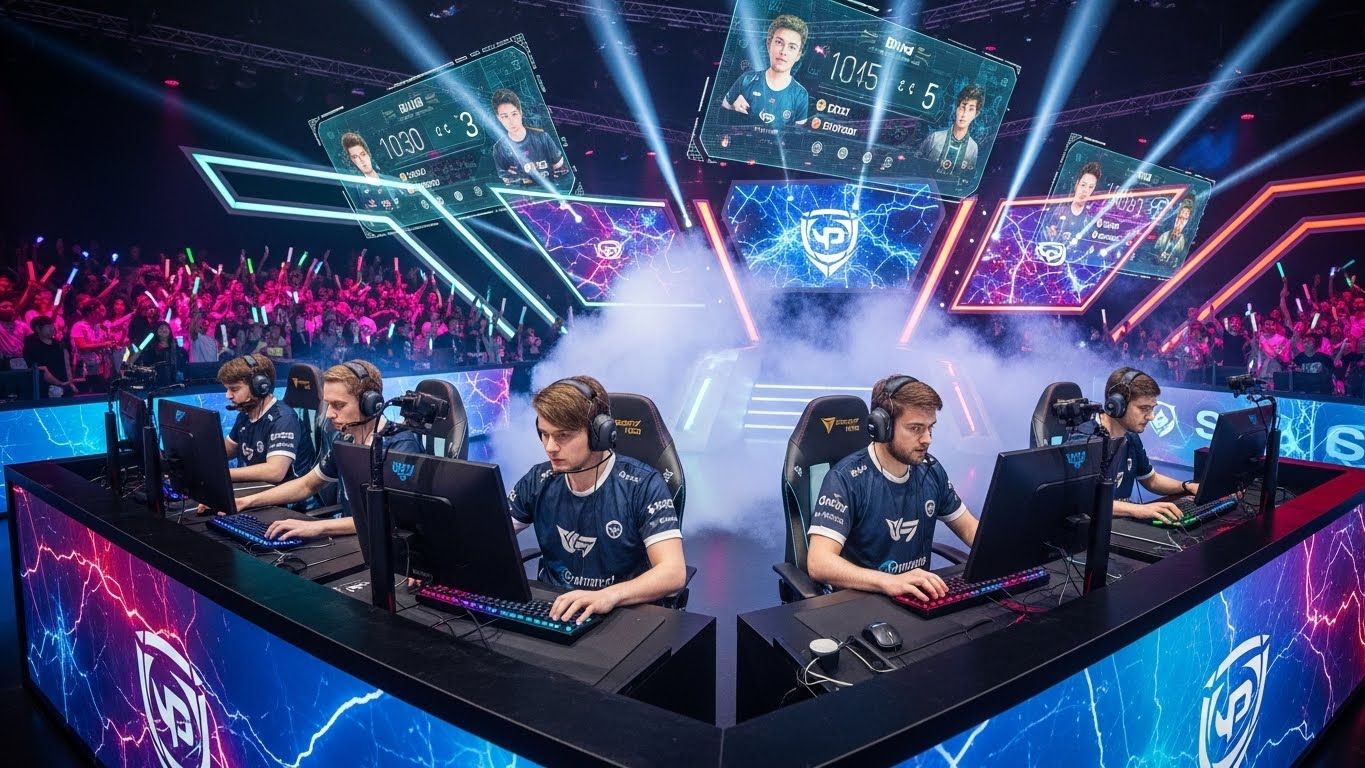
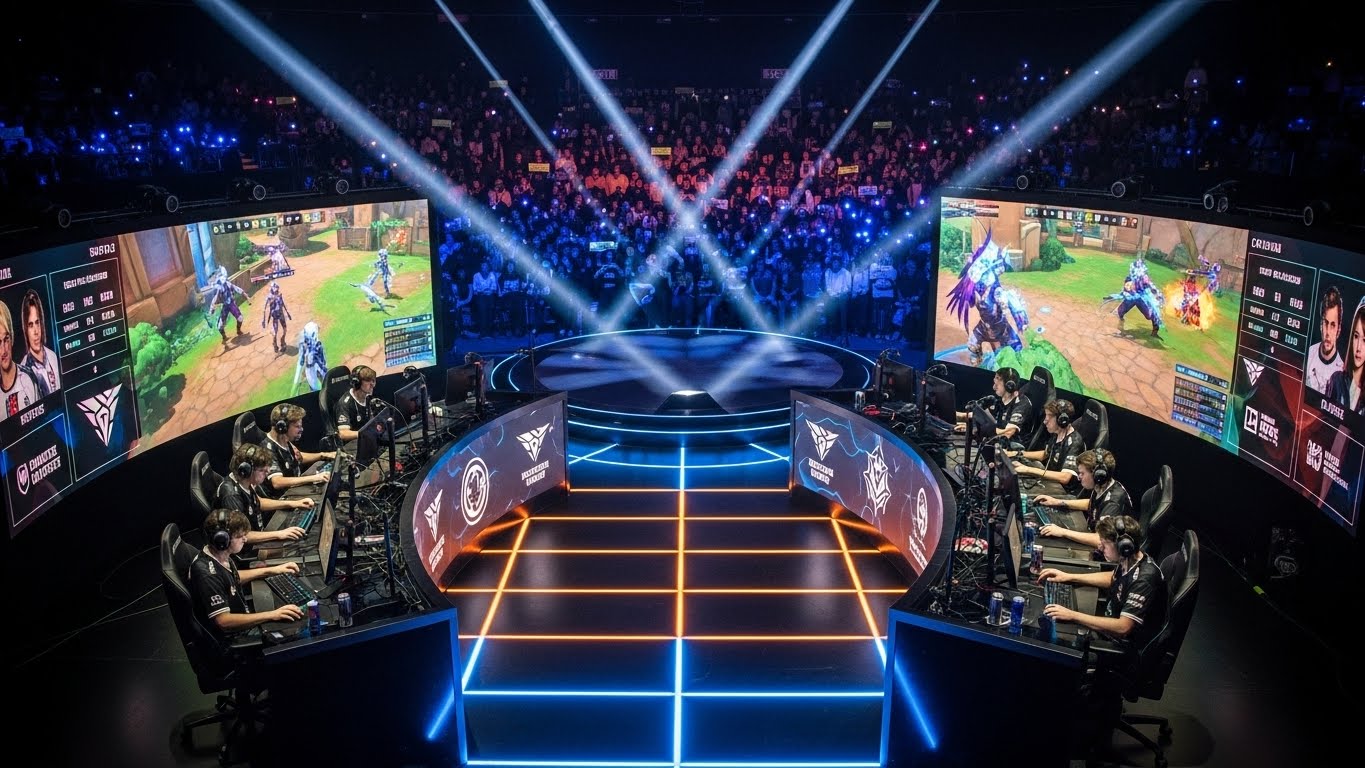
While esports is predominantly digital, live tournaments remain a critical revenue source. Stadiums filled with enthusiastic fans create high-energy atmospheres that attract media attention and sponsorships.
Challenges Facing the Esports Industry
Despite rapid growth, esports faces obstacles that must be addressed for long-term sustainability.
Player Burnout
Long hours, travel schedules, and high-pressure environments contribute to mental and physical fatigue. Organizations are now implementing better schedules and wellness programs to mitigate burnout.
Lack of Unified Regulation
Esports lacks a centralized governing body. Each game publisher sets its own rules, which can lead to inconsistencies and disputes. A more standardized regulatory framework could improve credibility.
Financial Instability for Smaller Teams
While top-tier teams thrive, smaller organizations struggle with sponsorships and revenue generation. Finding sustainable business models remains a challenge for the wider industry.
Community Behavior
Toxicity, harassment, and online bullying are ongoing issues in esports communities. Promoting positive culture and enforcing ethical behavior remain critical for growth.
The Future of Esports: Innovation and Expansion
Esports is poised for continued evolution, with technology and culture shaping its future.
Virtual Reality and Augmented Reality
VR and AR technologies may redefine competitive gaming, offering immersive experiences for both players and spectators. This innovation could attract a new generation of fans.
Mainstream Recognition
Esports is gaining recognition as a legitimate sport. It may eventually be included in international multi-sport competitions, further enhancing its global reputation.
Artificial Intelligence and Training Tools
AI-driven coaching and analytical tools are helping players optimize strategies, analyze opponents, and train more efficiently, increasing the level of competition.
Cross-Platform Competitions
Games allowing cross-platform play enable players on different devices to compete seamlessly, expanding the player base and audience.
Conclusion: Esports as the Future of Competitive Entertainment
Esports has evolved from a hobby into a cultural and economic force that rivals traditional sports. Its growth demonstrates the power of technology, community, and innovation in shaping entertainment. Players, fans, developers, and businesses have all contributed to an industry that thrives on creativity, strategy, and global connectivity.
As esports continues to expand, it promises to redefine competition, community, and the future of entertainment in the digital age. Whether you are a player, fan, or industry professional, esports offers an exciting front-row seat to the evolution of a modern phenomenon.