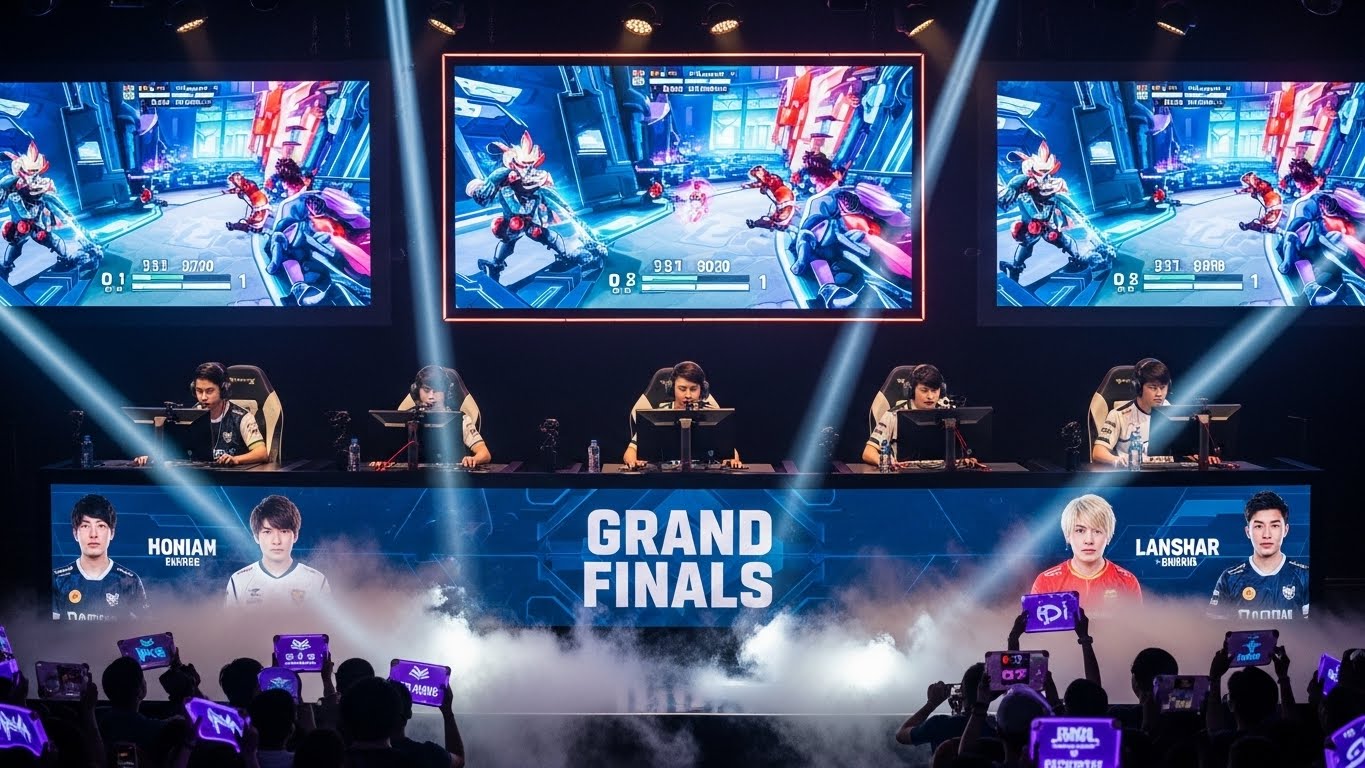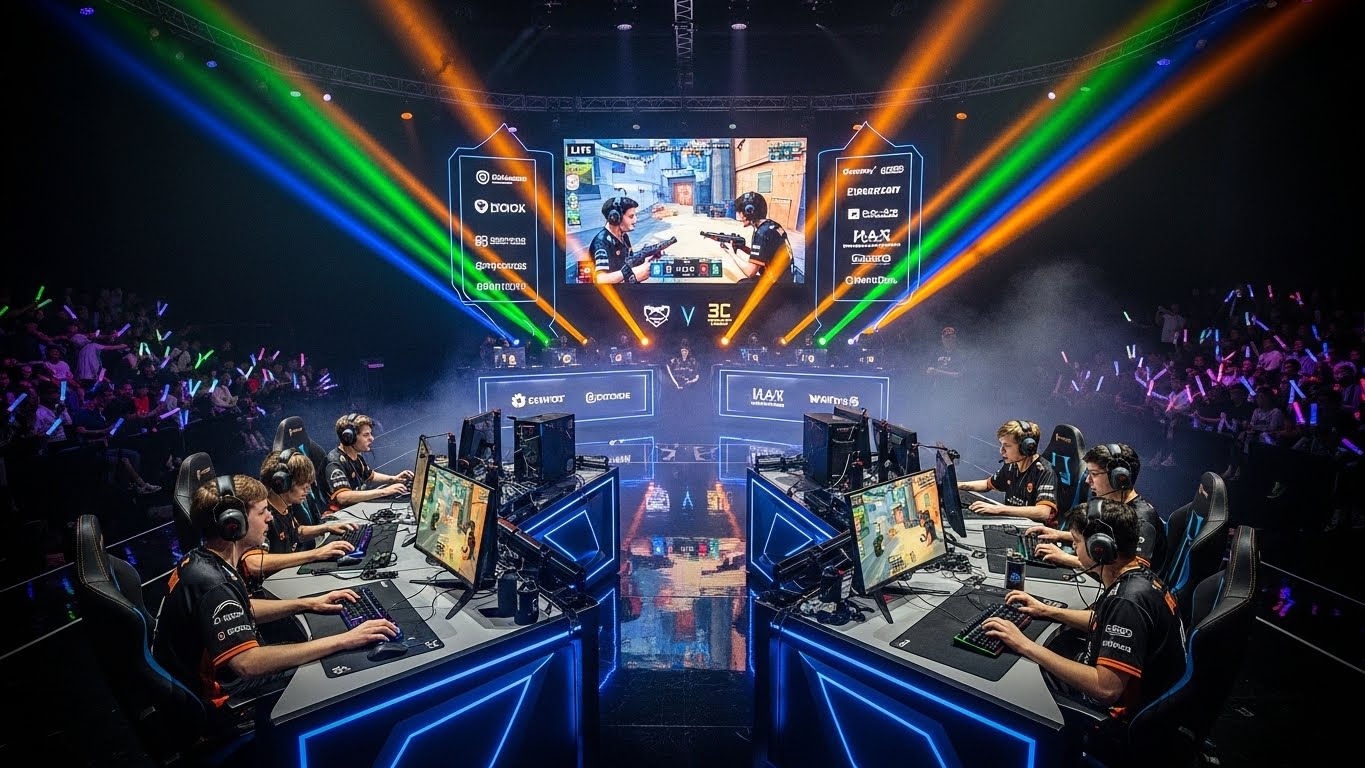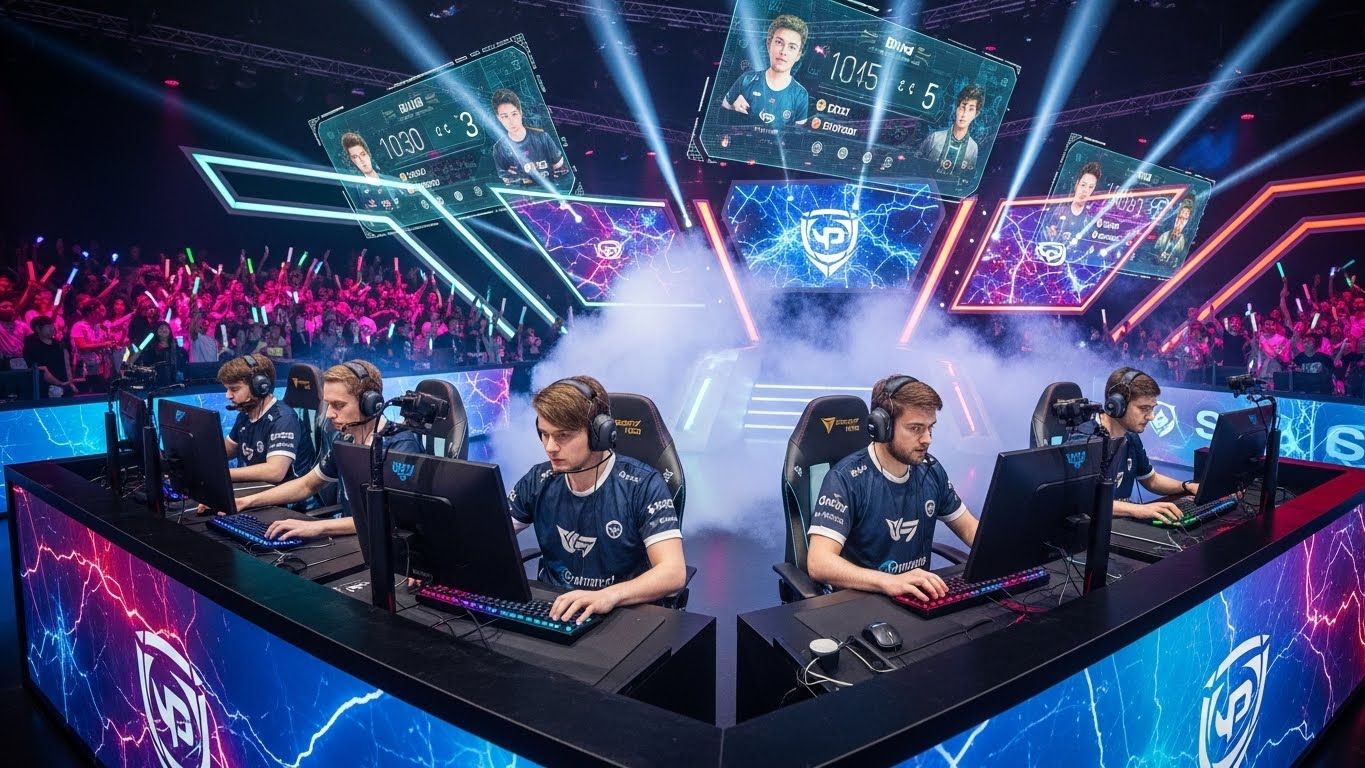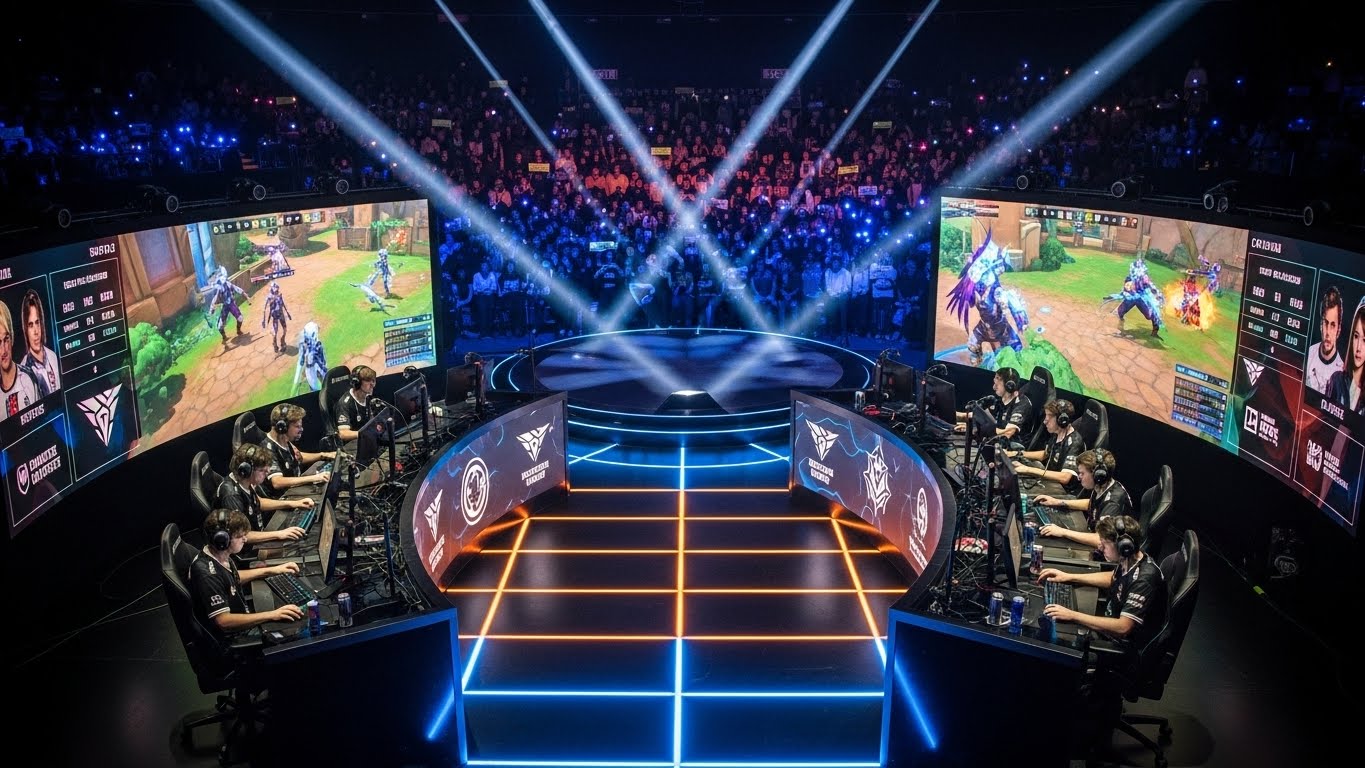
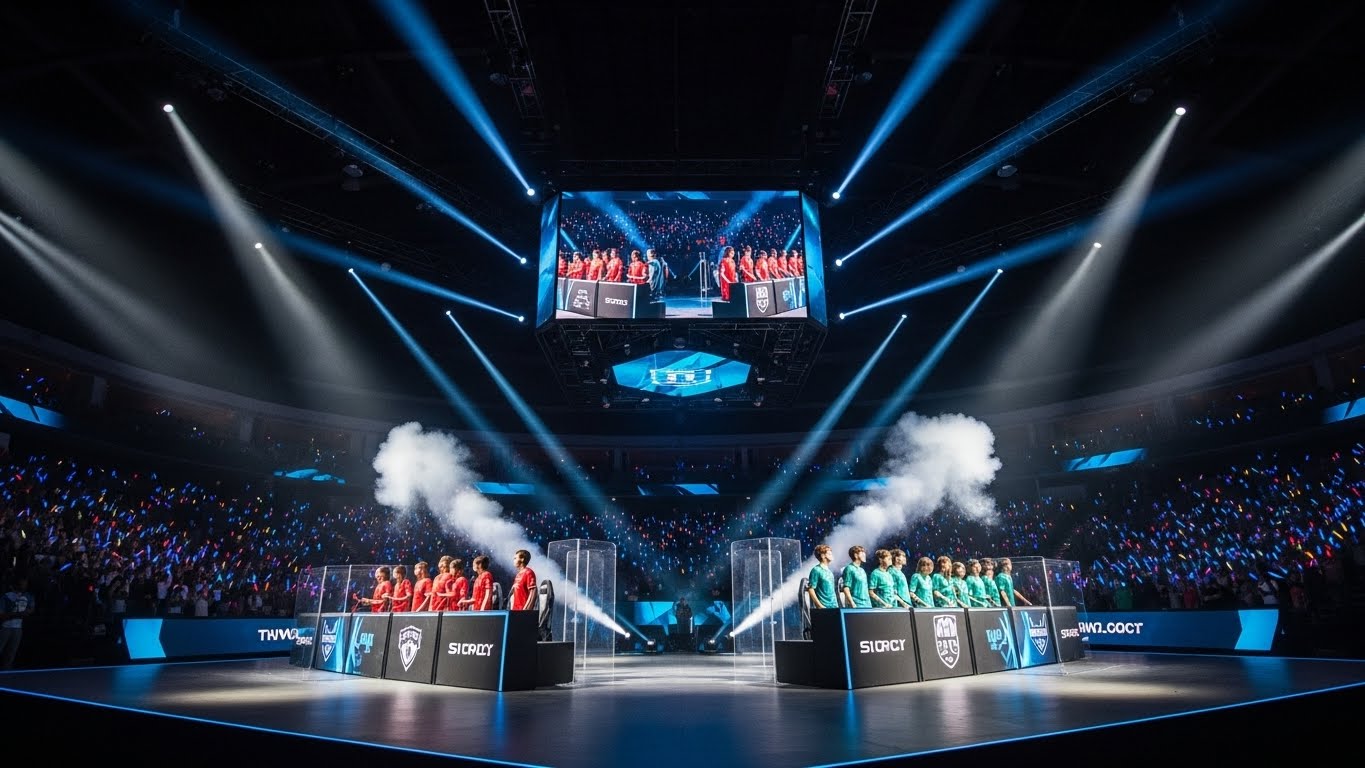
Esports has evolved from casual gaming into a global phenomenon, attracting millions of viewers and creating professional opportunities for players worldwide. What was once considered a niche hobby has transformed into a legitimate form of competition, entertainment, and cultural influence. Esports is not merely about playing video games; it represents skill, strategy, innovation, and community engagement on an unprecedented scale.
The Origins of Competitive Gaming
The journey of esports began in the late 1970s and early 1980s when arcade competitions became popular. Players would compete for high scores in games like Space Invaders and Pac-Man, often having their names displayed on local leaderboards. These early competitions introduced the concept of gaming as a challenge of skill and precision.
In the 1990s, the rise of multiplayer online games such as StarCraft, Quake, and Counter-Strike marked a significant turning point. These games allowed players from different regions to compete against one another online, paving the way for organized tournaments and professional recognition. These foundational years established the principles that would define esports: competition, strategy, and community.
The Rapid Growth of Esports Popularity
Esports has witnessed explosive growth over the past decade. Millions of fans now watch live tournaments, either in massive stadiums or through streaming platforms. Games like League of Legends, Dota 2, Fortnite, and Call of Duty have captured global audiences with their combination of fast-paced action, tactical depth, and exciting narratives.
Streaming platforms have revolutionized the industry, enabling players to broadcast matches to audiences worldwide. Fans can watch live competitions, interact with players, and even participate in online communities centered around esports. This accessibility has transformed esports into a global cultural phenomenon that continues to grow in popularity every year.
Professional Esports: A Legitimate Career
Esports is no longer just a hobby; it is a viable professional career. Professional players undergo intense training, dedicating hours each day to improving reaction times, learning strategies, and coordinating with their teams. Esports teams operate like traditional sports organizations, employing coaches, analysts, and support staff to enhance performance.
Top players can earn substantial income through tournament winnings, sponsorships, and content creation. Some even gain celebrity status, influencing gaming culture and inspiring younger players. The professionalization of esports has also led to collegiate programs, internships, and educational opportunities, creating a wide array of career paths within the industry.
The Mental and Strategic Demands of Esports
Success in esports requires a combination of skill, strategy, and mental resilience. Players must think critically, adapt quickly to changing circumstances, and execute strategies under pressure. Team-based games, in particular, demand precise communication, coordination, and decision-making to succeed.
Furthermore, esports requires adaptability due to frequent updates, game patches, and meta shifts. Players must continuously refine their strategies and learn new techniques to stay competitive. This combination of mental agility and strategic planning sets esports apart as a discipline that challenges both the mind and reflexes.
Psychological and Social Benefits of Esports
Participating in esports offers numerous psychological and social benefits. Competitive gaming improves problem-solving skills, multitasking abilities, and cognitive processing speed. It also fosters resilience, teaching players how to handle failure, manage stress, and continuously improve.
Socially, esports creates communities that bring people together. Online platforms, tournaments, and fan forums allow players and enthusiasts to connect, share experiences, and build friendships. These communities often transcend geographic and cultural boundaries, offering a sense of belonging and identity to players and fans alike.
Esports in Education
Esports is increasingly being integrated into educational programs. Schools and universities are offering esports teams, competitive leagues, and scholarships for talented players. These programs provide students with opportunities to develop leadership, teamwork, and digital literacy skills while pursuing their passion for gaming.
Some educational programs extend beyond gameplay to cover broadcasting, event management, and game development. By incorporating esports into education, students gain practical experience in an emerging industry and explore career paths in technology, media, and entertainment.
The Economic Impact of Esports
Esports has become a billion-dollar industry. Revenue streams include tournament prize pools, sponsorships, streaming platforms, merchandise, and media rights. Large-scale tournaments attract global audiences and stimulate local economies through tourism, hospitality, and event management.
Professional esports organizations operate as businesses, with global branding, marketing strategies, and management structures. Partnerships with technology companies, apparel brands, and entertainment networks further enhance profitability. The economic influence of esports demonstrates its significance as a major industry that continues to expand each year.
The Global Reach of Esports
Esports is a global phenomenon that transcends national boundaries. International tournaments bring together players from diverse countries, showcasing a variety of strategies, techniques, and playstyles. The global nature of esports promotes cultural exchange and highlights the inclusivity of the industry.
Players from underrepresented regions now have opportunities to compete on a worldwide stage, increasing diversity and representation within the esports community. This global connectivity strengthens the sense of community and shared passion for gaming across cultures.
Challenges Facing Esports
Despite its rapid growth, esports faces several challenges. Player burnout and mental health issues are common due to long practice hours, high pressure, and constant scrutiny. Support programs, wellness initiatives, and structured schedules are essential to maintaining the health and longevity of professional players.
Additionally, esports lacks standardized governance, leading to inconsistencies in rules, tournament formats, and player contracts. Establishing regulations and ethical standards is vital to ensuring fairness, credibility, and sustainable growth in the industry.
Technological Advancements Driving Esports
Technology has been a key driver of esports growth. High-performance gaming equipment, streaming platforms, and data analytics have enhanced both competition and audience engagement. Emerging technologies such as virtual reality, augmented reality, and artificial intelligence are set to revolutionize training, gameplay, and viewing experiences.
Technology also allows fans to engage with esports in real-time. Spectators can interact with players during live streams, participate in virtual events, and join online communities, making esports a highly interactive and participatory experience.
Cultural Influence of Esports
Esports has significantly influenced modern culture. Professional players have become public figures and trendsetters, impacting fashion, entertainment, and social media. Tournaments, live streams, and gaming content have created a new form of entertainment that reaches millions globally.
Esports also intersects with traditional media, with broadcasts, commentary, and coverage of major tournaments becoming increasingly common. This cultural integration demonstrates that esports is not merely a hobby; it is a major influence on contemporary entertainment and lifestyle.
The Future of Esports
The future of esports is bright, with continued growth and innovation expected in the coming years. Expanding audiences, technological advancements, and increased investment will shape the next generation of competitive gaming. Inclusivity, diversity, and mental health initiatives will be crucial for ensuring the sustainability of the industry.
Esports will continue to intersect with education, media, and professional development, creating opportunities for new careers and cultural experiences. The industry will redefine competition, collaboration, and entertainment, making esports a central element of digital culture worldwide.
Conclusion: Esports as a Transformative Force
Esports is more than gaming; it is a transformative cultural, social, and economic force. It has created professional opportunities, global communities, educational initiatives, and technological advancements that extend far beyond the screen.
Esports demonstrates that skill, strategy, and dedication are universal values, empowering individuals to pursue their passions and connect with a worldwide audience. Whether as a professional player, aspiring competitor, or devoted fan, esports offers opportunities for growth, learning, and engagement. In the modern era, esports is more than a game—it is a movement shaping the future of entertainment, culture, and human connection.