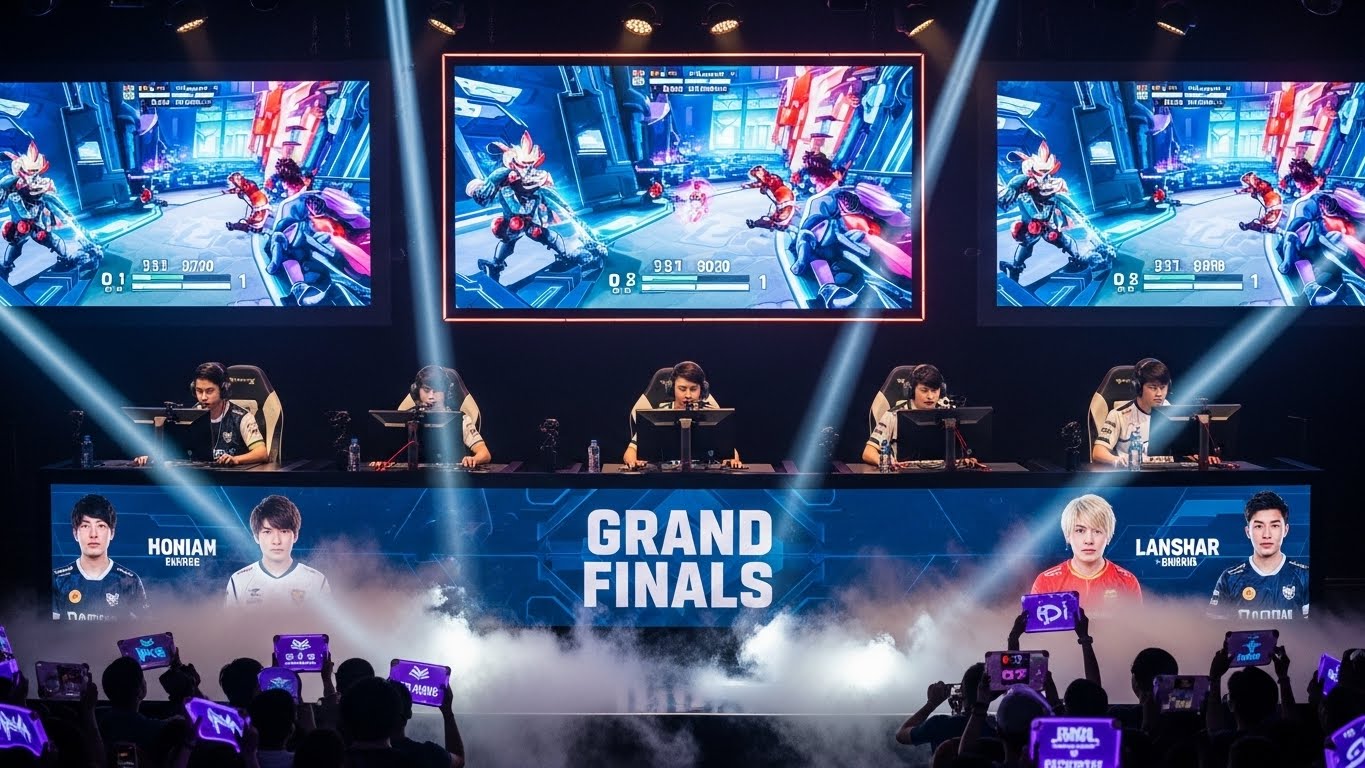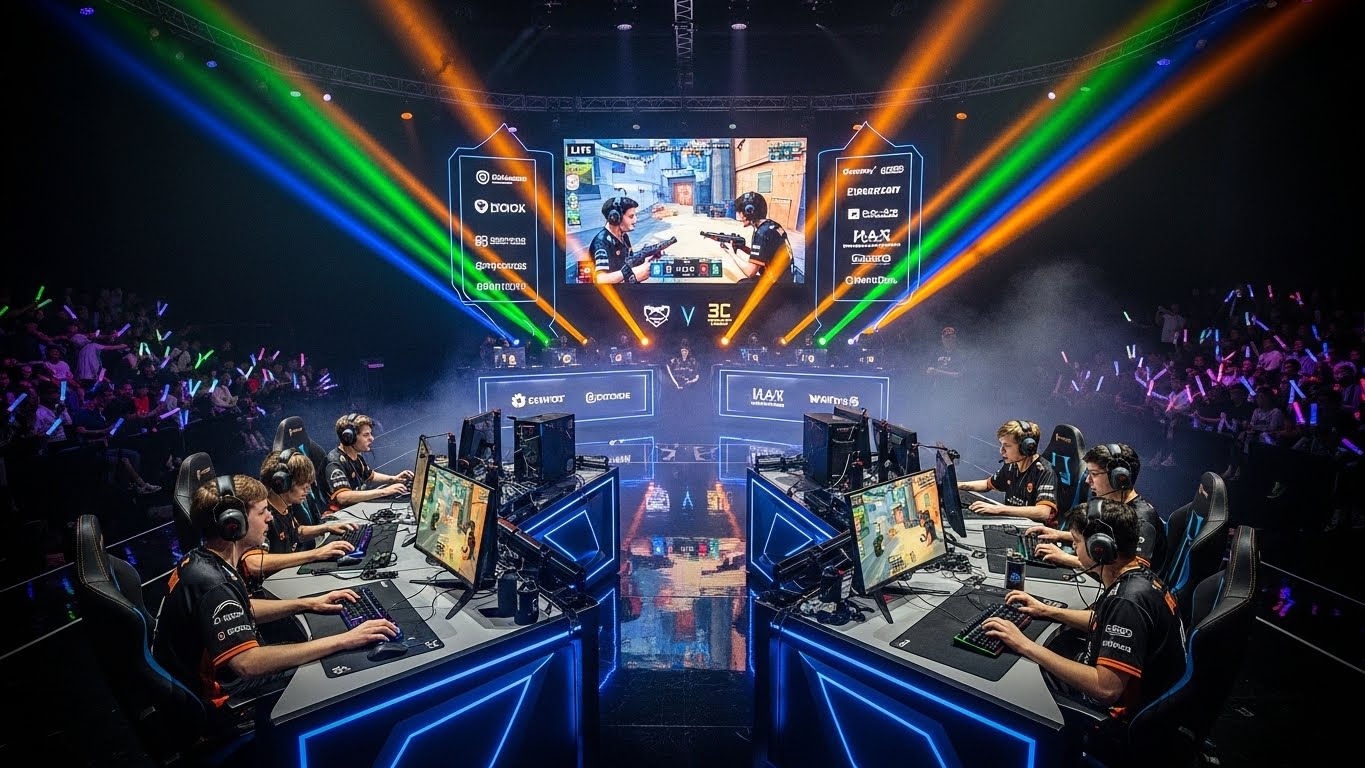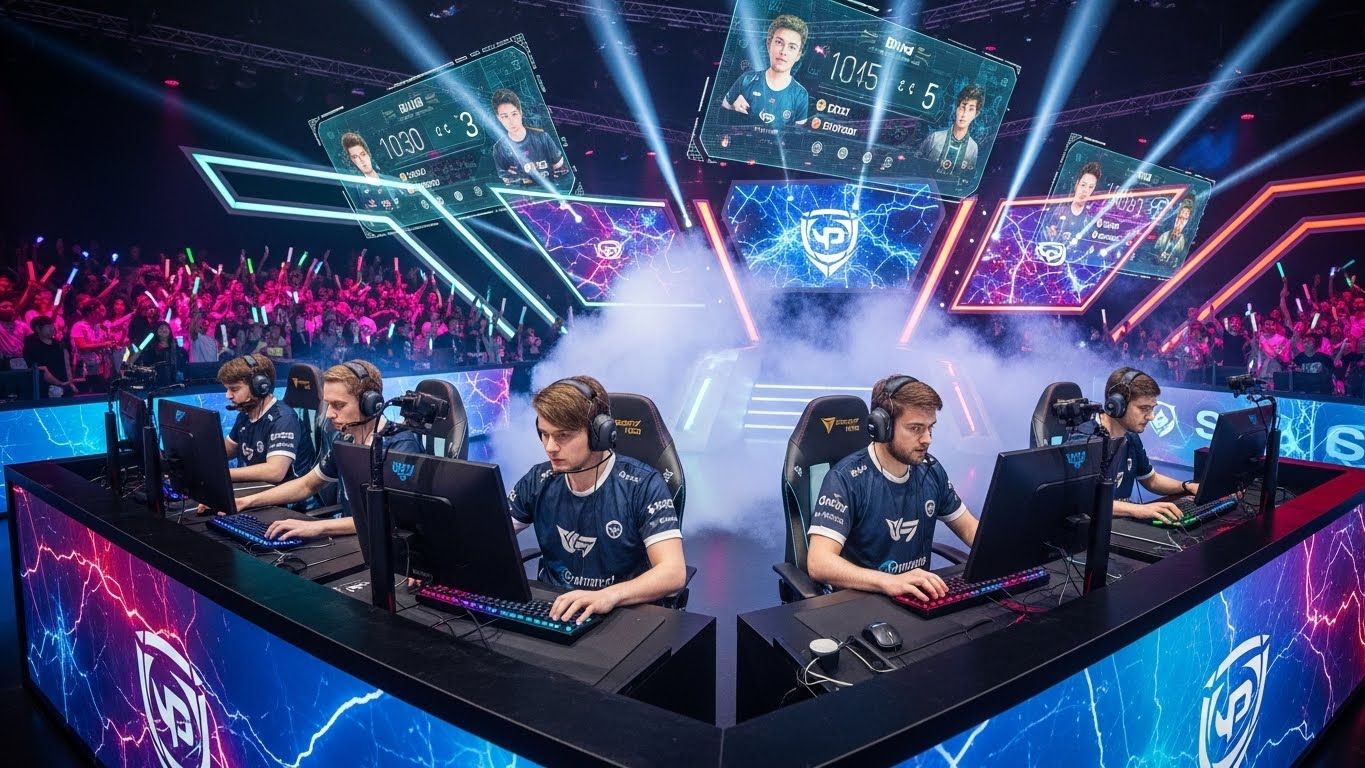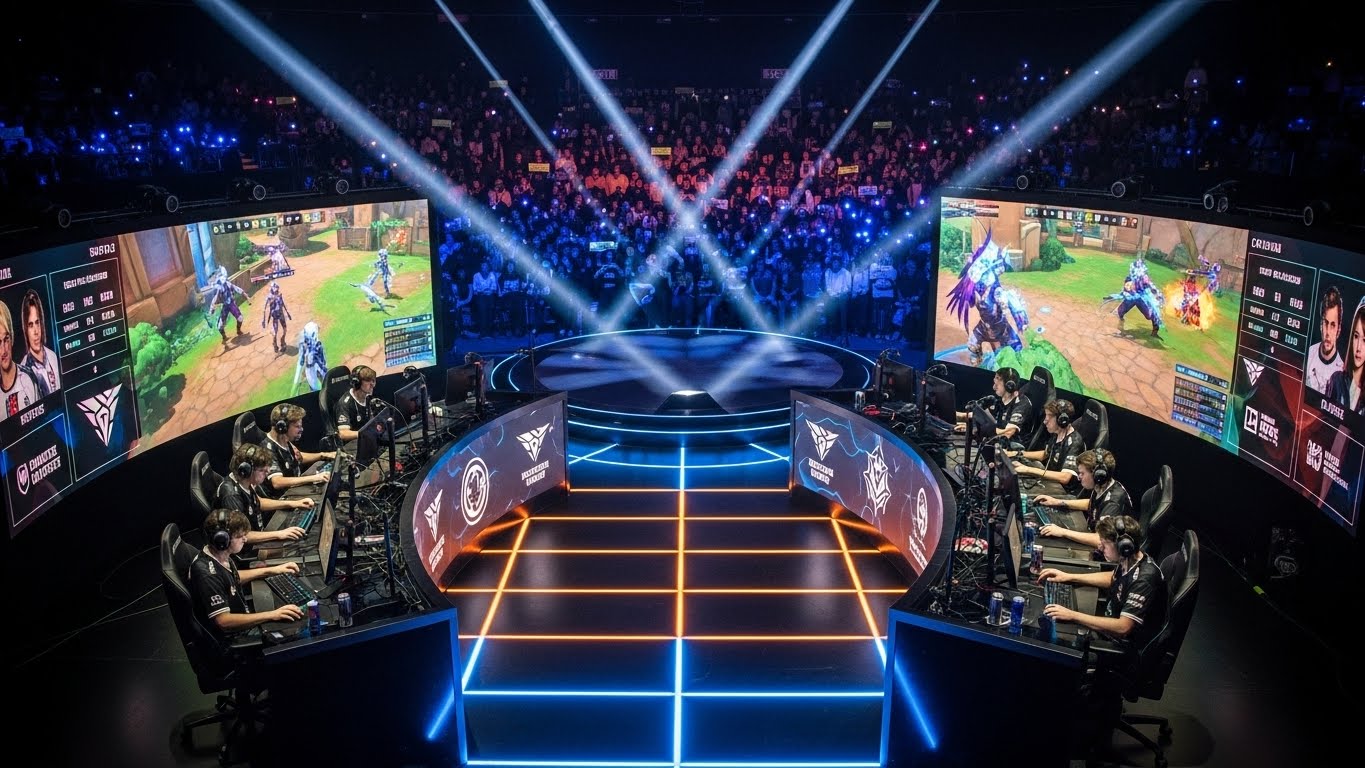
As esports becomes increasingly international, professional players find themselves traveling more frequently than ever. Major tournaments are held across continents—one week in Seoul, the next in Berlin, then perhaps Los Angeles or Riyadh. While fans see the glamour of global competition, what they don’t see is one of the biggest challenges that players quietly face behind the scenes: jet lag.
Jet lag can severely impact reaction times, focus, decision-making, and even mood—all of which are crucial for peak performance in esports. Unlike traditional athletes who can sometimes rely on physical adrenaline, esports players depend heavily on mental clarity and precision, making sleep disruption particularly harmful.
In this blog, we’ll explore how professional gamers manage jet lag during international events, the science behind time zone adaptation, and the techniques teams use to ensure that their players perform at their best no matter where in the world they compete.
Understanding Jet Lag and Its Impact on Esports Players
Jet lag occurs when the body’s internal clock, or circadian rhythm, is disrupted due to rapid travel across time zones. It typically leads to fatigue, insomnia, irritability, and reduced cognitive performance—symptoms that can easily derail an esports athlete’s preparation and in-game execution.
For professional gamers, whose success depends on split-second reactions and sustained mental sharpness, jet lag is more than an inconvenience—it’s a potential performance killer. Studies have shown that even a few hours of circadian misalignment can reduce reaction times and strategic decision-making capabilities by up to 20%.
Given that tournaments like The International, League of Legends Worlds, or CS:GO Majors often require players to travel halfway across the world, dealing with jet lag becomes an essential part of competitive preparation.
The Hidden Cost of Jet Lag in Esports
Unlike traditional sports that often have longer recovery windows between matches, esports schedules can be relentless. Teams may land in a new country only days before group stages begin, leaving little time for natural adjustment.
Jet lag affects:
- Reflexes and Timing: Key for FPS players where milliseconds decide duels.
- Cognitive Processing: Reduces map awareness and tactical decision-making.
- Mood and Emotional Control: Increases frustration, anxiety, and burnout risk.
- Sleep Quality: Irregular rest leads to reduced alertness during critical matches.
Coaches and team managers recognize that overcoming jet lag isn’t just about comfort—it’s about competitive advantage.
Step One: Pre-Travel Adjustment
One of the most effective methods esports organizations use is pre-travel time zone alignment. Teams begin adjusting players’ sleep and wake schedules several days before departure.
For example, if a European team is heading to an event in North America (a 6–9 hour difference), players may gradually shift their sleep time by one hour per day leading up to the flight. This helps the body slowly synchronize with the target time zone before arrival.
Coaches also schedule practice sessions according to the new time zone to simulate tournament conditions. By the time players arrive, their bodies are already partially adjusted, minimizing the shock of sudden change.
Step Two: Controlled Light Exposure
Light exposure plays a massive role in regulating circadian rhythm. Teams use strategic light therapy to speed up adaptation.
- When traveling eastward, players are encouraged to get morning sunlight upon arrival to advance their body clock.
- When traveling westward, they may use evening light exposure to delay sleep onset.
Some teams even use blue light therapy lamps or blue light-blocking glasses to fine-tune melatonin release. Managing light exposure effectively can reduce jet lag recovery time by up to 50%.
Step Three: Nutrition and Hydration
Diet and hydration are subtle but powerful tools in combating jet lag. Dehydration worsens fatigue and concentration issues, especially during long flights. Esports players are advised to:
- Drink water consistently throughout the flight.
- Avoid alcohol and caffeine in excess, as both disrupt sleep.
- Eat light, protein-rich meals to maintain energy without sluggishness.
Some nutritionists design time-adjusted meal plans, syncing eating schedules to the destination’s time zone. This helps the digestive system adapt alongside the sleep cycle, stabilizing energy levels faster.
Step Four: Sleep Management Techniques
Sleep is the core of jet lag recovery, and pro players often have dedicated sleep coaches or performance specialists who monitor rest quality using wearable technology.
- Melatonin Supplements: Used carefully to help reset sleep cycles.
- Noise-Canceling Headphones and Eye Masks: For rest during flights and hotel stays.
- Controlled Nap Schedules: 20–30 minute naps to restore alertness without disturbing nighttime sleep.
- Sleep Environment Optimization: Teams bring portable devices like humidifiers, blackout curtains, and even scent diffusers to create consistent sleeping conditions across events.
For example, during the League of Legends Worlds Championship, several top teams were known to adjust hotel rooms to mimic their home training setups, ensuring the environment supported consistent rest.
Step Five: Strategic Arrival Timing
Some teams deliberately arrive early—often a week before competition—to allow full adjustment. However, this depends on budget, travel logistics, and event scheduling.
For smaller organizations with tighter finances, early arrival may not be possible, so they rely more heavily on pre-travel adaptation and recovery protocols.
Large esports organizations like T1, G2, and Team Liquid, however, often arrive well in advance. They treat the first few days as low-intensity practice periods, focusing on recovery, light scrims, and mental reset before entering competitive mode.
Step Six: Movement and Exercise
Long flights cause muscle stiffness and reduced blood circulation, which can exacerbate fatigue. Teams now incorporate light physical workouts before and after travel.
These include:
- Stretching and yoga for circulation.
- Short cardio sessions to boost alertness.
- Breathing exercises to reduce stress and oxygenate the brain.
Some even bring portable equipment like resistance bands or massage guns to maintain physical wellness on the go. Maintaining a light exercise routine ensures that the body adjusts faster to new environments.
Step Seven: Mental Conditioning
The psychological impact of jet lag can often go unnoticed. Traveling frequently, changing environments, and performing under pressure can disrupt mental balance.
Teams employ sports psychologists to help players maintain mental stability through visualization techniques, mindfulness, and relaxation exercises. Keeping a consistent routine—no matter the country—helps preserve mental focus.
A common technique used by pros is anchoring, where they recreate small familiar rituals (like a pre-game snack or breathing exercise) to maintain a sense of normalcy even in unfamiliar places.
Step Eight: Custom Technology and Data Tracking
Modern esports teams use advanced biometric tracking tools to monitor how players’ bodies adapt post-travel.
Wearables track sleep cycles, heart rate variability, and energy levels. Data analysts then customize recovery schedules, adjusting sleep, diet, and practice intensity for each player.
Some teams use AI-based wellness software that predicts optimal rest windows or alerts coaches when a player’s cognitive performance drops due to fatigue. These technologies help make recovery scientific and individualized.
Case Study: Managing Jet Lag at Global Tournaments
When major tournaments like The International or Valorant Champions Tour are hosted across continents, player management becomes a strategic operation.
For example, during the Dota 2 International 2022, several teams that traveled from Southeast Asia to North America implemented gradual sleep shifts two weeks prior. They also brought along performance experts who handled everything from light therapy schedules to meal timing.
Similarly, CS:GO teams competing at the PGL Majors adopted an early arrival policy. Players followed “recovery days” filled with light physical activity and relaxation before starting intense scrims. These teams often performed better in the early rounds, showing the payoff of proactive jet lag management.
Cultural and Regional Adaptation
Jet lag management isn’t just about sleep—it’s also about adjusting to new environments. Teams consider factors such as local cuisine, climate, and cultural differences that might impact comfort or mental readiness.
Some organizations bring personal chefs or nutritionists to international events, ensuring dietary consistency. Others rent private training houses instead of hotels to create a familiar team atmosphere. This approach helps minimize mental fatigue and environmental stress.
The Role of Team Schedules and Event Organizers
Event organizers are also starting to recognize the importance of jet lag management. Some tournaments now structure match schedules to give traveling teams time to acclimate.
Organizers may provide practice facilities upon arrival, allowing players to adjust to local ping and temperature conditions before competition. This collaboration between event staff and team managers reflects the growing professionalism of esports operations worldwide.
The Human Side of Jet Lag
Behind the lights, cheers, and trophies, esports players are human. Traveling across time zones multiple times a year can take a toll not just on physical health but also on emotional stability.
Players often miss family, struggle with sleep disorders, and experience burnout from constant movement. Recognizing this, many organizations now prioritize mental health programs alongside jet lag prevention. Ensuring rest, social connection, and psychological balance is seen as vital to sustaining long-term careers.
The Future of Jet Lag Management in Esports
As esports continues to globalize, managing travel fatigue will only become more important. Teams are investing in dedicated travel performance departments, merging science, nutrition, psychology, and technology.
Emerging tools like smart circadian lighting systems, AI sleep coaching, and personalized recovery plans are becoming standard. Some predict that future training facilities will include “travel simulation rooms” to help players adapt before departure.
In the coming years, jet lag management will evolve from being a reactive challenge to a proactive performance strategy, just as nutrition and physical training have already become.
Conclusion
Managing jet lag is one of the most underrated yet crucial aspects of professional esports. While fans see the high-stakes matches and thrilling plays, few realize the meticulous preparation that goes into simply staying alert, sharp, and balanced across different time zones.
Through sleep optimization, light therapy, nutrition, and psychological conditioning, modern esports organizations are turning jet lag management into a science. It’s not just about adjusting sleep—it’s about sustaining excellence across the globe.
In a world where milliseconds decide champions, even a single night of proper rest can mean the difference between victory and defeat. And for today’s top esports athletes, mastering the body clock is just as essential as mastering the game.