Introduction: The Evolution of Competitive Gaming
Esports, once considered a niche hobby by a small community of gamers, has become one of the most dynamic and fastest-growing sectors in the entertainment industry. What started as informal competitions in arcades and living rooms has blossomed into a multi-billion-dollar industry. Today, esports events draw millions of viewers, feature professional players with sponsorships, and offer multi-million-dollar prize pools. Esports is not just a form of entertainment anymore; it has become a cultural force that is influencing how people engage with video games, sports, and entertainment in general. This blog explores the rise of esports, its growth into a global phenomenon, and its impact on the world of gaming and beyond.
The Birth of Esports: Where it All Began
The story of esports dates back to the 1970s and 1980s, when video games first began to capture the public’s attention. Early arcade games like Pong and Space Invaders introduced the concept of competitive play, as players could compete for high scores. However, the idea of organized competitive gaming didn’t take off until the late 1990s with the advent of multiplayer games.
In the early days, games like Quake, Warcraft, and StarCraft allowed players to connect over local area networks (LAN) and battle each other in real-time. The Red Annihilation tournament in 1997, featuring the game Quake, is often cited as one of the first esports competitions that brought widespread attention to competitive gaming. This marked the beginning of a movement that would see competitive gaming evolve into an international sport. During this period, esports was still in its infancy, with players mostly competing in small-scale events and tournaments, but the seeds for the future were planted.
Esports in the 21st Century: Growth and Globalization
By the 2000s, esports began to emerge as a legitimate form of entertainment. South Korea was one of the earliest countries to recognize the potential of competitive gaming. With StarCraft becoming a national sensation, the South Korean government invested in infrastructure, creating esports leagues and broadcasting tournaments on television. This was a groundbreaking moment for the industry, as StarCraft tournaments began to draw millions of viewers, and professional players gained recognition on the same level as athletes in traditional sports.
As internet speeds improved and the global gaming community expanded, esports began to take hold in other regions. The release of League of Legends in 2009 marked a turning point for esports, as it quickly became one of the most popular and influential esports titles in the world. Riot Games, the developer behind League of Legends, pioneered the idea of professional leagues and organized seasonal tournaments. The League of Legends World Championship, first held in 2011, has since become one of the largest esports events, with millions of viewers tuning in from all over the world to watch teams compete for a multi-million-dollar prize pool.
The development of streaming platforms, such as Twitch and YouTube Gaming, also played a critical role in esports’ ascent. These platforms allowed fans to watch live competitions, follow their favorite teams, and interact with players in real-time. This unprecedented level of access to content contributed to the rapid growth of esports as a spectator sport. By 2017, the League of Legends World Championship had reached over 100 million viewers, rivaling the viewership of major traditional sports events like the Super Bowl.
The Professionalization of Esports: Teams, Sponsorships, and Big Money
As esports grew in popularity, it began to mirror traditional sports in many ways. Just as athletes train for years to compete professionally, esports players began dedicating themselves to hours of practice, strategy development, and team coordination. Major game publishers such as Riot Games, Valve, and Blizzard Entertainment started organizing official professional leagues, offering substantial prize pools and opportunities for players to sign contracts with teams.
The introduction of professional esports teams and organizations marked a significant milestone in the industry’s evolution. Teams like Team Liquid, Fnatic, Cloud9, and T1 began to emerge as esports giants, fielding talented players across multiple games and competing in prestigious tournaments around the world. These organizations employed coaches, analysts, and managers to help their players perform at their best, similar to how traditional sports teams operate. Esports began to look more and more like an established professional sport, with players representing teams and competing for championship titles.
One of the most notable changes in the industry was the influx of sponsorships. Major global brands, including Coca-Cola, Intel, Red Bull, and Nike, recognized the potential of esports to reach a young, tech-savvy audience. These companies began sponsoring esports events and teams, injecting significant capital into the industry. With large sponsors came larger prize pools, often reaching millions of dollars in games like Dota 2 and Fortnite. Esports players, like traditional athletes, were also given lucrative endorsement deals, making it possible for some to earn substantial incomes through competition alone.
The Spectator Experience: Esports as Entertainment
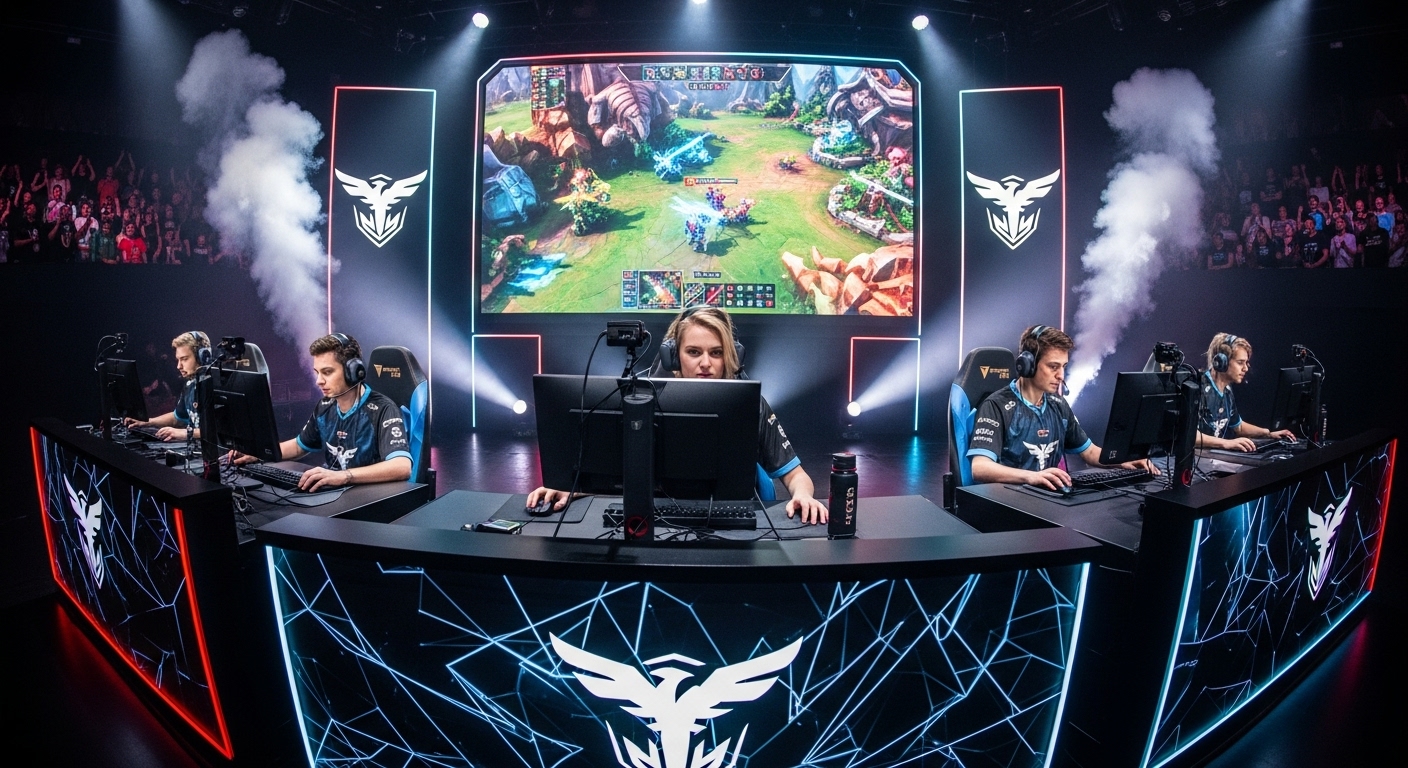
One of the defining features of esports is its ability to create a truly global and immersive spectator experience. Unlike traditional sports, which require physical arenas, esports events can be broadcast to millions of fans worldwide, all from the comfort of their homes. The rise of live-streaming platforms, most notably Twitch, has revolutionized how people engage with competitive gaming. These platforms allow fans to watch live events, follow individual players, and interact with communities of like-minded individuals.
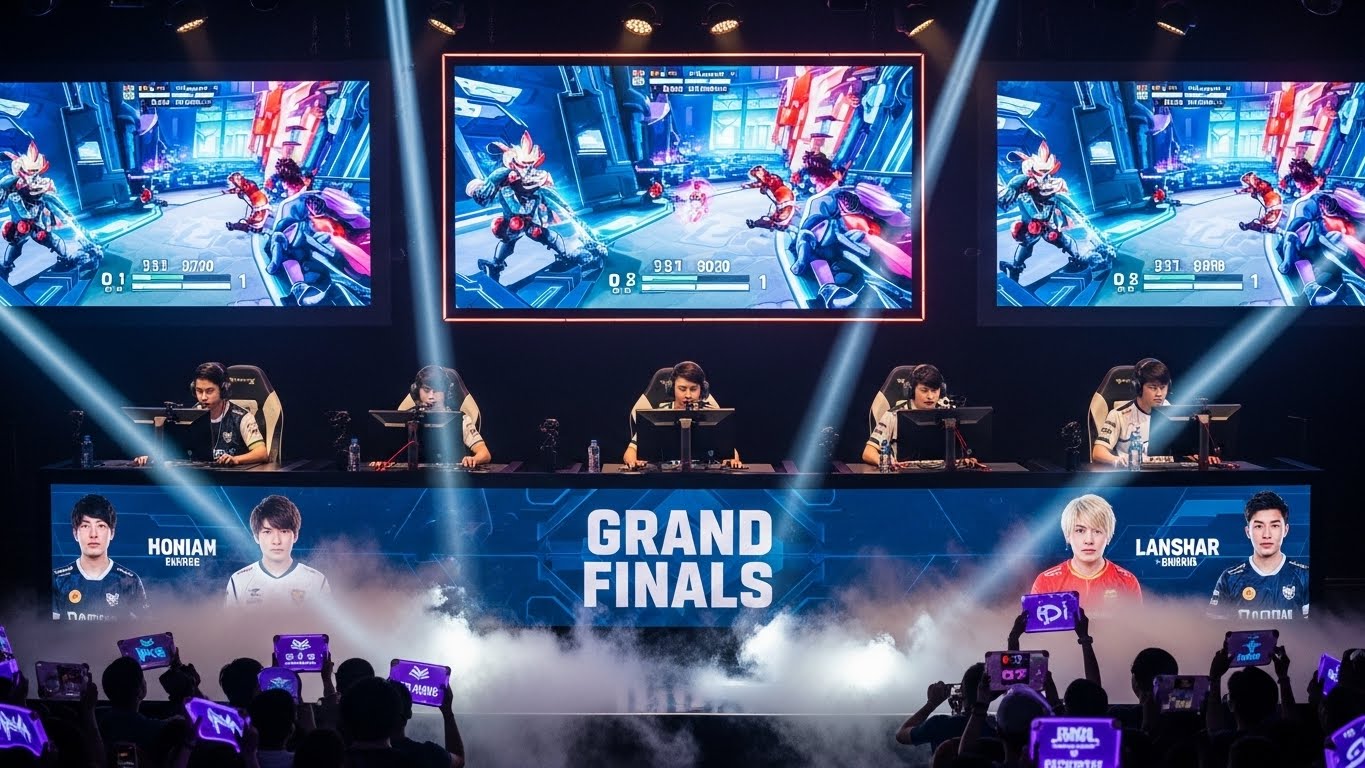
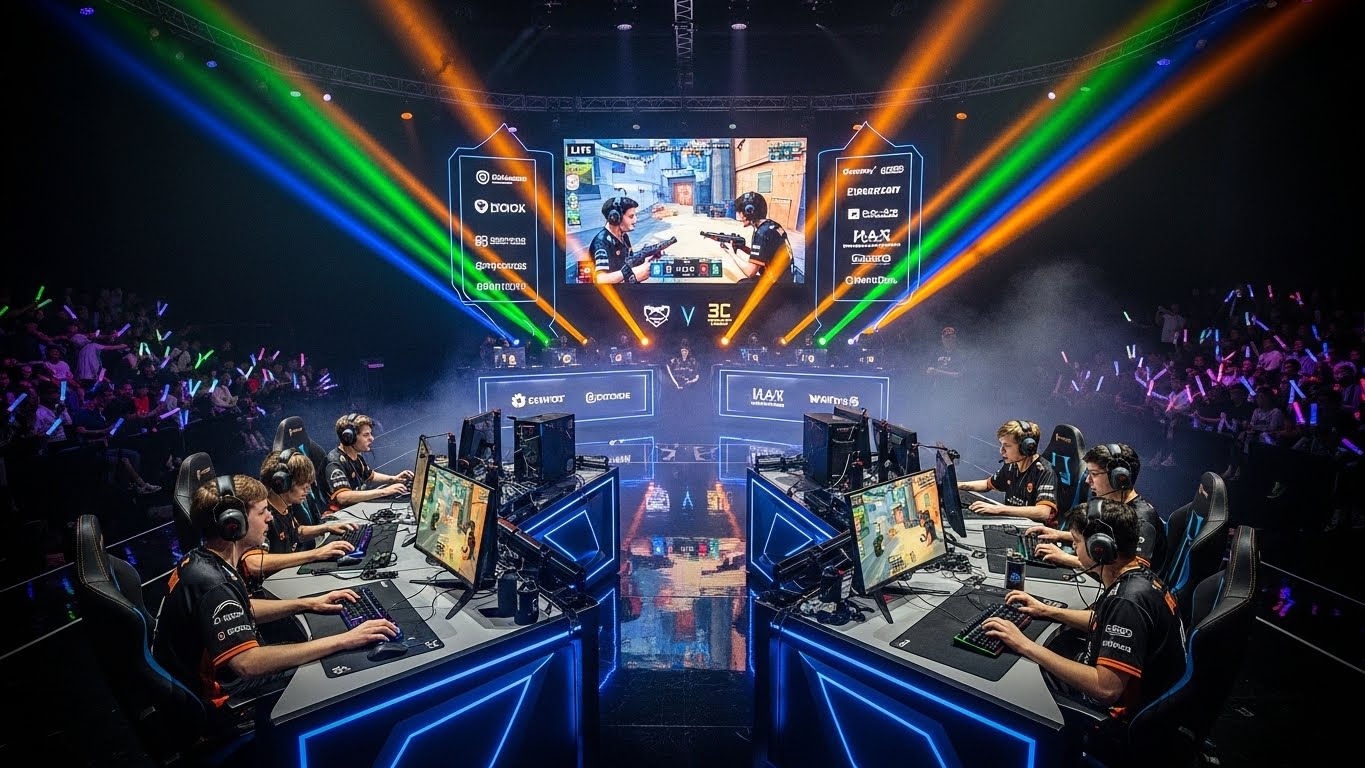
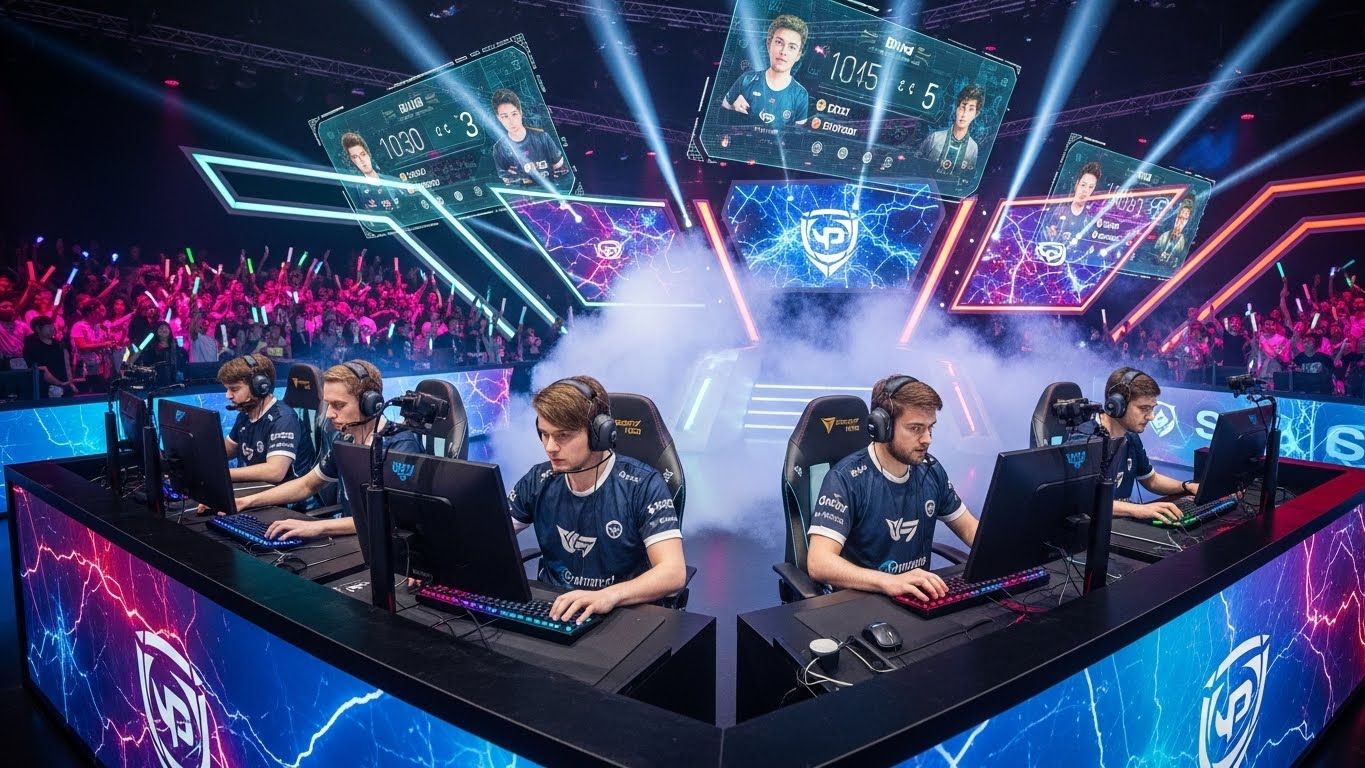
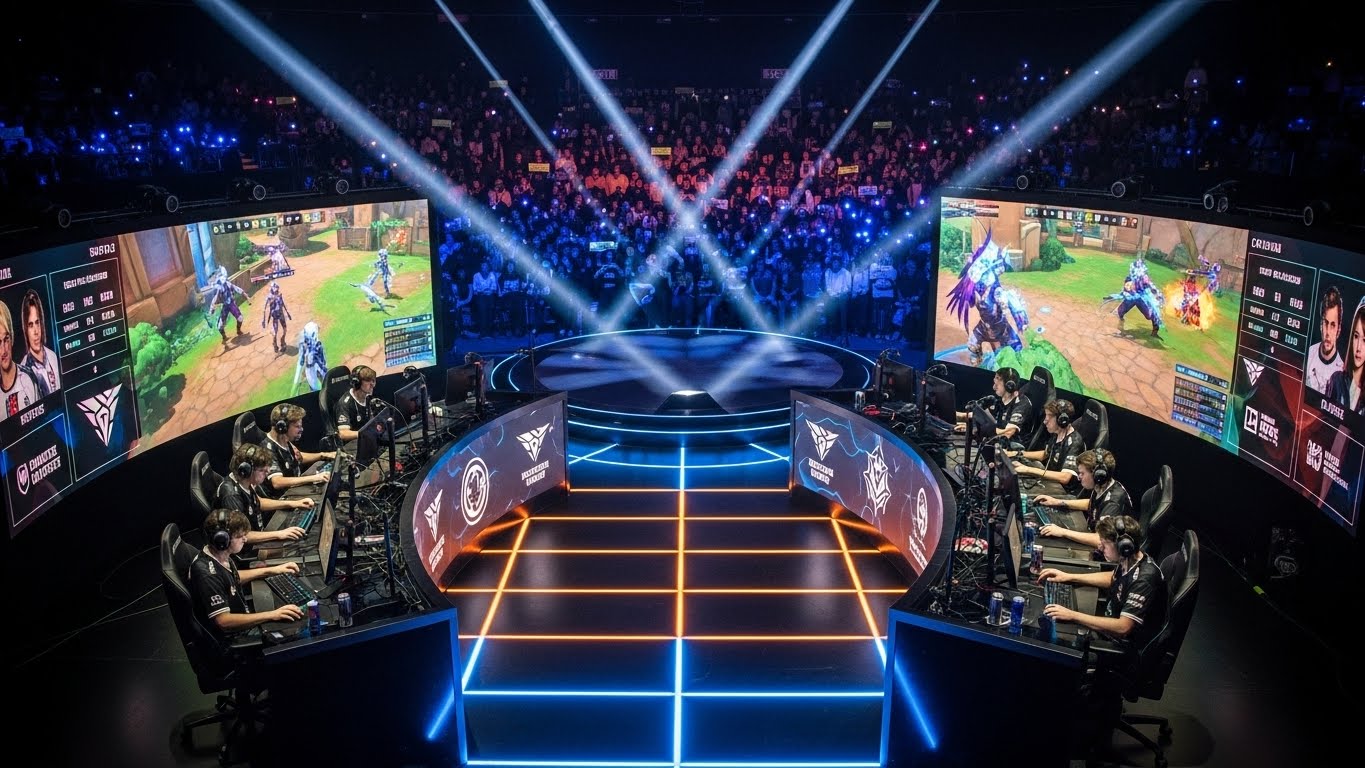
In addition to live-streaming, esports events are often professionally produced with high-quality graphics, commentators, and analysis, much like traditional sports broadcasts. The ability to follow the action from multiple camera angles, listen to expert commentary, and interact with players via live chat has made esports an exciting and dynamic viewing experience. Furthermore, tournaments are now held in large arenas, with thousands of fans attending live events to watch their favorite teams and players compete for glory. The League of Legends World Championship Final, for example, regularly fills arenas with over 40,000 attendees, demonstrating the power of esports as a live entertainment medium.
Esports also has a unique aspect of fan interaction. Viewers are not just passive observers; they actively engage with the players and content. Fans can cheer on their favorite players, offer live feedback, and even influence the outcomes of certain in-game events. This level of interactivity has made esports a social experience, where fans feel like they are part of the action. The rise of social media platforms like Twitter and Instagram has also enabled players to build personal brands and connect with fans on a more personal level.
The Impact of Esports on Traditional Sports and Culture
Esports has also had a significant impact on traditional sports and popular culture. As esports grew in popularity, it began to attract attention from sports organizations and networks. In 2018, ESPN aired the League of Legends World Championship Final, marking a historic moment for the intersection of esports and traditional sports broadcasting. More recently, even major sports leagues like the NBA and NFL have launched their own esports initiatives, creating leagues based on video games like NBA 2K and Madden NFL. These developments indicate that esports is not just a passing trend but rather a legitimate form of competition with staying power.
Esports is also reshaping the way people think about competition and athleticism. While esports players are not required to undergo the same physical training as athletes in traditional sports, they must still maintain exceptional levels of mental agility, hand-eye coordination, and strategic thinking. Professional esports players spend hours each day practicing and perfecting their skills, often enduring the same level of pressure as athletes in physical sports. This shift has led to a broader definition of what it means to be an athlete, with esports players being recognized as professional competitors in their own right.
In terms of culture, esports has created its own ecosystem, with its own lingo, fanbases, and subcultures. Games like League of Legends, Fortnite, and Dota 2 have their own distinct communities that connect players from around the world. Esports has also fostered a new form of celebrity culture, with players like Faker, Ninja, and Shroud becoming global icons with massive followings. These players not only excel in their respective games but also serve as influencers, shaping the direction of gaming culture and beyond.
The Challenges and Future of Esports
Despite its meteoric rise, esports faces a number of challenges. One major issue is the pressure and mental strain that professional players face. The competitive nature of esports, coupled with long hours of practice, can lead to burnout, stress, and even health problems. Many esports organizations are now implementing mental health programs and support structures to help players cope with the pressures of competition.
Another challenge is ensuring the integrity of esports competitions. As the industry grows, so too does the potential for cheating, match-fixing, and other unethical behaviors. To combat this, esports organizations have introduced stricter regulations and anti-cheating measures, ensuring that competitions remain fair and transparent.
Looking ahead, the future of esports looks incredibly bright. With advances in technology, such as virtual reality (VR) and augmented reality (AR), esports could become even more immersive, offering fans and players new ways to experience the action. Mobile gaming is also on the rise, with mobile esports titles attracting millions of players and fans worldwide. Additionally, esports is likely to continue expanding into mainstream media, with more partnerships, sponsorships, and broadcasting deals in the pipeline.
Conclusion: Esports as a Cultural Force
Esports has come a long way from its humble beginnings in arcades and LAN parties. Today, it stands as a global cultural and economic force that is reshaping the entertainment landscape. From its professional leagues and sponsorship deals to its massive fanbase and immersive viewing experiences, esports has firmly established itself as a legitimate and exciting form of entertainment. As the industry