Introduction: The Rise of a New Sporting Era
Over the past two decades, competitive gaming has transformed from a niche hobby into a global phenomenon known as esports. What was once a casual pastime played in bedrooms and internet cafés has evolved into a structured, professional industry attracting millions of viewers, massive investments, and international recognition. Esports now stands shoulder to shoulder with traditional sports, redefining what competition means in the digital age. This transformation is not just about games; it reflects changes in technology, culture, and how people connect worldwide.
Understanding Esports and Its Core Identity
Esports, short for electronic sports, refers to organized competitive video gaming where players or teams compete in structured tournaments. These competitions span multiple genres, including multiplayer online battle arenas, first-person shooters, real-time strategy games, and sports simulations. Unlike casual gaming, esports emphasizes skill mastery, teamwork, strategic thinking, and high-pressure performance. Professional players dedicate countless hours to training, analyzing gameplay, and refining tactics, much like athletes in traditional sports.
The Evolution from Casual Gaming to Global Industry
The journey of esports began modestly with small local tournaments and community-driven competitions. As internet connectivity improved and gaming technology advanced, online multiplayer experiences became more accessible. This allowed players from different regions to compete in real time. Over time, tournament organizers introduced prize pools, sponsorships, and professional leagues. Streaming platforms further accelerated growth by enabling fans to watch live matches, follow favorite players, and engage with gaming communities. Today, esports is a billion-dollar industry with global reach.
Popular Esports Genres and Their Competitive Appeal
One of the strengths of esports lies in its diversity. Different genres attract different audiences, each offering a unique competitive experience. Multiplayer online battle arena games focus on teamwork and strategic map control. First-person shooters emphasize precision, reflexes, and tactical coordination. Strategy-based games reward long-term planning and adaptability, while sports simulations blend traditional athletic concepts with digital execution. This variety ensures that esports appeals to a broad spectrum of players and viewers, making it an inclusive competitive space.
The Professional Esports Player Lifestyle
Becoming a professional esports player requires more than talent. Players follow strict training schedules that include practice sessions, strategy discussions, physical fitness routines, and mental conditioning. Reaction time, hand-eye coordination, and decision-making under pressure are critical skills. Many teams employ coaches, analysts, and sports psychologists to enhance performance. Despite the glamorous image of tournaments and fame, the lifestyle demands discipline, resilience, and constant adaptation to evolving game mechanics.
Esports Teams, Organizations, and League Structures
Professional esports teams operate similarly to traditional sports franchises. They sign players to contracts, provide salaries, manage branding, and compete in regional or international leagues. These organizations invest heavily in player development, training facilities, and marketing. League structures vary depending on the game, with some featuring seasonal competitions and others operating on open tournament formats. This professional ecosystem provides stability and career pathways for players, coaches, and support staff.
The Role of Technology in Esports Growth
Technology is the backbone of esports. High-performance gaming hardware, advanced networking infrastructure, and sophisticated game engines enable smooth, competitive gameplay. Streaming technology allows millions of fans to watch matches live, while data analytics tools help teams analyze performance and refine strategies. Virtual reality and augmented reality are also beginning to influence how audiences experience esports, promising even more immersive viewing in the future.
Esports as a Spectator Experience
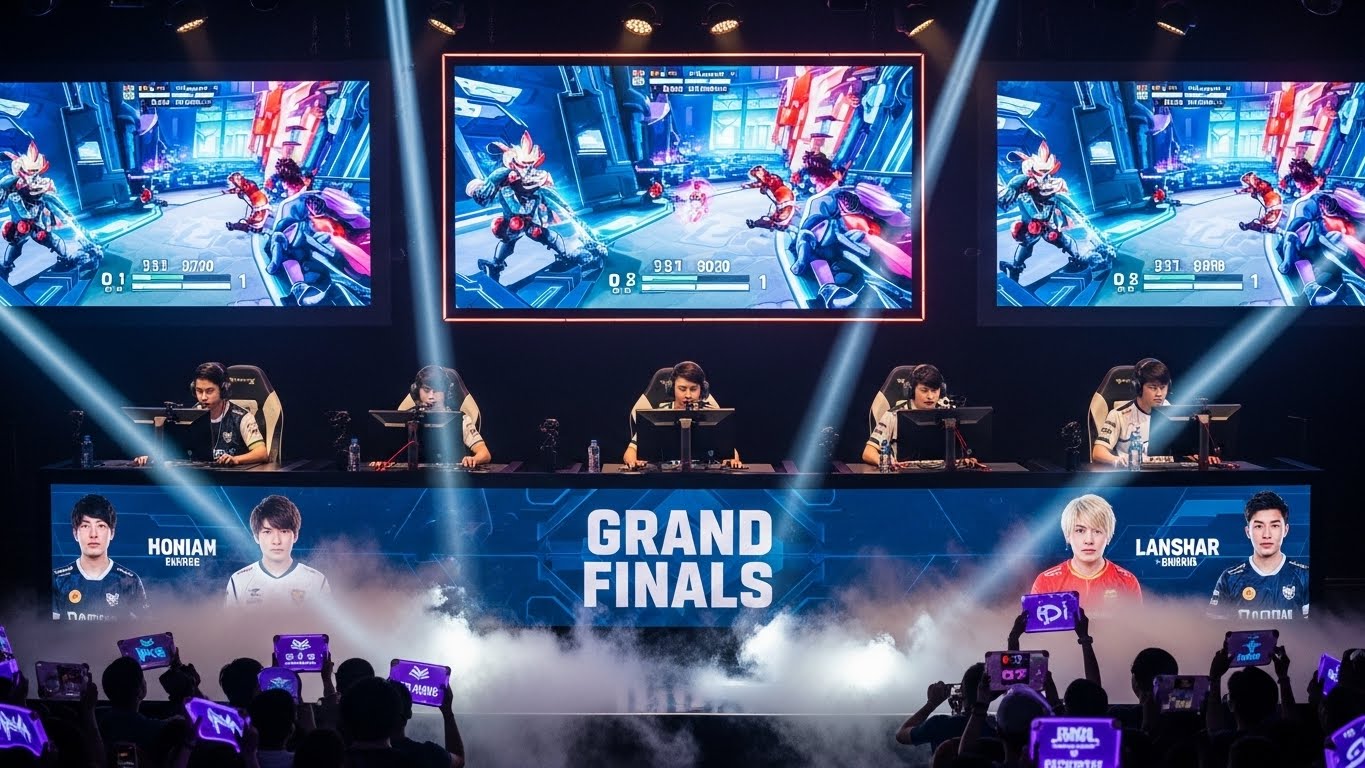
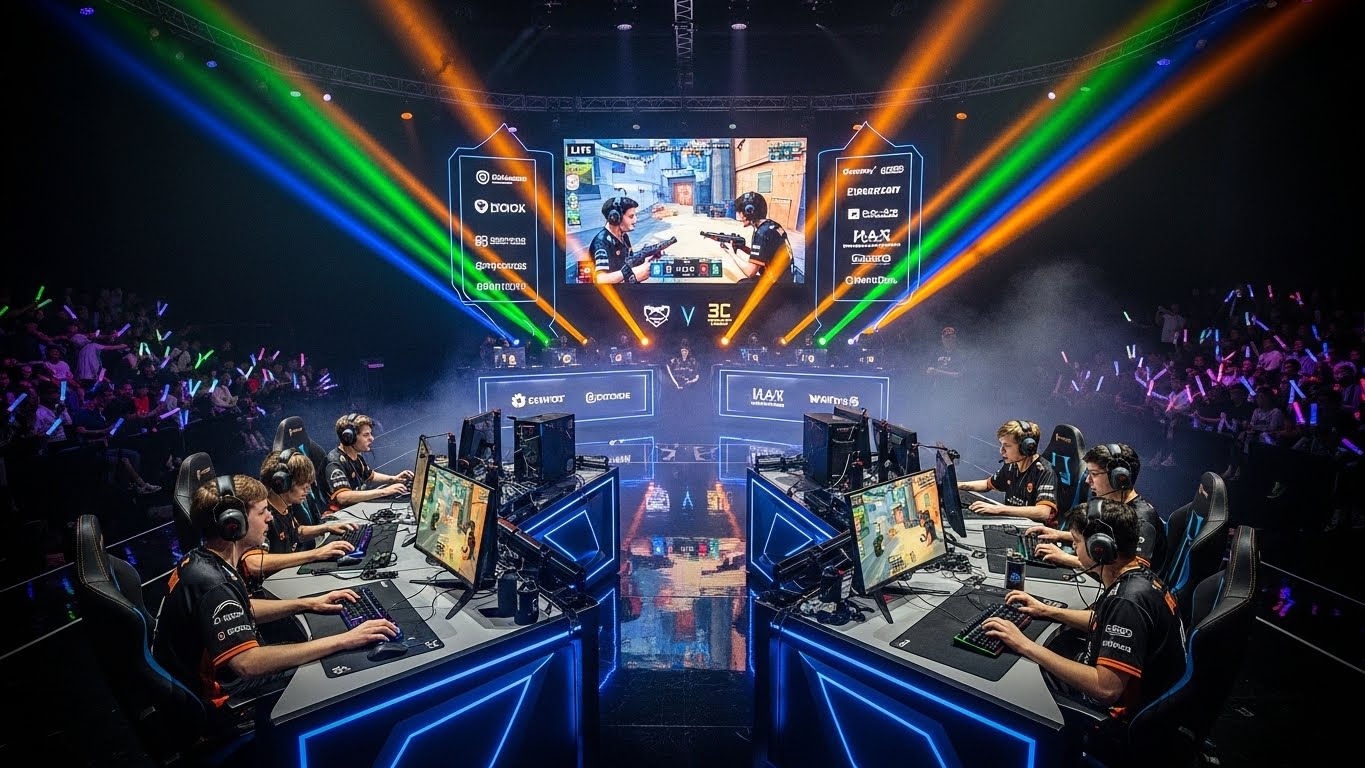
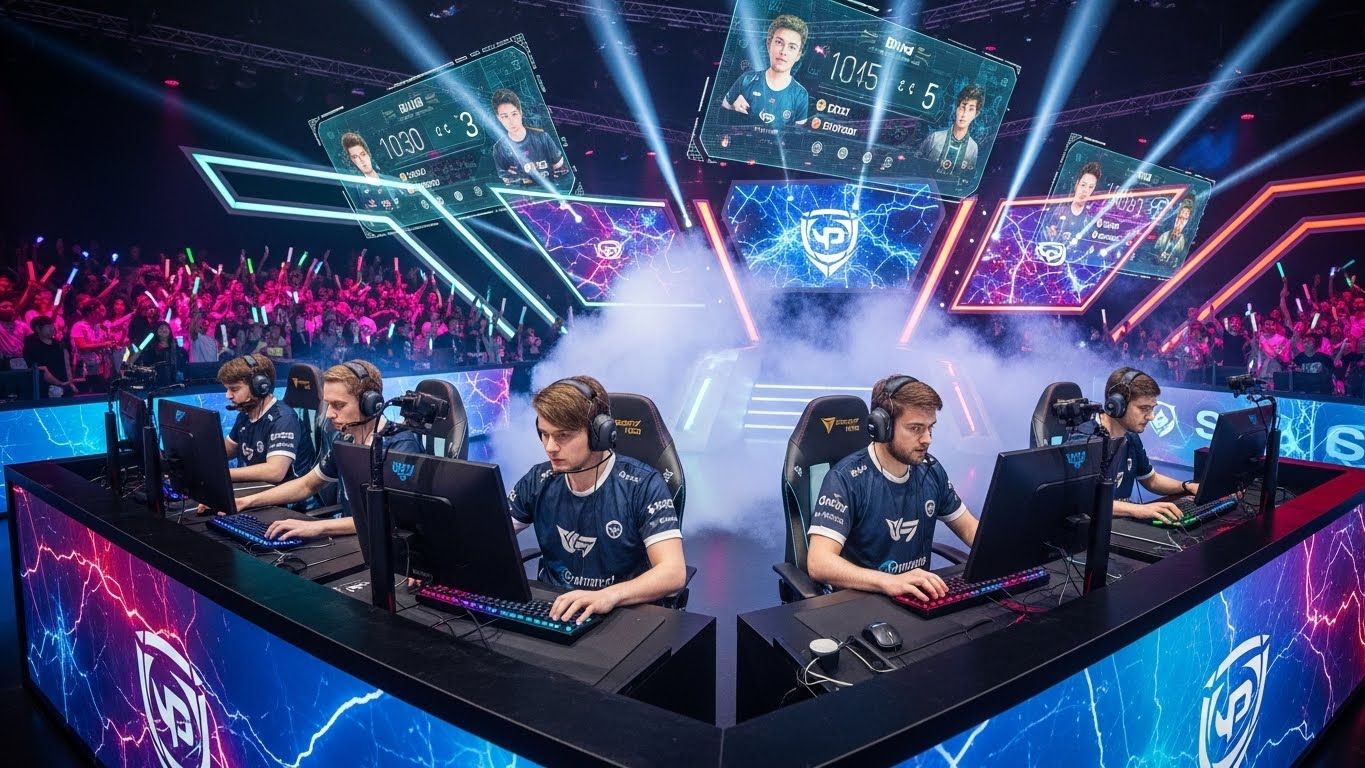
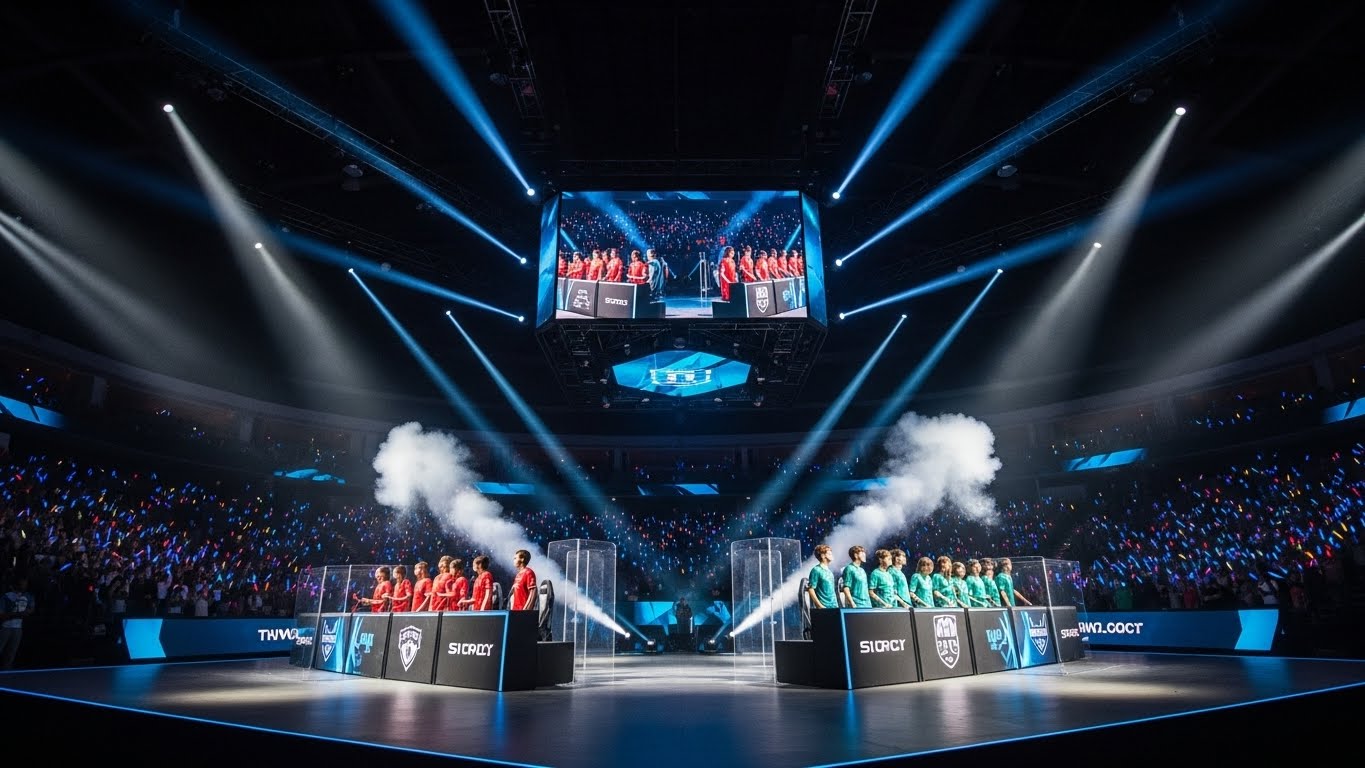
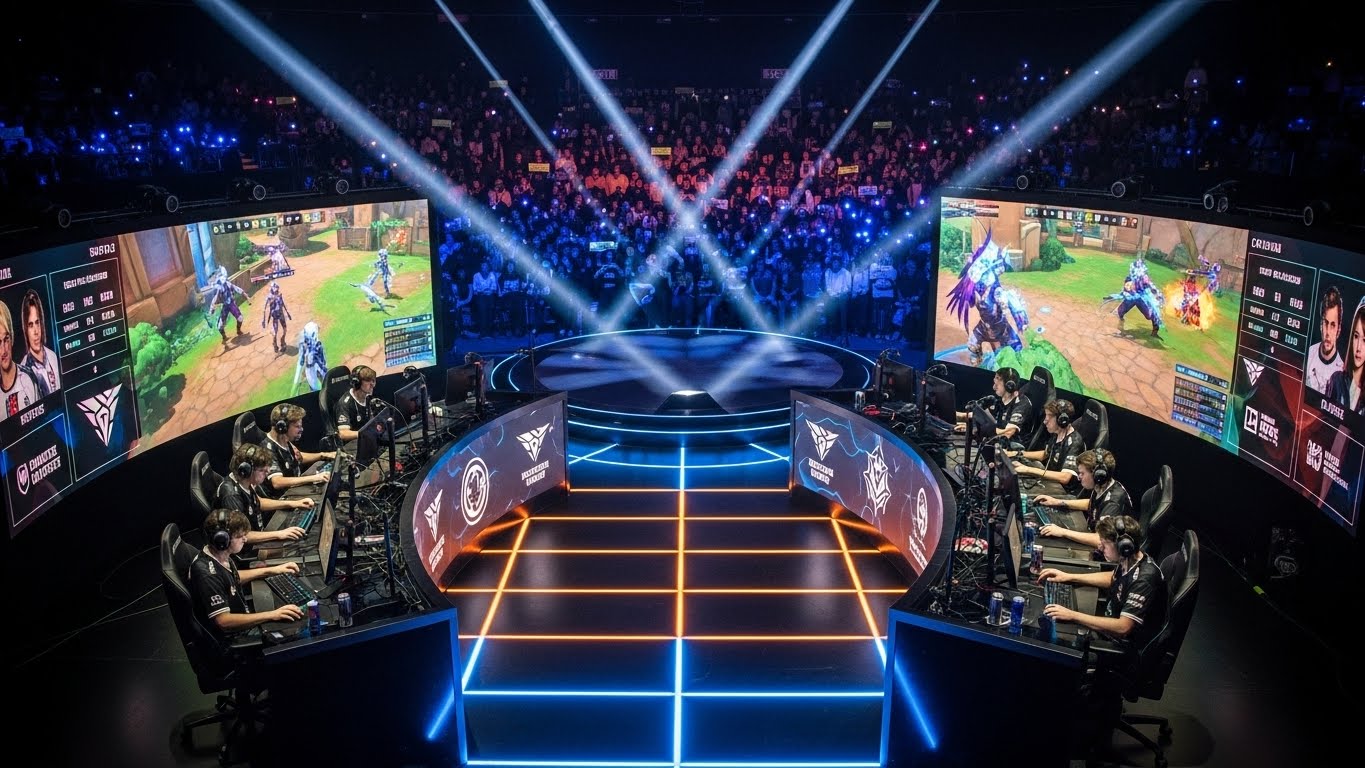
Watching esports is not just about observing gameplay; it is an interactive entertainment experience. Live commentary, expert analysis, and real-time statistics enhance viewer understanding. Fans engage through chat discussions, social media interactions, and fan events. Large-scale tournaments held in arenas replicate the excitement of traditional sports, complete with cheering crowds and elaborate stage productions. This fusion of digital competition and live entertainment has helped esports build a passionate global fanbase.
Economic Impact and Career Opportunities in Esports
The esports industry generates revenue through sponsorships, advertising, merchandise, media rights, and ticket sales. Beyond professional players, it creates diverse career opportunities. Event organizers, broadcasters, graphic designers, software developers, marketers, and content creators all play vital roles. Educational institutions are also recognizing esports by offering scholarships and degree programs focused on gaming and digital media. This expanding ecosystem highlights esports as a legitimate and sustainable career field.
Cultural Influence and Global Connectivity
Esports transcends geographical and cultural boundaries. Players from different countries compete on equal footing, fostering international collaboration and rivalry. This global nature promotes cultural exchange and mutual respect among fans. Esports has also influenced popular culture, shaping fashion trends, music collaborations, and online entertainment styles. For younger generations, esports represents a shared language and community that connects them across continents.
Challenges Facing the Esports Industry
Despite its success, esports faces several challenges. Player burnout, short career spans, and mental health concerns are ongoing issues. Maintaining fair competition requires constant vigilance against cheating and performance-enhancing software. Additionally, balancing commercialization with community values can be difficult as the industry grows. Addressing these challenges is essential for ensuring long-term sustainability and player well-being.
Esports and Education: A New Learning Platform
Esports is increasingly being integrated into educational environments. Schools and universities use competitive gaming to teach teamwork, strategic thinking, and digital literacy. Esports programs help students develop leadership and communication skills while engaging with technology in a meaningful way. This educational integration challenges outdated perceptions of gaming and highlights its potential as a constructive learning tool.
The Future of Esports Competition
The future of esports looks promising and dynamic. Advancements in technology will continue to enhance gameplay and viewer experiences. Greater inclusivity is expected, with more opportunities for diverse players and underrepresented groups. As regulatory frameworks mature, esports will gain further legitimacy on the global stage. The line between traditional sports and esports may continue to blur, creating hybrid competitive experiences.
Conclusion: A Redefined Meaning of Sport
Esports has reshaped the concept of competition in the modern world. It combines skill, strategy, technology, and entertainment in a way that resonates with a digital-first generation. More than just games, esports represents innovation, global connection, and new possibilities for professional achievement. As it continues to evolve, esports is not merely a trend but a lasting pillar of modern competitive culture.