Introduction
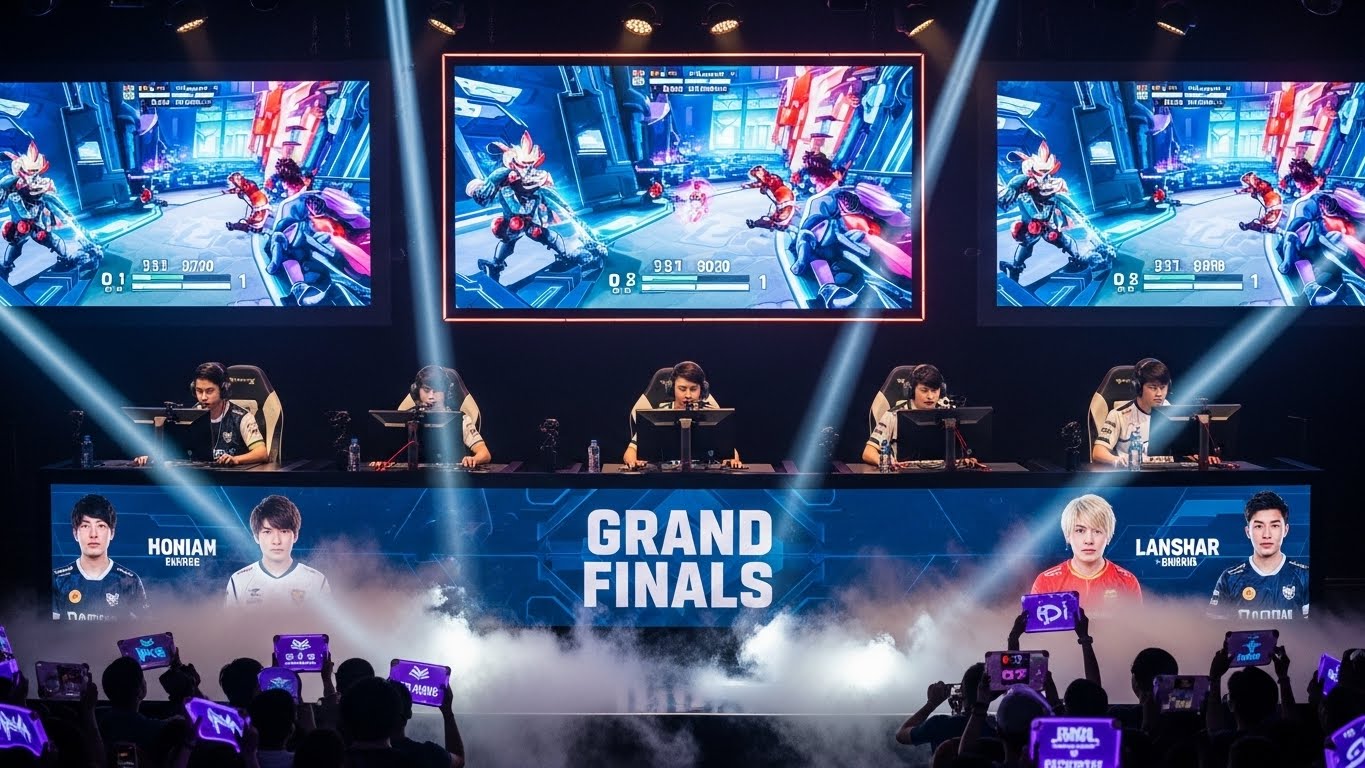
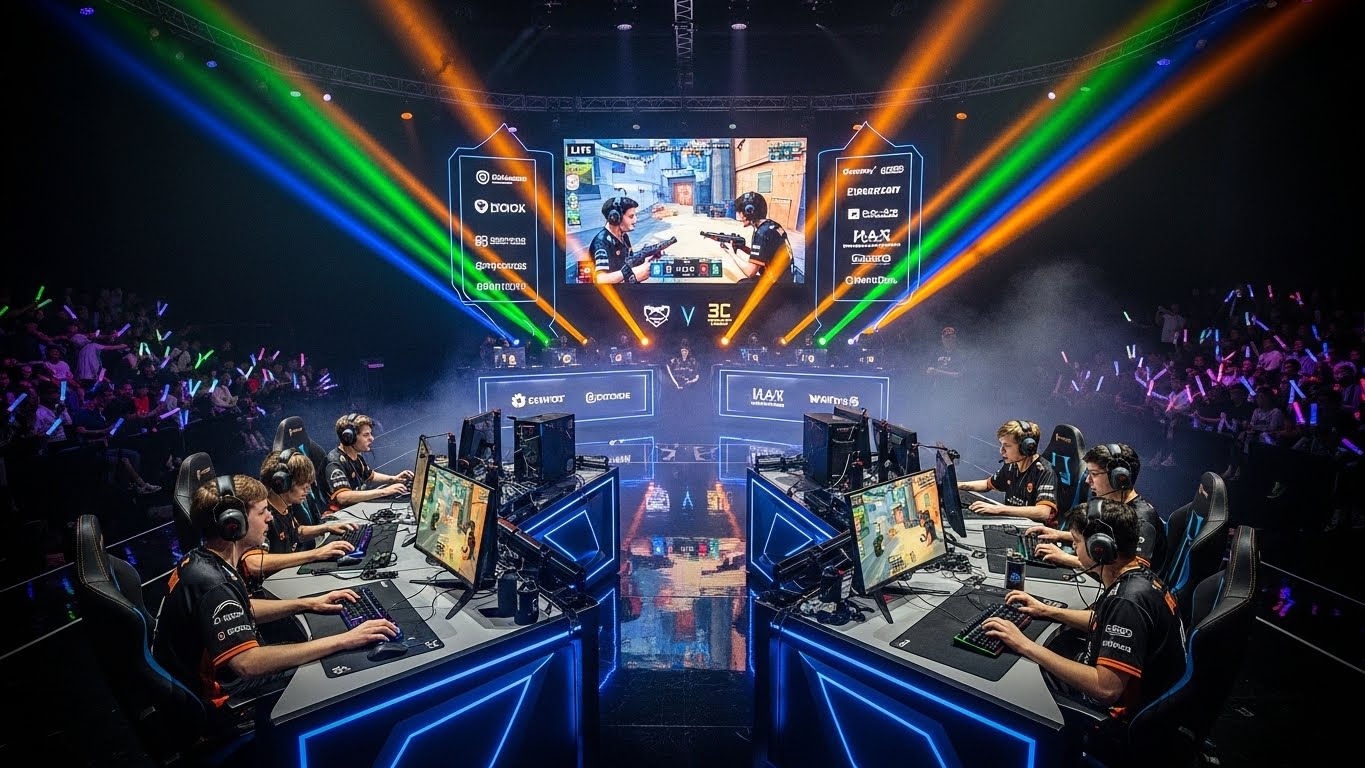
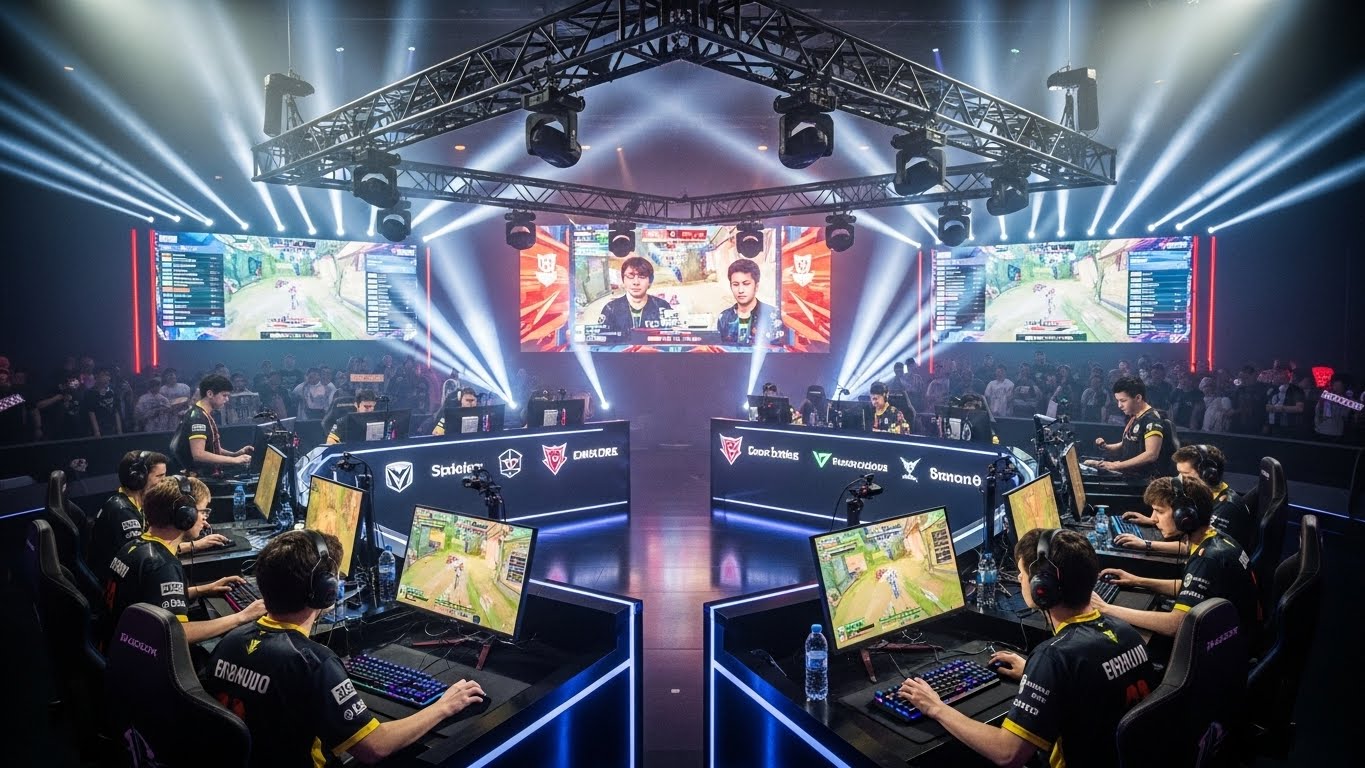
The world of gaming has evolved dramatically over the past few decades, and one of the most profound shifts has been the rise of esports. What was once considered a niche hobby for a small community of gamers has now blossomed into a multi-billion-dollar industry, attracting millions of fans, professional players, and global sponsors. Esports, short for electronic sports, is no longer confined to the basement LAN parties or local tournaments. Today, it’s a global phenomenon with major competitions, sponsorships, and even mainstream media coverage. This post takes a deep dive into the rise of esports, its impact on the gaming industry, and what the future holds for this rapidly growing sector.
The Early Days of Esports
Esports has a rich history, beginning as early as the 1970s and 1980s, when arcade games like Space Invaders and Pong were first introduced. However, it wasn’t until the 1990s that competitive gaming began to take shape. Games such as Street Fighter II and Quake became popular in the competitive gaming scene, and tournaments like the Red Annihilation event in 1997, which featured Quake players, marked the first real glimpse of organized esports.
As technology advanced, so too did the possibilities for online multiplayer gaming. The advent of high-speed internet in the late 1990s and early 2000s allowed players to compete against each other from different parts of the world. This made way for the first truly global esports events, such as the World Cyber Games (WCG) in 2000 and the Electronic Sports World Cup (ESWC) in 2003, which began to set the standard for what competitive gaming could become.
But the real game-changer in the rise of esports was the launch of StarCraft in 1998, a real-time strategy game that became a massive hit in South Korea. StarCraft became the cornerstone of South Korea’s esports scene, where it was broadcast on television and became a national obsession. This period marked the beginning of esports’ transformation from a hobbyist activity to a legitimate professional career.
Key Factors Behind Esports’ Growth
Esports didn’t reach its current level of prominence by chance. Several key factors have contributed to its rapid growth and mainstream acceptance.
1. The Evolution of Online Gaming and Streaming Platforms
One of the primary catalysts behind esports’ rise has been the evolution of online gaming platforms. Games like League of Legends, Dota 2, and Counter-Strike: Global Offensive allowed players to compete with others from around the globe, making competitive gaming accessible to anyone with an internet connection. Multiplayer games quickly became more sophisticated, adding elements of strategy, teamwork, and coordination, which made them highly engaging for both players and spectators.
The explosion of live streaming platforms such as Twitch in 2011 and YouTube Gaming in 2015 helped further solidify the esports ecosystem. These platforms allowed gamers to broadcast their gameplay to a global audience, enabling viewers to watch professional players compete in real-time from the comfort of their own homes. The live streaming of major tournaments created an entirely new way for fans to interact with their favorite games and players.
2. Professionalization of Esports
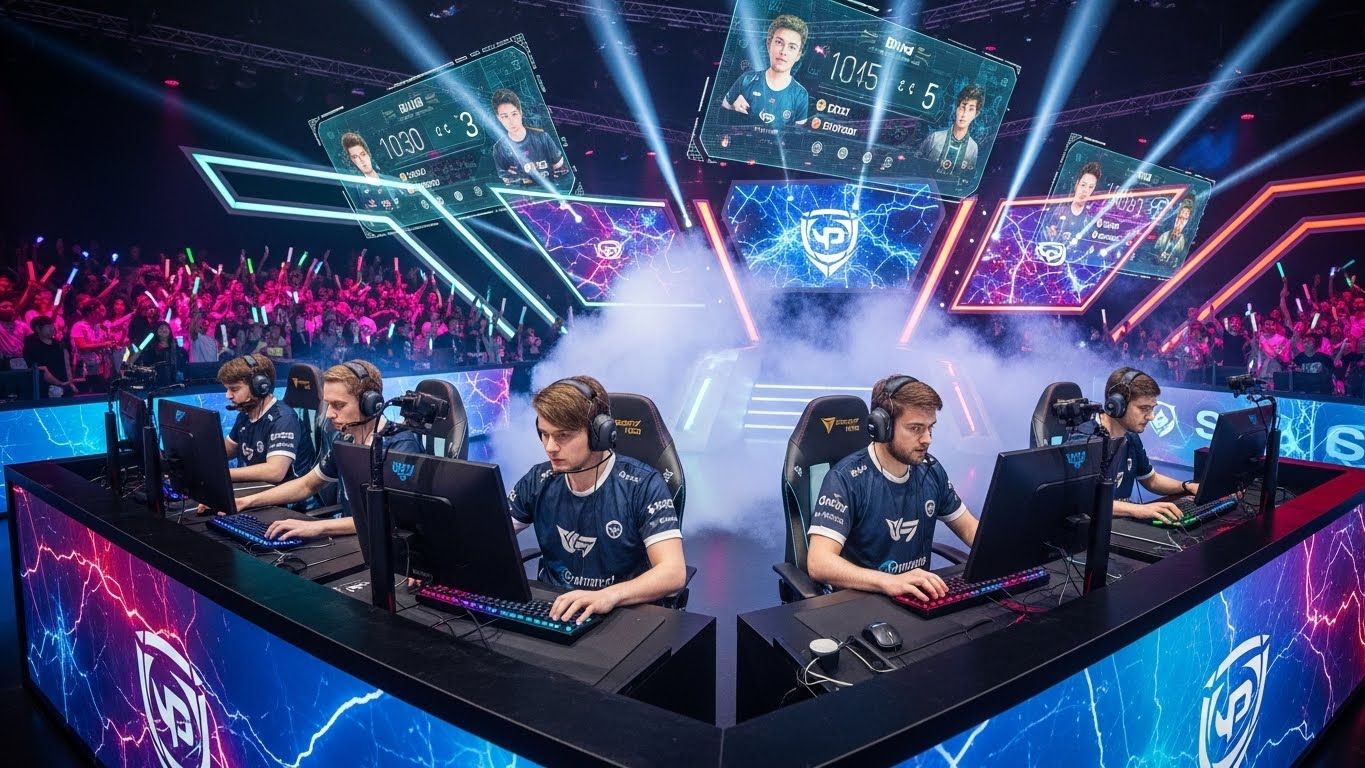
As esports grew, so did the professionalization of the industry. In the early years, players were often amateurs, participating in tournaments for the love of the game. But as the esports scene grew, so did the potential for players to make a living from competitive gaming. Today, professional players often have contracts, coaches, analysts, and even team managers, similar to traditional sports teams.
Major esports organizations like Cloud9, Team Liquid, and Fnatic sign players to exclusive contracts, paying them salaries and offering performance-based incentives. These organizations have become the backbone of the esports industry, managing teams, facilitating sponsorships, and helping cultivate talent.
3. The Rise of Esports as a Spectator Sport
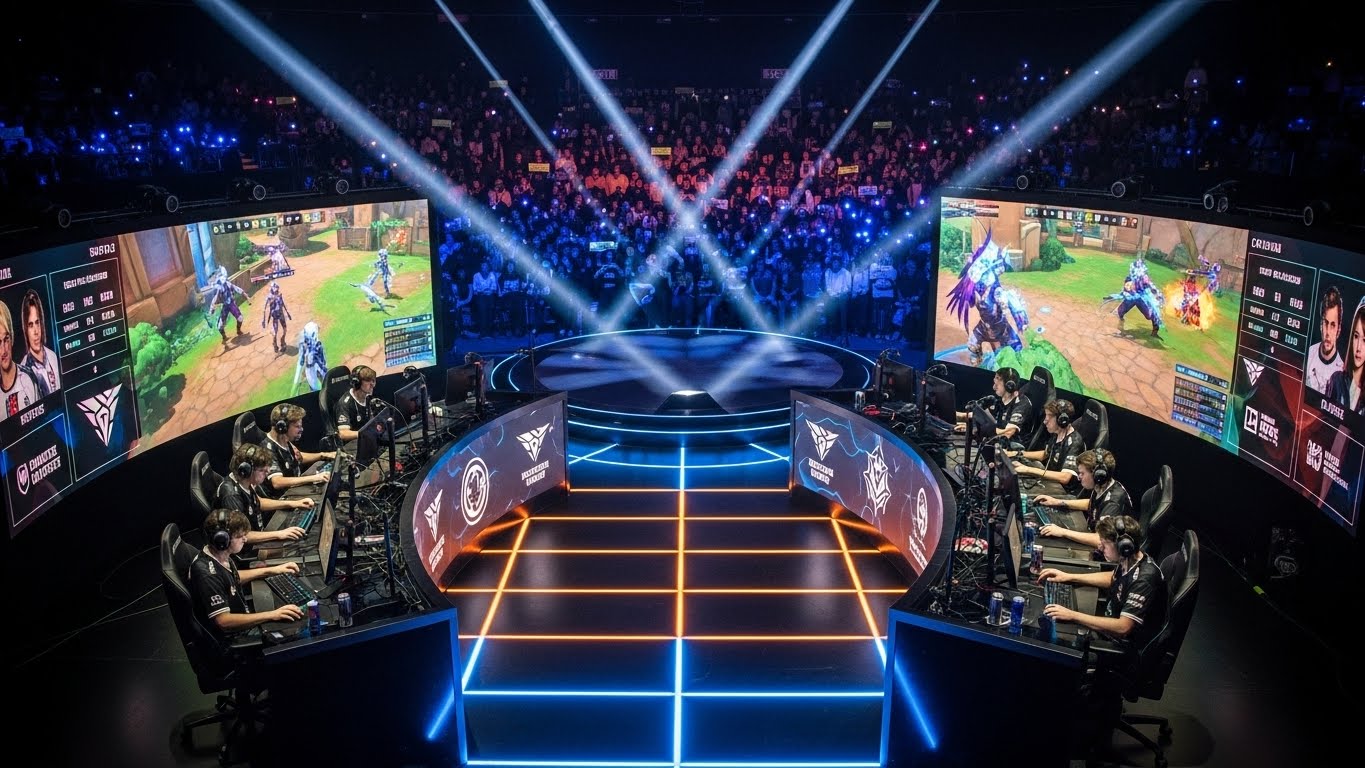
Another major factor in the growth of esports has been its rise as a spectator sport. Esports events now attract hundreds of thousands of live viewers, and major tournaments can even fill arenas and stadiums. For example, the League of Legends World Championship in 2020 attracted over 45 million unique viewers across multiple streaming platforms, a figure that rivals some of the most popular traditional sports events.
Esports’ popularity as a spectator sport is further boosted by its accessibility. Unlike traditional sports, where fans need to watch events on TV or in person, esports can be consumed from anywhere in the world via live streams. In addition, the format of many esports competitions, which feature high stakes, fast-paced action, and intense rivalries, is tailor-made for engaging live audiences.
4. Corporate Sponsorships and Media Partnerships
The massive growth of esports has attracted major corporate sponsors and media networks eager to get involved in this lucrative market. Global companies such as Intel, Coca-Cola, Red Bull, and Nike have all jumped on the esports bandwagon, sponsoring teams, players, and events. These sponsorships not only provide financial backing for esports but also lend legitimacy to the industry as a whole.
Media partnerships have also played a significant role in promoting esports. Networks like ESPN, TBS, and even BBC have aired esports competitions, and video streaming services like Netflix have produced documentaries on the esports industry. These partnerships bring esports to a wider audience and give it exposure outside of the gaming community.
The Economic Impact of Esports
Esports is no longer just a hobby or niche activity; it’s a thriving global industry. According to market research firm Newzoo, the global esports industry was projected to generate over $1.5 billion in revenue in 2023. This growth is driven by sponsorships, advertising, media rights, merchandise sales, and ticket sales for live events.
Prize money has also skyrocketed in recent years, with top-tier esports competitions offering millions of dollars in winnings. The International, an annual Dota 2 tournament, set the record for the largest prize pool in esports history, reaching over $40 million in 2021. Similarly, the League of Legends World Championship has consistently offered prize pools in the tens of millions of dollars, attracting top players from around the world.
Esports also generates significant revenue through live events. While the COVID-19 pandemic temporarily halted in-person events, they have since made a strong return. Major tournaments now fill arenas and stadiums, attracting tens of thousands of fans. These events, combined with the ability to stream them online, provide multiple revenue streams for organizers and players alike.
Esports and the Gaming Community
Esports has had a profound effect on the gaming community as a whole. In the past, gaming was often viewed as a solitary activity or something that was only enjoyed casually. Esports, however, has turned gaming into a highly social and collaborative experience.
One of the most significant ways esports has impacted the gaming community is by fostering a sense of competition and camaraderie. Professional players and amateur gamers alike form teams and compete in tournaments, whether online or in-person. This community-oriented environment has brought people together from around the world who share a passion for gaming.
Furthermore, esports has provided a platform for players to rise to stardom. Just like traditional athletes, professional gamers are now household names, and many enjoy celebrity status. In countries like South Korea and China, esports players are as revered as professional athletes in any other sport, with sponsorships, media attention, and adoration from fans.
The Challenges Facing Esports
While the future of esports looks incredibly promising, it’s not without its challenges. One of the biggest hurdles is sustainability. The esports ecosystem is highly dependent on sponsorships, media deals, and player participation. If interest wanes or if the quality of competitions diminishes, the industry could face setbacks.
Another challenge is the mental and physical well-being of professional players. Many esports athletes spend long hours training, leading to issues such as burnout, repetitive strain injuries, and mental health struggles. There’s a growing awareness of the importance of player welfare, but more support systems are needed to ensure the long-term health of the players.
Finally, there is the issue of accessibility. While esports has made great strides in terms of reaching a global audience, there are still significant barriers to entry, particularly in developing regions. Issues like access to high-speed internet, gaming equipment, and even the knowledge of competitive games can limit the potential for players in these areas.
The Future of Esports
Looking ahead, the future of esports appears incredibly bright. With advancements in technology, including virtual reality (VR), augmented reality (AR), and even artificial intelligence (AI), esports could evolve into entirely new forms of competition. VR and AR, for example, could create fully immersive esports experiences that change how players and fans interact with the game world.
The continued expansion of esports in education is also a promising development. Many universities are now offering esports scholarships, and entire college leagues have been established, allowing students to pursue both education and competitive gaming. This will only help grow the player pool and ensure a steady stream of talent for professional leagues.
Moreover, the growth of mobile esports is likely to further increase the global reach of competitive gaming. With the proliferation of smartphones and tablets, mobile esports titles like PUBG Mobile and Free Fire are already gaining significant traction, especially in regions like Southeast Asia and Latin America.
Conclusion
Esports has gone from being a niche activity to a global powerhouse, with millions of fans, professional players, and multi-million-dollar sponsorships. The rise of esports has been driven by several factors, including the evolution of online gaming, the professionalization of players and teams, and the rise of streaming platforms like Twitch. Esports has had a profound impact on the gaming community, creating a new era where