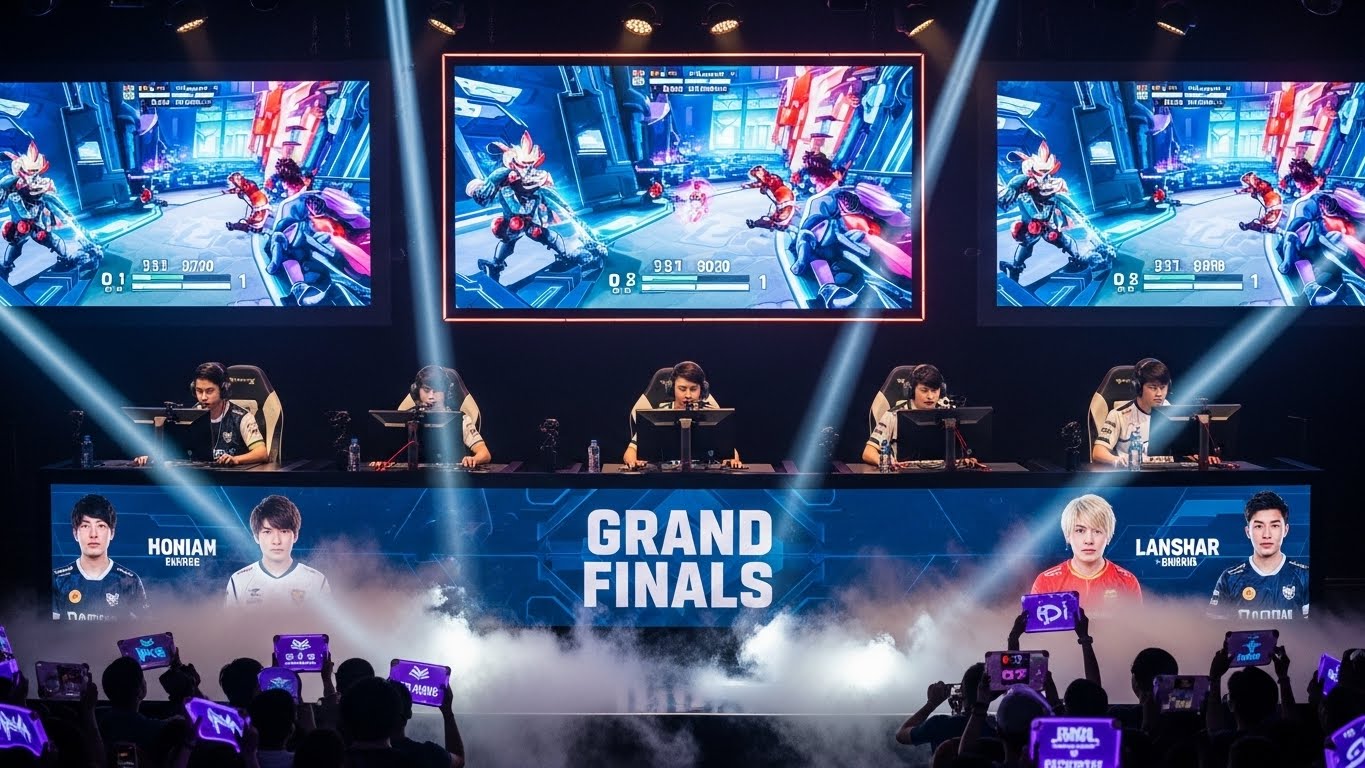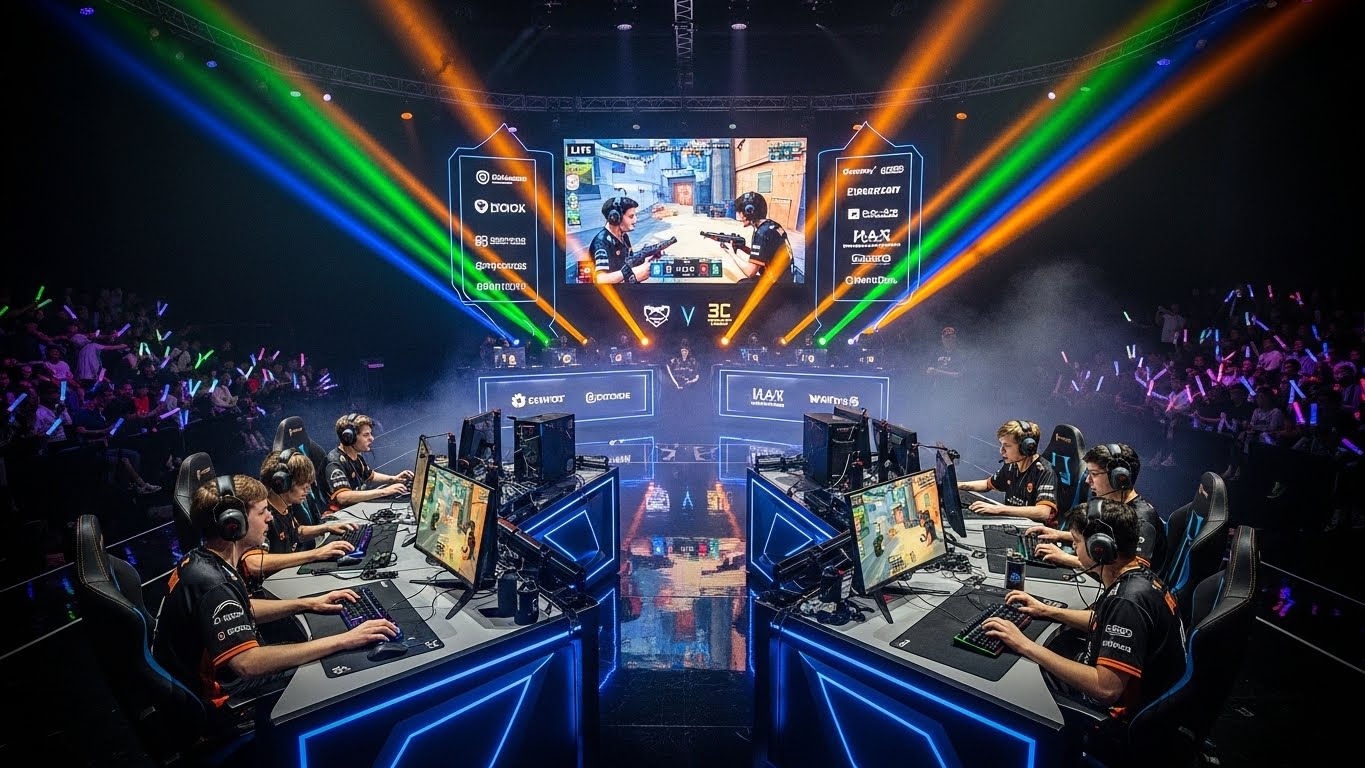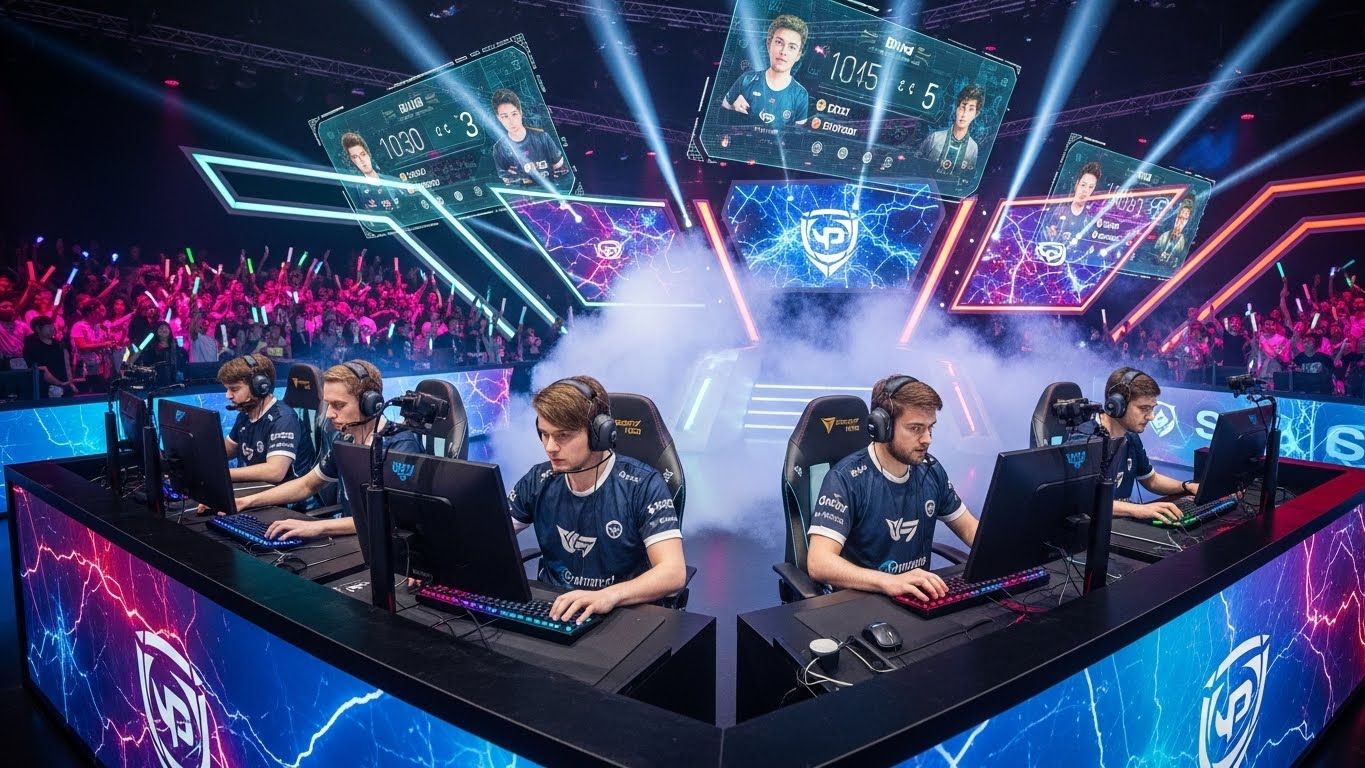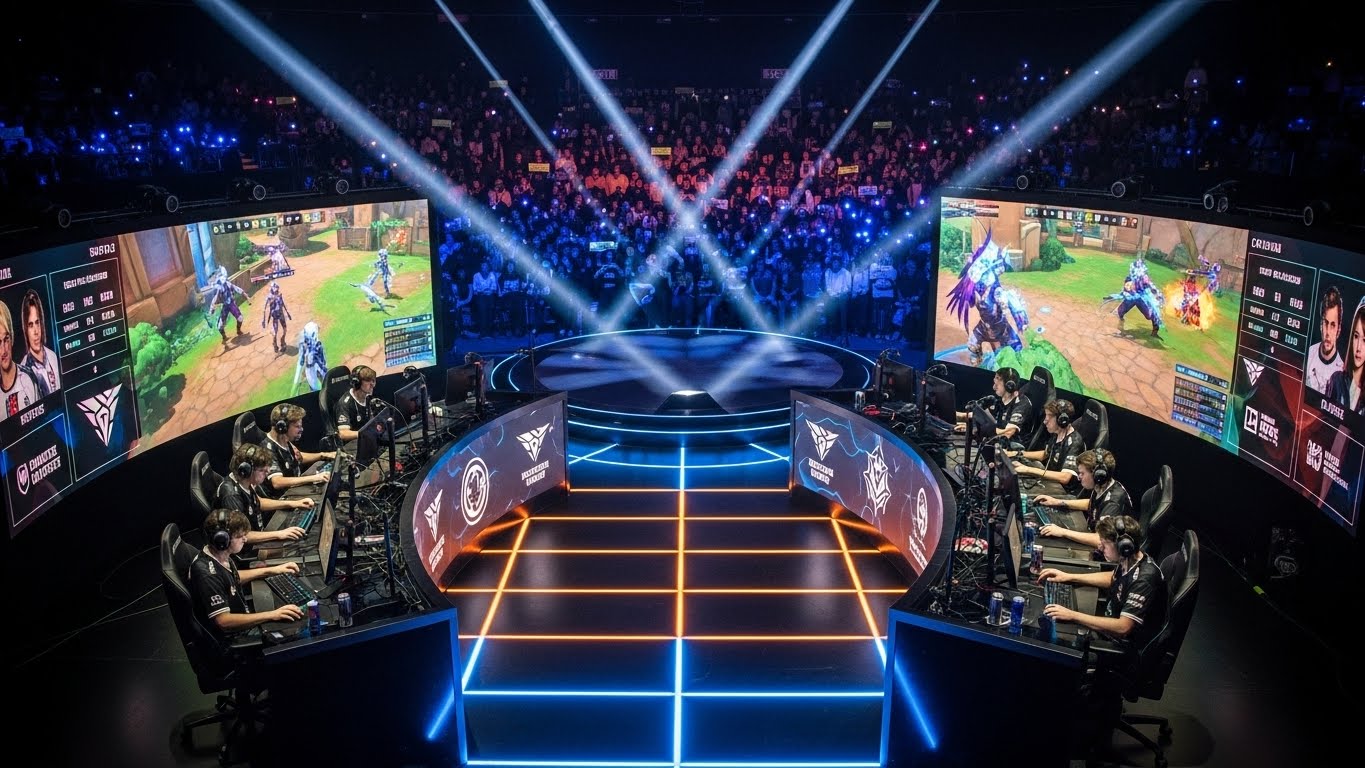
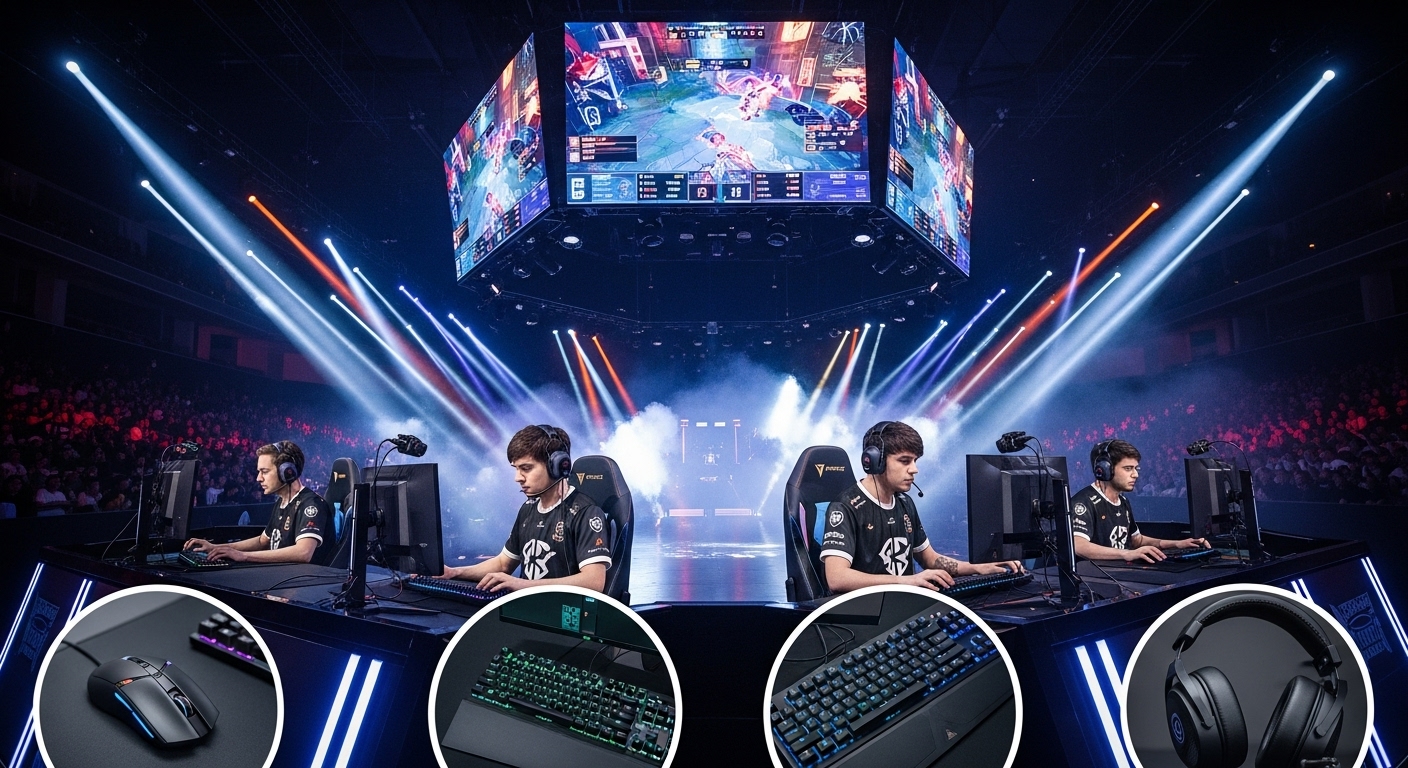
Esports, short for electronic sports, is a thriving industry that has evolved from its humble beginnings to a global multi-billion dollar phenomenon. Today, professional gamers are as well-known as traditional athletes, and large esports tournaments attract millions of viewers both in person and online. But how did esports rise to prominence, and what makes it so captivating to millions of fans around the world? In this blog post, we will explore the history, growth, and impact of esports, as well as its future potential in the world of entertainment and sports.
The Birth of Esports: Origins and Early Days
The roots of esports can be traced back to the early 1970s when competitive gaming was born, albeit in a much smaller, less formalized way than we see today. The first known gaming tournament took place in 1972 at Stanford University, where students competed in a game called Spacewar. The competition was small, with a handful of participants, but it set the stage for the first steps of competitive gaming.
Fast forward to the late 1980s and early 1990s, when arcade gaming began to boom. Games like Street Fighter and Pac-Man allowed players to compete for high scores, and informal tournaments began to emerge. However, it wasn’t until the advent of personal computers and online gaming in the 1990s that esports truly started to form as a legitimate competitive activity.
The Rise of PC Gaming: The 1990s and Early 2000s
The 1990s were a defining decade for esports. With the proliferation of personal computers and the internet, online multiplayer games became a huge attraction. Titles like Quake and StarCraft began to lay the foundation for what would eventually become professional esports. Quake, released in 1996, featured the first major competitive gaming event — the Red Annihilation tournament in 1997, where players competed for a car as a prize. This tournament, although small by today’s standards, is often credited as one of the first true esports events.
Around the same time, StarCraft emerged as one of the most significant games in the development of esports, especially in South Korea. Its popularity led to the creation of professional teams and organized competitions, ultimately paving the way for the modern esports industry. South Korea, in particular, became the epicenter of competitive gaming, with events broadcast on national television and a thriving professional scene.
The late 1990s and early 2000s also saw the rise of the first online multiplayer games, which allowed players to compete against each other from across the globe. Games like Counter-Strike, Warcraft III, and Dota introduced the concept of team-based competitions, where players needed to work together to achieve victory. This shift from solo player games to team-based strategies marked a significant step in the evolution of esports.
The Golden Age of Esports: Mid to Late 2000s
As the internet continued to evolve and broadband became more accessible, the early 2000s witnessed the rapid growth of esports. Tournaments such as World Cyber Games (WCG) and The Electronic Sports World Cup (ESWC) began to draw larger audiences and offer significant prize pools. The concept of “professional gamers” became more mainstream as sponsorships, endorsements, and media coverage started to expand.
In 2004, League of Legends was launched, and it quickly became one of the most popular esports titles of all time. Its success ushered in a new era of esports tournaments, with the League of Legends World Championship growing exponentially in both viewership and prestige over the following years.
Meanwhile, Counter-Strike continued to dominate competitive gaming, and its subsequent versions, such as Counter-Strike: Source and Counter-Strike: Global Offensive, would become some of the most-played esports titles in history. Games like StarCraft II and Dota 2 also cemented their place in the esports ecosystem with competitive leagues and tournaments.
The Rise of Streaming Platforms and Esports Broadcasts
The rise of streaming platforms in the late 2000s and early 2010s had a profound impact on esports. Twitch, founded in 2011, quickly became the primary platform for gamers to broadcast their gameplay to global audiences. It allowed fans to watch live tournaments, interact with their favorite players, and follow teams in real time. The growth of Twitch coincided with the rise of esports, as millions of viewers tuned in to watch competitive games.
By the early 2010s, Twitch had become the go-to platform for esports events, and esports organizations began to embrace streaming as a way to increase engagement with fans. Major tournaments, including The International (the annual Dota 2 championship), League of Legends Worlds, and Counter-Strike: Global Offensive Majors, attracted millions of live viewers on Twitch. For the first time, esports was no longer just for the players; it was for the fans, too.
In addition to Twitch, YouTube and Facebook Gaming also began investing heavily in esports content, providing more opportunities for players, organizations, and teams to reach a wider audience.
Esports as a Mainstream Entertainment Industry
By the mid-2010s, esports had transformed from a niche hobby into a fully-fledged entertainment industry. Professional gaming teams were formed, sponsors poured money into tournaments, and major brands started to recognize the value of esports as a marketing tool. Players began to earn salaries, sponsorship deals, and even prize money that rivaled traditional athletes.
Tournaments grew to offer millions of dollars in prize pools. The Dota 2 International tournament, for example, offered a prize pool of over $40 million in 2021, setting a new standard for the size and prestige of esports events. Major corporations, including Coca-Cola, Red Bull, Intel, and Audi, became regular sponsors of esports tournaments, helping to legitimize the industry and further propel its growth.
Esports also began to attract the attention of traditional sports organizations. In 2018, the NBA’s Philadelphia 76ers bought an esports team, while major European soccer clubs like Paris Saint-Germain and Manchester City formed their own esports divisions. The crossover between esports and traditional sports marked a turning point, with esports being accepted as a legitimate form of competition and entertainment on the world stage.
The Role of Esports in the Digital Age
Esports thrives in the digital age, where the internet has become the primary mode of communication and entertainment for millions of people. With the rise of social media, streaming platforms, and digital content creation, esports has tapped into the massive digital audience of young people who are looking for alternative forms of entertainment. Unlike traditional sports, which often require physical infrastructure, esports can be played and watched from anywhere in the world with an internet connection.
The accessibility of esports is one of the key reasons for its rapid growth. Fans can watch live events from the comfort of their homes, participate in online tournaments, and engage with players and teams on social media. Esports has also attracted a younger demographic, with many players and fans being in their teens or twenties. This generation, more familiar with technology and digital entertainment, has embraced esports as their preferred form of entertainment, further fueling its popularity.
In addition, esports has become a global phenomenon, with tournaments and competitions taking place all around the world. While South Korea was the initial epicenter of esports, other regions, including North America, Europe, and China, have developed thriving esports scenes. Major cities like Los Angeles, Berlin, and Shanghai are home to large esports arenas and hosting international tournaments.
The Impact of Esports on Education and Career Opportunities
One of the most notable trends in esports over the past decade has been the increasing recognition of gaming as a legitimate career. Competitive gaming, once viewed as a hobby or a form of entertainment, is now seen as a viable career path for many young people. The rise of esports has also led to the creation of academic programs and scholarships dedicated to the study of esports management, game design, and other related fields.
Many universities and colleges around the world now offer esports scholarships, and esports clubs have become a common feature at educational institutions. This allows students to pursue both their academic and gaming interests, creating new career opportunities in a variety of industries. Esports has become an industry in itself, creating jobs in game development, event management, marketing, streaming, and more.
Esports has also paved the way for new forms of education, as many professional gamers share their skills and strategies through streaming and online tutorials. Aspiring gamers can now learn directly from the pros, improving their skills and advancing their careers with guidance from those who have already succeeded in the industry.
The Future of Esports: Challenges and Opportunities
Despite its immense growth, the future of esports is not without challenges. As the industry continues to expand, there are concerns over player health, the sustainability of prize pools, and the need for regulation. The physically demanding nature of competitive gaming has led to a rise in injuries such as carpal tunnel syndrome and eye strain, and there is growing concern about the mental toll of the competitive gaming lifestyle.
Additionally, while esports prize pools have skyrocketed in recent years, there are concerns about whether this model is sustainable in the long term. Tournament organizers and sponsors will need to find ways to ensure that the industry remains financially viable without sacrificing the quality of competitions.
On the flip side, the future of esports is incredibly promising. The continued development of virtual reality (VR) and augmented reality (AR) technologies could revolutionize the way esports are played and experienced. As VR headsets become more affordable and immersive, it’s possible that esports will evolve into a more interactive experience, where players and fans can participate in new ways.
Moreover, the potential inclusion of esports in multi-sport events like the Olympics continues to be a topic of debate. If esports were to become an official Olympic event, it would signal a new level of recognition and legitimacy for the industry. While challenges remain, the future of esports looks brighter than ever.
Conclusion
Esports has come a long way since its humble beginnings in the 1970s. From a niche pastime to a global entertainment industry, esports has captured the hearts and minds of millions of fans around the world. With its explosive growth in recent years, esports is well on its way to becoming as mainstream as traditional sports, if not more so.
As the industry continues to evolve, new opportunities and challenges will arise. The rise of streaming platforms, the increasing professionalization of players and teams, and the global nature of esports have all contributed to its success. Esports is no longer just about playing video games; it’s about creating a vibrant and engaging community that brings people together to celebrate competition, skill, and passion.
Looking ahead, the future of esports seems limitless. As technology advances and new forms of entertainment emerge, esports will continue to adapt and thrive in the digital age. Whether you’re a player, a fan, or an industry professional, there’s no denying that esports is here to stay and will continue to shape the future of entertainment for years to come.