Introduction: The Rapid Growth of Esports
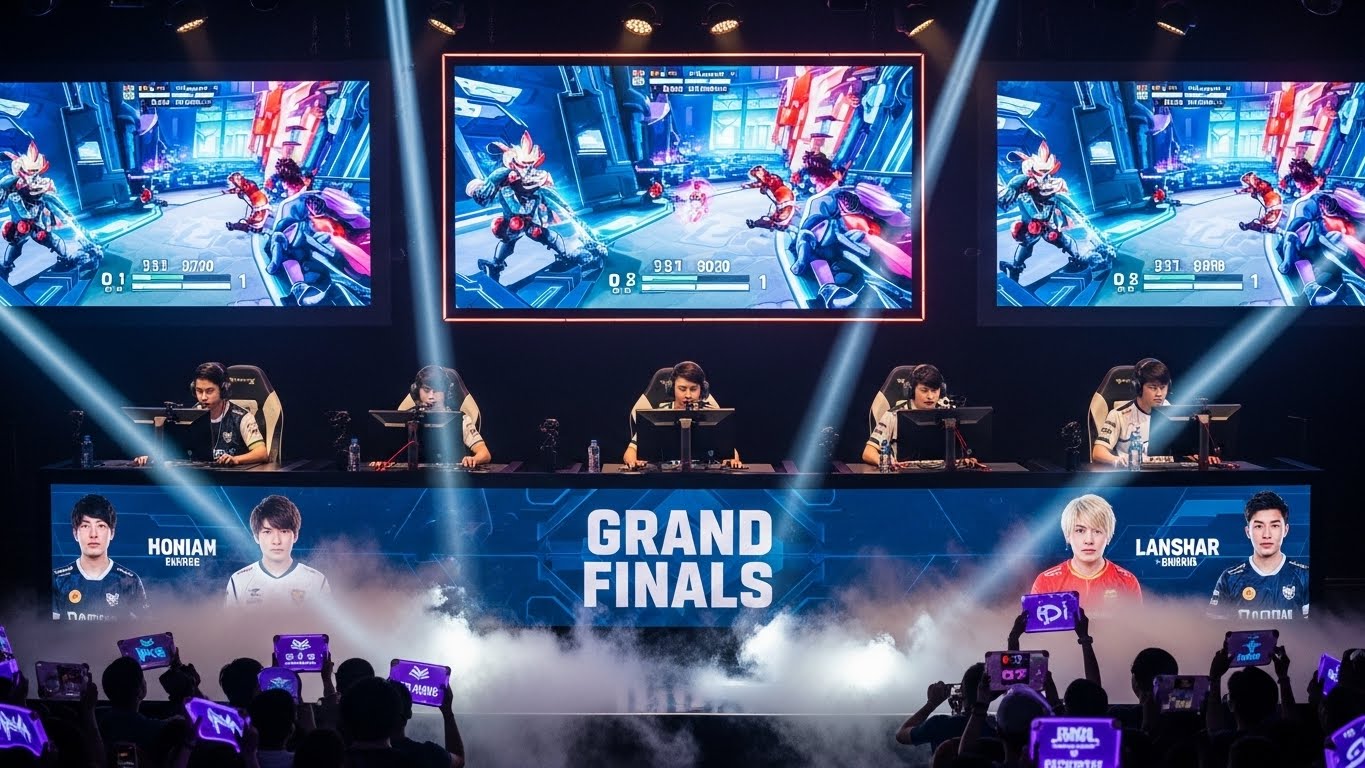
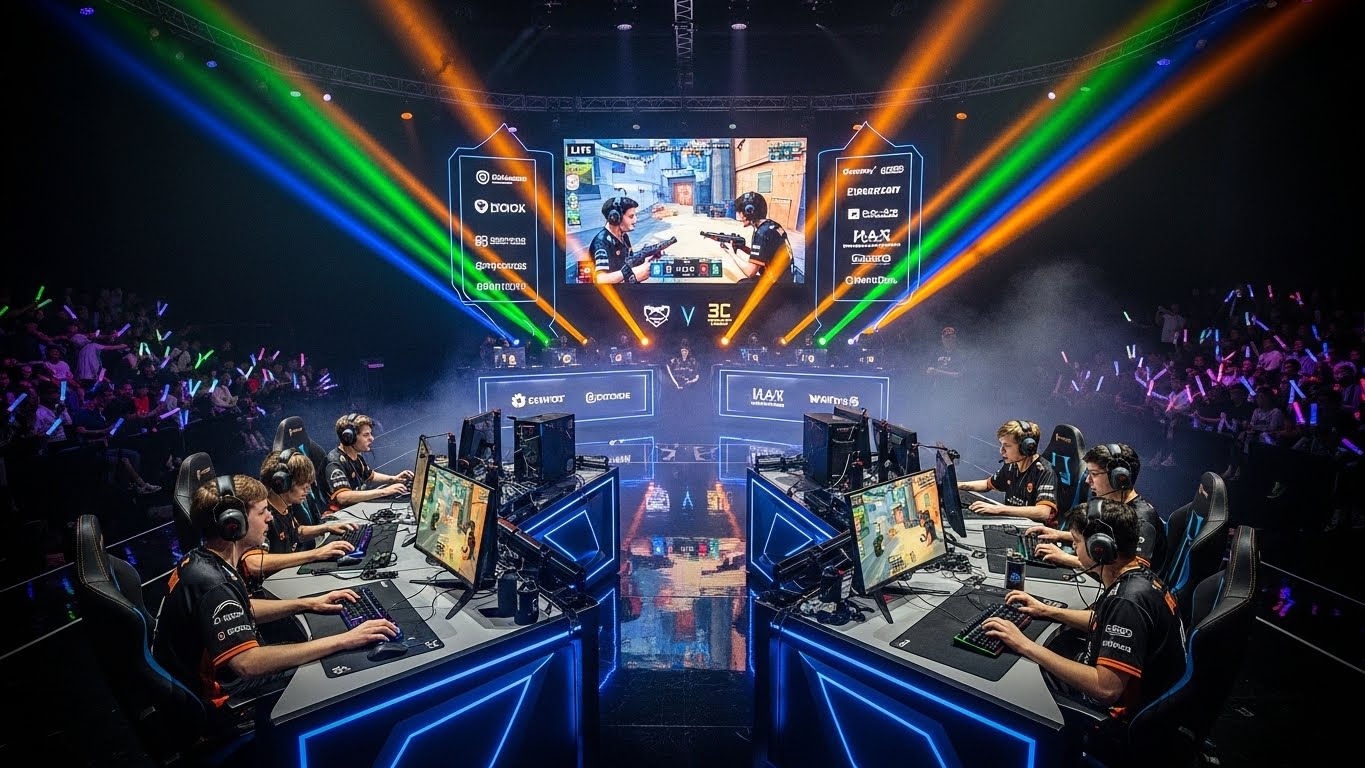
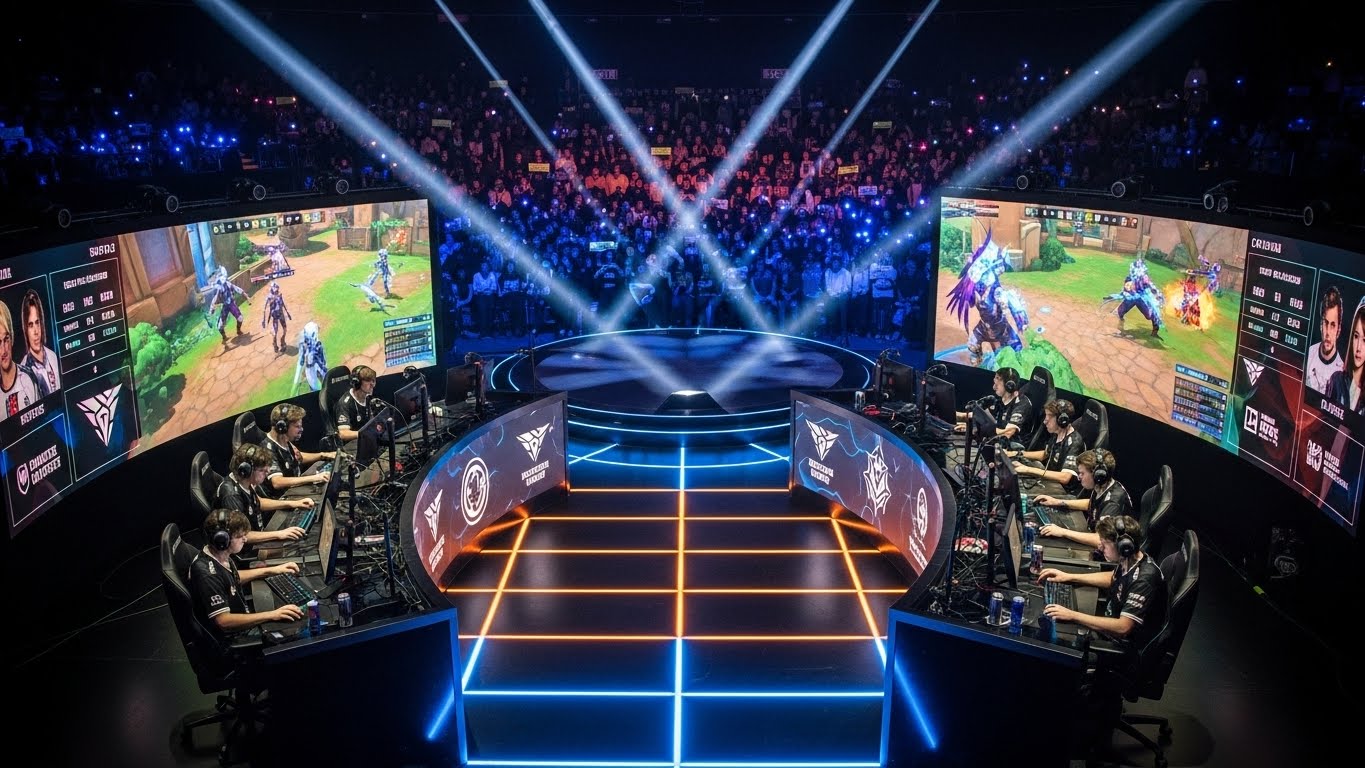
Esports, once a niche hobby enjoyed by a small group of passionate gamers, has quickly become a global phenomenon. What began as informal competitions among friends has transformed into an organized, multi-billion-dollar industry that attracts millions of viewers, players, and investors worldwide. As video games have evolved, so too has the competitive gaming scene, leading to the rise of esports as a legitimate form of professional entertainment. Today, esports encompasses a wide range of genres, from real-time strategy (RTS) games and multiplayer online battle arenas (MOBA) to first-person shooters (FPS) and even sports simulators. With large-scale tournaments, professional teams, sponsorship deals, and streaming platforms, esports is quickly becoming a dominant force in the entertainment landscape.
Esports: A Brief Overview
At its core, esports involves organized multiplayer video game competitions between professional players, teams, or individuals. Unlike casual gaming, esports is characterized by high levels of competition, skill development, and strategic planning. Players train rigorously, much like athletes in traditional sports, to perfect their skills, understand game mechanics, and develop strategies that give them an edge over their opponents. Esports competitions are held across a variety of games, each with its own set of rules and objectives. Some popular games include League of Legends, Counter-Strike: Global Offensive, Dota 2, Fortnite, and Overwatch.
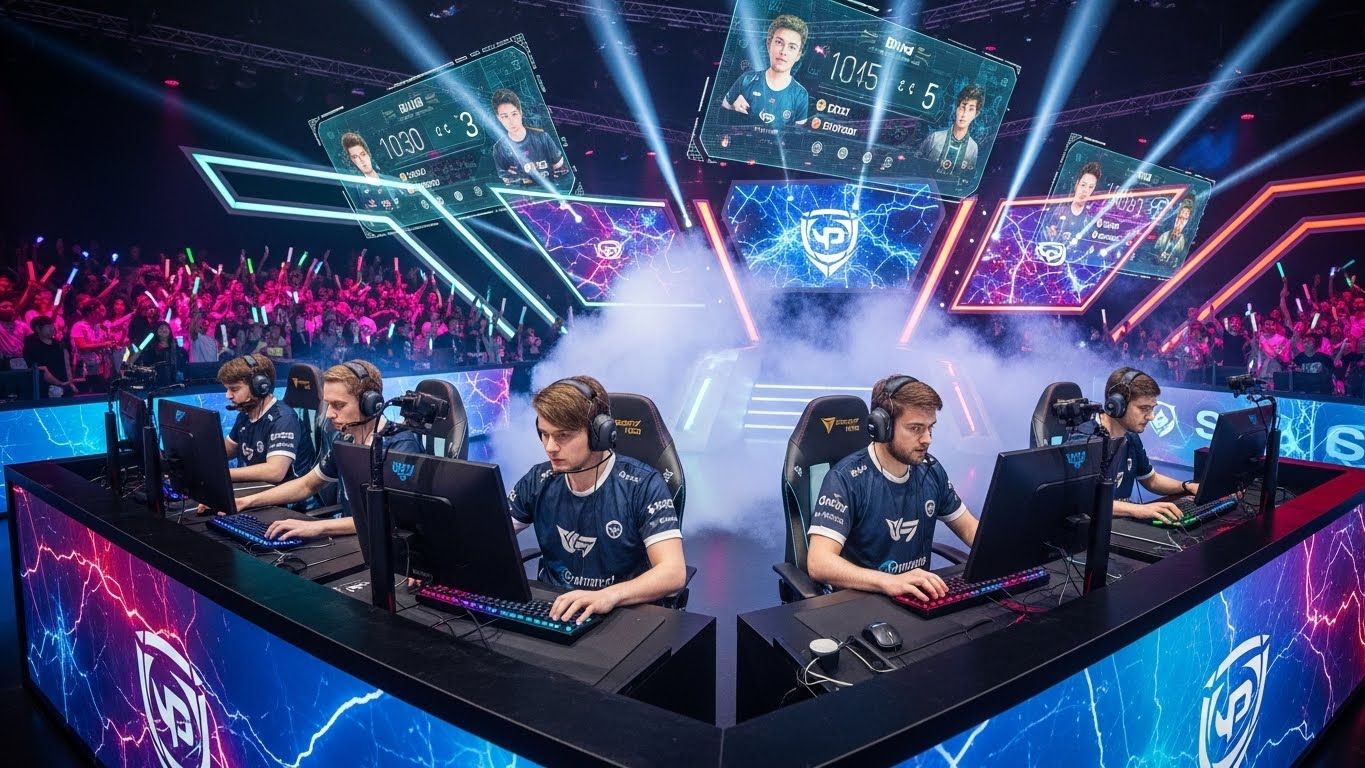
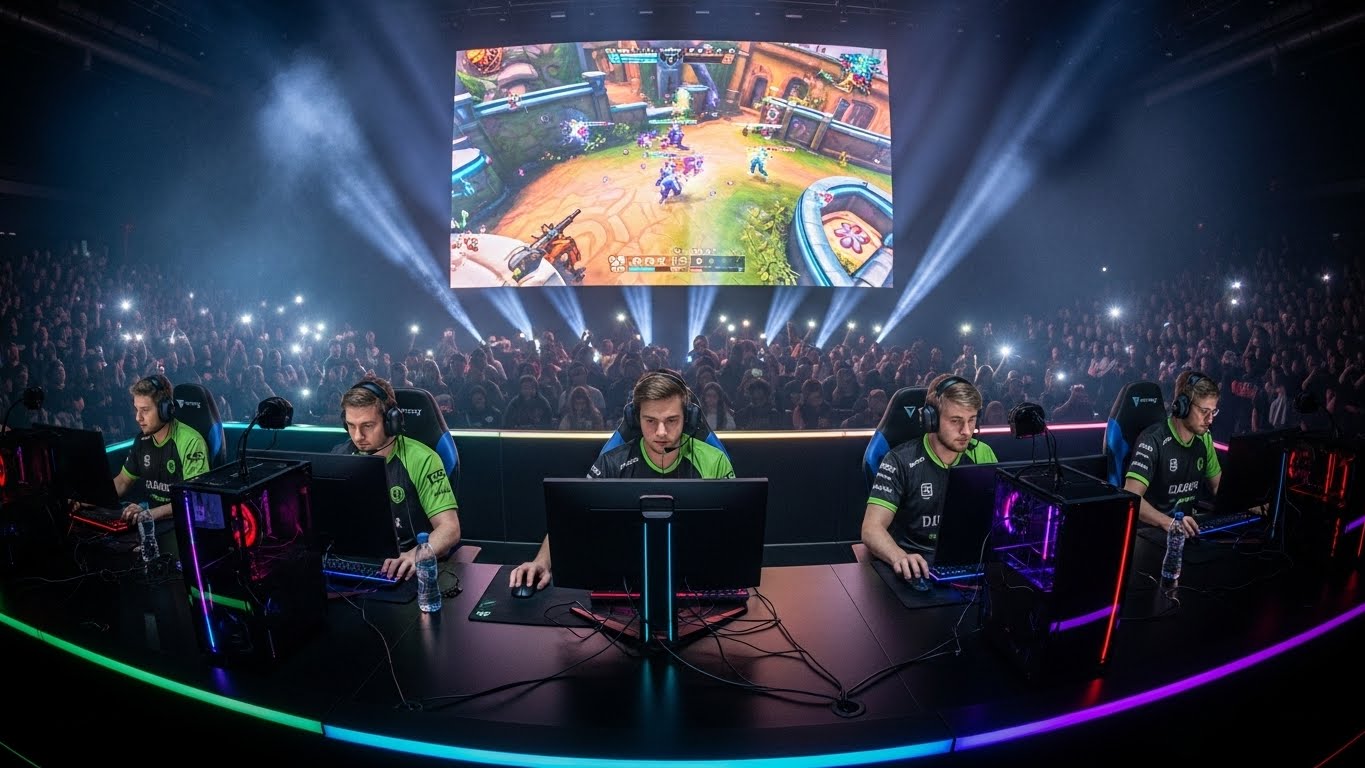
Esports tournaments are typically broadcasted live, with audiences watching in person at arenas or tuning in online through platforms such as Twitch, YouTube, or Facebook Gaming. The global appeal of these events has been further amplified by sponsorships, media rights, and prize money, creating a thriving ecosystem that supports players, teams, event organizers, and content creators.
The Esports Industry: A Thriving Ecosystem
The esports ecosystem is incredibly diverse, involving various stakeholders who contribute to its growth. At the center of this ecosystem are the professional players and teams. These individuals or groups of gamers dedicate a large portion of their lives to improving their skills, strategizing, and competing in tournaments. Just like athletes in traditional sports, esports players typically have intense training schedules, with some teams practicing up to 12 hours a day. The training regimens focus not only on technical skills but also on mental toughness and teamwork.
Esports organizations, such as Team Liquid, Cloud9, and FaZe Clan, manage professional teams, handling everything from recruitment and sponsorships to marketing and merchandise sales. These teams often operate like businesses, with coaches, analysts, and managers who help improve player performance and create a brand identity.
Sponsorship plays a huge role in the growth of esports. Big-name brands like Coca-Cola, Intel, Nike, and BMW have entered the esports arena, providing financial support for teams, events, and players. In exchange, companies get the opportunity to market their products to a highly engaged and growing audience. This influx of investment has contributed to prize pools reaching millions of dollars for major tournaments, making esports not only an exciting spectacle but a viable career path for top-tier players.
The Appeal of Esports: Why It’s Becoming So Popular
Esports’ popularity can be attributed to several factors. One of the most significant reasons is the accessibility of gaming itself. Unlike traditional sports that require physical space, equipment, and sometimes a team, all you need for esports is a computer or console and an internet connection. This accessibility means that anyone, anywhere, can get involved in gaming and even compete at a high level. The relatively low barrier to entry has allowed esports to become a truly global phenomenon, attracting participants from all corners of the world.
Another factor contributing to the rise of esports is the increasing appeal of live streaming platforms. Twitch, the most popular platform for watching esports, has millions of active viewers who tune in to watch not only professional competitions but also casual gameplay, commentary, and live discussions. The interactivity of live streaming allows fans to engage with players and fellow fans in real-time, creating a sense of community. This level of engagement is something that traditional sports have struggled to match, making esports a unique and interactive form of entertainment.
Furthermore, esports offers a level of excitement and drama that keeps fans coming back. Major tournaments are often filled with nail-biting moments, upsets, and underdog victories. The sheer intensity of these competitions makes esports a thrilling spectator experience. Players’ individual skills and strategic decisions can change the course of a game in an instant, adding to the suspense and excitement. This unpredictability is something that resonates with viewers, making them feel emotionally invested in the outcome.
The Career Path: Becoming a Professional Esports Player
Becoming a professional esports player is no easy feat. While the appeal of fame and fortune may seem tempting, the road to success is paved with hard work, dedication, and sacrifice. Professional players typically begin their careers at a young age, often in their teens, and invest countless hours into improving their gameplay. This dedication can involve practicing several hours a day, studying game mechanics, and competing in lower-tier tournaments to build their skills and reputation.
As players rise through the ranks, they may join professional teams that provide coaching, support, and resources to help them reach their full potential. Once they reach the professional level, players compete in large tournaments for a chance at significant prize money, sponsorship deals, and fame. Some of the most successful players in esports have earned millions in prize money alone, and many supplement their income through streaming, content creation, and sponsorship deals.
However, the career of a professional esports player is relatively short. Most players peak in their early twenties, and maintaining top-tier performance can become increasingly difficult as they age. The intense mental and physical demands of competitive gaming, along with the rise of new, younger talent, mean that many players transition to roles such as coaching, analysis, or content creation once their competitive careers wind down. This cyclical nature of professional esports careers emphasizes the importance of adaptability in the industry.
Esports and the Youth Generation: Education and Development
While professional esports players are the face of the industry, the benefits of esports extend to younger generations who engage with gaming in various ways. Many schools and universities now offer esports programs, allowing students to pursue careers in gaming while also receiving an education. These programs often include coaching, game design, digital media, and marketing, providing students with a comprehensive understanding of the esports ecosystem.
Esports programs in educational settings also offer scholarships, allowing talented young gamers to continue their education while pursuing their passion for gaming. In fact, some universities have created dedicated esports arenas, where students can train and compete in a collegiate league. These programs not only promote gaming as a legitimate career path but also teach valuable life skills such as teamwork, communication, leadership, and strategic thinking.
In addition to formal education, esports provides opportunities for personal development. Players and fans alike learn about the importance of perseverance, resilience, and mental strength. Competing at a high level often requires players to handle pressure, cope with failure, and continually improve. These are skills that are transferable to many other aspects of life, making esports a valuable tool for personal growth.
Challenges Facing the Esports Industry
While esports is a booming industry, it is not without its challenges. One of the biggest issues facing esports is the lack of regulation and standardization. Unlike traditional sports, where governing bodies oversee rules and regulations, esports has a fragmented structure with different game publishers, leagues, and tournament organizers. This lack of uniformity can sometimes lead to confusion, inconsistency, and even corruption, as seen in cases of cheating or match-fixing.
Another challenge is the physical and mental toll that competitive gaming can take on players. Many esports players experience burnout due to long training hours, intense competition, and the pressure to perform at a high level. Mental health issues, such as anxiety and depression, have also been reported, as players struggle to cope with the emotional demands of their careers. As the industry matures, there will be an increasing need for better support systems for players, including mental health resources and career longevity planning.
The Future of Esports: Endless Possibilities
The future of esports is incredibly bright. With technology continuously advancing, esports will likely become even more immersive, interactive, and widespread. Virtual reality (VR) and augmented reality (AR) may play a pivotal role in the evolution of esports, offering new ways for players and viewers to experience competitive gaming. Esports could eventually merge with traditional sports, with hybrid events combining physical athleticism and digital gaming.
Furthermore, the continued rise of streaming platforms and the increasing integration of esports with other forms of media will help further normalize and popularize competitive gaming. Esports may one day be viewed alongside traditional sports in terms of cultural importance, attracting global audiences and potentially even inclusion in major events like the Olympic Games.
Conclusion: Esports as the Future of Entertainment
Esports has proven itself as much more than just a passing trend—it is a global movement that is redefining how we view competition, entertainment, and gaming. With its immense popularity, competitive structure, and diverse audience, esports is no longer a subculture; it is a cultural force that continues to shape the future of entertainment. As the industry grows and evolves, esports will continue to inspire, engage, and entertain millions around the world. Whether you are a player, fan, or casual observer, it is clear that esports is here to stay, and its influence will only grow in the years to come.