Introduction
In the past two decades, esports has transformed from a casual pastime into a global phenomenon that rivals traditional sports in both popularity and revenue. Once dismissed as a hobby for young gamers, competitive gaming has evolved into a professional industry attracting millions of fans, substantial sponsorships, and global recognition. Esports is no longer confined to bedrooms or local gaming cafes; it is a cultural movement, a profession, and a source of entertainment that transcends age, geography, and social background. As technology advances and digital media becomes more pervasive, esports continues to redefine what competition, teamwork, and athleticism mean in the modern world.
The Origins of Competitive Gaming
The history of competitive gaming stretches back to the early 1970s, when the first video game tournaments began to appear. One of the earliest recorded competitions took place at Stanford University in 1972, featuring the game Spacewar. The prize was modest—a magazine subscription—but the event sparked a culture of organized competition that would grow over the decades. During the 1980s, arcade games like Pac-Man, Donkey Kong, and Street Fighter brought players together, turning gaming into a social and competitive activity. Leaderboards and local tournaments allowed players to showcase their skill, laying the foundation for professional competitive gaming.
The 1990s saw the rise of home consoles and multiplayer games, allowing players to compete beyond local arcades. Games such as Doom, Quake, and Warcraft III popularized online gaming, connecting players from different cities and even countries. This period established the framework for organized leagues and international tournaments, creating the first recognizable professional esports scene.
The Internet Revolution and Global Expansion
The early 2000s marked a turning point for esports due to the expansion of the internet. Broadband connections replaced slower dial-up systems, enabling smoother online gameplay and fostering international gaming communities. Titles like Counter-Strike, StarCraft, and Warcraft III became central to competitive gaming, while South Korea emerged as a global leader in esports infrastructure. Televised StarCraft tournaments drew millions of viewers, demonstrating the potential for esports to rival traditional sports in both audience size and cultural influence.
Meanwhile, Western countries began developing their own competitive leagues, with LAN parties and early online tournaments providing platforms for professional growth. The internet did more than connect players; it connected cultures. International tournaments allowed players from different countries to compete, exchange strategies, and form lasting networks, creating a shared global identity among esports enthusiasts.
The Role of Streaming in Esports Growth
Streaming platforms have been instrumental in transforming esports into a mainstream entertainment medium. Prior to live streaming, fans had limited access to tournaments, relying on recorded clips or written summaries. Platforms like Twitch and YouTube Gaming enabled real-time broadcasts of competitions, allowing viewers to watch matches as they happened and interact with both players and fellow fans.
Streaming democratized the esports industry by allowing players from around the world to showcase their talent and gain recognition without needing a formal tournament platform. The rise of influencer culture in gaming also contributed to esports’ popularity, as top players became celebrities with devoted fan bases. Sponsorships, merchandising, and fan engagement grew rapidly, establishing esports as a profitable and sustainable career path.
Professionalization of Esports
The growth of esports audiences created a need for more structured professional leagues. Teams transformed from casual groups into organized businesses with management, coaching staff, analysts, and dedicated training facilities. Players now sign contracts that include salaries, performance bonuses, and sponsorship deals, similar to traditional athletes.
Professional esports organizations often operate like sports franchises, investing heavily in player development and infrastructure. Players undergo rigorous training schedules, including practice sessions, strategy meetings, and physical conditioning. Sports psychologists and nutritionists are employed to optimize performance and manage stress. The level of professionalism in esports has shifted perceptions, proving that gaming is not just a hobby but a serious and disciplined pursuit.
Major Tournaments and Global Competitions
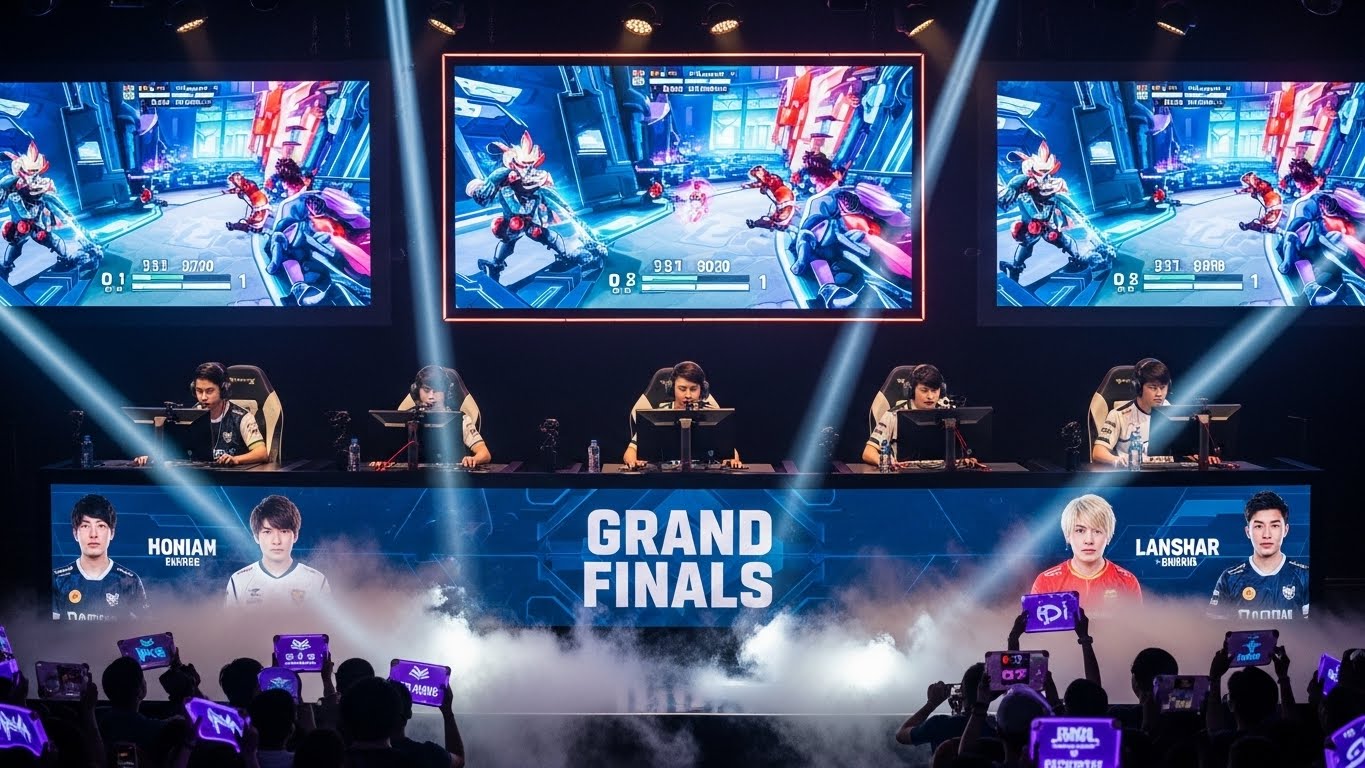
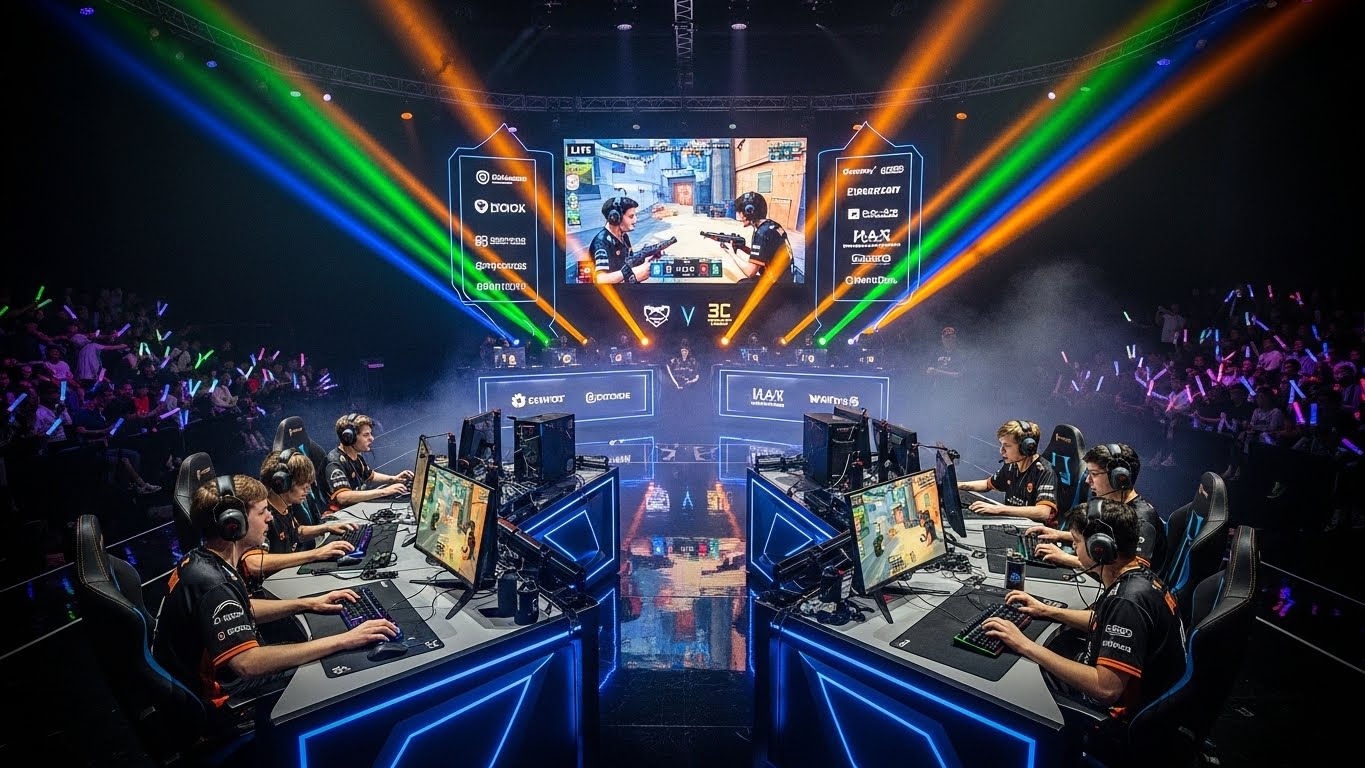
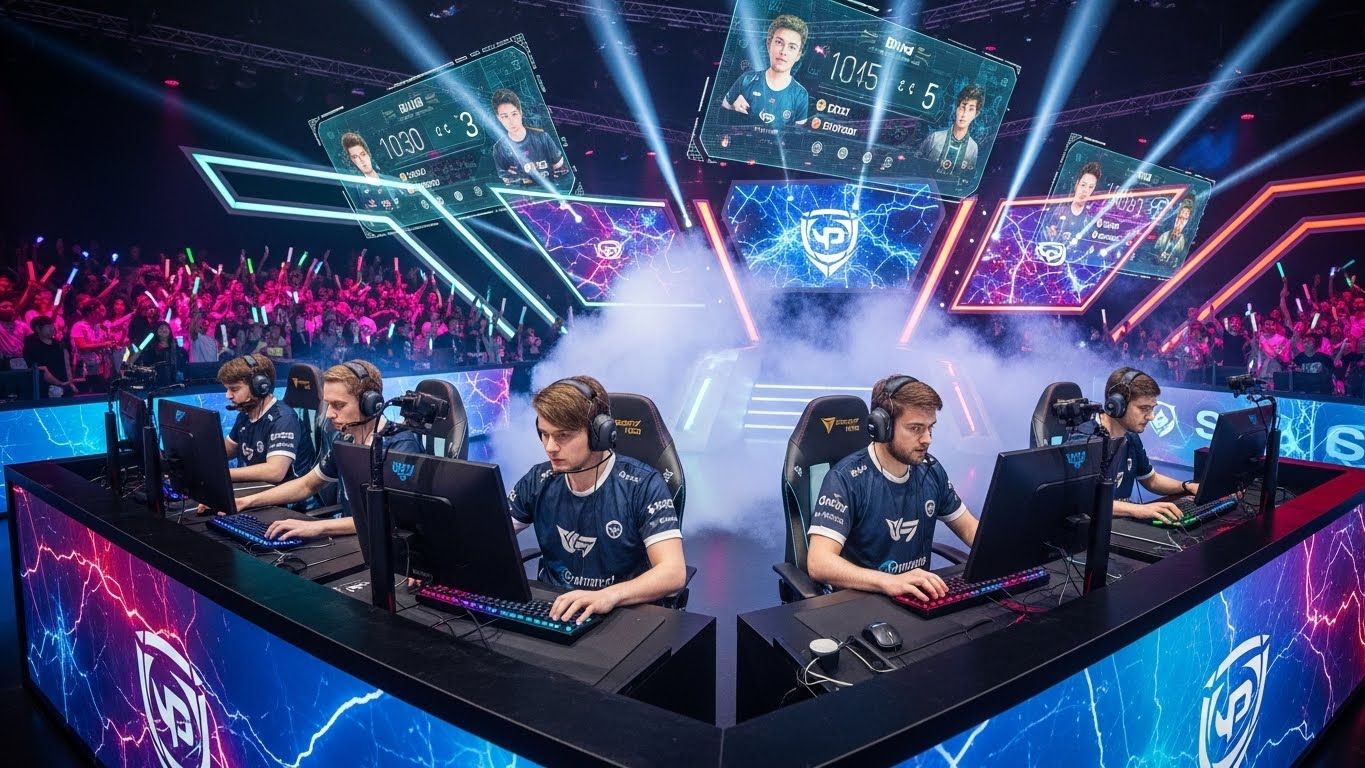
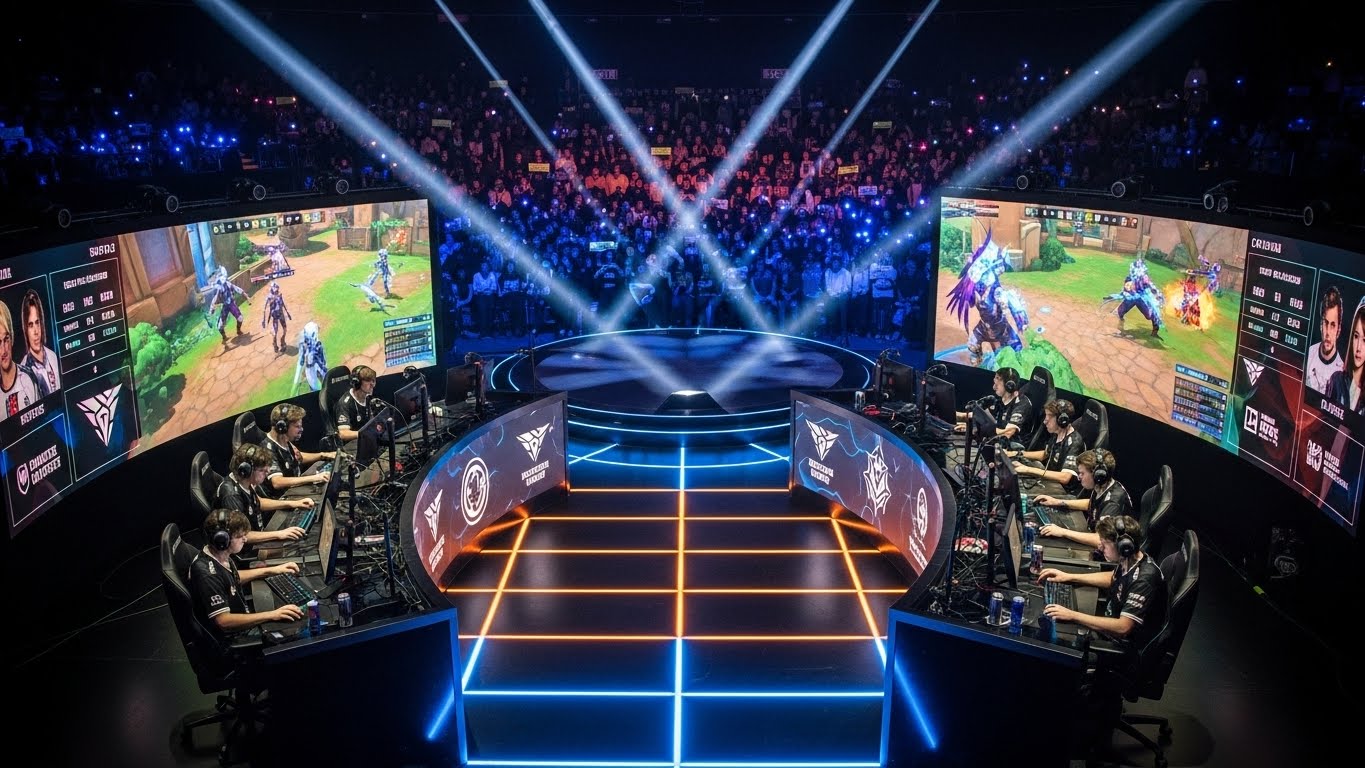
High-profile tournaments have become the centerpiece of esports, drawing millions of viewers and offering prize pools that rival traditional sporting events. The League of Legends World Championship, Dota 2 International, and Counter-Strike: Global Offensive Majors are among the most notable competitions. These events are held in large arenas with live audiences and extensive online streaming, highlighting the global scale of esports.
The competitive scene also features structured leagues, such as the League of Legends Championship Series and Overwatch League, with regular seasons, playoffs, and franchised teams representing cities or organizations. These systems bring stability, professional recognition, and career longevity to players, allowing esports to flourish as an industry with a consistent global presence.
The Business of Esports
Esports has developed into a multi-billion-dollar industry encompassing sponsorships, media rights, advertising, merchandise, and event hosting. Global brands have invested heavily in esports to reach younger audiences, recognizing the cultural relevance of competitive gaming. Esports teams generate revenue through sponsorships, content creation, merchandise sales, and ticketed events, mirroring traditional sports revenue streams.
Media and broadcasting have become significant sources of income. Streaming platforms, television networks, and tournament organizers compete to attract viewership, while major game developers monetize esports through in-game purchases and sponsorship integration. The business ecosystem of esports is complex and interconnected, with multiple stakeholders contributing to its rapid growth and global influence.
Esports Athletes: Skill and Discipline
Esports players are modern athletes who dedicate immense time and effort to mastering their games. Professional players practice for hours each day, focusing on mechanics, strategy, teamwork, and communication. Physical fitness, mental preparation, and reflex training are crucial, challenging the stereotype that esports requires no discipline or effort.
Despite the intense demands, esports careers are often relatively short, with players peaking in their early to mid-twenties. Burnout and declining reaction times necessitate early retirement or transition into coaching, commentary, or content creation. The discipline, teamwork, and dedication required at the professional level position esports athletes as respected members of the competitive landscape.
Esports in Education and Career Opportunities
Esports has expanded into educational institutions, with universities offering scholarships and dedicated programs. Academic courses now cover esports management, broadcasting, content creation, and game design. Schools and colleges use esports programs to develop teamwork, communication, and problem-solving skills among students.
Beyond playing professionally, esports provides numerous career paths. Tournament organizers, content creators, analysts, software developers, marketing professionals, and event managers are all integral to the ecosystem. The industry supports both technical and creative careers, offering opportunities for individuals passionate about gaming, technology, and entertainment.
Cultural Impact of Esports
Esports has become a major cultural force, influencing music, fashion, and mainstream media. Collaborations between game developers and artists, branded merchandise, and esports-themed content demonstrate the industry’s broad appeal. Esports players are not only athletes but also influencers and role models, shaping trends and inspiring fans worldwide.
The integration of esports into major sporting and entertainment events highlights its mainstream acceptance. Grand tournaments are often theatrical productions, with opening ceremonies, musical performances, and elaborate stage designs. This fusion of entertainment and competition attracts diverse audiences, bridging the gap between gaming communities and general public interest.
Technology Driving Esports Innovation
Technology lies at the core of esports. High-performance gaming hardware, ultra-fast internet connections, and optimized software are essential for competitive play. Developers continuously improve game mechanics, balance, and graphics to ensure fair and engaging competition.
Data analytics and artificial intelligence have become increasingly important. Teams analyze performance metrics, study opponents, and optimize strategies using advanced tools. Virtual reality and augmented reality promise new competitive experiences, while mobile gaming expands esports access to new regions and audiences. Technology is not just a tool but a driving force shaping the present and future of esports.
Challenges Facing Esports
Despite its growth, esports faces several challenges. Player burnout, mental health issues, and long hours are significant concerns. Career longevity is limited, and early retirement is common. The lack of standardized regulations creates inconsistencies in contracts, tournaments, and player rights, posing challenges for both athletes and organizations.
Diversity and inclusion remain ongoing issues. Female representation in professional esports is low, and gender-based harassment persists in some communities. Efforts are being made to create inclusive spaces through female tournaments, mentorship programs, and awareness campaigns. Addressing these challenges is essential for sustainable growth and industry credibility.
Esports and Traditional Sports Intersection
The relationship between esports and traditional sports is becoming increasingly intertwined. Many professional athletes invest in esports teams, while traditional sports organizations host their own gaming divisions. This convergence highlights the recognition of esports as a legitimate form of competition and entertainment.
Discussions about esports inclusion in international sporting events, including the Asian Games, signal broader acceptance. Esports embodies the same principles as traditional sports—competition, strategy, teamwork, and excellence—albeit in a digital format. Its growth reflects societal adaptation to a digital-first entertainment landscape.
Impact on Youth and Society
Esports has a profound impact on youth culture, teaching critical skills such as collaboration, strategic thinking, and resilience. It provides social spaces, online communities, and career opportunities that extend beyond gameplay. Educational programs incorporating esports help students develop problem-solving, leadership, and technological skills.
The industry’s growth also challenges perceptions of gaming, demonstrating that it can be a legitimate pursuit with tangible benefits. Parents, educators, and policymakers increasingly recognize the value of esports in fostering creativity, focus, and professional development among young people.
The Future of Esports
Looking ahead, esports is poised for further growth and transformation. Emerging technologies like virtual reality, augmented reality, and cloud gaming will redefine competitive experiences. Blockchain integration may improve transparency in contracts, prize distribution, and digital asset ownership. Mobile esports will continue to democratize access, particularly in regions with limited traditional gaming infrastructure.
Esports will also continue blending with entertainment, media, and education. Large-scale tournaments may evolve into multimedia spectacles that combine gaming, music, and storytelling. The future of esports is not only about gaming but about how technology, culture, and society interact in increasingly immersive ways.
Conclusion
Esports is a defining element of the digital age, transforming how we perceive competition, entertainment, and human achievement. From humble beginnings in local tournaments to global events drawing millions of fans, esports has grown into a professional, cultural, and technological powerhouse. Players are athletes, organizations operate like sports franchises, and fans engage in communities spanning the globe.
The rise of esports challenges traditional definitions of sports and demonstrates that excellence, teamwork, and passion extend beyond physical arenas. Its influence on culture, technology, and youth development ensures that esports will remain a vital part of society for decades to come. Digital competition is no longer just a pastime; it is a new frontier of human potential, creativity, and achievement.
Esports has proven that the boundaries of competition are limitless, and the digital battlefield is now as revered and exciting as any stadium. The world of esports is more than a game—it is a global movement shaping the future of competition, entertainment, and culture.