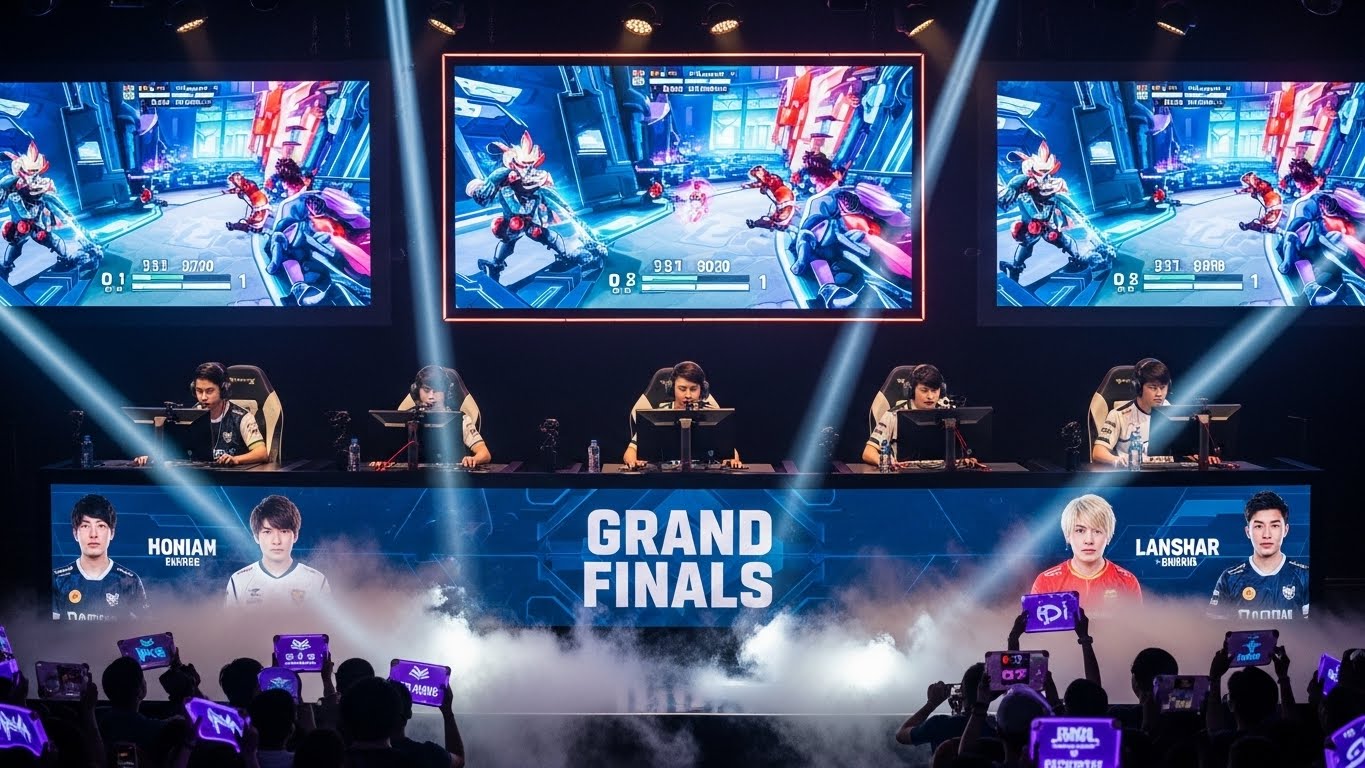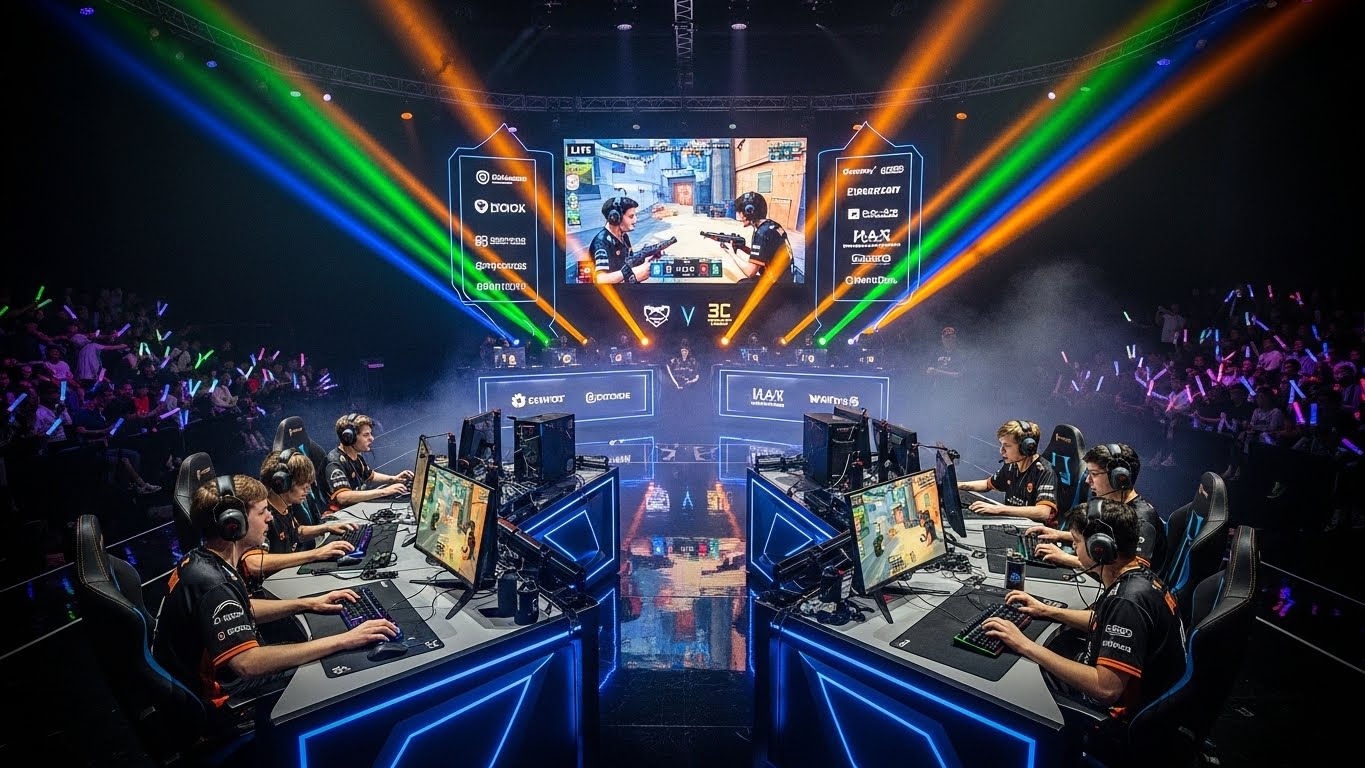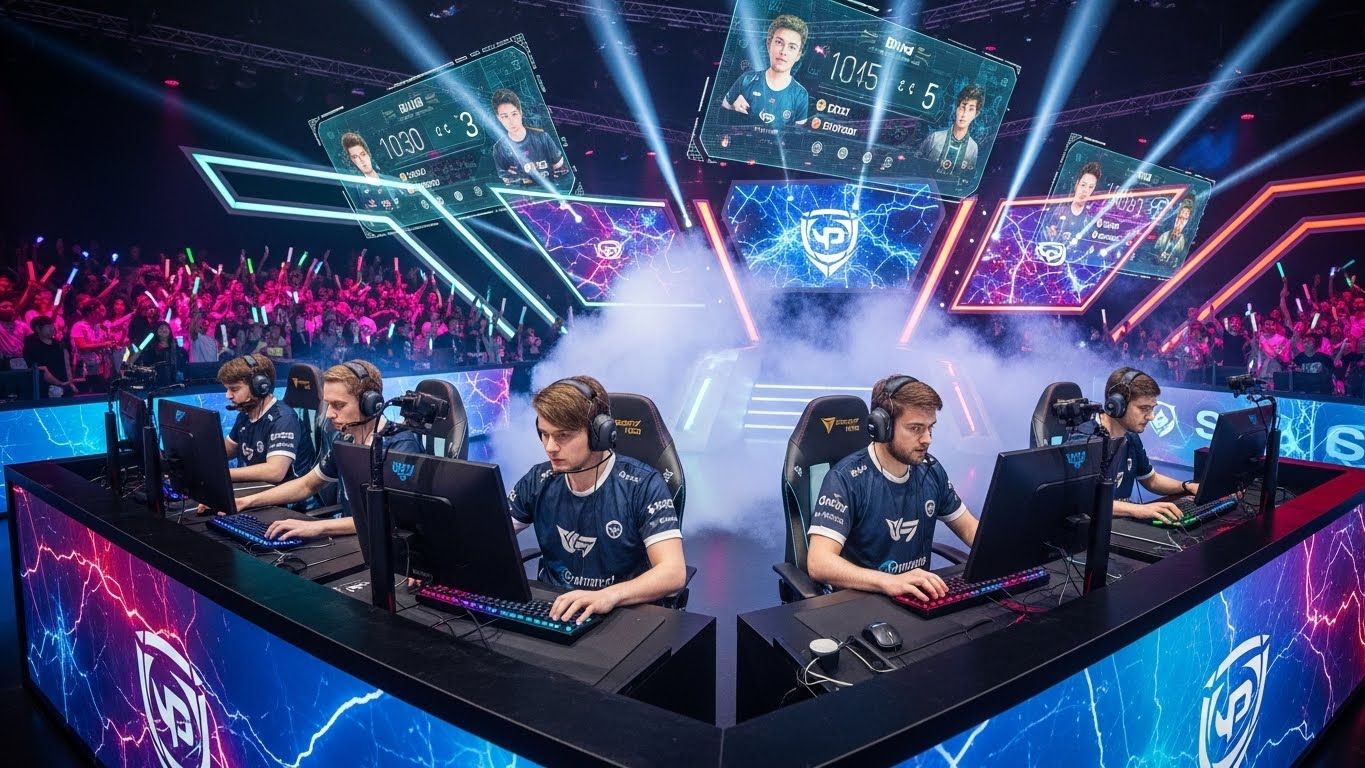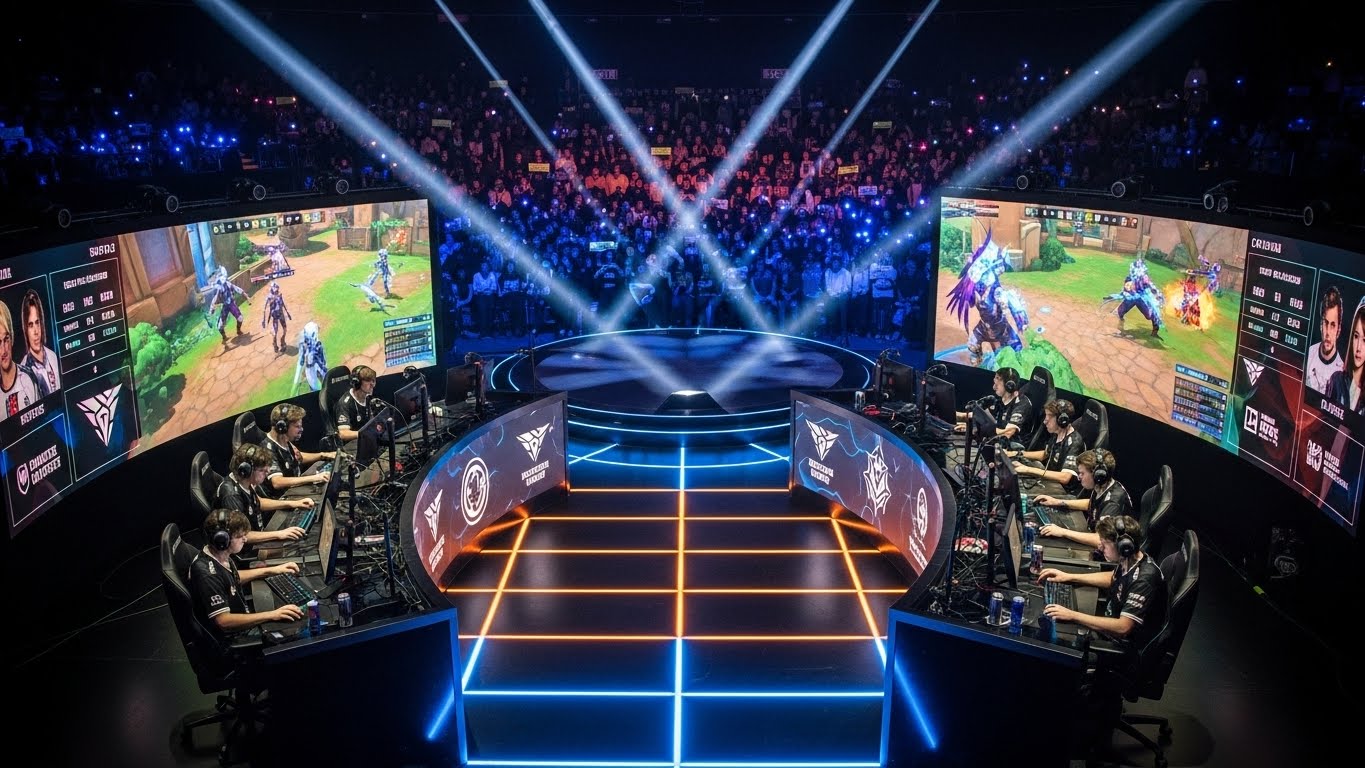
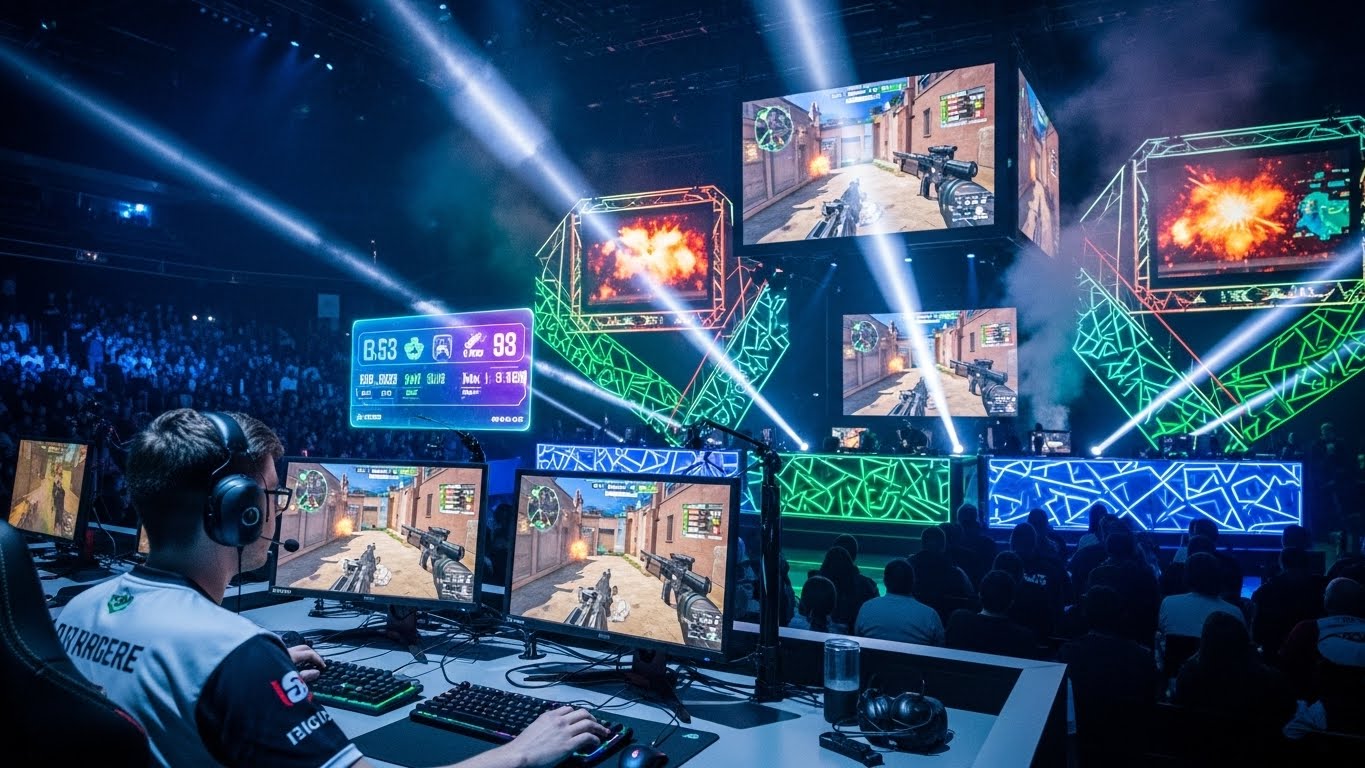
The world of esports has evolved dramatically over the past few decades. What began as a niche hobby for gamers has now blossomed into a global phenomenon with millions of fans, professional players, and big-money tournaments. The explosive growth of esports has sparked a new era in entertainment, and its impact continues to ripple through industries far beyond gaming. In this blog post, we will explore the rise of esports, its current state, and the driving forces behind its incredible success.
The Origins of Esports: From Arcades to Online Competitions
Esports, short for electronic sports, refers to the competitive play of video games in organized tournaments. Although competitive gaming can trace its roots to the early 1970s, it wasn’t until the late 1990s and early 2000s that esports started to resemble what we know today. In the early days, players competed in arcades and home consoles in localized events. These gatherings were often small-scale, attracting passionate gamers but lacked the widespread viewership or professional structure seen in modern esports.
The breakthrough for competitive gaming came with the advent of online multiplayer gaming. In the mid-1990s, the development of internet-enabled gaming services like Battle.net for StarCraft and Warcraft allowed players to compete against each other over the internet. As these platforms grew in popularity, organized tournaments began to take shape. One of the earliest examples was the Red Annihilation tournament for Quake in 1997, where the winner received a Ferrari, marking one of the first big prizes in competitive gaming.
However, it was in the 2000s when esports began to evolve into the global, professional sport we recognize today. The introduction of popular games like StarCraft, Counter-Strike, Warcraft III, and League of Legends brought esports to a mainstream audience. In particular, South Korea became a hotbed for esports development, where government-supported leagues like the Korean e-Sports Association (KeSPA) helped establish a thriving competitive scene.
Factors Contributing to Esports’ Rapid Growth
Esports’ explosive rise can be attributed to several key factors. These include advancements in technology, the growth of online communities, and the increasing involvement of major corporations. Let’s break down these elements and explore how they contributed to the rise of esports.
1. Technological Advancements
The rapid development of gaming technology has played a crucial role in the growth of esports. In the past two decades, we have seen remarkable improvements in gaming hardware, such as high-performance PCs, gaming consoles, and peripherals. These advancements have allowed for the creation of visually stunning and fast-paced games, where players need to demonstrate exceptional reflexes, strategy, and skill.
Furthermore, the internet’s ever-increasing speed and reliability have facilitated online multiplayer gaming, allowing players from all over the world to compete in real-time. This connectivity has not only made esports more accessible to players but has also opened up the opportunity for larger and more inclusive global tournaments.
2. Online Communities and Streaming Platforms
Another significant factor in esports’ success is the role of online communities and streaming platforms. The rise of platforms like Twitch, YouTube, and Facebook Gaming has allowed fans to connect with their favorite players and watch esports events from the comfort of their homes. Streaming services have turned esports into a spectator sport, with millions of people tuning in to watch high-level gameplay and interact with the gaming community.
Twitch, in particular, has been instrumental in driving esports to the forefront. With its live streaming capabilities, viewers can watch tournaments, follow their favorite players, and even participate in live chats during matches. Streaming platforms have also opened up opportunities for content creators, many of whom have transitioned from casual streamers to full-time esports professionals.
3. Sponsorship and Investment from Major Corporations
Esports’ rise wouldn’t have been possible without the substantial investment it has received from major companies. Over the years, esports has attracted sponsorships from brands outside of the gaming industry, including Coca-Cola, Intel, Mercedes-Benz, and Red Bull. These companies have recognized the potential of esports to reach a young, tech-savvy audience and have invested heavily in sponsoring teams, tournaments, and events.
The increased sponsorship revenue has allowed esports organizations to offer more competitive salaries to players, build state-of-the-art training facilities, and organize larger events with substantial prize pools. This financial backing has transformed esports from an amateur scene into a professional industry.
Esports Ecosystem: The Components That Drive the Industry
Esports is a complex ecosystem made up of several components, each playing a vital role in the overall industry. These include players, teams, tournaments, sponsors, and broadcasters. Understanding how these elements work together is essential to appreciating how esports functions as a professional industry.
1. Professional Players and Teams
At the heart of esports are the professional players. These gamers train for hours every day, practicing their skills and developing strategies to outperform their competitors. The level of dedication required to become a top-tier esports athlete is comparable to that of traditional sports, and many players start their careers at a young age.
Esports teams, which are organizations that manage players and provide resources like coaching, practice facilities, and sponsorship deals, have become key players in the industry. These organizations recruit the best talent and build a team with complementary skills. Some of the most well-known esports teams include Team Liquid, Cloud9, Fnatic, and G2 Esports, all of which compete in multiple games across various leagues and tournaments.
2. Esports Tournaments and Leagues
Esports tournaments are where the excitement happens. These tournaments feature top-tier players and teams competing for large cash prizes, fame, and recognition. Some of the most prestigious esports tournaments include The International (for Dota 2), the League of Legends World Championship, and the Overwatch League.
Tournaments can vary in size, ranging from local events with a few hundred viewers to massive international competitions with millions of viewers. One of the key elements that set esports apart from traditional sports is the global reach of these tournaments. With streaming technology, fans can watch these events from anywhere in the world, making esports truly international.
In addition to one-off tournaments, there are also professional esports leagues. These leagues operate similarly to traditional sports leagues, with teams competing in regular-season matches leading to playoffs and championships. Examples include the Overwatch League and the Call of Duty League. These leagues offer a consistent structure and regular competition for players and teams, which further professionalizes the industry.
3. Sponsors and Partners
Sponsors and partners are integral to the growth of esports. They provide the financial backing that allows tournaments to offer large prize pools and top-notch production quality. Corporate sponsorships also help teams secure resources, such as training facilities, travel expenses, and salaries for players and staff.
Sponsors come from a variety of industries, including technology, automotive, fashion, and beverage companies. The partnership between esports and brands has been mutually beneficial, as it allows companies to market their products to a dedicated and engaged audience of gamers.
4. Broadcast and Media Partners
Media partnerships are crucial for expanding the reach of esports. Broadcast platforms like Twitch, YouTube, and Facebook Gaming allow fans to watch live esports events, while traditional broadcasters like ESPN and TBS have begun airing esports tournaments on TV. These broadcast deals help esports reach a wider audience, making it more mainstream.
Additionally, media content around esports is expanding rapidly. Documentaries, reality shows, and player interviews are becoming more common, offering fans a deeper look into the lives of professional gamers and teams. This additional content further fuels the popularity of esports.
The Social and Cultural Impact of Esports
Esports is not only changing the entertainment landscape; it is also influencing culture. The popularity of esports has sparked a shift in how people view gaming, with competitive gaming now seen as a legitimate sport. Esports has become a cultural movement that extends beyond gaming itself.
1. Inclusion and Diversity
Esports is often seen as a more inclusive environment compared to traditional sports. Unlike physical sports, which often require specific body types and skills, esports is accessible to a wide variety of people. Players of all genders, ethnicities, and backgrounds can compete in esports, creating a diverse and welcoming community.
In recent years, there has been a concerted effort to make esports more inclusive for women and underrepresented groups. Organizations and initiatives dedicated to promoting diversity in gaming are gaining traction, helping to create a more inclusive competitive gaming scene.
2. Esports in Education
Esports is increasingly being integrated into the educational system. Many universities now offer esports scholarships and have established varsity esports teams. These programs allow students to pursue their passion for gaming while obtaining a degree. Esports has even made its way into high schools, where students can join competitive gaming leagues.
Additionally, esports education extends beyond playing the games themselves. Many schools now offer courses in game design, esports management, and marketing, giving students the tools to pursue careers in the growing esports industry.
The Future of Esports: Endless Possibilities
The future of esports is incredibly bright. As technology continues to advance, esports will only grow in scale and reach. Virtual reality (VR) and augmented reality (AR) are expected to revolutionize the way we experience competitive gaming, allowing for more immersive tournaments and experiences.
Esports will likely become even more integrated with traditional sports. We could see the development of hybrid leagues that combine elements of both, or traditional sports organizations may further invest in esports to broaden their audience.
In the coming years, esports will continue to be a driving force in the entertainment industry, reshaping how we perceive gaming and competition. The esports ecosystem is still expanding, and its influence will continue to grow, offering new opportunities for players, fans, and businesses alike.