Introduction: From Hobby to Global Phenomenon
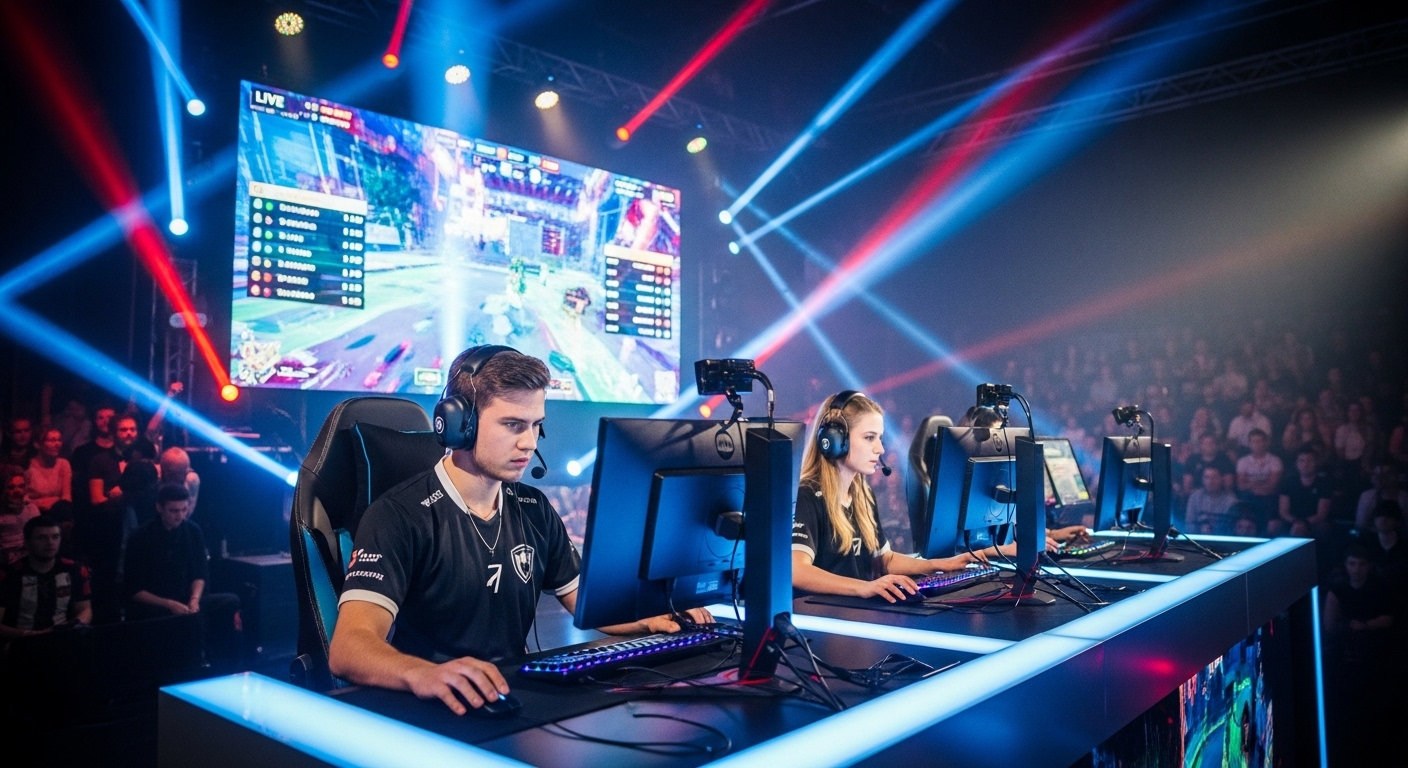
Esports, short for electronic sports, has transformed from a niche pastime into a global spectacle that rivals traditional sports in popularity, viewership, and economic impact. What once began as casual gaming competitions among friends in dimly lit arcades has now evolved into a billion-dollar industry with international tournaments, professional teams, celebrity players, and devoted fans. The journey of esports mirrors the growth of technology, culture, and entertainment itself. It represents a unique fusion of competition, community, and innovation that continues to shape the modern digital landscape.
The early skepticism surrounding competitive gaming has long vanished. Today, stadiums are filled with roaring fans cheering for their favorite teams, sponsors pour millions into tournaments, and governments recognize esports as legitimate athletic competition. But this wasn’t always the case. The rise of esports is a story of persistence, creativity, and the merging of human passion with digital progress.
The Origins of Esports: Seeds of Competition
The roots of esports can be traced back to the late 1970s and early 1980s, when video games were first becoming a cultural phenomenon. One of the earliest recorded gaming competitions took place in 1972 at Stanford University, where students played “Spacewar” for a year’s subscription to Rolling Stone magazine. This modest event planted the seed for what would later grow into massive global tournaments.
As arcades gained popularity, competitive gaming became more visible. High-score chases on arcade cabinets such as Donkey Kong, Pac-Man, and Space Invaders turned players into local legends. The 1980 “Space Invaders Championship,” organized by Atari, drew over 10,000 participants across the United States — a stunning number for its time and a sign that gaming had competitive potential far beyond casual play.
During the 1990s, as home consoles like the Nintendo Entertainment System (NES) and Sega Genesis spread, competitive gaming diversified. Players began hosting local tournaments, often organized through magazines or emerging online forums. Games like Street Fighter II and Mortal Kombat ignited the first fighting-game communities, while first-person shooters such as Doom and Quake pioneered network-based multiplayer competitions.
By the time StarCraft launched in 1998, the infrastructure for organized play had begun to mature. South Korea in particular became a global epicenter for esports, broadcasting StarCraft matches on television and turning gamers into household names. This was the beginning of the modern esports era.
The Early 2000s: Building the Competitive Framework
The early 2000s were a defining decade for esports. Internet cafés became popular hangouts where players could compete and socialize. Broadband internet allowed real-time online gaming, connecting players across the world instantly. Professional leagues started to form, including the Cyberathlete Professional League (CPL) and Major League Gaming (MLG). These organizations set rules, offered prize pools, and built legitimacy around esports as a structured form of competition.
Games such as Counter-Strike 1.6, Warcraft III, and Halo 2 dominated the competitive landscape. Each cultivated its own fanbase and community culture. LAN tournaments became iconic gatherings, where teams would travel internationally to compete for pride and cash. The professionalism of teams began to resemble that of traditional sports, complete with sponsorships, training schedules, and dedicated coaching staff.
Streaming technology was still in its infancy, but recorded gameplay videos shared on forums and early platforms like YouTube helped fans follow their favorite players. The competitive spirit that drove gamers to master difficult titles also drew audiences eager to witness elite performance and strategy.
The Rise of Streaming and Global Accessibility
One of the most transformative developments in esports came with the rise of streaming. The launch of Twitch in 2011 revolutionized how audiences consumed gaming content. For the first time, fans could watch live tournaments, casual streams, and behind-the-scenes interactions with their favorite players in real time. Streaming democratized esports by giving independent players a platform to showcase their skills and personalities without needing television contracts or major sponsorships.
Viewership skyrocketed. Games like League of Legends, Dota 2, and Call of Duty became spectator sports in their own right. Millions of viewers tuned in to major tournaments like the League of Legends World Championship and The International, events that offered multimillion-dollar prize pools and breathtaking production quality. Esports began appearing on mainstream news outlets, and global sponsors ranging from technology companies to energy drink brands recognized the marketing power of the digital arena.
Streaming also changed the player-fan relationship. Fans could directly interact with players through chat, creating a sense of community and connection rarely seen in traditional sports. The authenticity and immediacy of live interaction helped esports foster a loyal and passionate audience base.
The Era of Mega-Tournaments and Franchise Leagues
By the mid-2010s, esports had fully entered its golden age. Major publishers began investing heavily in organizing and monetizing professional leagues for their games. Riot Games launched the League Championship Series (LCS), Blizzard created the Overwatch League, and Activision followed with the Call of Duty League. These franchise-based systems mirrored the structure of sports leagues like the NBA or NFL, with team owners, regional representation, and revenue sharing.
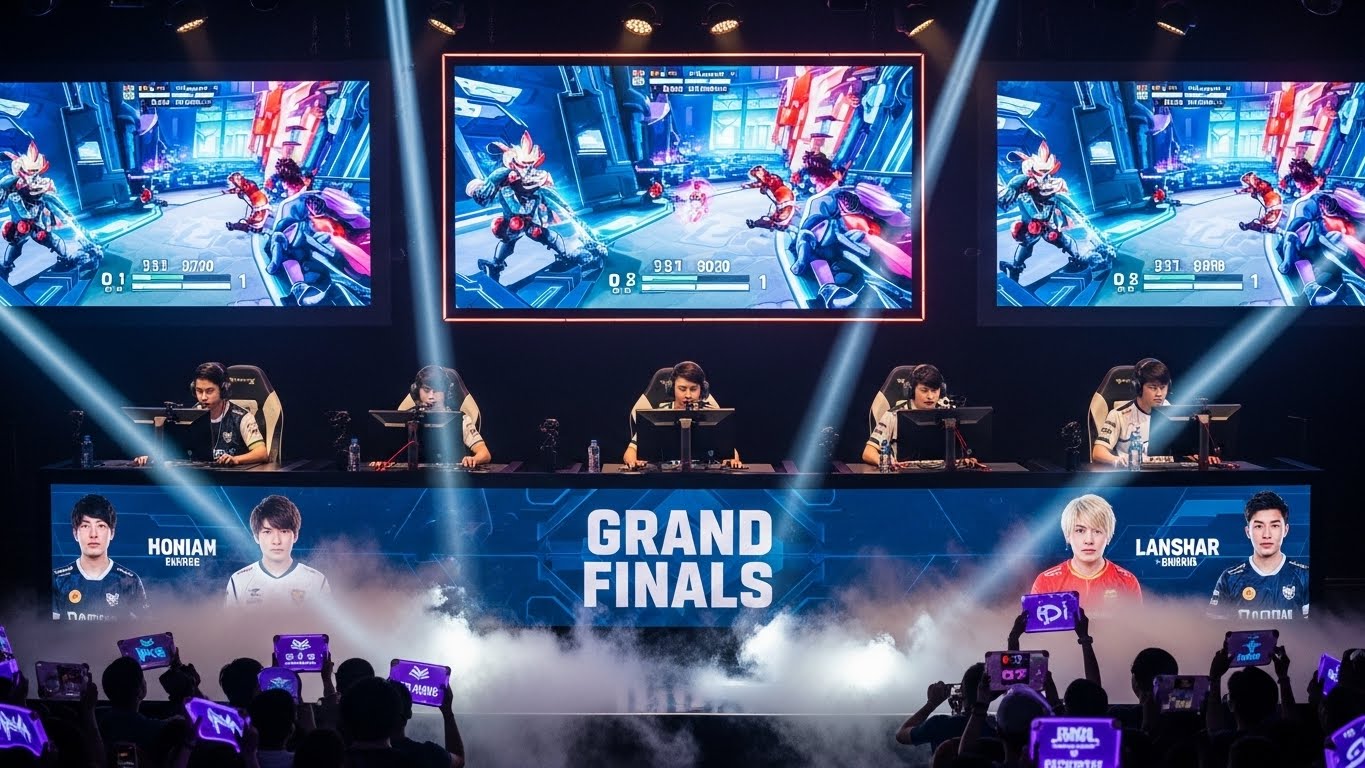
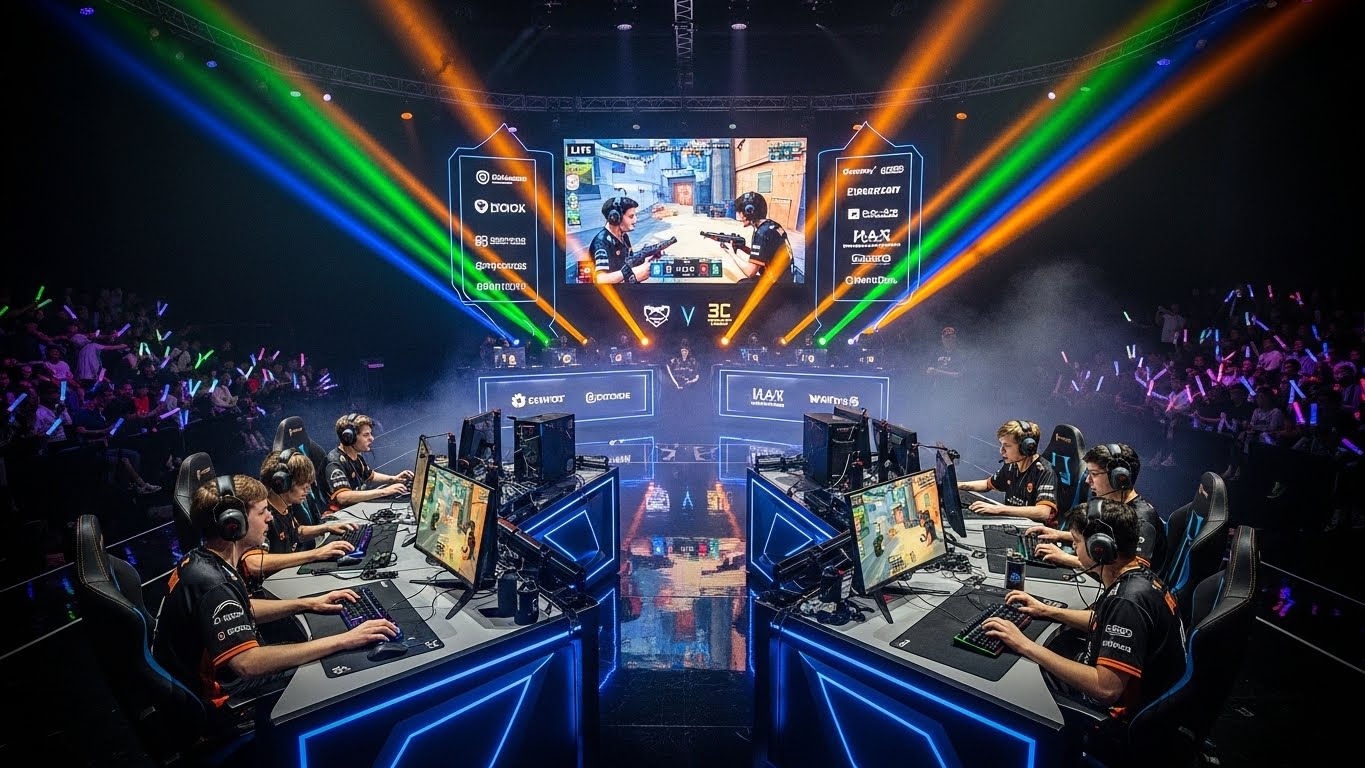
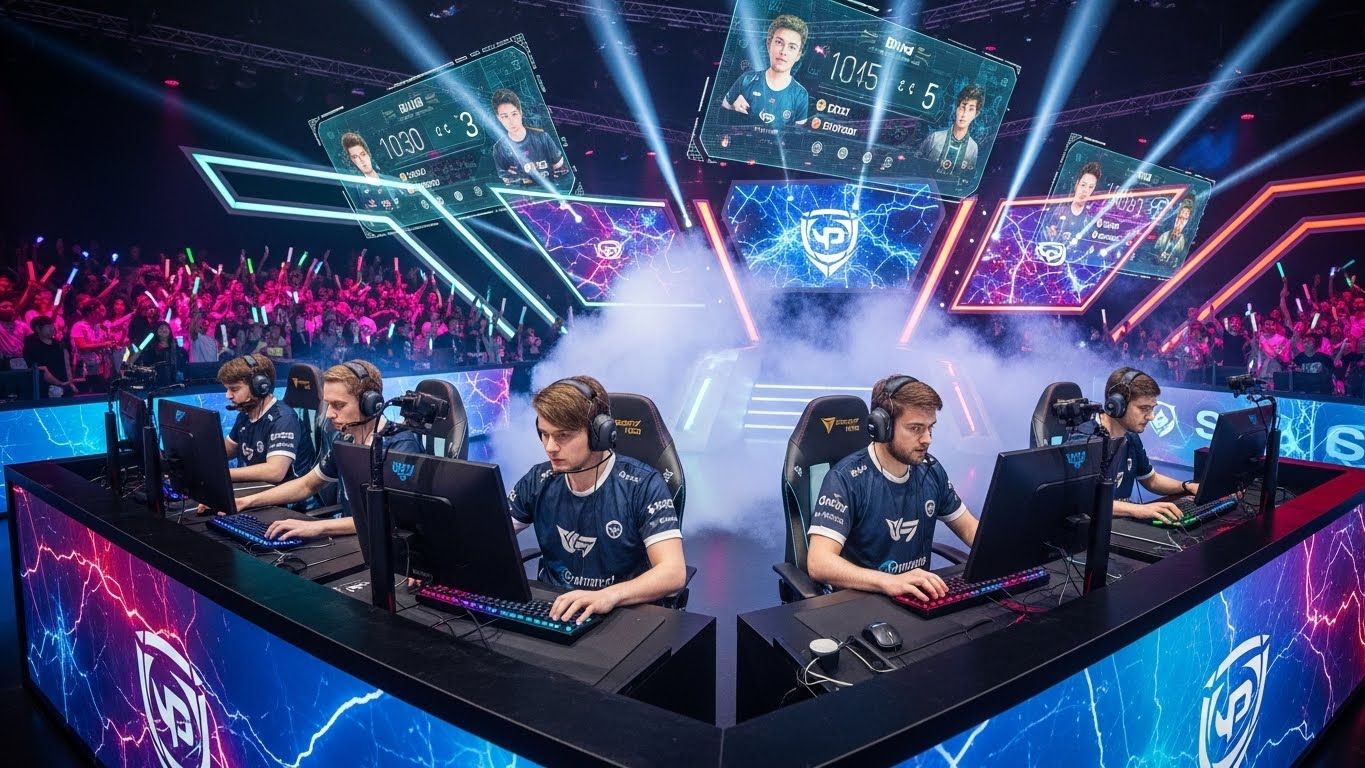
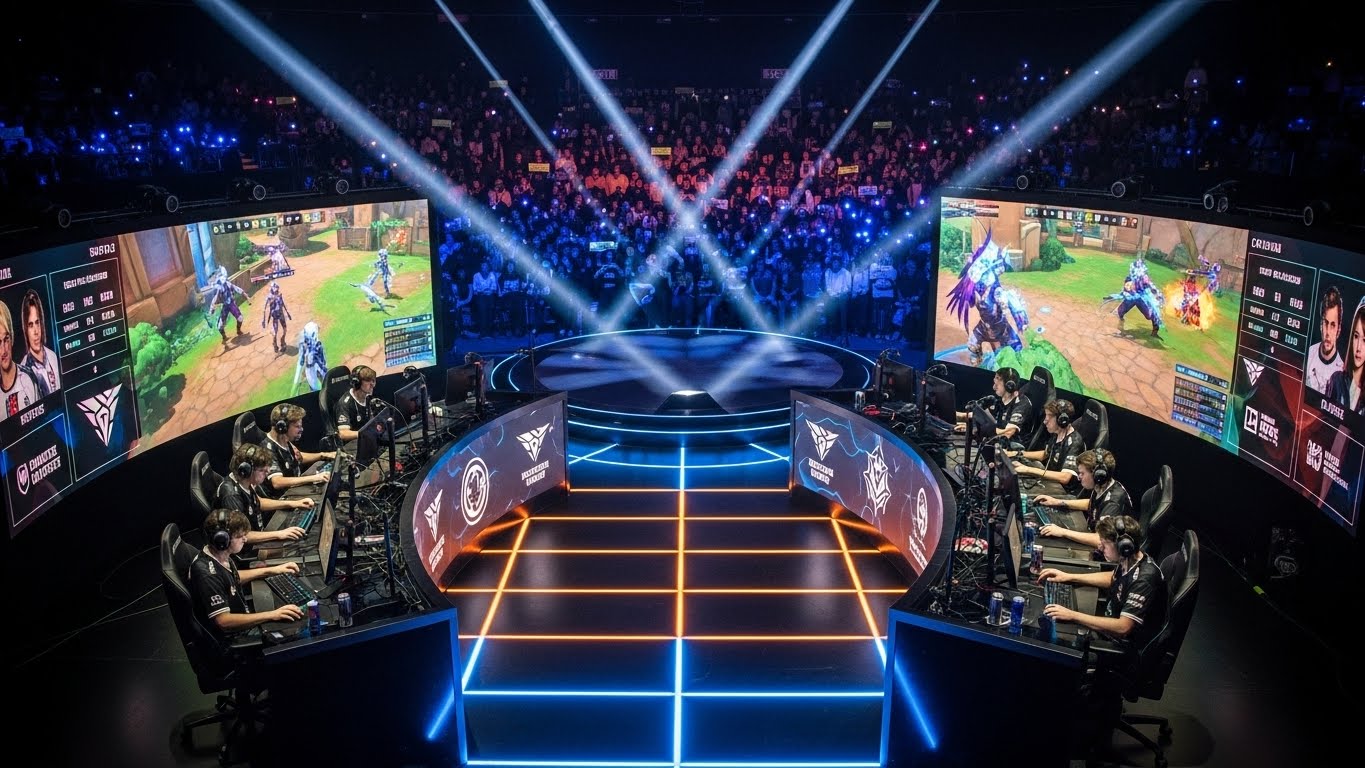
The scale of tournaments grew dramatically. Events were held in massive arenas such as Madison Square Garden, the Staples Center, and international stadiums in Seoul and Shanghai. The production values matched — and sometimes exceeded — those of major sporting events, featuring live commentary, cinematic stage setups, and elaborate opening ceremonies.
Prize pools also exploded. The 2019 Dota 2 International reached a record-breaking prize fund of over $34 million, much of it crowdfunded by the community through in-game purchases. This model showcased the power of player engagement in shaping the economic landscape of esports.
As the industry professionalized, so did its infrastructure. Esports organizations employed analysts, nutritionists, psychologists, and branding specialists. Players signed multi-year contracts with six-figure salaries and endorsement deals. Universities began offering esports scholarships, and entire degree programs were developed to study esports management, marketing, and game design.
The Cultural Impact of Esports
Beyond the competition itself, esports became a powerful cultural movement. It redefined what it means to be an athlete in the digital age, challenging stereotypes about gamers as solitary or unambitious. Professional players demonstrated discipline, teamwork, and mental endurance comparable to that of traditional athletes.
Esports also blurred the line between gaming and entertainment. Music performances, fashion collaborations, and celebrity appearances became common in major tournaments. Artists performed live during esports finals, and brands such as Nike and Adidas entered the scene by sponsoring players and creating specialized esports apparel.
The inclusivity and accessibility of esports further fueled its growth. Unlike many traditional sports that require physical attributes or expensive equipment, esports allowed anyone with skill, strategy, and dedication to compete. This democratization of competition resonated with younger generations who grew up in the digital era, seeing gaming as an authentic form of self-expression.
Moreover, esports communities cultivated a sense of belonging for millions around the globe. Online forums, fan art, memes, and digital meetups formed tight-knit social circles where fans could celebrate shared passions. For many, esports was not merely entertainment but a cornerstone of modern identity.
Esports and Education: A New Frontier
As esports became mainstream, educational institutions began to embrace its potential. High schools and universities around the world now host esports clubs, courses, and varsity teams. This shift represents a recognition of esports as more than just recreation; it’s an avenue for skill development, teamwork, and career growth.
Students participating in esports learn valuable competencies — strategic thinking, communication, problem-solving, and adaptability. Schools leverage esports programs to engage students who may not connect with traditional athletics, fostering inclusion and academic motivation.
Beyond competition, the esports ecosystem offers career opportunities in broadcasting, event management, marketing, software development, and psychology. By integrating esports into curricula, institutions prepare students for roles in one of the fastest-growing industries of the 21st century.
Economic Powerhouse: The Business of Esports
The business of esports has expanded rapidly, attracting investments from major corporations, venture capitalists, and entertainment conglomerates. Revenue streams include sponsorships, advertising, merchandise, ticket sales, and digital goods. Major tournaments now generate revenue comparable to that of large music festivals or sports playoffs.
Esports viewership data reveals staggering engagement metrics. Global audiences surpass hundreds of millions, particularly in Asia, North America, and Europe. These audiences are young, tech-savvy, and highly interactive — a dream demographic for advertisers. Companies outside of gaming, including automotive and financial sectors, have entered esports sponsorships to reach these audiences.
Franchised teams have become recognizable brands. Organizations like T1, Cloud9, FaZe Clan, and Team Liquid maintain fanbases as loyal as any football or basketball team. Some of these organizations have even gone public or partnered with entertainment studios, further blurring the line between sports, gaming, and mainstream media.
Streaming platforms and content creators have also become critical to the esports economy. Influencers often act as ambassadors for tournaments and brands, leveraging their massive followings to drive engagement. The result is an interconnected ecosystem of players, streamers, content producers, and marketers that sustains the momentum of the industry.
Challenges and Controversies
Despite its success, esports faces ongoing challenges. Player burnout is a serious issue due to intense schedules, travel demands, and mental strain. Some players retire in their early twenties after years of relentless competition. Teams and leagues are increasingly prioritizing mental health support, but balancing performance and well-being remains complex.
Another challenge is regulation. Unlike traditional sports governed by unified organizations, esports is fragmented across multiple game publishers and regions. This lack of standardization can lead to inconsistent rules, prize disputes, and issues of competitive integrity such as cheating or match-fixing.
Gender inequality also remains a concern. Although female gamers represent a significant portion of the global gaming audience, they are underrepresented in professional leagues. Efforts to create inclusive spaces and support women’s teams are underway, but cultural barriers persist.
Lastly, as with any booming industry, sustainability is key. Maintaining audience interest in a rapidly evolving digital environment requires innovation. Games rise and fall in popularity, and esports organizations must constantly adapt to new trends and technologies to stay relevant.
The Globalization of Esports
One of the most fascinating aspects of esports is its borderless nature. Unlike physical sports, which are often limited by geography, esports thrives on global connectivity. Players from different continents can compete without ever meeting in person, unified by a shared passion for gaming.
Countries such as South Korea, China, and the United States dominate in terms of infrastructure and audience size, but emerging regions in Southeast Asia, Latin America, and the Middle East are rapidly catching up. Governments are recognizing the potential of esports to boost tourism, technological innovation, and youth engagement. For instance, national esports federations now exist in dozens of countries, working to formalize competition and develop local talent.
Global events have further reinforced the international spirit of esports. The Asian Games now include esports as a medal event, and discussions continue about possible inclusion in the Olympic Games. These developments signify the growing recognition of esports as a legitimate and influential component of global culture.
Esports in the Age of the Metaverse
As technology evolves, esports stands at the forefront of digital innovation. Virtual reality (VR), augmented reality (AR), and metaverse platforms are redefining how players and audiences experience competition. Imagine spectators joining tournaments inside immersive virtual arenas or interacting directly with players’ avatars. These possibilities are no longer distant fantasies — they’re being actively developed by major tech companies and game studios.
Blockchain technology and NFTs have also entered the conversation, offering new ways to reward fans, distribute digital collectibles, and decentralize tournament structures. While these technologies are still controversial, they reflect esports’ adaptability and forward-looking nature.
Artificial intelligence is influencing training and analysis, providing teams with data-driven insights to improve performance. As these tools become more sophisticated, esports will likely become an even greater fusion of human creativity and machine precision.
The Future of Esports
The future of esports is bright but unpredictable. As gaming becomes increasingly embedded in everyday life, esports will continue to evolve alongside cultural and technological shifts. Mobile gaming, for instance, is bringing esports to regions with limited access to high-end PCs or consoles, dramatically expanding the global player base.
Cross-platform competition, inclusive representation, and sustainable development will define the next era. Esports organizations are learning from both their successes and mistakes, building better support systems for players and communities. As virtual entertainment merges with physical experiences, the line between esports, streaming, and mainstream media will blur even further.
We may soon see esports teams collaborating with film studios, musicians, and fashion houses to create multi-dimensional entertainment ecosystems. The potential is limitless — and that is precisely what makes esports so exciting. It is not just the future of gaming; it is the future of digital culture itself.
Conclusion: A Legacy of Passion and Progress
The story of esports is ultimately a story about human passion — the desire to compete, to connect, and to create. From the first humble arcade tournaments to global stadium spectacles, esports has grown into a cultural powerhouse that defines a generation. It represents the perfect harmony between technology and human ambition.
As the industry continues to expand, its influence will reach even further beyond the gaming world. Esports is not merely about pixels and controllers; it’s about teamwork, storytelling, innovation, and community. The journey from play to professionalism is proof that anything driven by genuine passion can transcend boundaries and reshape the world.
In the grand narrative of human achievement, esports stands as a modern testament to creativity and connectivity — a digital revolution that has only just begun.