Introduction
In the last decade, the gaming industry has evolved from a niche hobby into one of the most dominant sectors in global entertainment. By 2025, the gaming market is estimated to surpass $200 billion in revenue, driven not only by sales of games and hardware but also by digital content creation and online communities. A significant driver of this growth has been influencer marketing—the collaboration between game publishers, brands, and content creators to reach engaged audiences.
Influencer marketing in gaming has redefined how games are promoted, how players interact with content, and how communities are built. Instead of relying solely on traditional advertising like TV spots or banner ads, game companies now turn to streamers, YouTubers, TikTok creators, and esports personalities to shape public opinion and generate excitement. In an industry where authenticity and community are everything, influencer marketing has proven to be one of the most powerful tools available.
This article explores the history, strategies, benefits, challenges, and future of influencer marketing in gaming, offering a comprehensive view of why it matters and how it continues to transform the industry.
1. The Rise of Gaming Influencers
From Hobbyists to Celebrities
Gaming influencers were not always global icons. In the early 2000s, creators on platforms like YouTube began posting “Let’s Play” videos, walkthroughs, and reviews. These were primarily passion projects, with little thought of monetization. Creators like PewDiePie, TotalBiscuit, and Markiplier pioneered this space, building massive audiences by simply sharing their gameplay experiences.
As streaming platforms like Twitch (founded in 2011) emerged, gaming content shifted from pre-recorded uploads to live, interactive entertainment. This allowed influencers to connect directly with fans in real time, fostering a sense of community and authenticity. Viewers no longer felt like passive spectators; they were part of the journey.
The Mainstream Breakthrough
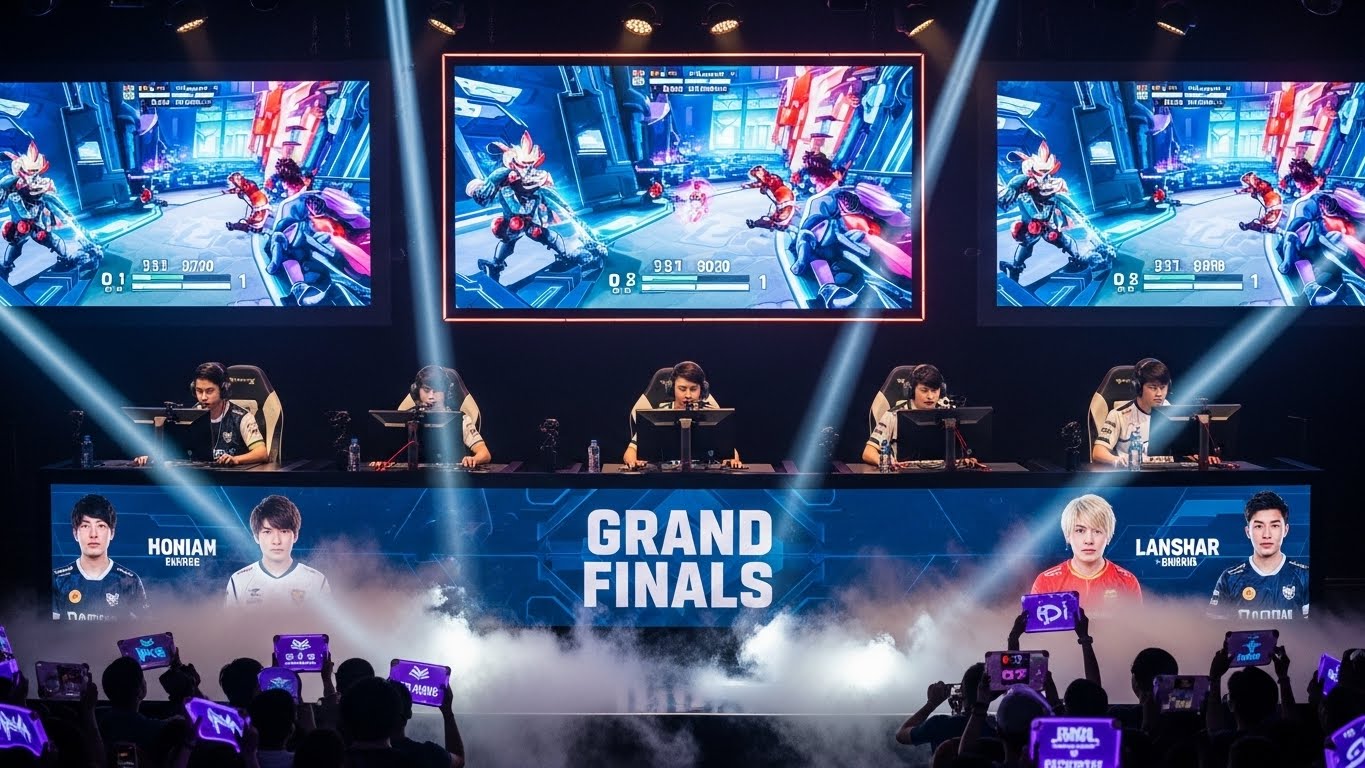
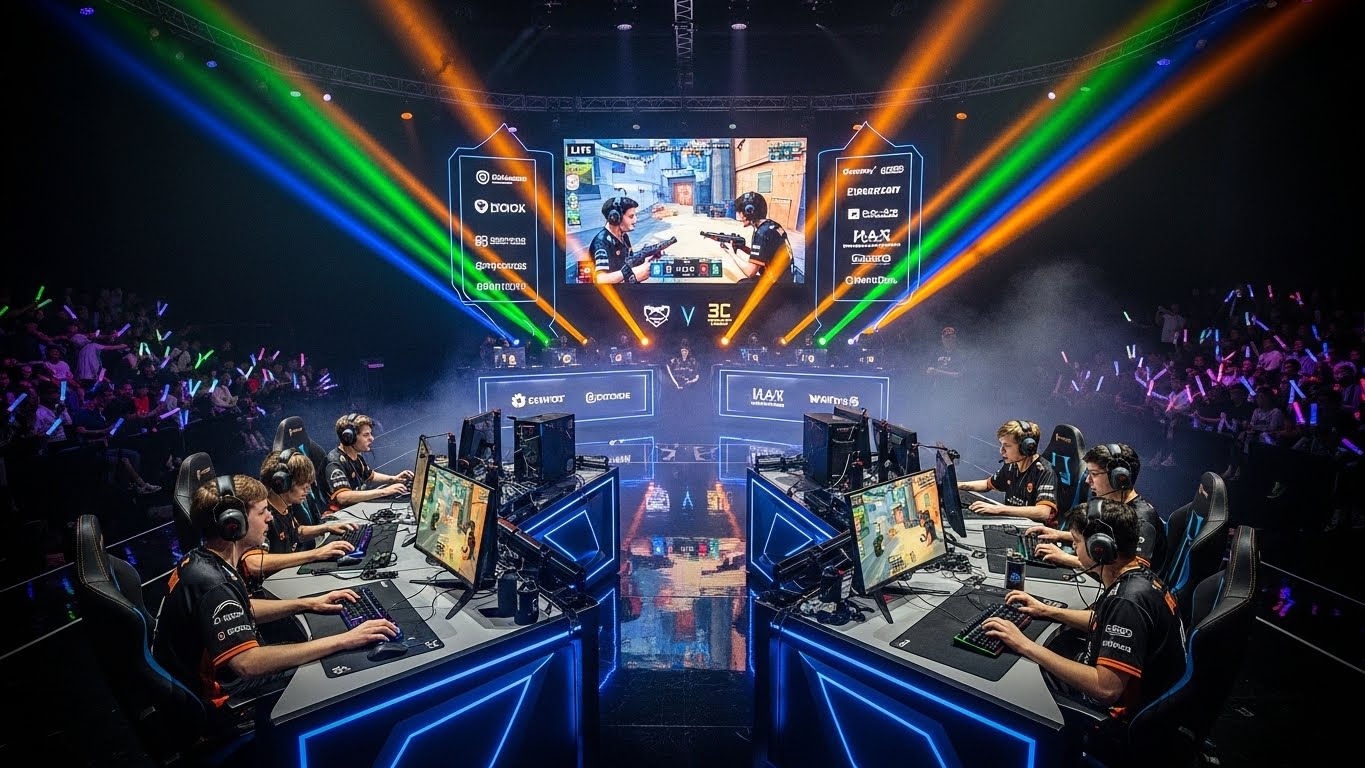
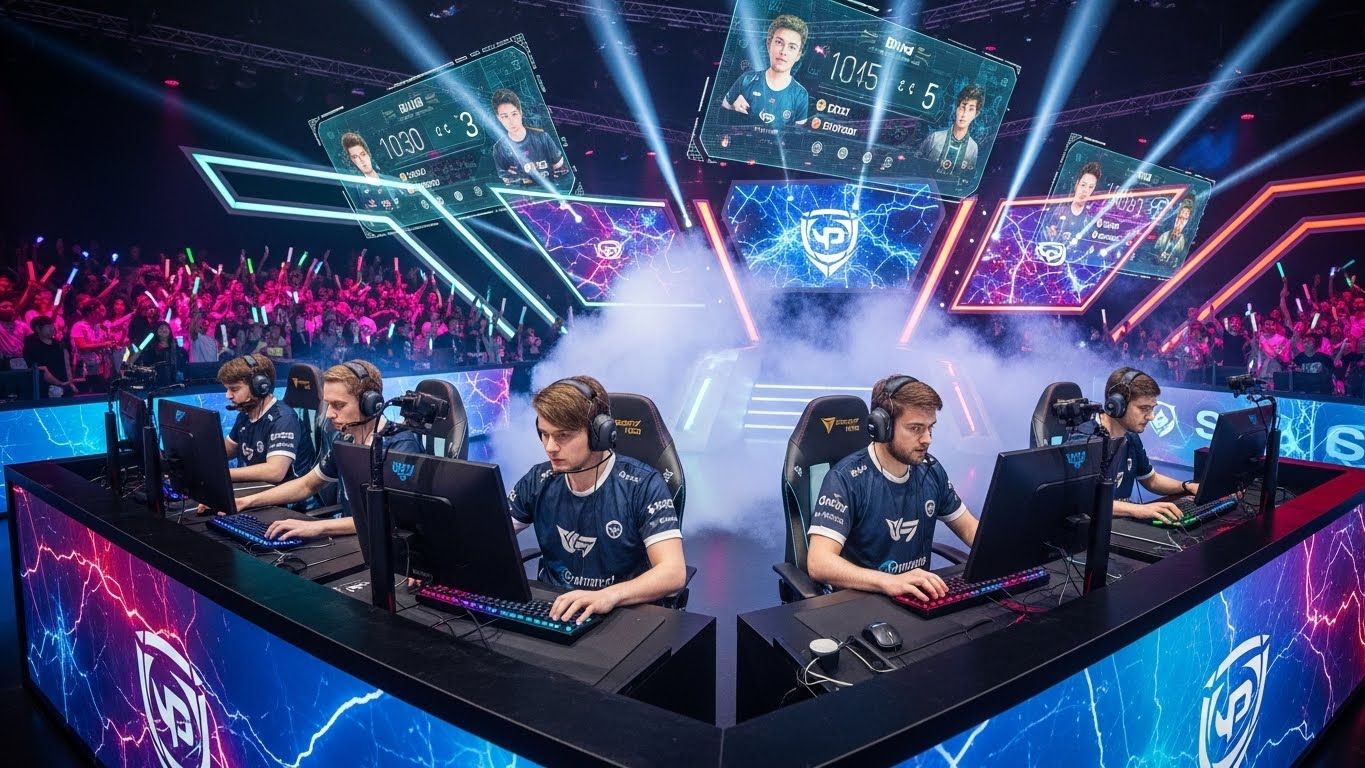
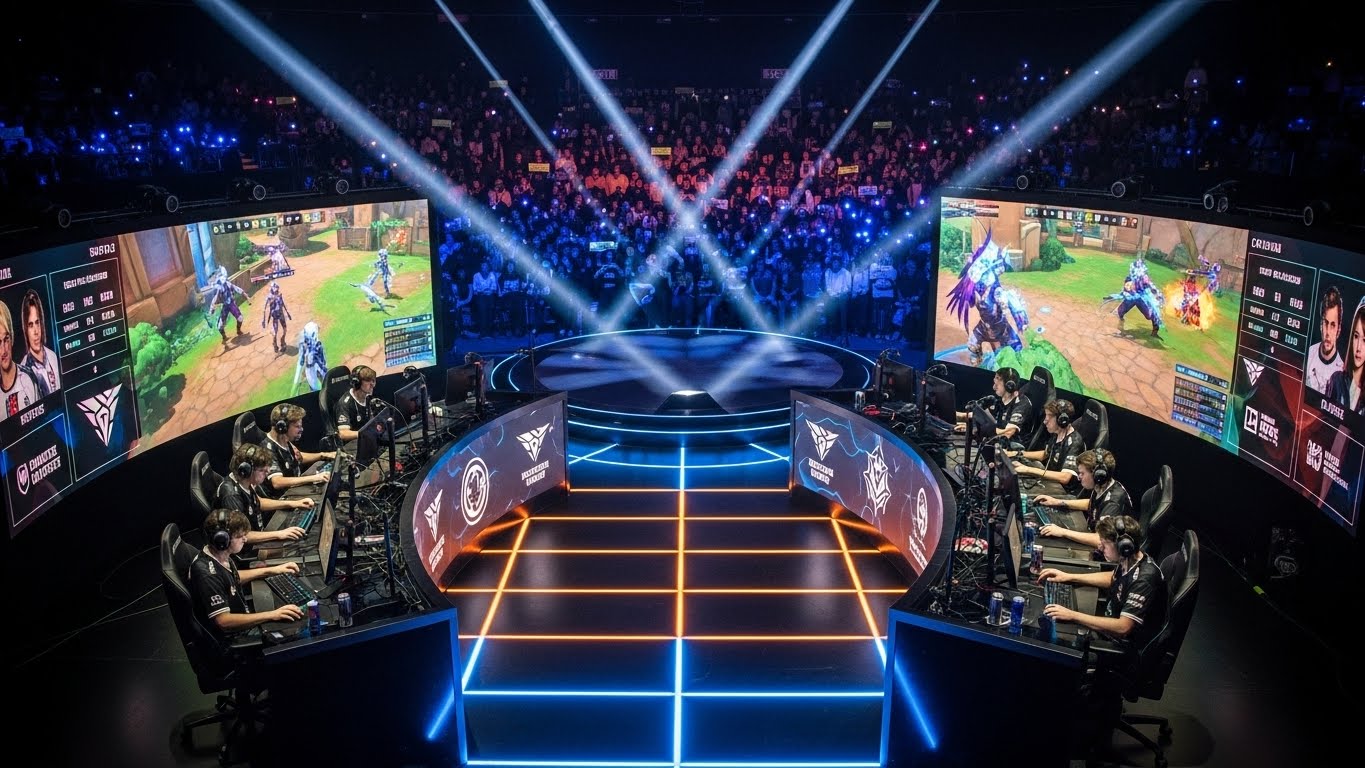
By the mid-2010s, gaming influencers had reached mainstream recognition. Esports tournaments were being broadcast globally, while streamers like Ninja, Pokimane, and Shroud were pulling millions of viewers. Gaming was no longer just about playing; it was about watching, engaging, and being part of a cultural movement.
Brands outside of gaming—such as Red Bull, Nike, and Coca-Cola—quickly recognized this shift. They began sponsoring influencers to reach younger demographics who were increasingly tuning out traditional advertising channels.
2. Why Influencer Marketing Works in Gaming
2.1 Authenticity Matters
Gamers are highly skeptical of traditional marketing tactics. Banner ads, pre-roll commercials, or celebrity endorsements often fail because they feel inauthentic. In contrast, influencers are trusted voices within the community. When a streamer recommends a game or a peripheral, it feels more like a friend’s advice than an ad.
2.2 Engaged Communities
Unlike casual social media browsing, gaming audiences are deeply engaged. They spend hours watching streams, participating in chats, and following their favorite influencers. This creates a captive audience that is more likely to act on recommendations.
2.3 The Power of Parasocial Relationships
Viewers often form strong emotional connections with influencers through consistent content. This parasocial relationship—a one-sided bond where the fan feels close to the influencer—drives loyalty and trust. When an influencer promotes a game, their audience is more inclined to try it out.
2.4 Viral Potential
Gaming content thrives on memes, challenges, and viral moments. A single influencer clip can spark a global trend. For example, Among Us went largely unnoticed after its 2018 release until streamers like DisguisedToast and Valkyrae played it in 2020, propelling it into worldwide fame.
3. Influencer Marketing Strategies in Gaming
3.1 Sponsored Streams and Videos
The most common approach is direct sponsorships. Game publishers pay influencers to play their game on stream, create review content, or produce a highlight video. This often coincides with a game launch or major update to maximize visibility.
Example: Ubisoft often partners with influencers during launches like Assassin’s Creed or Rainbow Six Siege expansions, ensuring their titles trend on Twitch and YouTube.
3.2 Early Access and Beta Keys
Giving influencers exclusive early access creates hype. Fans tune in to watch gameplay they can’t experience yet, generating anticipation and pre-orders.
Example: Blizzard used early influencer access to promote Overwatch before launch, helping the game build momentum before it even hit shelves.
3.3 Affiliate Programs
Some companies implement revenue-sharing models where influencers earn commission from sales generated through their unique links or codes. This incentivizes influencers to promote games long-term, rather than as a one-off sponsorship.
Example: Epic Games’ Support-A-Creator program for Fortnite allowed influencers to earn money whenever players used their creator code for in-game purchases.
3.4 Branded Collaborations and Merchandise
Influencer partnerships extend beyond gameplay. Brands create co-branded merchandise, in-game skins, or even limited-edition consoles tied to popular influencers.
Example: Ninja’s collaboration with Adidas resulted in a custom sneaker line, blending gaming culture with mainstream fashion.
3.5 Esports Sponsorships
Esports organizations leverage influencer power by signing well-known streamers as brand ambassadors. This expands reach beyond competitive matches into influencer-driven content.
4. Case Studies of Successful Influencer Marketing
4.1 Fortnite and Ninja
Epic Games’ Fortnite became a global phenomenon largely due to influencer marketing. Ninja’s streams, especially his famous collaboration with rapper Drake in 2018, broke Twitch viewership records. This crossover moment brought gaming into mainstream conversation and solidified Fortnite as a cultural juggernaut.
4.2 Among Us and the Power of Community
Though released in 2018, Among Us only exploded in 2020 when influencers streamed it during the pandemic. Content creators like Valkyrae and DisguisedToast turned the game into a viral hit. Without influencer marketing, the title might have remained obscure.
4.3 Apex Legends Surprise Launch
In 2019, EA launched Apex Legends without prior marketing buildup. Instead, they partnered with influencers who streamed the game at launch. Within 72 hours, the game had 10 million players, proving how effective influencer-driven marketing can be.
4.4 Minecraft and Long-Term Influence
Minecraft remains one of the most popular games in the world, largely sustained by influencer content. YouTubers like Dream, CaptainSparklez, and StampyLongHead built empires around the game, introducing new generations of players year after year.
5. Benefits of Influencer Marketing in Gaming
- Targeted Reach – Influencers cater to specific demographics (casual gamers, hardcore esports fans, mobile players, etc.).
- High ROI – Studies show influencer campaigns often outperform traditional ads in engagement and conversion.
- Community Building – Brands can tap into pre-existing communities, gaining instant credibility.
- Longevity – Unlike one-time ads, influencer content often lives on through VODs, clips, and social media reposts.
6. Challenges of Influencer Marketing in Gaming
6.1 Oversaturation
With so many influencer campaigns, audiences may become desensitized to sponsored content. Authenticity must be maintained to avoid fatigue.
6.2 Transparency and Disclosure
Influencers are legally required to disclose paid partnerships. Failure to do so can result in fines and damage to credibility.
6.3 Cost of Top-Tier Influencers
Working with A-list influencers can be prohibitively expensive. Smaller studios may struggle to afford high-profile sponsorships.
6.4 Risk of Controversy
Influencers are individuals with their own opinions and actions. If an influencer becomes embroiled in controversy, brands associated with them may face backlash.
7. The Role of Micro and Nano Influencers
Not all campaigns need million-dollar partnerships. Micro-influencers (10k–100k followers) and nano-influencers (under 10k followers) often deliver higher engagement rates due to closer connections with their communities.
For indie developers, collaborating with micro-influencers can be cost-effective while still driving meaningful exposure. In many cases, smaller influencers feel more authentic and approachable, making their recommendations even more impactful.
8. The Future of Influencer Marketing in Gaming
8.1 Integration with Emerging Platforms
TikTok, Instagram Reels, and YouTube Shorts are reshaping gaming content. Short-form highlights, meme edits, and viral trends are increasingly central to campaigns.
8.2 Virtual Influencers and AI Streamers
Brands are experimenting with AI-driven virtual influencers who can stream and interact without human limitations. While controversial, this could become a new frontier in influencer marketing.
8.3 Metaverse and Virtual Worlds
As the metaverse evolves, influencer marketing will likely extend into virtual spaces. Imagine influencers hosting events inside games or metaverse platforms where fans can interact directly in 3D environments.
8.4 Long-Term Partnerships
Brands are moving away from one-off deals toward ambassador programs, ensuring consistent promotion and deeper relationships with influencers.
9. Best Practices for Gaming Influencer Campaigns
- Choose the Right Influencer – Match brand values and target audience with influencer style.
- Prioritize Authenticity – Encourage influencers to share genuine opinions rather than scripted ads.
- Diversify Platforms – Use Twitch for live content, YouTube for long-form, TikTok for viral reach.
- Measure Impact – Track KPIs such as impressions, engagement, conversions, and retention.
- Foster Relationships – Treat influencers as partners, not just marketing channels.
Conclusion
Influencer marketing has become a cornerstone of the gaming industry, reshaping how games are discovered, marketed, and embraced by communities worldwide. From the rise of Fortnite to the viral success of Among Us, countless case studies highlight the power of trusted creators in driving awareness and engagement.